

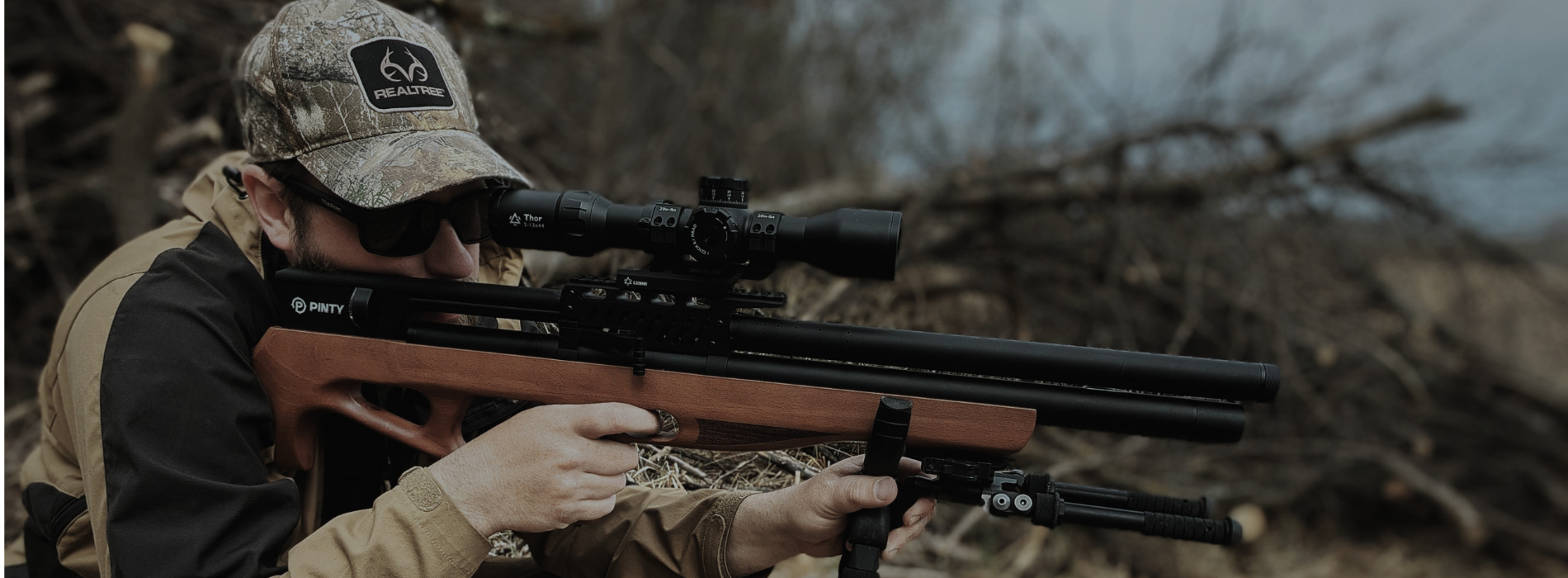
Pinty Modular PCP Series
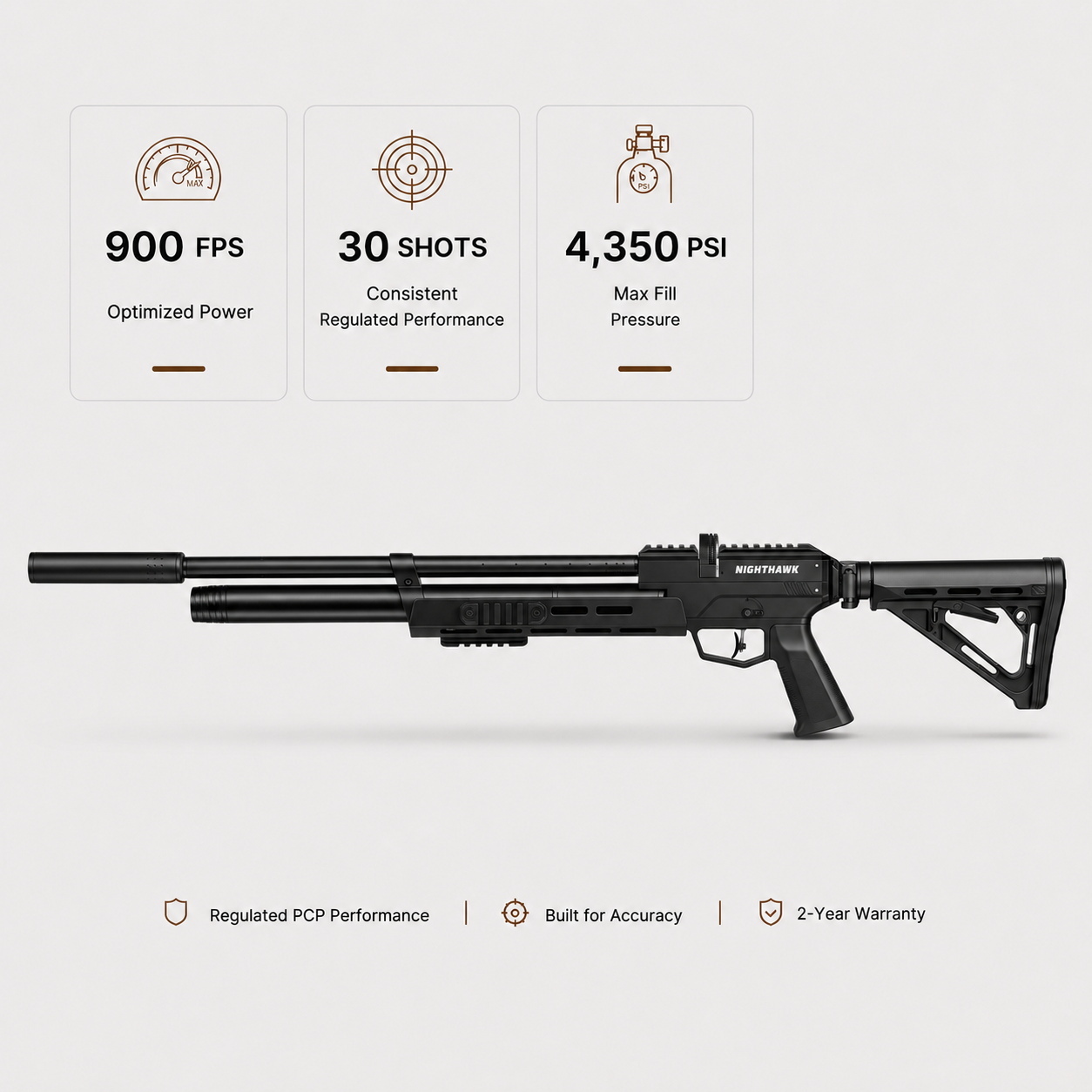
Caliber
Cylinder Size
Velocity
Max. Fill Pressure
Weight
Barrel Length
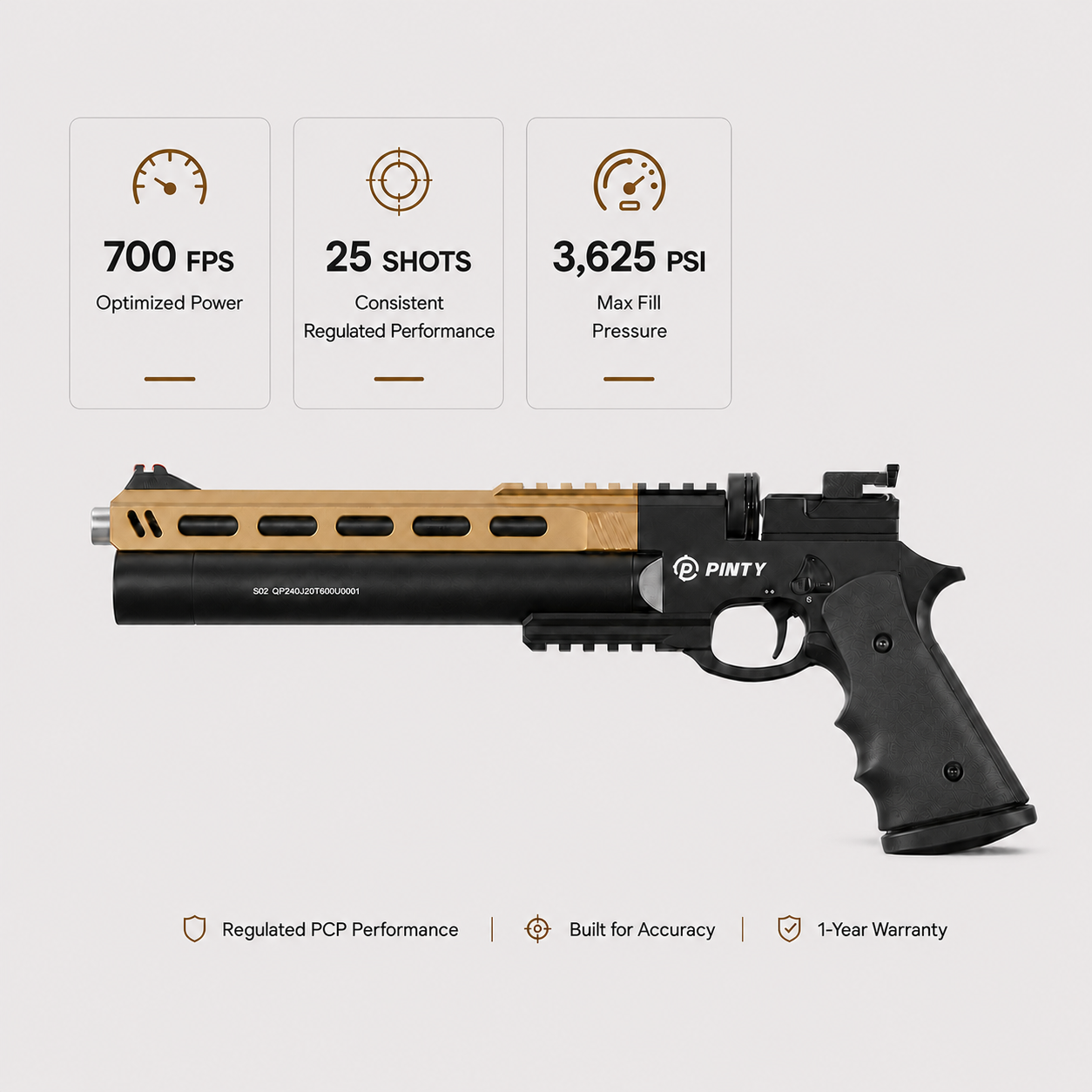
Caliber
Cylinder Size
Velocity
Max. Fill Pressure
Weight
Barrel Length
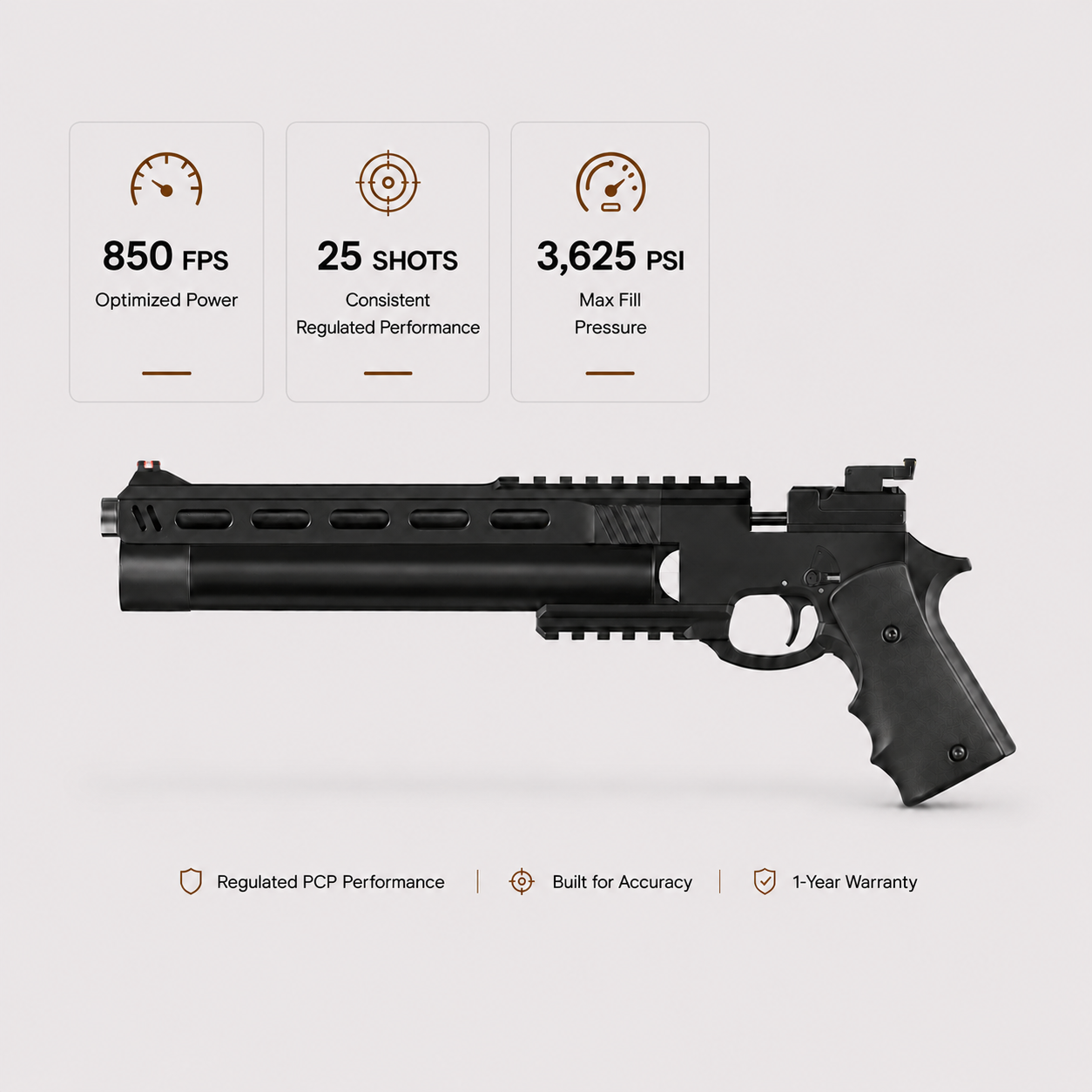
Caliber
Cylinder Size
Velocity
Max. Fill Pressure
Weight
Barrel Length
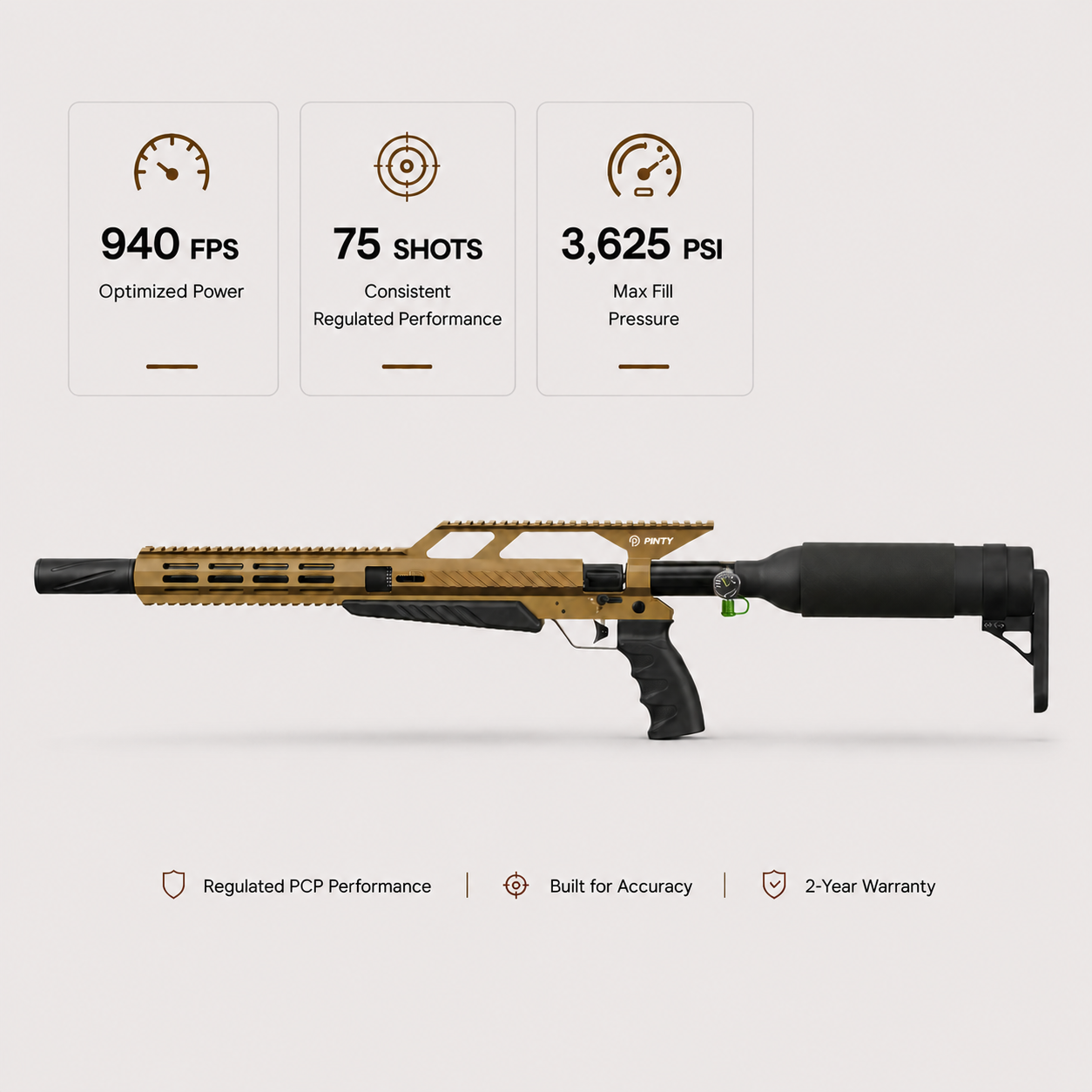
Caliber
Cylinder Size
Velocity
Max. Fill Pressure
Weight
Barrel Length
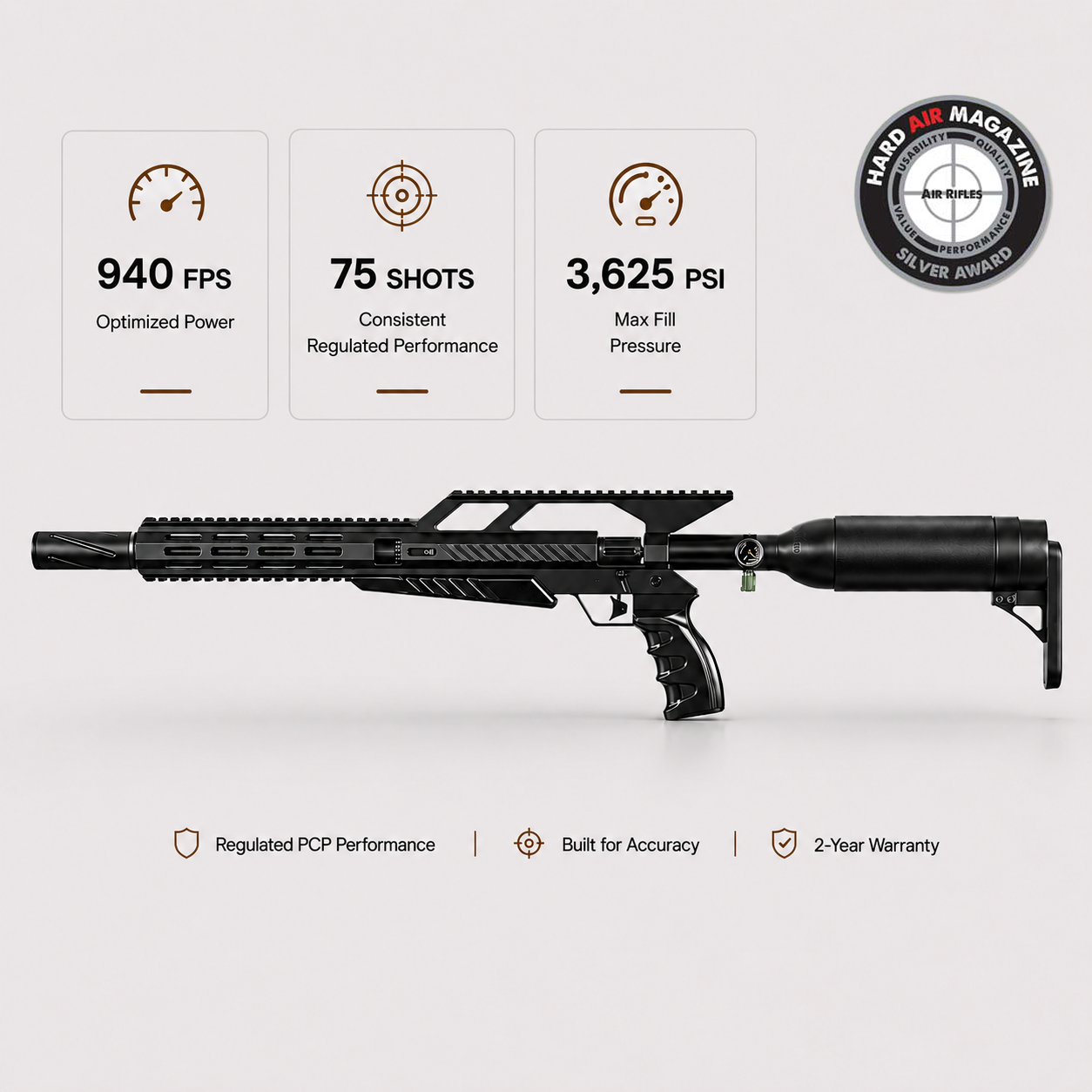
Caliber
Cylinder Size
Velocity
Max. Fill Pressure
Weight
Barrel Length
Pinty New Model Pre-Release Sale!
Pinty New Model Pre-Release Sale 23% off if you order by the end of July! Buster FDE, Nightfall MKII FDE, Nighthawk, Falcon and Falcon X.
Pinty Buster Regulated PCP Pistol Review
Pinty Nightfall Full Review | Budget Air Rifle Worth It or Waste of Money?
Pinty Compact Bullpup PCP Series
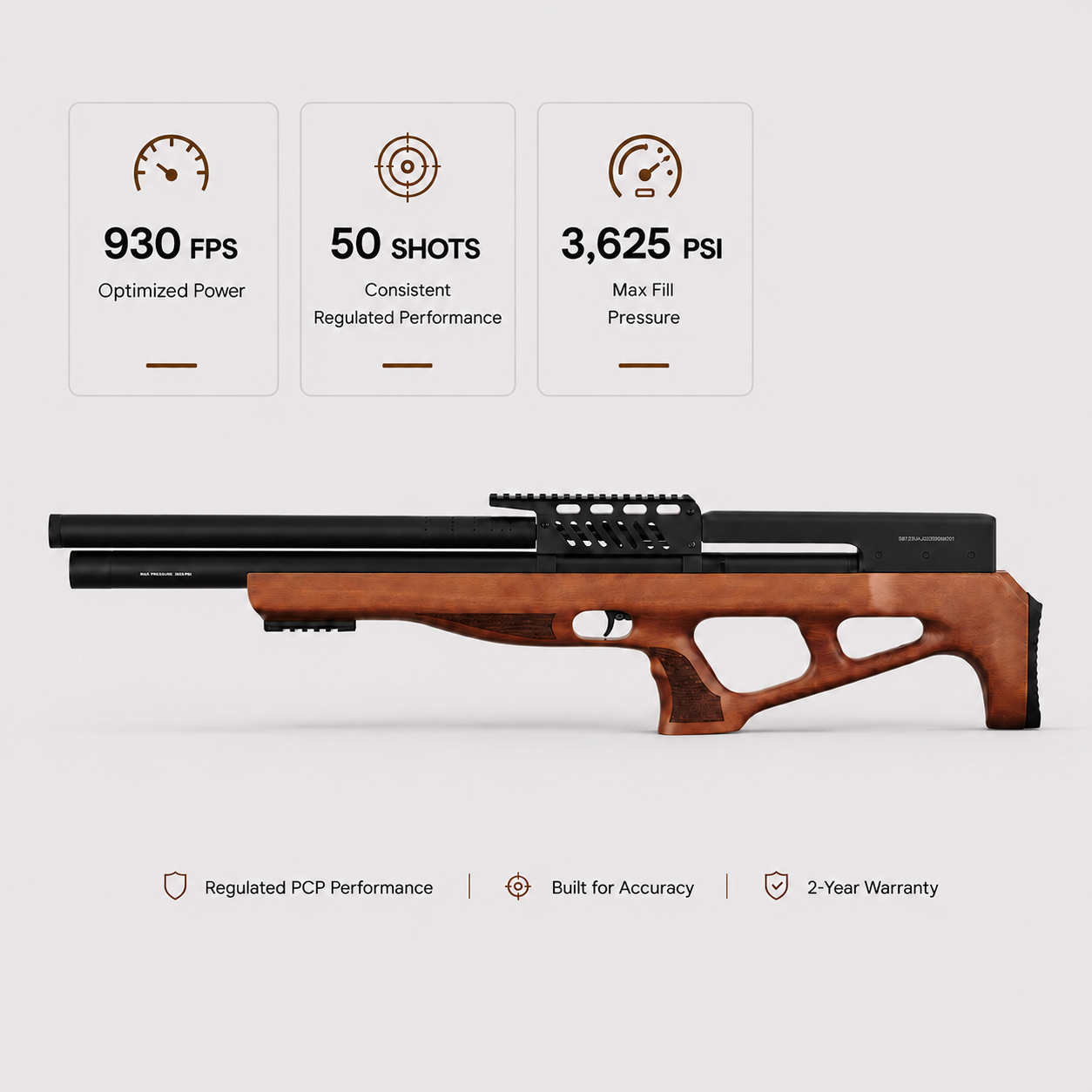
Caliber
Cylinder Size
Velocity
Max. Fill Pressure
Weight
Barrel Length
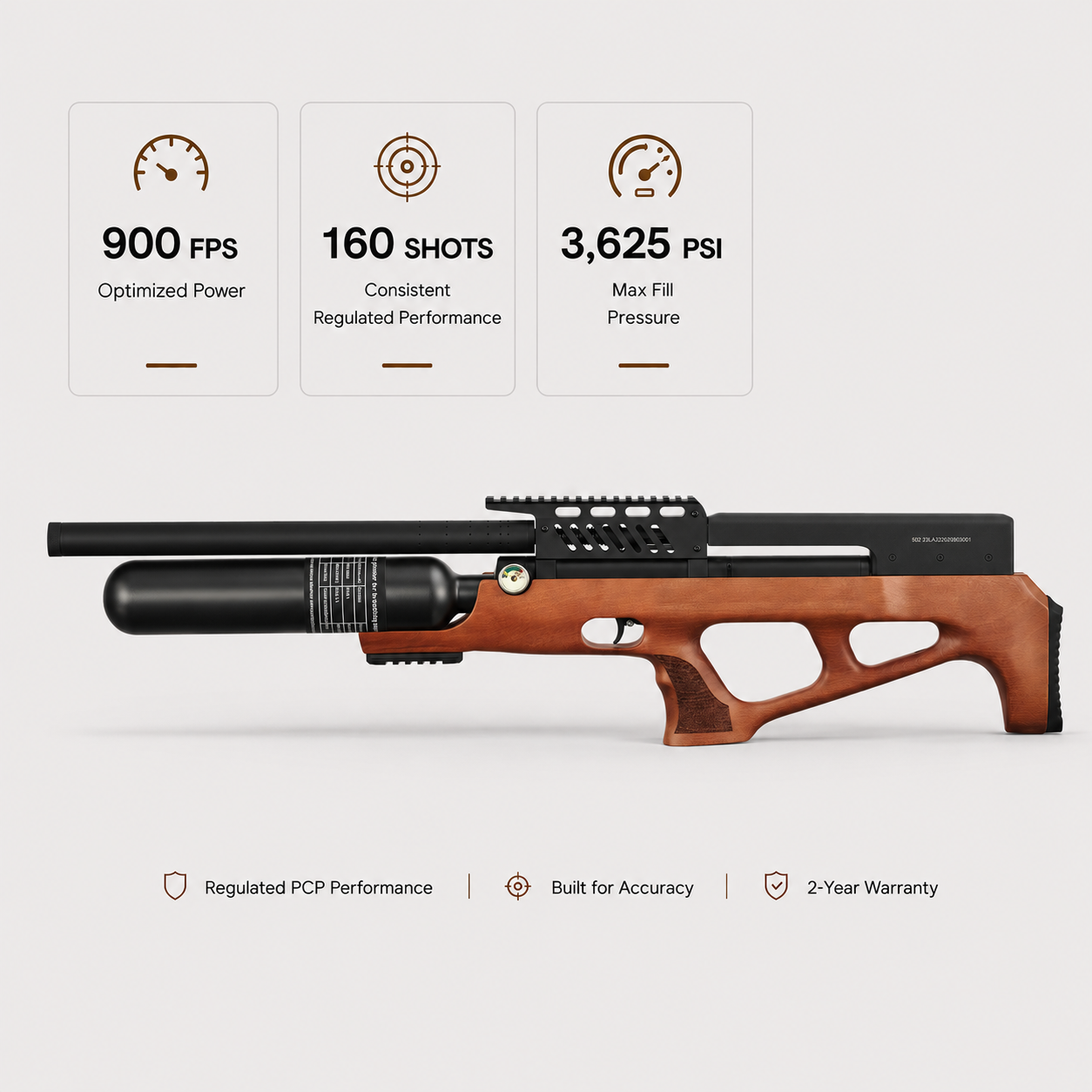
Pinty Falcon X Compact Bullpup
Caliber
Cylinder Size
Velocity
Max. Fill Pressure
Weight
Barrel Length
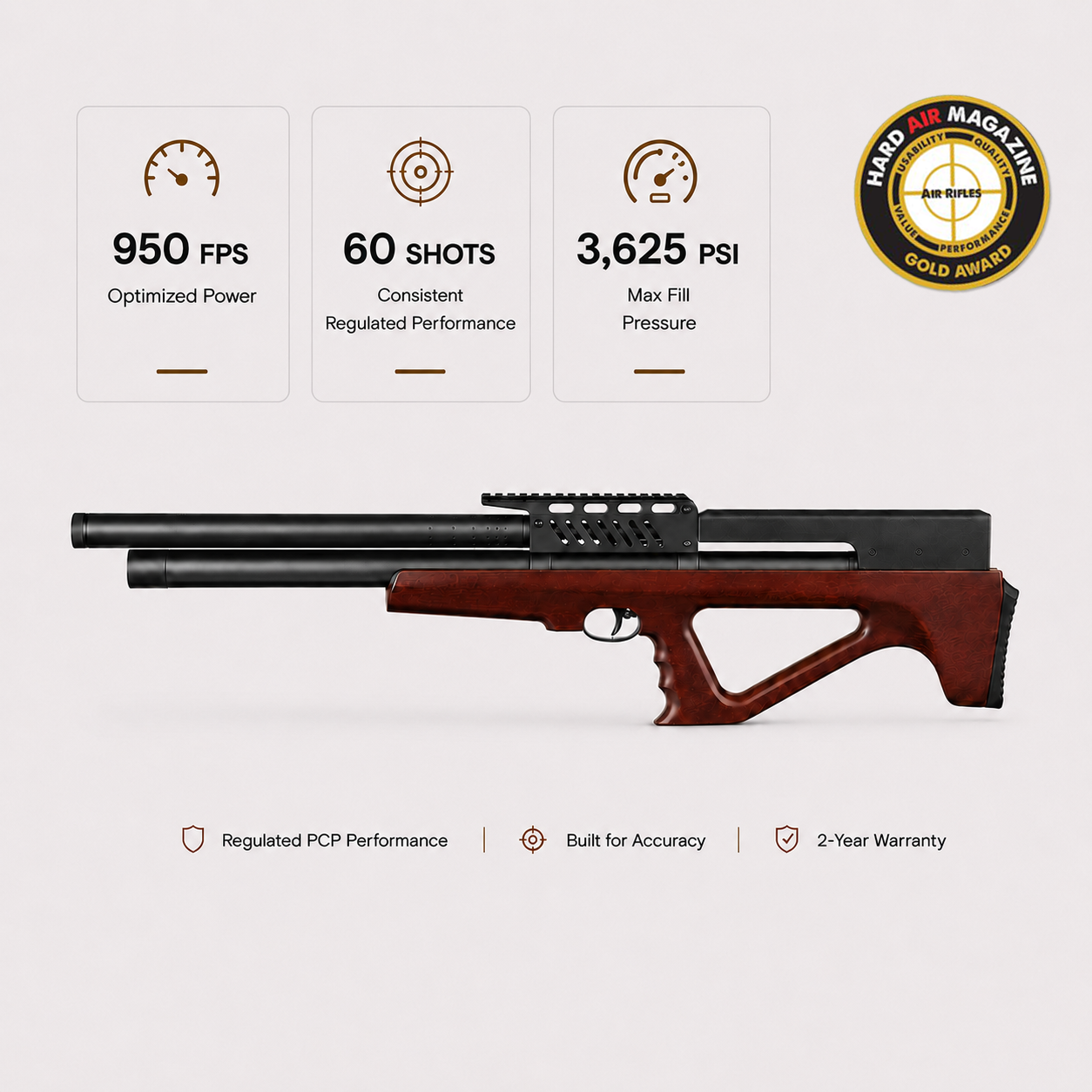
Pinty Striker Compact Bullpup MKII
Caliber
Cylinder Size
Velocity
Max. Fill Pressure
Weight
Barrel Length
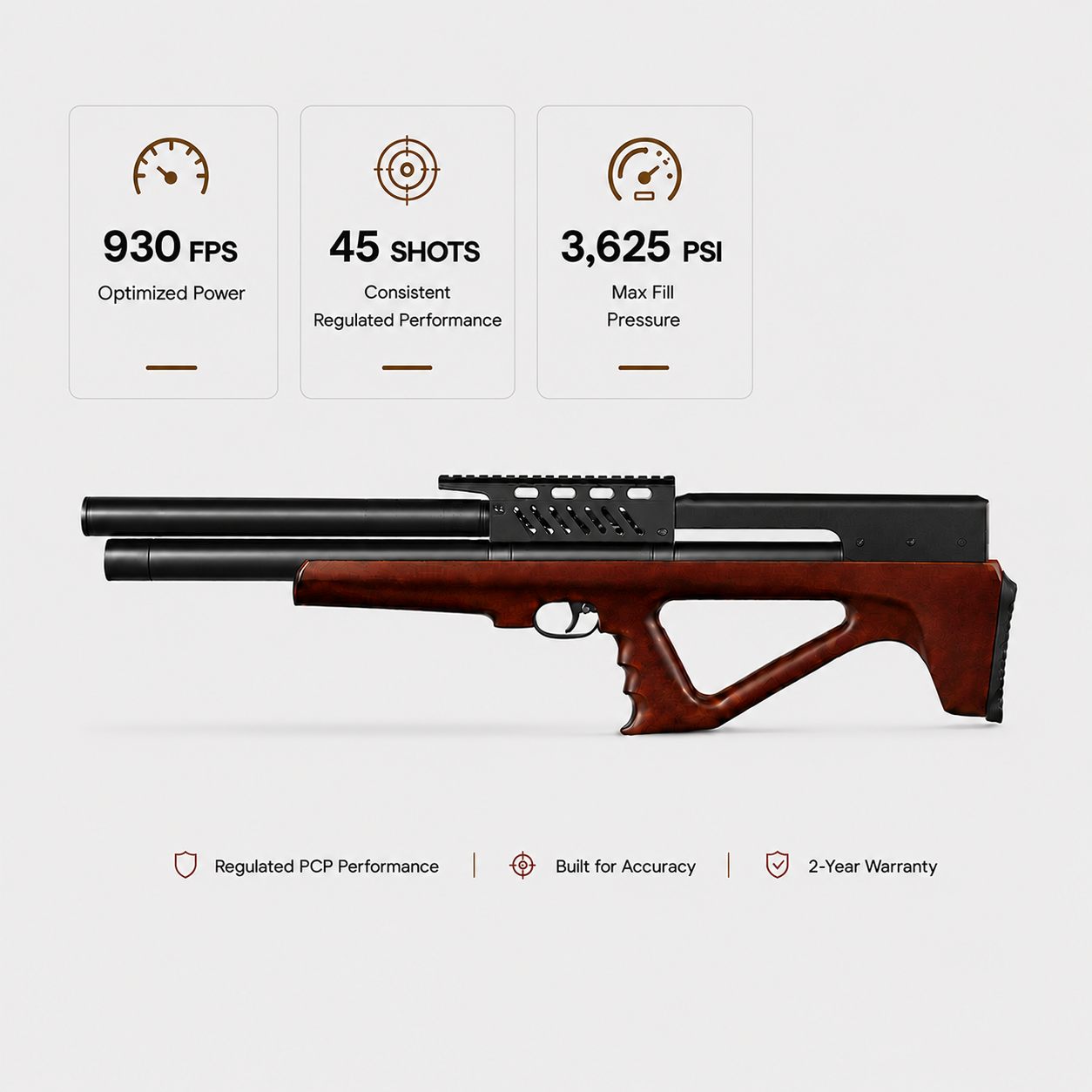
Pinty Thumper Compact Bullpup MKII
Caliber
Cylinder Size
Velocity
Max. Fill Pressure
Weight
Barrel Length
"New" FALCON-X Bullpup PCP
This comes in .22 Caliber, and two (2) 9-round magazines are included. This is equipped with a stunning Beachwood stock. We topped this with Pinty's newest optic, the Vexa HD 7-35x56 FFP scope and give you a close-up look.
Pinty Striker BullPup .22 in Action: Pellet Performance Testing
Pinty Thumper Full Review | The Pinty Thumper is Awesome!
Pinty Traditional PCP Series
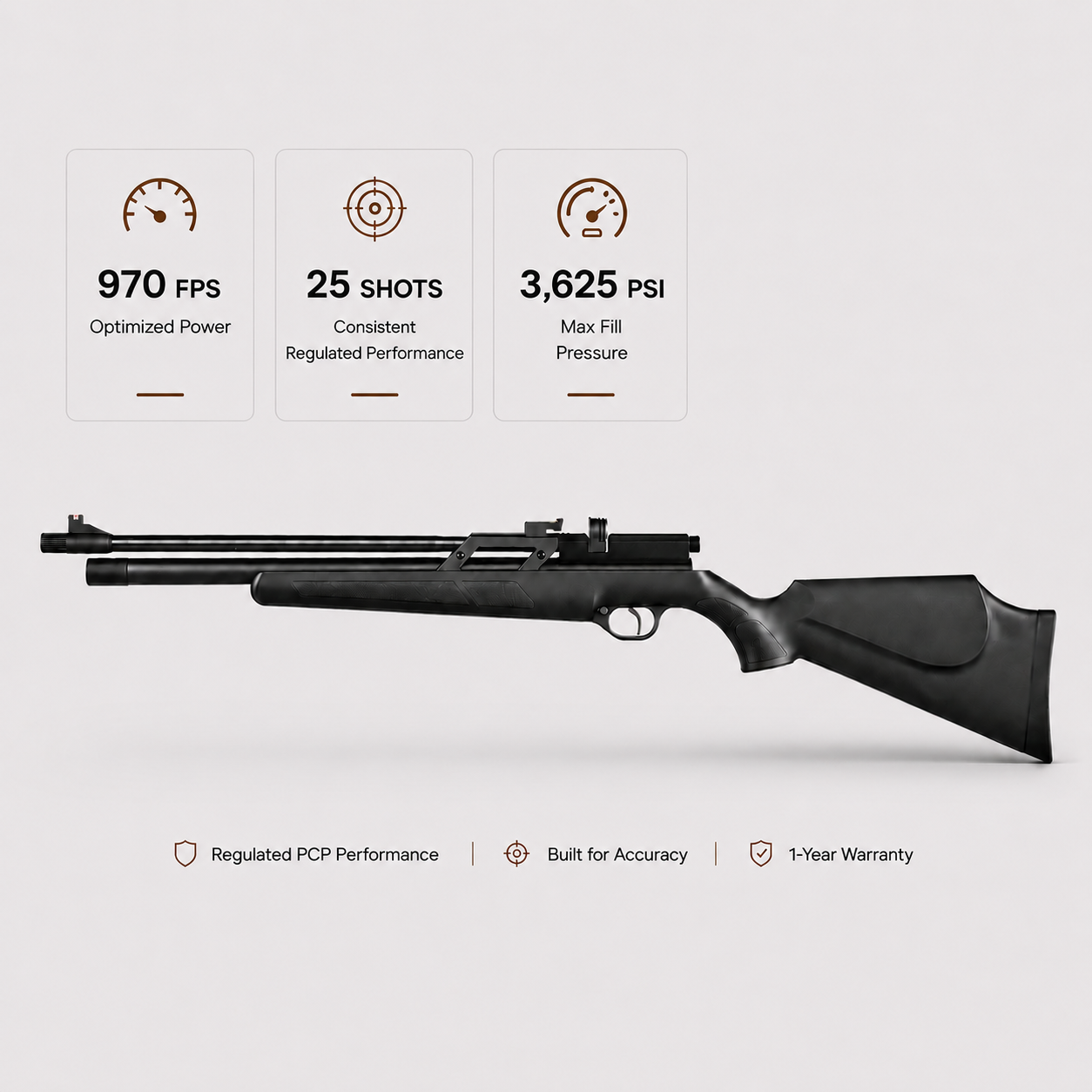
Caliber
Cylinder Size
Velocity
Max. Fill Pressure
Weight
Barrel Length
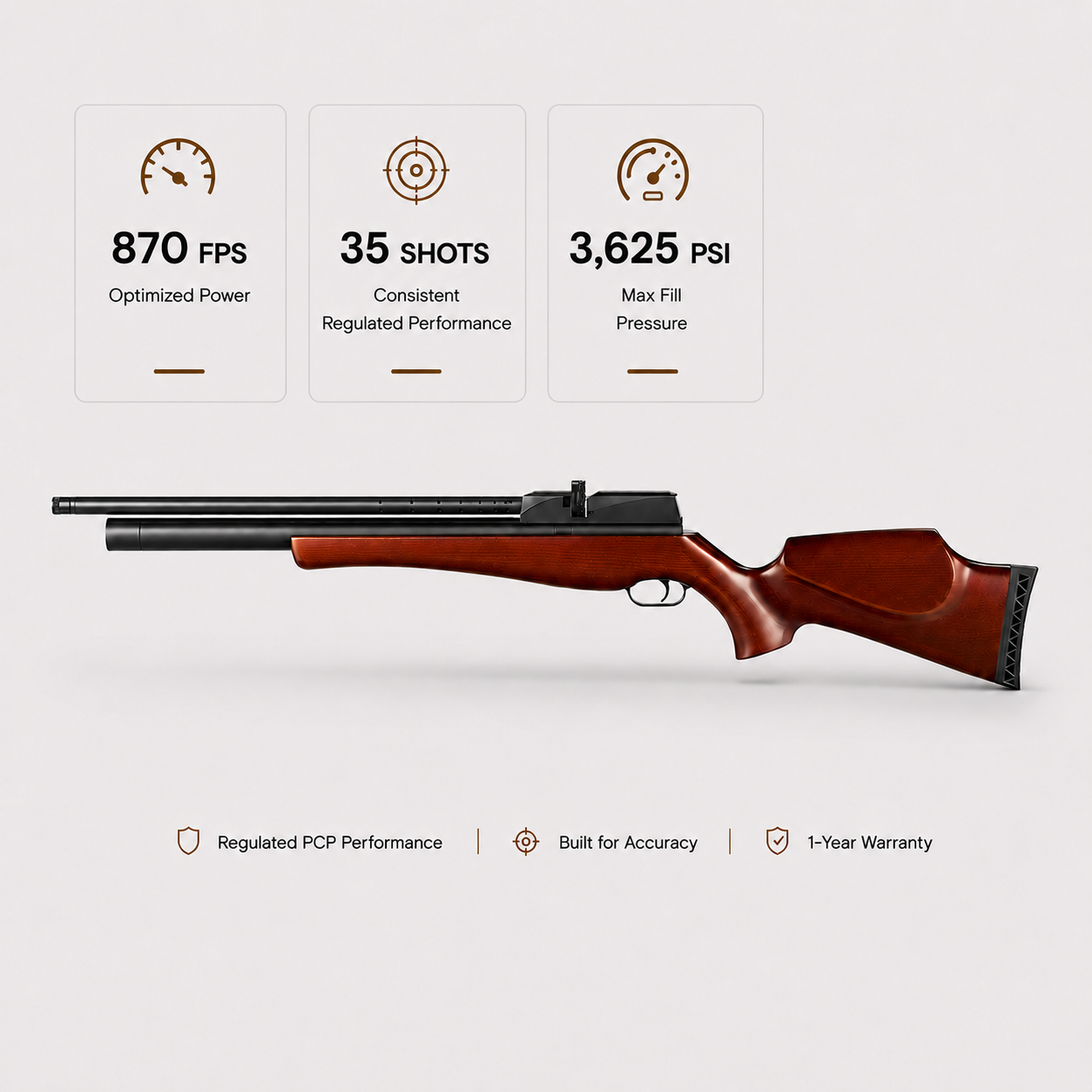
Caliber
Cylinder Size
Velocity
Max. Fill Pressure
Weight
Barrel Length
Pinty Vanguard | First Impressions & Shooting Test
Pinty P-Force Timber .22cal PCP Air Rifle Unboxing/Review
Compare Air Models
Caliber
.22 (5.5mm)
Caliber
.22 (5.5mm)
.25 (6.35mm)
Caliber
.177 (4.5mm)
.22 (5.5mm)
Velocity
900 fps (18.13gr pellets)
Velocity
920 fps (.22, 18.13gr pellets)
860 fps (.25, 25.39gr pellets)
Velocity
900 fps (.177, 8.18gr pellets)
800 fps (.22, 18.13gr pellets)
Cylinder Size
350 cc
Cylinder Size
310 cc
Cylinder Size
100 cc
Regulated Shots
75
Regulated Shots
45 (.22)
35 (.25)
Regulated Shots
25 (.177)
20 (.22)
Shots per Fill
120
Shots per Fill
70 (.22)
60 (.25)
Shots per Fill
40 (.177)
30 (.22)
Function
Single-shot
Function
Repeater
Function
Repeater
When It Matters, We’re There.
Responsive Customer Support
Get fast, reliable assistance whenever you need help.
Warranty Protection Coverage
Every product is backed by a clear warranty policy.
Hassle-Free Replacement
Simple and straightforward solutions when issues arise.


Blog Posts
How to Choose the Right PCP Air Rifle?
Selecting the right Pre-Charged Pneumatic (PCP) air rifle requires balancing power, accuracy, caliber, air efficiency, and budget. Unlike spring-piston airguns, PCP rifles rely on a pre-filled high-pressure air reservoir,delivering smooth, recoil-free performance and superior shot-to-shot consistency.
Whether your goal is backyard target shooting, pest control, or long-range hunting, this guide breaks down the essential technical specs to consider before making your purchase.
1. Choose the Right Caliber for Your Purpose
The caliber of your PCP air rifle determines projectile weight, trajectory flatness, terminal impact energy, and air consumption per shot.
- .177 Caliber (900–1,100 FPS | 12–20 FPE)Primary Use: Target practice & paper plinking
- Key Characteristics: Extremely flat trajectory, cheapest pellets, lowest air consumption per shot.
- .22 Caliber (800–1,000 FPS | 25–45 FPE)Primary Use: Small game hunting & pest control
- Key Characteristics: The most versatile all-around choice; perfect balance of speed and downrange impact.
- .25 Caliber (750–950 FPS | 45–70+ FPE)Primary Use: Medium pesting (Raccoons, Hogs)
- Key Characteristics: High wind resistance, maximum knockdown energy at extended ranges.
- Big Bore .30–.50+ (700–900 FPS | 100–500+ FPE)Primary Use: Large game hunting (Deer, Boar)
- Key Characteristics: Extreme stopping power; requires massive air tanks (few shots per fill).
2. Velocity (FPS) vs. Muzzle Energy (FPE): Finding the Sweet Spot
Many beginners focus solely on Feet Per Second (FPS), but Foot-Pounds of Energy (FPE) and Shot Consistency dictate real-world performance.
- The FPS Trap: Pushing lightweight lead pellets past the speed of sound (approx. 1,125 FPS) causes trans-sonic turbulence, destabilizing the pellet and opening up target groupings.
- The Accuracy Sweet Spot: Most precision PCP rifles perform best between 850 FPS and 950 FPS.
- Heavy Pellets & Slugs: Using heavier pellets or ballistic slugs lowers overall FPS but increases FPE retention at extended distances, allowing the projectile to resist crosswinds much better.
3. Regulated vs. Unregulated Actions
How a PCP rifle manages internal reservoir pressure directly impacts its trajectory consistency over multiple shots.
- Regulated PCP Rifles: Feature an internal valve that meters air to a fixed pressure before every shot. This ensures identical FPS across the entire fill cycle, providing extreme precision for long-range target shooting and competition.
- Unregulated PCP Rifles: Air flows directly from the main tank to the valve. As tank pressure drops, velocity follows a bell-curve (lower when full, peaking in the middle, dropping when low). They are simpler, cheaper, and well-suited for casual hunting.
4. Air Tank Capacity and Shot Count
The size and pressure rating (PSI/BAR) of the onboard air cylinder determine how many consistent rounds you can fire before needing a refill.
- Compact Reservoirs (100cc – 200cc): Lightweight and easy to shoulder during long field stalks. Typically yield 20 to 40 shots per fill.
- Large Bottle Reservoirs (300cc – 500cc+): Often made from carbon fiber to save weight. They deliver 60 to 120+ shots per fill, making them ideal for all-day benchrest shooting or heavy target practice.
5. Planning Your High-Pressure Air (HPA) Source
Because PCP airguns operate between 2,000 PSI and 4,500 PSI, standard shop or automotive tire compressors cannot be used. You must budget for an air filling method:
- High-Pressure Hand Pumps (3-4 Stage): Affordable and portable, requiring no electricity. However, filling a reservoir to 3,000 PSI manually requires significant physical effort.
- 12V/110V Portable PCP Compressors: The most popular choice for modern airgunners. Plugs directly into a car battery or wall outlet, auto-filling your rifle tank in minutes.
- Carbon Fiber / SCUBA Tanks: Allows instant, silent filling at the shooting range via a fill whip. Requires access to a local dive shop or paintball store for master refilling up to 4,500 PSI.
6. Stock Configurations: Bullpup vs. Traditional Rifle Layouts
Ergonomics impact carry comfort, balance, and stability depending on your shooting environment.
- Bullpup Designs: Shift the action and magazine behind the trigger, reducing overall length by up to 10–12 inches while keeping a full-length barrel. Highly maneuverable for tight hunting blinds, shooting from vehicles, or navigating thick brush.
- Traditional Rifle Layouts: Feature a classic linear stock with a longer sight radius. Excellent for shooting off a benchrest, bipods, or cross-sticks due to their natural weight distribution.
7. Essential Accessories & Optics Setup
A PCP air rifle is a system that relies on dedicated hardware to unlock its true accuracy potential:
- Shockproof Optics & Precision Mounts: Since PCP airguns produce no violent spring recoil, you can safely run high-magnification scopes, illuminated reticles, and precision red dots. Ensuring high-quality scope rings are properly torqued keeps your zero locked in over long distances.
- Decibel Reduction (Moderators): Many modern PCP rifles come with integrated shrouds or threaded muzzles for airgun moderators, making them whisper-quiet for backyard plinking without disturbing neighbors.
- Maintenance Supplies: 100% pure silicone oil (never petroleum solvents, which destroy rubber O-rings) and pull-through cleaning patches are mandatory for maintaining leak-free valve seals and pristine barrel rifling.
Accessories
Buying a PCP air rifle usually requires additional equipment. Unlike basic air rifles, PCP models need an air source and supporting accessories to operate effectively.
Common accessories include rifle scopes, mounts, air pumps, compressors, extra magazines, and cleaning supplies. These additional costs should be included when planning your budget.
FAQs
What does PCP mean in air rifles?
PCP in air rifles stands for Pre-Charged Pneumatic. It refers to a type of airgun that is powered by compressed air stored in a high-pressure reservoir. This air is “pre-charged” before shooting using a hand pump, air compressor, or external tank. When the trigger is pulled, a controlled burst of this stored air is released to propel the pellet.
How long can you leave air in a PCP air rifle?
You can leave air in a PCP air rifle for months, or even longer, as long as the PCP air rifle is in good condition. In fact, it’s recommended to store a PCP with some pressure in the tank (rather than empty), because this helps keep the internal seals properly seated and prevents moisture or contaminants from entering the system.
That said, the PCP air rifle should hold air without noticeable loss—if it slowly leaks down over a few days, that may indicate worn seals or a valve issue. For best practice, store your PCP air rifle with partial pressure (not fully maxed out), keep it in a cool, dry place, and periodically check the gauge.
Can you leave a PCP air rifle loaded?
Yes, you can leave a PCP air rifle “loaded” with air, but there are some important distinctions and safety considerations.
PCP air rifles are designed to store compressed air in the reservoir, so it’s completely normal—and even recommended—to keep some pressure in the tank during storage (rather than emptying it). This helps maintain seal integrity and ensures the PCP air rifle is ready for use.
How Do PCP Air Rifles Work?
PCP (Pre-Charged Pneumatic) air rifles operate using a simple yet highly efficient system built around compressed air. First, air is stored in a high-pressure cylinder—either built into the PCP air rifle or as a detachable tank—typically filled using a hand pump, compressor, or external air tank. This stored air acts as the power source for each shot.
When you pull the trigger, a valve system releases a precise, measured burst of air behind the pellet. In many PCP models, a regulator helps maintain consistent pressure, ensuring each shot delivers nearly identical power. This regulated airflow results in excellent accuracy, minimal recoil, and the ability to fire multiple consistent shots before needing a refill.
What's better, CO2 or PCP air rifle?
PCP and CO2 air rifles serve different needs, but overall PCP air rifles are considered better for performance, while CO2 air rifles are better for convenience.
Compared to CO₂-powered airguns, PCP air rifles are far less affected by temperature changes, meaning they maintain stable velocity and reliability in different weather conditions. Their consistent power output, quieter operation, and ability to handle larger calibers make them ideal for a wide range of uses—from target shooting and pest control to hunting and competitive shooting. While they do require additional equipment to refill the air reservoir, many enthusiasts find the performance benefits well worth the extra setup.
In contrast, CO2 air rifles are easier to use and more beginner-friendly since they rely on simple cartridges and require less setup, but they offer lower power and can be affected by temperature changes.
What Is a PCP Airguns?
A PCP (Pre-Charged Pneumatic) air rifle is a type of air rifle that uses compressed air stored in a high-pressure reservoir—typically filled to 2,000–4,500 PSI—to propel pellets with precision and force. Instead of relying on springs or disposable CO₂ cartridges, PCP air rifles release a controlled burst of stored air with each shot, resulting in smooth firing, minimal recoil, and excellent shot-to-shot consistency. This makes them especially popular among shooters who value accuracy and performance.
Do I need a license to buy a PCP airgun?
In the United States, airguns are generally not classified as firearms under federal law, meaning no federal license (FFL) is required for purchase.
- Shipping Restrictions: We ship across the domestic US, excluding Alaska and Hawaii.
- Local Regulations: Some jurisdictions (such as New York City, New Jersey, Chicago, or parts of California) have strict local restrictions regarding calibers, magazine capacities, or shipping. It is the buyer's responsibility to check local laws before placing an order.
Do Pinty PCP air rifles feature a built-in regulator?
Yes, all Pinty PCP airguns come standard with a high-performance, internally regulated system.
Instead of relying on an un-regulated valve that suffers from velocity drops as the tank pressure decreases, our built-in regulator ensures that every single shot receives the exact same air pressure from the first fill down to the regulator's set point.
Is it bad to dry fire a PCP air rifle?
Yes, it’s generallynot recommended to dry fire a PCP air rifle, although it’s not as damaging as with spring-piston airguns. When you dry fire a PCP (shooting without a pellet), the PCP air rifle still releases a burst of high-pressure air, but without a pellet to create back pressure, the airflow can be harsher on internal components like the valve and seals over time.
How do I fill a PCP air rifle, and what equipment do I need?
Unlike CO2 or spring guns, PCP air rifles require specialized high-pressure equipment to fill their onboard tanks. You can fill them using three primary methods:
- PCP Compressor: The most convenient method. A portable 12V/110V PCP compressor can fill your rifle in just a few minutes.
- Scuba/Carbon Fiber Tank: A large external tank that can quickly transfill your rifle via a fill station adapter.
- High-Pressure Hand Pump: A budget-friendly, manual 3-stage pump. While effective, it requires significant physical effort.
Note: Standard shop air compressors or bicycle pumps cannot reach the high pressures required for PCP airguns.
What caliber PCP air rifle is best for hunting deer?
For hunting deer, you generally need a big bore PCP air rifle with a larger caliber and high energy—smaller calibers like .177, .22, or .25 simply don’t provide enough stopping power or penetration. Most expert guides recommend at least .40 caliber or larger for deer, with common choices being .357, .45, or .50 caliber PCP air rifles because they deliver the heavier slug weight and energy needed for a humane kill at typical hunting ranges.