

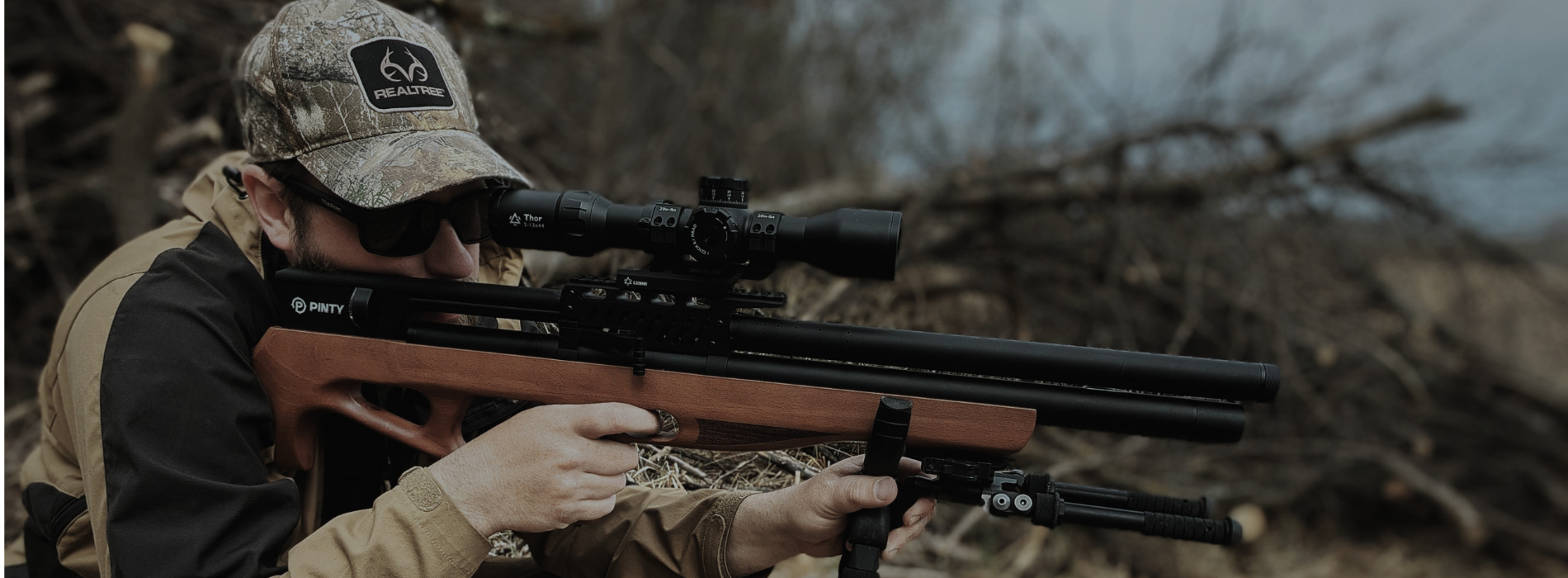
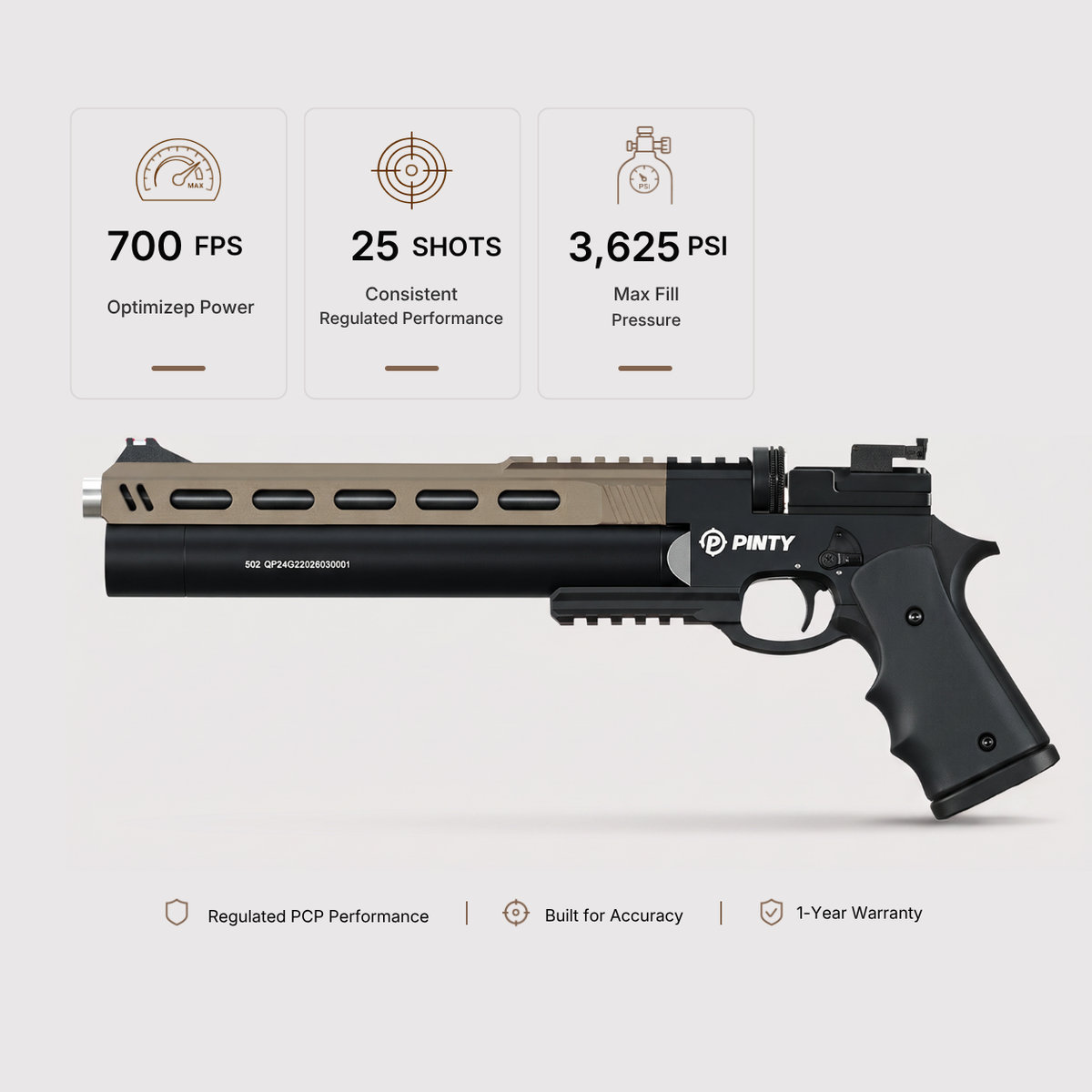
Pinty Modular PCP Series
Caliber
Cylinder Size

Velocity
Max. Fill Pressure
Weight
Barrel Length
Caliber
Cylinder Size
Velocity
Max. Fill Pressure
Weight
Barrel Length
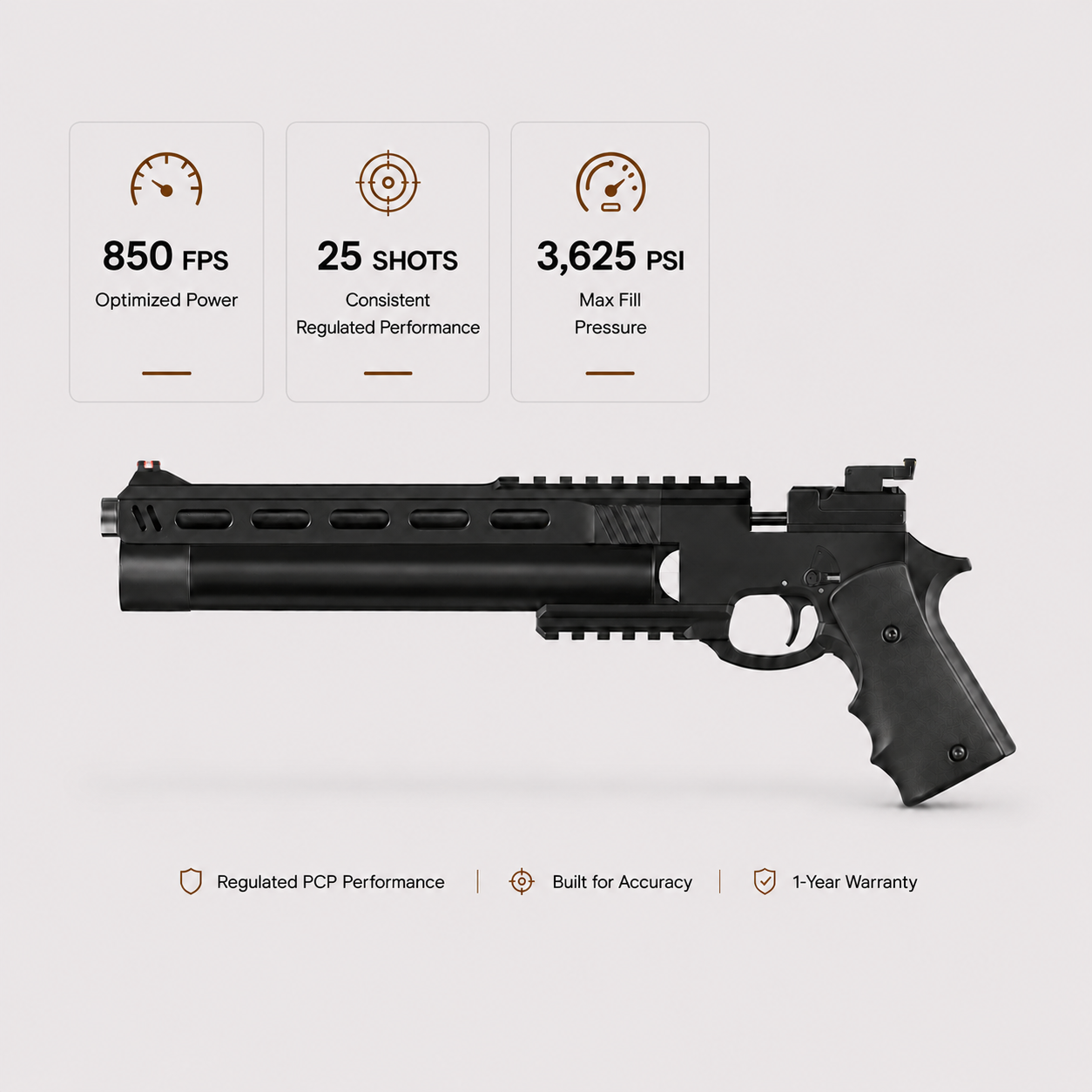
Caliber
Cylinder Size
Velocity
Max. Fill Pressure
Weight
Barrel Length
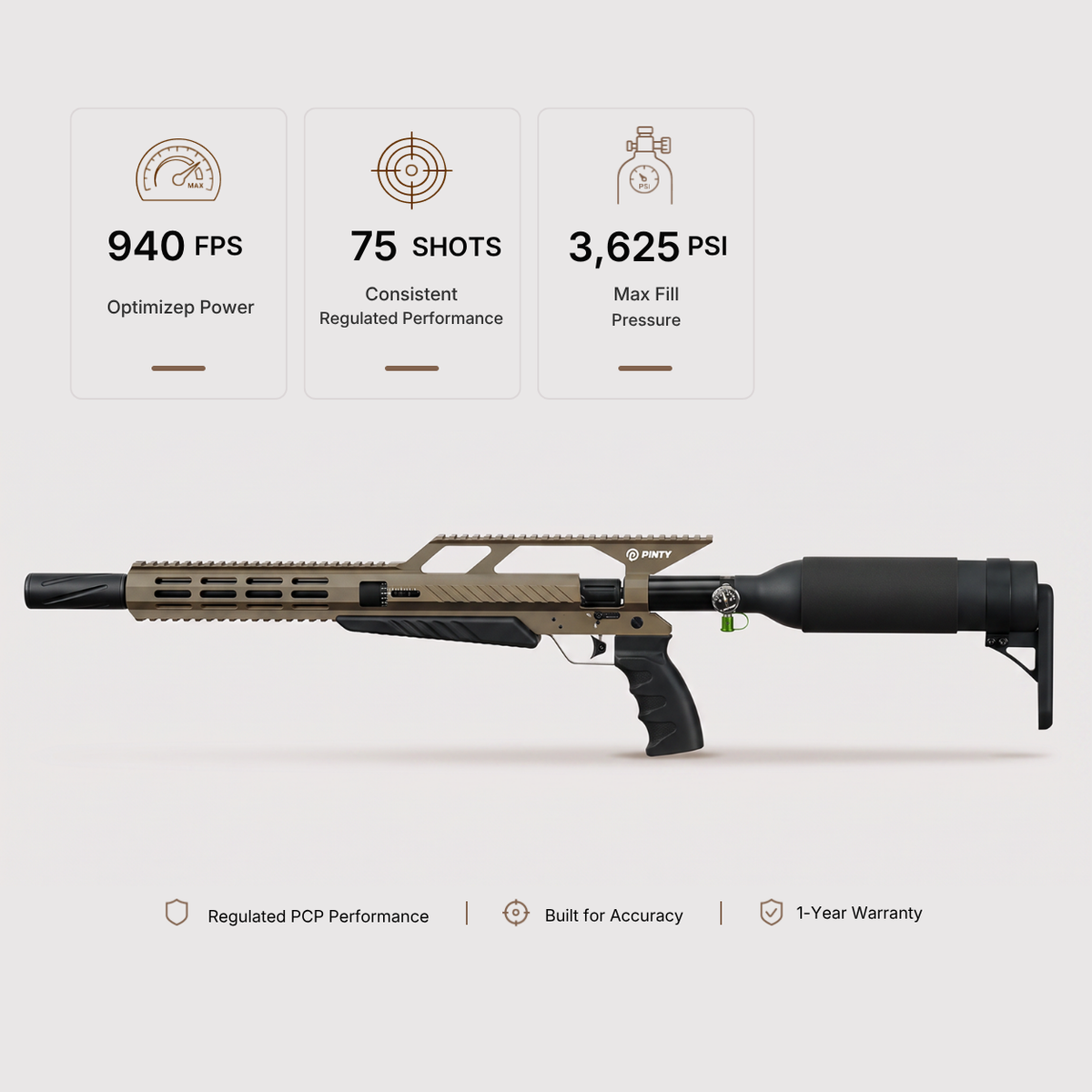
Caliber
Cylinder Size
Velocity
Max. Fill Pressure
Weight
Barrel Length
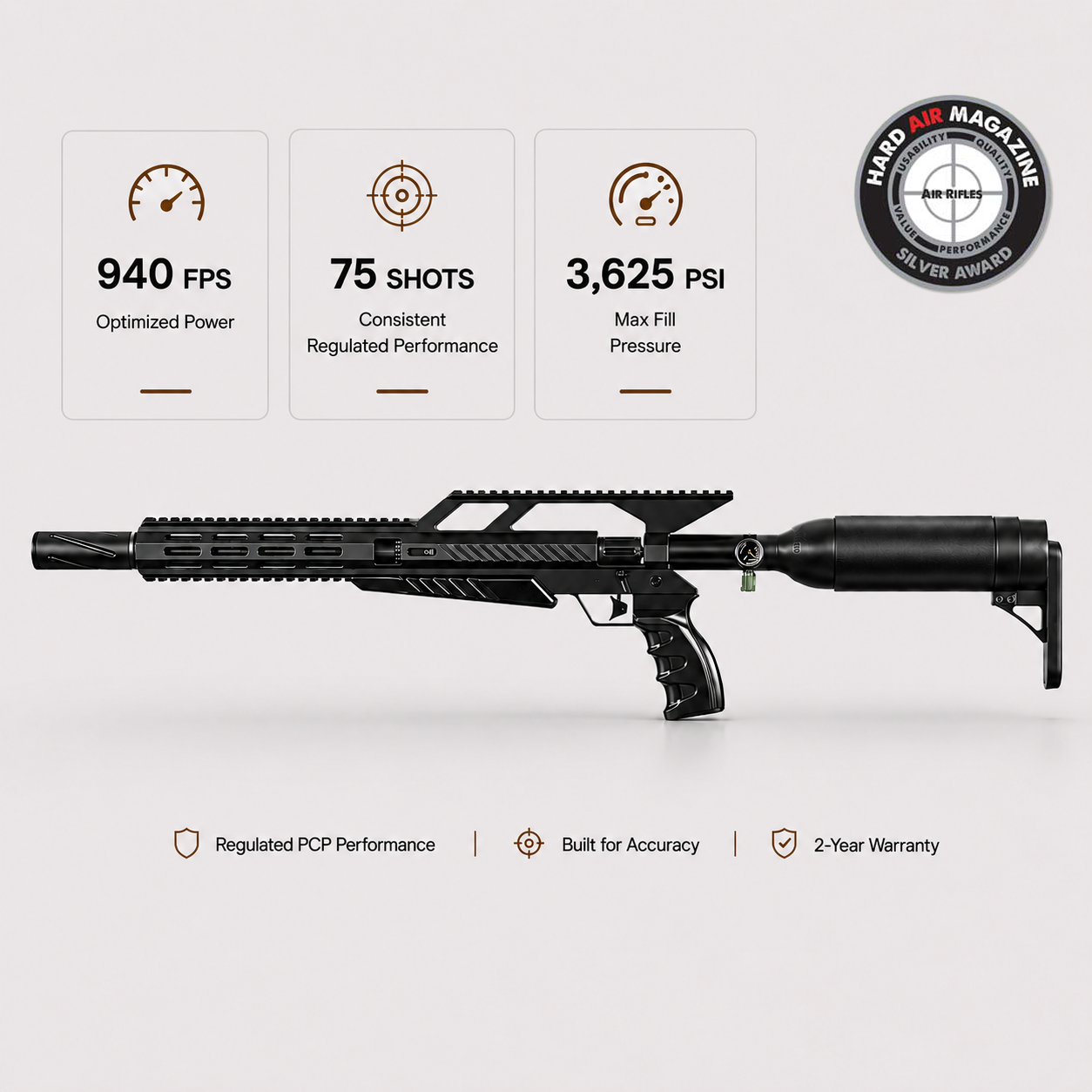
Caliber
Cylinder Size
Velocity
Max. Fill Pressure
Weight
Barrel Length
Pinty New Model Pre-Release Sale!
Get 15% off Buster FDE, Nightfall MKII FDE, Nighthawk, Falcon, and Falcon X models through September 16.
Pinty Buster Regulated PCP Pistol Review
Pinty Nightfall Full Review | Budget Air Rifle Worth It or Waste of Money?
Pinty Compact Bullpup PCP Series
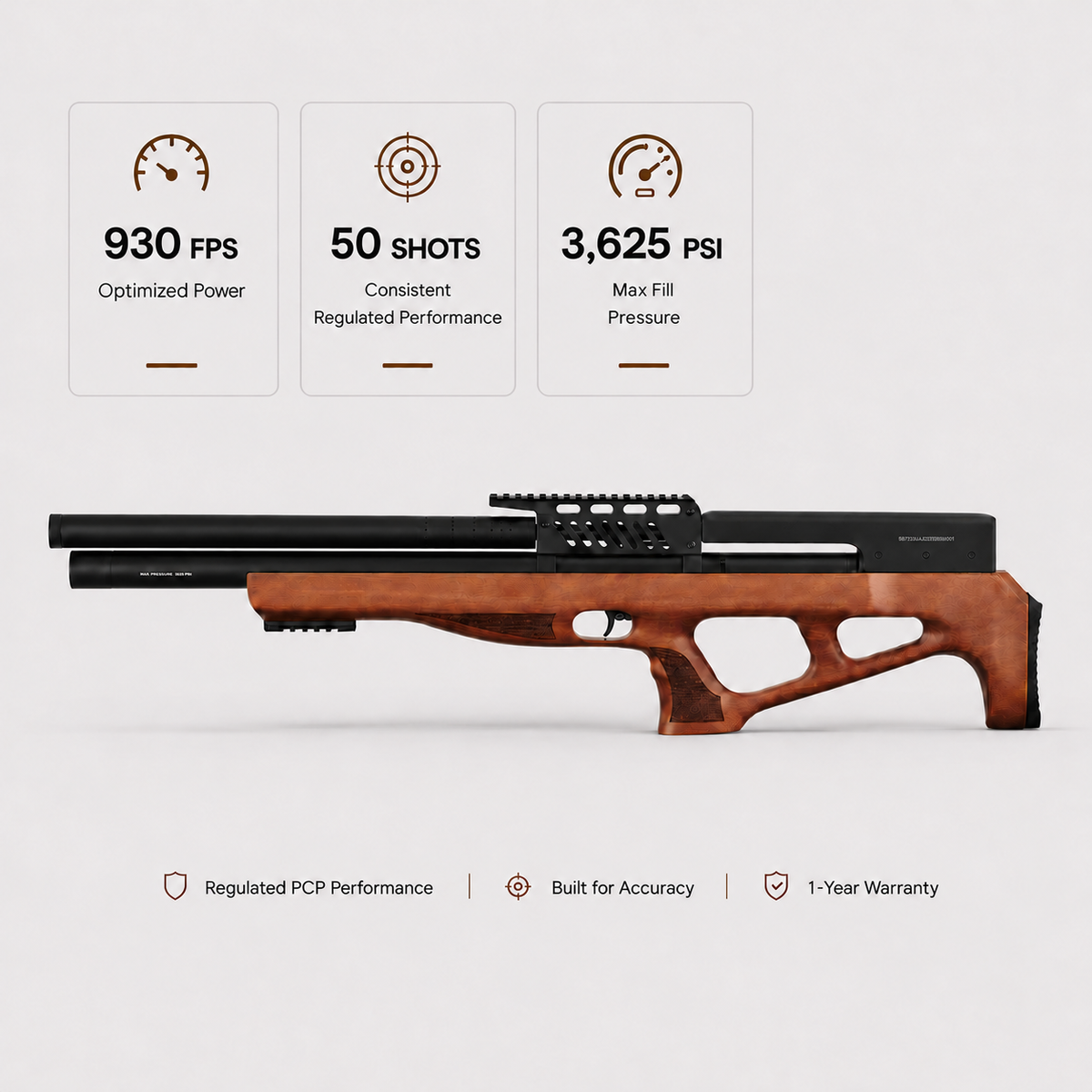
Caliber
Cylinder Size
Velocity
Max. Fill Pressure
Weight
Barrel Length
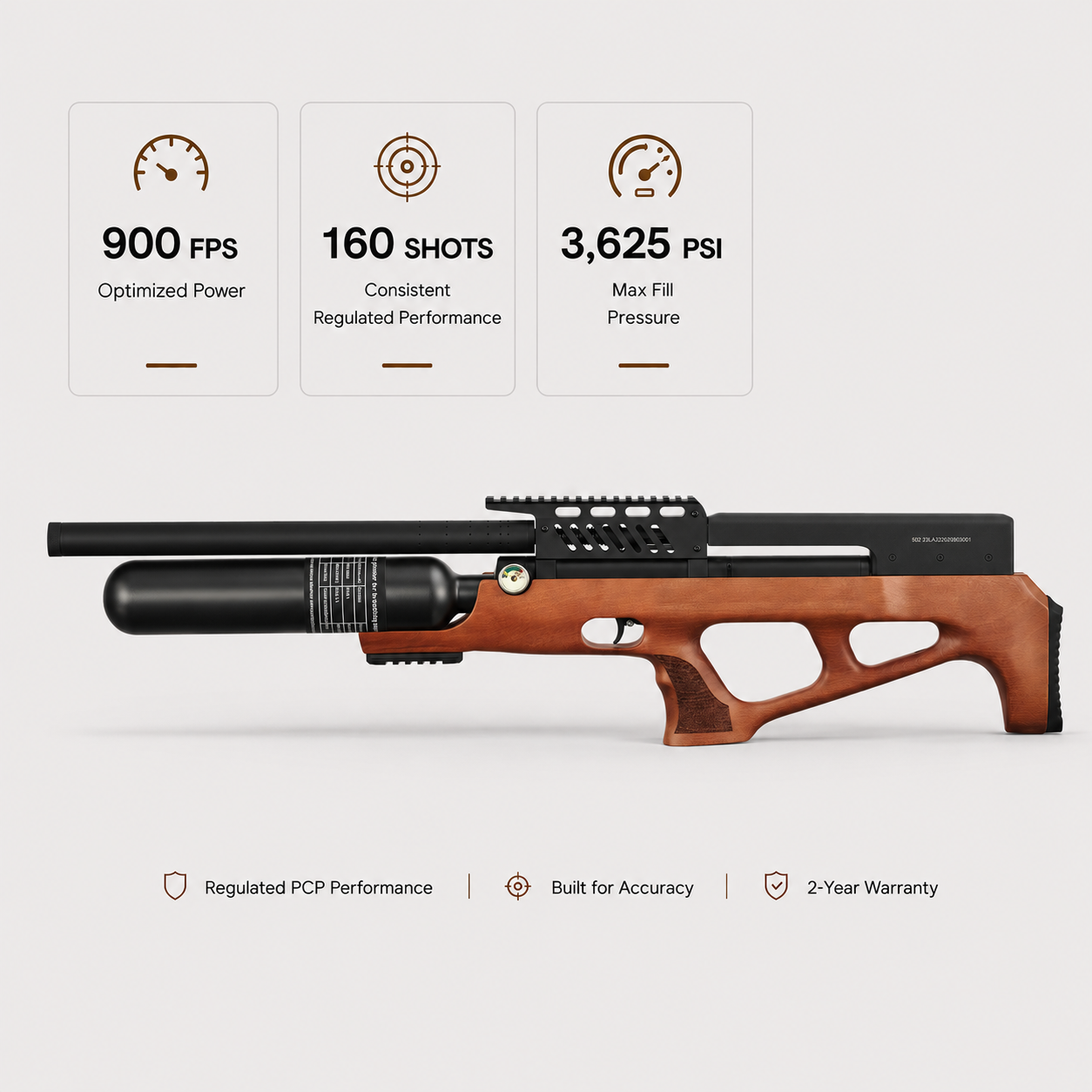
Pinty Falcon X Compact Bullpup
Caliber
Cylinder Size
Velocity
Max. Fill Pressure
Weight
Barrel Length
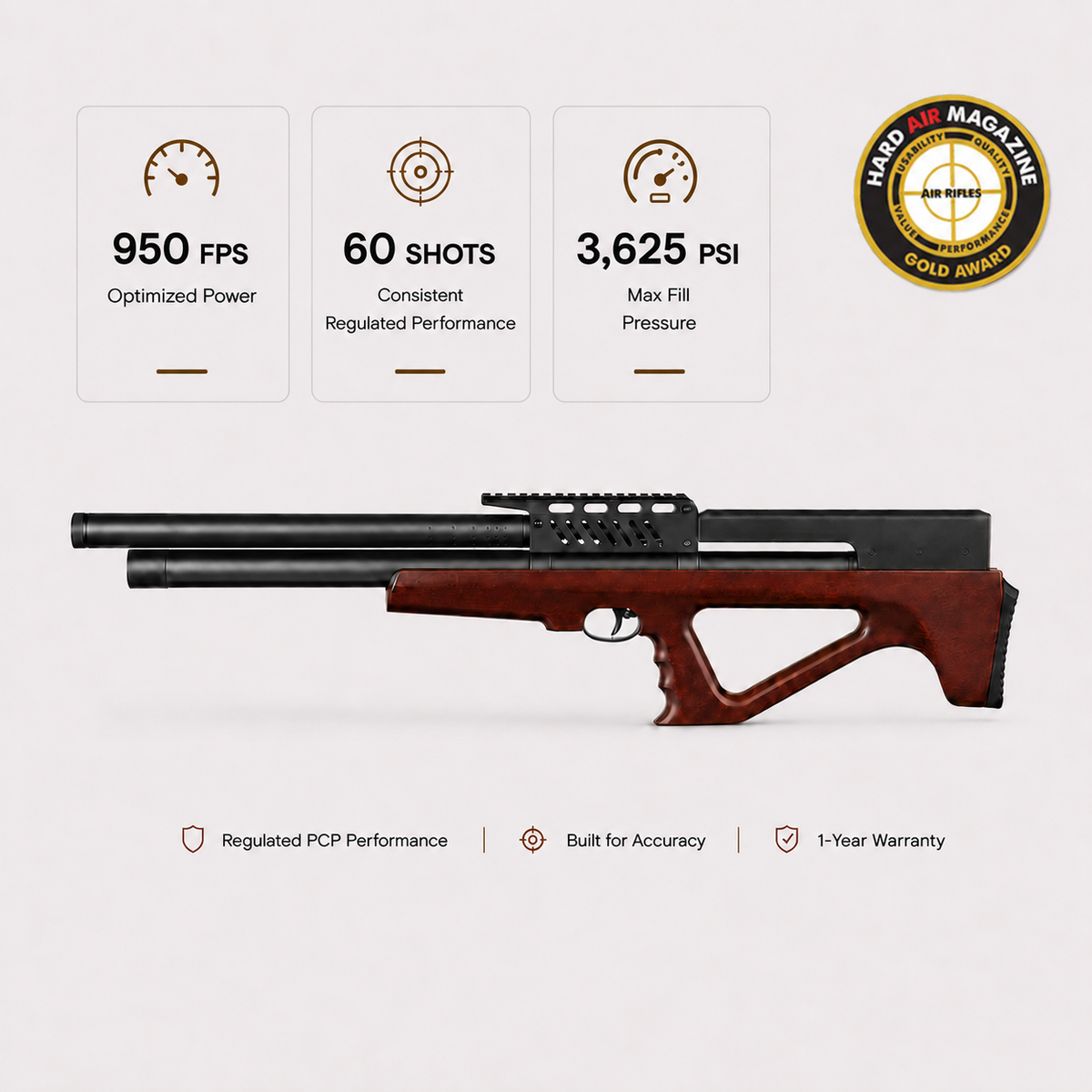
Pinty Striker Compact Bullpup MKII
Caliber
Cylinder Size
Velocity
Max. Fill Pressure
Weight
Barrel Length
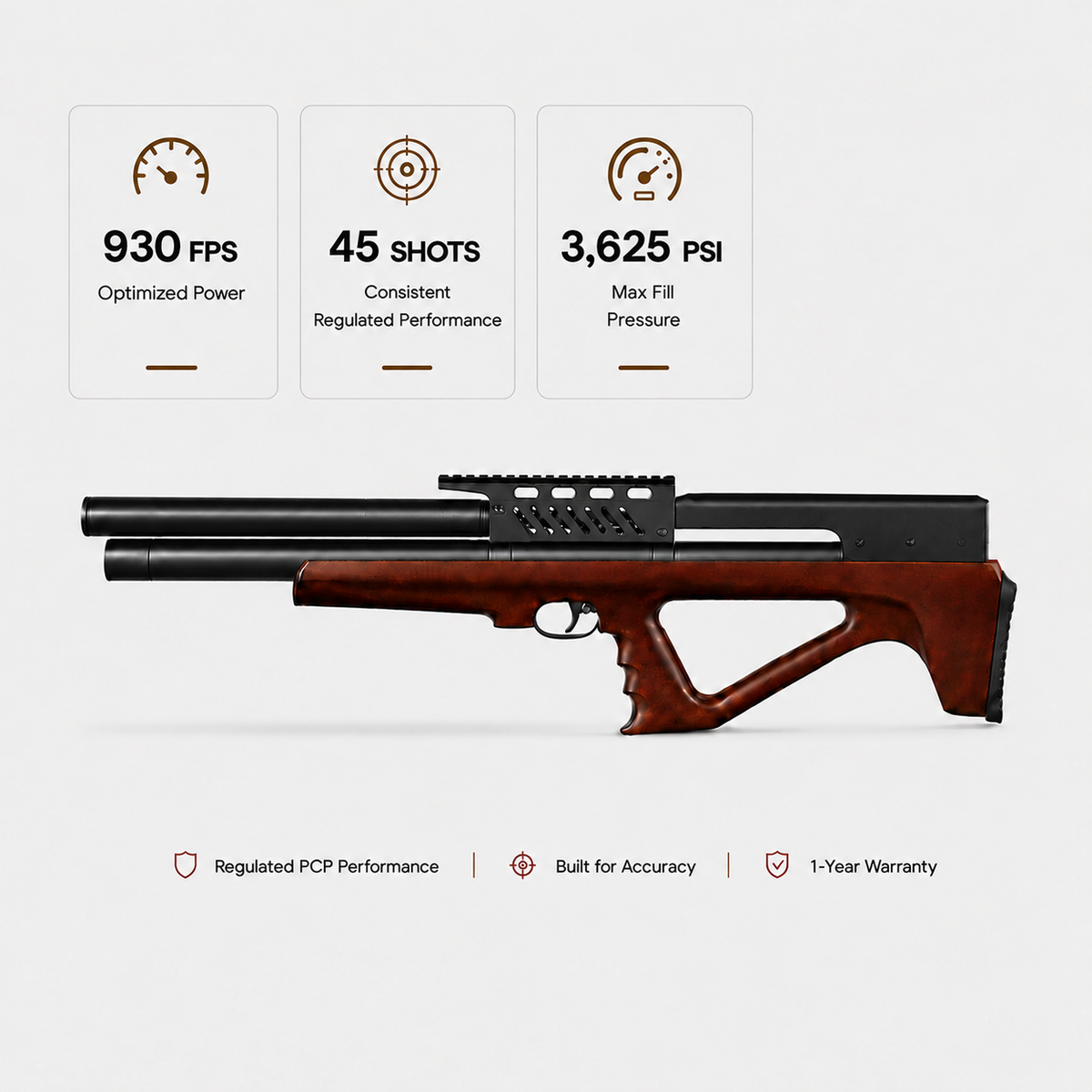
Pinty Thumper Compact Bullpup MKII
Caliber
Cylinder Size
Velocity
Max. Fill Pressure
Weight
Barrel Length
"New" FALCON-X Bullpup PCP
This comes in .22 Caliber, and two (2) 9-round magazines are included. This is equipped with a stunning Beachwood stock. We topped this with Pinty's newest optic, the Vexa HD 7-35x56 FFP scope and give you a close-up look.
Pinty Striker BullPup .22 in Action: Pellet Performance Testing
Pinty Thumper Full Review | The Pinty Thumper is Awesome!
Pinty Traditional PCP Series
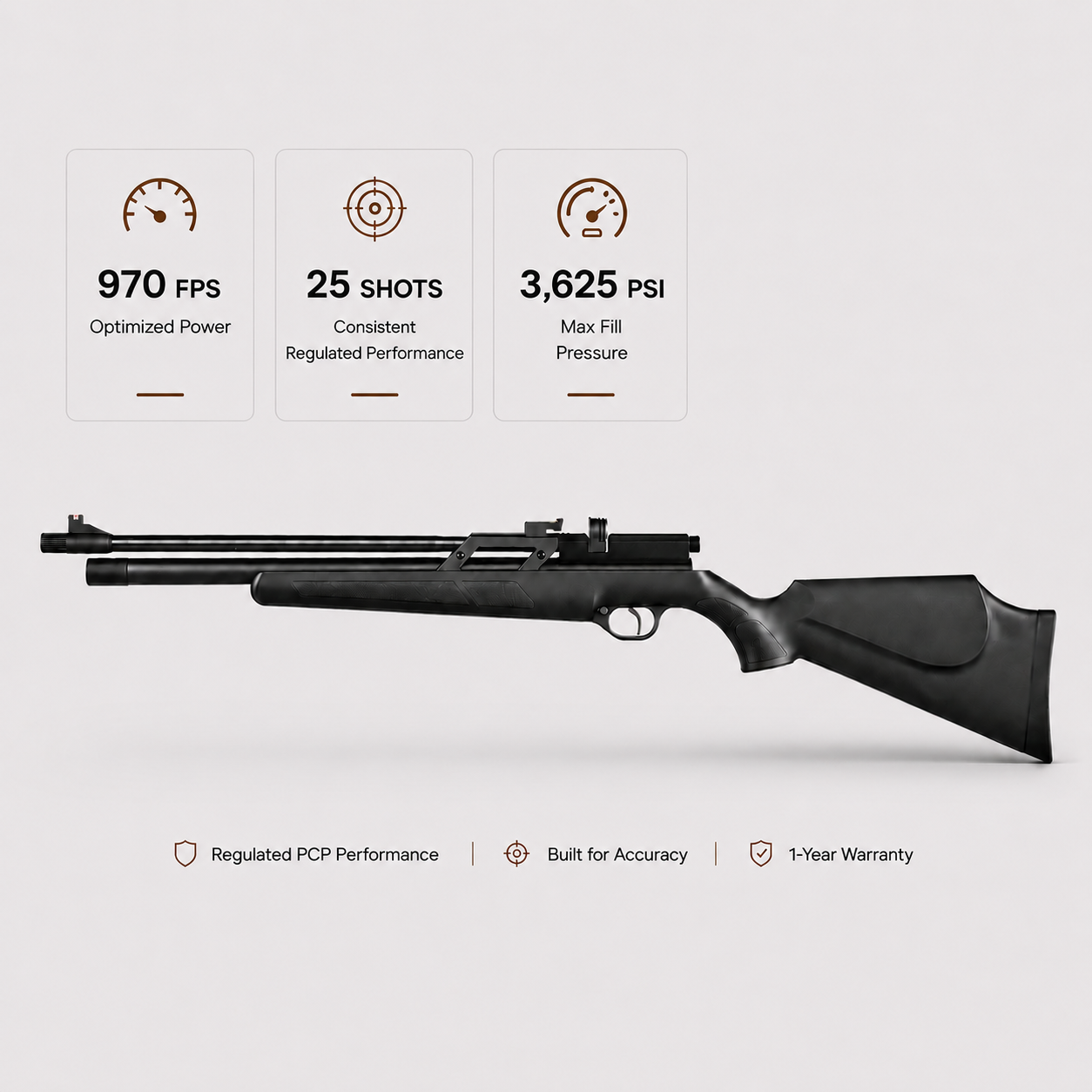
Caliber
Cylinder Size
Velocity
Max. Fill Pressure
Weight
Barrel Length
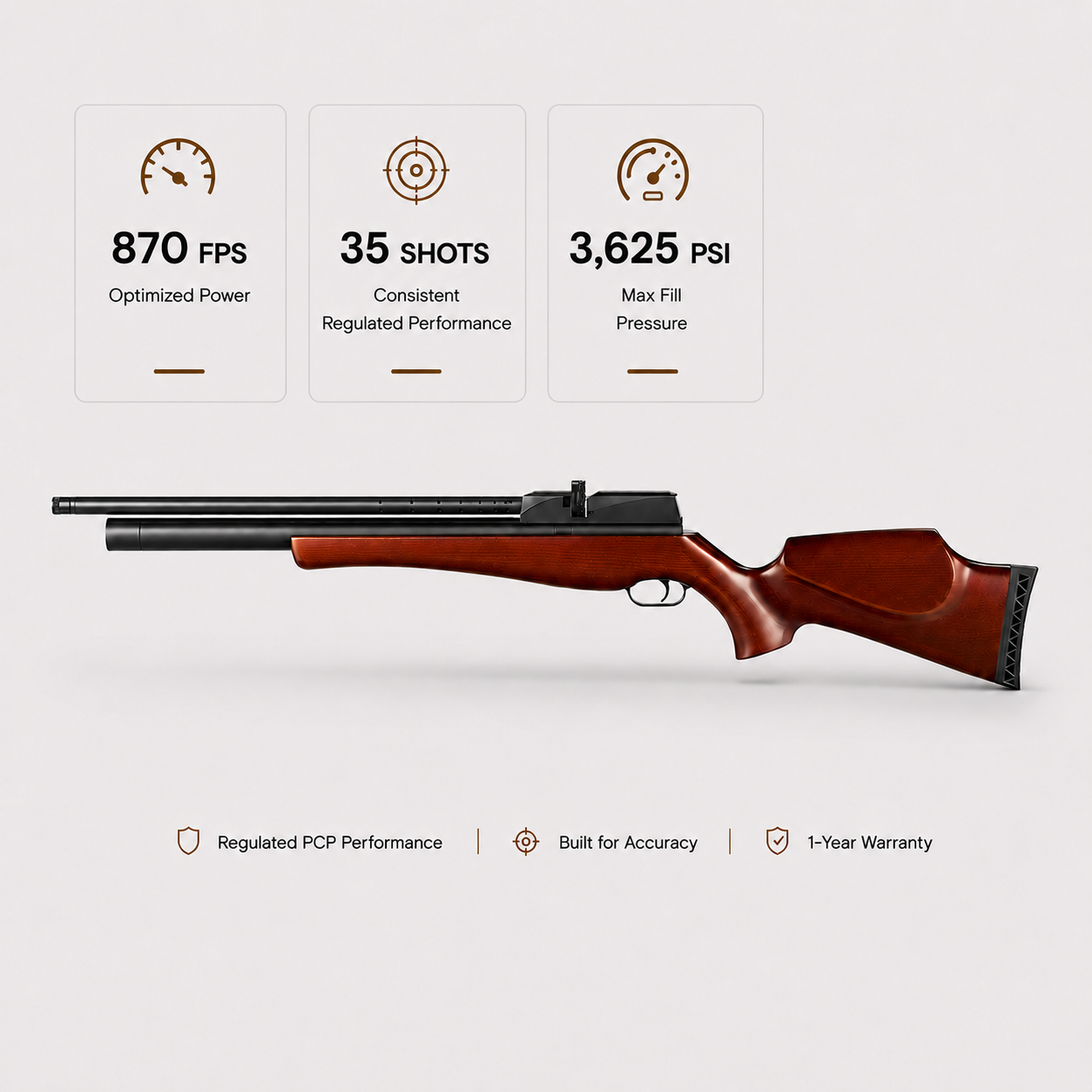
Caliber
Cylinder Size
Velocity
Max. Fill Pressure
Weight
Barrel Length
Pinty Vanguard | First Impressions & Shooting Test
Pinty P-Force Timber .22cal PCP Air Rifle Unboxing/Review
Compare Air Models
Caliber
.22 (5.5mm)
Caliber
.22 (5.5mm)
.25 (6.35mm)
Caliber
.177 (4.5mm)
.22 (5.5mm)
Velocity
900 fps (18.13gr pellets)
Velocity
920 fps (.22, 18.13gr pellets)
860 fps (.25, 25.39gr pellets)
Velocity
900 fps (.177, 8.18gr pellets)
800 fps (.22, 18.13gr pellets)
Cylinder Size
350 cc
Cylinder Size
310 cc
Cylinder Size
100 cc
Regulated Shots
75
Regulated Shots
45 (.22)
35 (.25)
Regulated Shots
25 (.177)
20 (.22)
Shots per Fill
120
Shots per Fill
70 (.22)
60 (.25)
Shots per Fill
40 (.177)
30 (.22)
Function
Single-shot
Function
Repeater
Function
Repeater
When It Matters, We’re There.
Responsive Customer Support
Get fast, reliable assistance whenever you need help.
Warranty Protection Coverage
Every product is backed by a clear warranty policy.
Hassle-Free Replacement
Simple and straightforward solutions when issues arise.


Blog Posts
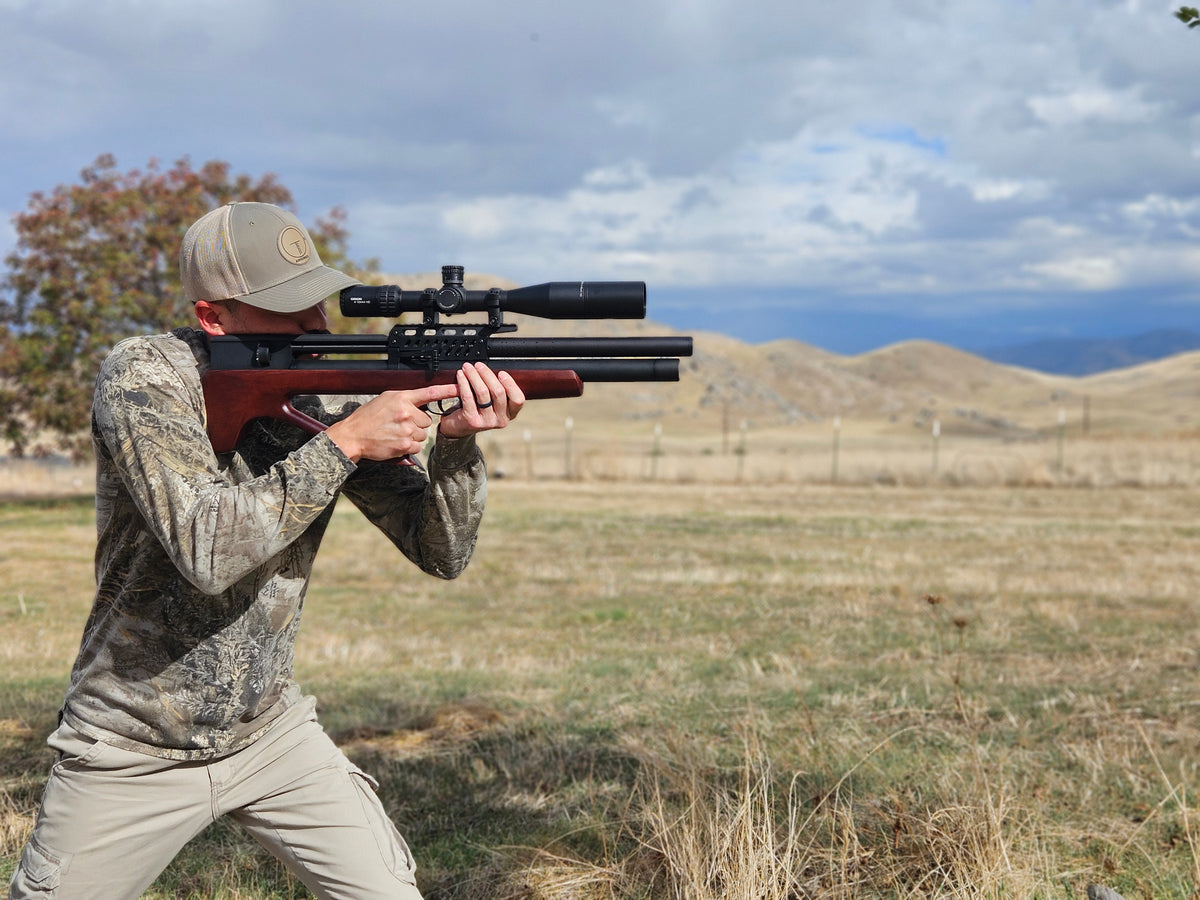
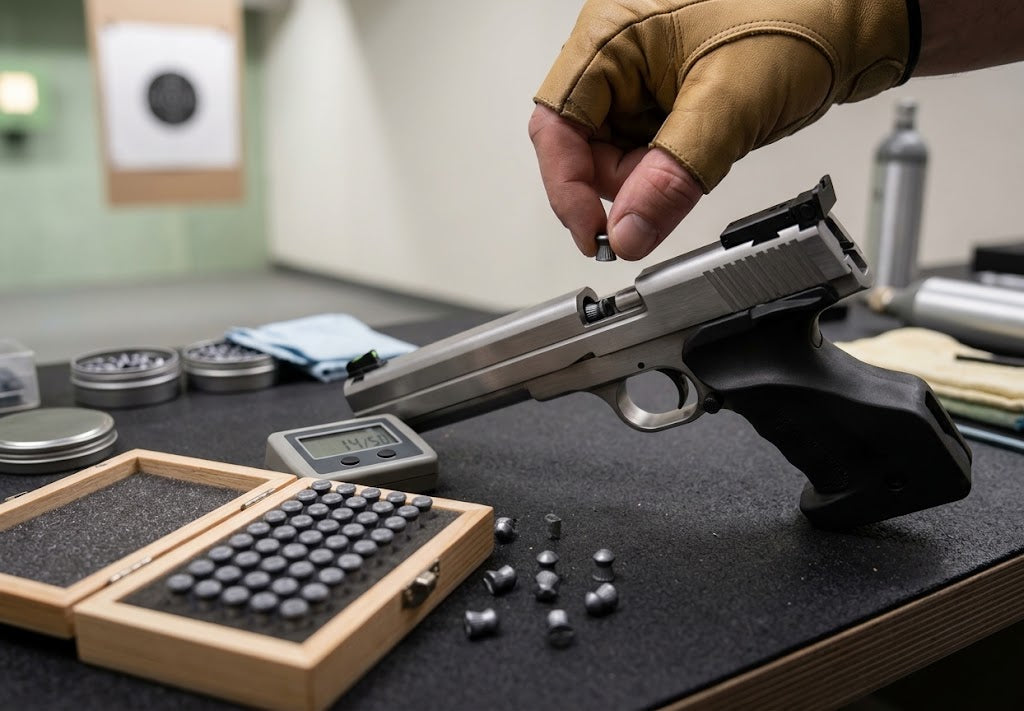
How to Choose the Right PCP Air Rifle
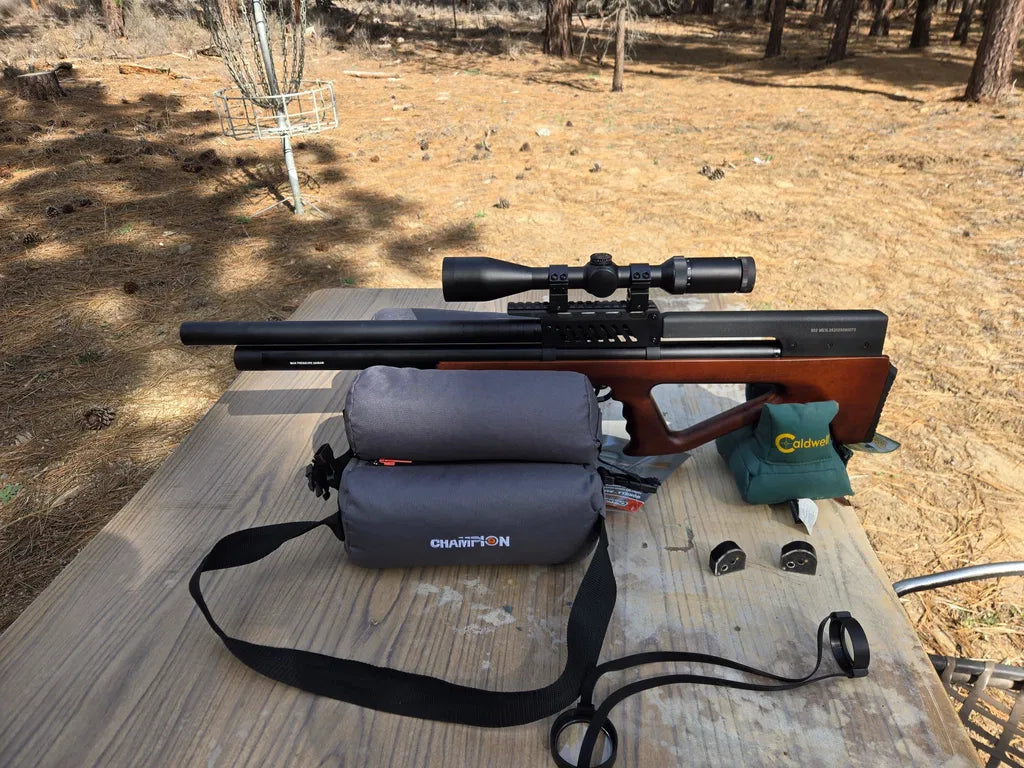
Choosing the right PCP air rifle requires balancing power, accuracy, caliber, air efficiency, handling, and budget. Unlike spring-piston air rifles, PCP rifles use compressed air stored in a high-pressure reservoir to power each shot, providing smooth, low-recoil performance and consistent shot-to-shot results.
The best PCP air rifle depends on how you plan to use it. Target shooting, recreational shooting, pest control, and hunting can require different combinations of caliber, power, air capacity, and rifle configuration. Before choosing a specific model, consider these key factors.
1. Choose the Right Caliber for Your Purpose
The caliber of a PCP air rifle affects projectile weight, trajectory, muzzle energy, and air consumption. Common PCP calibers range from .177 to .25, while big-bore models are available for applications requiring substantially greater projectile weight and energy.
- .177 Caliber (900–1,100 FPS | 12–20 FPE)
Primary Use: Target practice and paper plinking
Key Characteristics: Extremely flat trajectory, affordable pellets, and relatively low air consumption per shot. - .22 Caliber (800–1,000 FPS | 25–45 FPE)
Primary Use: Small-game hunting and pest control
Key Characteristics: A versatile all-around choice that balances velocity, projectile weight, and downrange energy. - .25 Caliber (750–950 FPS | 45–70+ FPE)
Primary Use: Medium pest control and other applications requiring additional projectile energy
Key Characteristics: Heavier projectiles and greater retained energy at extended ranges, with increased resistance to wind compared with lighter pellets. - Big Bore .30–.50+ (700–900 FPS | 100–500+ FPE)
Primary Use: Large-game hunting where legally permitted
Key Characteristics: Substantially greater projectile weight and energy, with higher air consumption and fewer shots per fill.
Caliber should be selected according to your intended use, local regulations, projectile availability, and the specifications of the PCP rifle. More power is not automatically better if it comes at the expense of efficiency, handling, or the type of shooting you plan to do.
2. Compare Velocity (FPS), Muzzle Energy (FPE), and Accuracy
When comparing PCP air rifles, many beginners focus on Feet Per Second (FPS), but velocity alone does not determine real-world performance. Muzzle energy, projectile weight, and shot-to-shot consistency are also important.
Lightweight pellets can produce very high FPS readings, but pushing some projectiles toward or beyond the speed of sound can introduce transonic effects that may negatively affect stability and accuracy. For precision-oriented shooting, a consistent velocity matched to the appropriate projectile is generally more useful than simply choosing the highest advertised FPS.
Heavier pellets and slugs typically produce lower FPS than lightweight pellets but can retain more energy at longer distances. Their greater mass can also make them less susceptible to crosswind effects.
When evaluating a PCP rifle, compare its advertised FPS and FPE with the projectile type used to achieve those figures. A balanced combination of velocity, energy, and consistency is a better indicator of practical performance than maximum FPS alone.
3. Choose Between Regulated and Unregulated PCP Systems
A PCP rifle's air-management system directly affects how consistently it delivers air to the firing valve.
Regulated PCP rifles use an internal regulator to reduce reservoir pressure to a more consistent operating pressure before air reaches the firing valve. This helps maintain more consistent velocity across the usable portion of the fill and is particularly valuable for precision shooting.
Unregulated PCP rifles draw air directly from the main reservoir. As reservoir pressure changes, the velocity can follow a characteristic curve—typically lower when the reservoir is extremely full, increasing toward the rifle's preferred operating pressure, and then decreasing as pressure falls.
Regulated systems can provide a more consistent shot cycle, while unregulated designs can offer a simpler configuration. When comparing PCP rifles, consider the manufacturer's specifications, expected shot consistency, and intended use rather than assuming that one system is universally better.
4. Check Air Tank Capacity and Shot Count
The size and pressure rating of a PCP air rifle's onboard reservoir determine how much compressed air it can store, while the rifle's efficiency determines how many usable shots you can get from that air.
Typical reservoir configurations include:
- Compact Reservoirs (100cc–200cc): Lightweight and easy to carry, typically providing around 20–40 shots per fill depending on the rifle's caliber, power, regulator settings, and operating pressure.
- Large Bottle Reservoirs (300cc–500cc+): Often designed to increase air capacity while controlling overall weight. Depending on the rifle configuration, these reservoirs can provide approximately 60–120+ shots per fill.
Shot count is affected by more than reservoir volume. Caliber, operating pressure, regulator settings, valve design, projectile weight, and power level all influence air consumption.
When comparing PCP rifles, look at the reservoir capacity, maximum fill pressure, advertised shot count, and overall rifle weight together. A larger reservoir is useful only if it provides a practical advantage for your typical shooting session.
5. Plan Your High-Pressure Air (HPA) Source
Unlike spring-piston or CO₂ air rifles, PCP models require a dedicated high-pressure air source. PCP airguns commonly operate in the 2,000–4,500 PSI range, so your filling equipment should be selected according to the specific pressure requirements of the rifle.
Three common filling options are:
- High-Pressure Hand Pumps:
Three- or four-stage hand pumps are affordable and portable and do not require electricity. However, manually filling a reservoir to around 3,000 PSI requires considerable physical effort. - 12V/110V PCP Compressors:
Portable PCP compressors are a convenient option for many modern airgun setups. Depending on the compressor and rifle reservoir, they can refill a PCP rifle in minutes. Always confirm that the compressor is rated for the required pressure. - Carbon Fiber or SCUBA Tanks:
A suitable high-pressure tank can provide rapid refills through a compatible fill station or fill whip. Tank availability, maximum pressure, and local refill services should be considered before choosing this option.
Standard bicycle pumps and ordinary shop or automotive tire compressors cannot reach the high pressures required by PCP air rifles. The cost and practicality of your air source should therefore be included when calculating the total cost of a PCP air rifle setup.
6. Choose the Right Rifle Configuration
Rifle configuration affects overall length, balance, portability, and shooting comfort.
Bullpup PCP rifles position the action and magazine behind the trigger, allowing a shorter overall rifle length while maintaining a useful barrel length. This compact layout can be advantageous when maneuverability and portability are priorities.
Traditional rifle configurations use a conventional stock and action layout. They provide familiar ergonomics and can offer a stable platform for bench shooting, bipods, or other supported shooting positions.
When comparing configurations, consider total length, weight, stock design, balance, and how comfortable the rifle is to shoulder and control. Remember that adding a scope, mount, bipod, or other accessories will increase the final weight of the complete setup.
7. Choose the Right Optic and Accessories
A good optic can be an important part of a complete PCP air rifle setup. The right choice depends on your shooting distance, target type, lighting conditions, and preferred aiming method.
When choosing a PCP air rifle scope, consider:
- Magnification range
- Objective lens size
- Reticle design
- Eye relief
- Mounting system
- Overall weight
- Compatibility with the rifle's rail
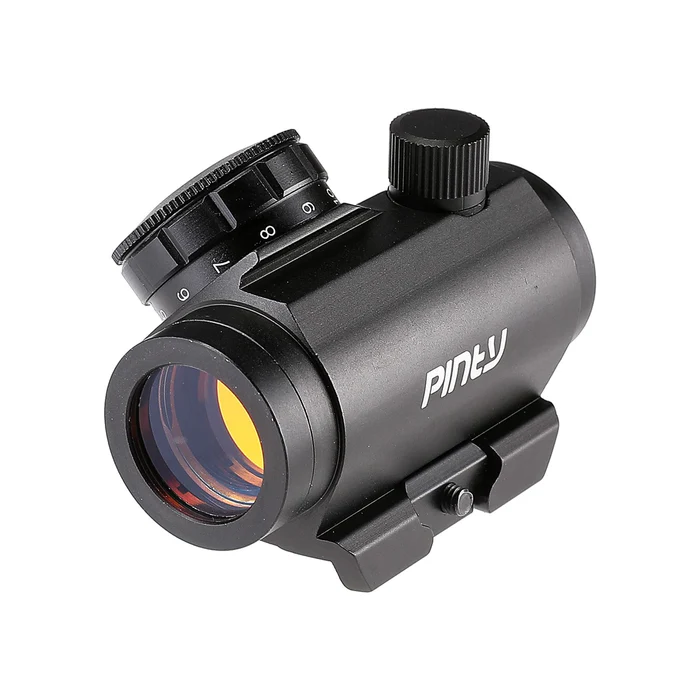
A traditional rifle scope provides magnification for applications where a more detailed sight picture is useful. A red dot sight can be a practical alternative when fast target acquisition and a simple sight picture are priorities.
Make sure the optic and mounts are compatible with the PCP rifle's rail system and intended use. A properly matched Pinty scope can be part of a complete PCP setup when the magnification, reticle, mounting system, and overall weight match the rifle and shooting requirements.
Accessories
A PCP air rifle requires additional equipment beyond the rifle itself. Because PCP models need a suitable high-pressure air source, the total setup cost may include a pump or compressor, optic, mounts, additional magazines, and maintenance supplies.
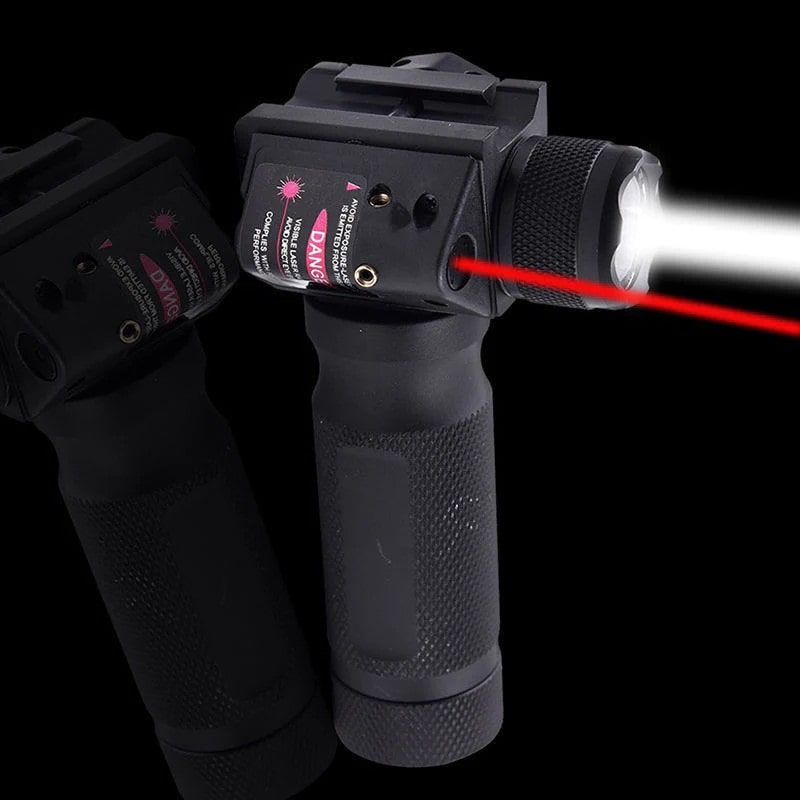
Common PCP air rifle accessories include:
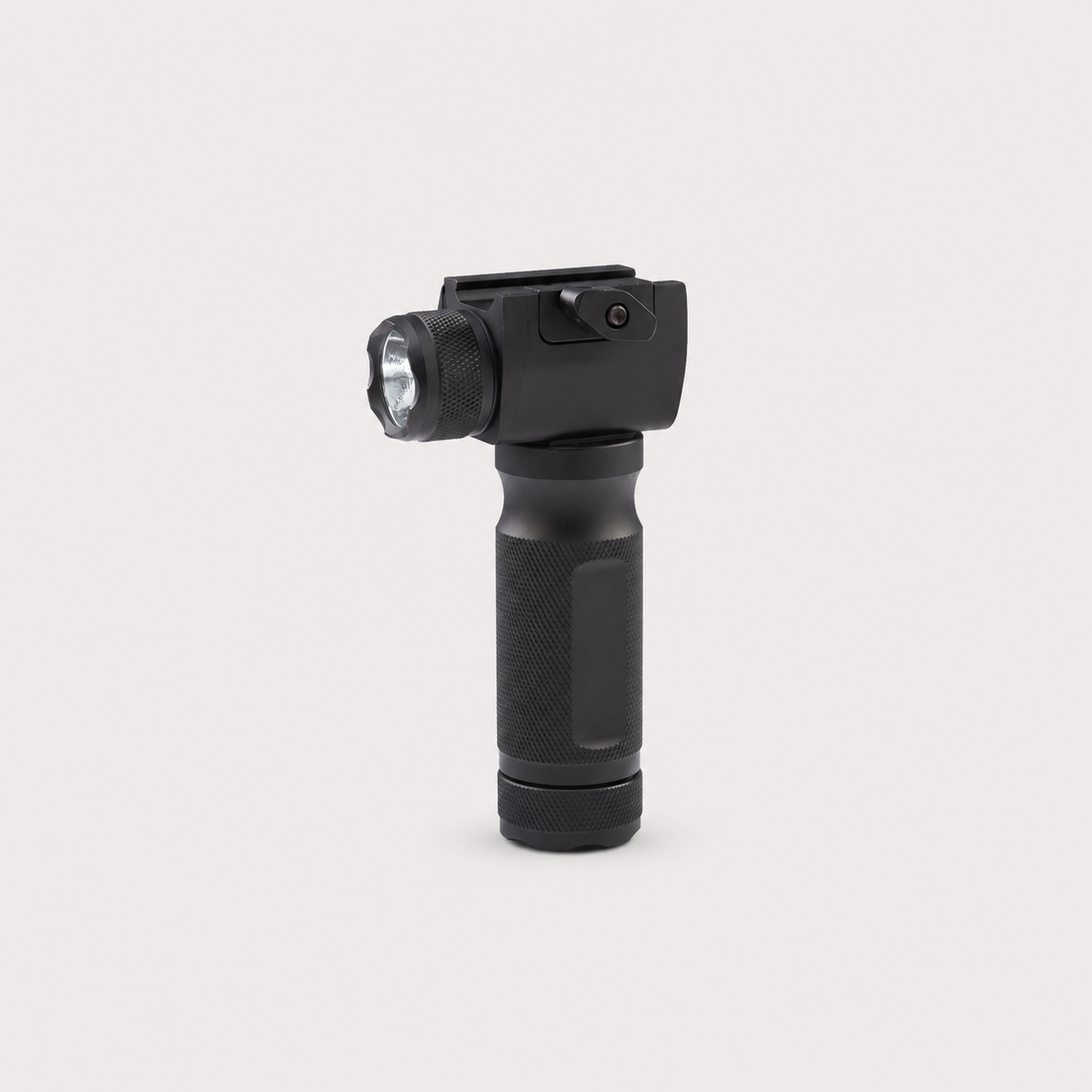
- Rifle scopes and red dot sights
- Scope mounts and rings
- PCP air pumps and compressors
- Additional magazines
- Fill fittings and high-pressure equipment
- Cleaning and maintenance supplies
You can explore Pinty's airgun accessories and rifle scopes when building a complete PCP setup.
Before purchasing accessories, check the rifle's specifications, mounting rail, fill-pressure requirements, and compatibility with the equipment you plan to use. The best setup is not necessarily the one with the highest-powered components, but the one in which the rifle, optic, air source, and accessories work together for your intended use.
FAQs
What Does PCP Mean in Air Rifles?
PCP stands for Pre-Charged Pneumatic. A PCP air rifle stores compressed air in a high-pressure reservoir before shooting. When the trigger is pulled, a valve releases a controlled amount of stored air to propel the pellet through the barrel.
Unlike spring-piston air rifles, PCP models use stored compressed air as their power source and can fire multiple shots before the reservoir needs to be refilled.
How Do PCP Air Rifles Work?
A PCP air rifle stores compressed air in a high-pressure reservoir that is filled before use with a compatible hand pump, compressor, or external air tank.
When the trigger is pulled, the firing valve releases a measured burst of stored air behind the pellet. The rifle's valve, regulator, operating pressure, barrel, and projectile all contribute to its final velocity and shot consistency.
What's Better, CO₂ or PCP: An Air Rifle Comparison?
Neither system is universally better. The right choice depends on your shooting requirements and setup preferences.
PCP air rifles generally provide consistent performance and can deliver multiple shots from a refillable high-pressure reservoir. However, they require dedicated filling equipment such as a hand pump, PCP compressor, or high-pressure air tank.
CO₂ air rifles are generally simpler to operate because they use CO₂ cartridges or cylinders rather than a high-pressure air-filling system. However, CO₂ performance can be affected by temperature and available gas capacity.
If consistent performance and a rechargeable high-pressure air system are priorities, a PCP air rifle may be the better choice.
How Do I Fill a PCP Air Rifle, and What Equipment Do I Need?
A PCP air rifle must be filled with a suitable high-pressure air source. The most common options are a PCP-rated compressor, a compatible high-pressure air tank, or a high-pressure hand pump.
Always follow the rifle manufacturer's specified fill pressure and use compatible fittings and equipment. Standard bicycle pumps and ordinary shop air compressors are not designed to fill PCP reservoirs to the pressures required by these rifles.
How Long Can You Leave Air in a PCP Air Rifle?
A PCP air rifle can generally be stored with air remaining in its reservoir when this is consistent with the manufacturer's storage instructions.
The rifle should maintain its pressure without significant loss during normal storage. If the pressure drops noticeably over a short period, this may indicate a leak or another maintenance issue that should be addressed before continued use.
For long-term storage, follow the specific pressure and maintenance recommendations provided by the rifle manufacturer.
Can You Leave Air in a PCP Air Rifle When Storing It?
In general, a PCP reservoir does not need to be completely emptied for normal storage unless the manufacturer specifically recommends doing so.
Before storage, make sure the rifle is unloaded and stored securely, and maintain the reservoir pressure according to the manufacturer's instructions. If the rifle does not hold pressure, follow the manufacturer's troubleshooting or service guidance rather than repeatedly refilling a leaking system.
Do Pinty PCP Air Rifles Feature a Built-In Regulator?
Yes. Pinty PCP air rifles feature an internally regulated air system designed to help maintain consistent pressure during the usable portion of the fill cycle.
The regulator is part of the rifle's air-management system and helps support consistent shot-to-shot performance as reservoir pressure changes. For specific regulator settings and operating specifications, refer to the product details for the individual Pinty PCP air rifle.
Do I Need a License to Buy a PCP Airgun?
In the United States, PCP airguns are generally not subject to the same federal purchase and licensing requirements as firearms. However, state and local laws can vary, including regulations concerning ownership, use, transportation, caliber, and where airguns may be used.
Before purchasing or using a PCP air rifle, check the current laws and regulations that apply to your location. Customers are responsible for confirming that the product can legally be purchased, received, possessed, and used in their jurisdiction.
Is It Bad to Dry Fire a PCP Air Rifle?
Dry firing a PCP air rifle is generally not recommended unless the manufacturer specifically states that the rifle is designed for dry firing.
Without a pellet providing the normal resistance of a shot, repeated dry firing may place unnecessary stress on components of the firing system. Follow the manufacturer's instructions for safe operation, testing, and maintenance rather than intentionally dry firing the rifle.