


When standard red dots smear and traditional variable scopes add unnecessary bulk, the PINTY Prism Scope steps up to deliver the ultimate balance of speed, clarity, and unconditional reliability.
Engineered around high-quality glass prism technology, our compact optics provide a fixed magnification system that adapts seamlessly to your tactical, hunting, or sporting rifle.
Whether you are running rapid close-quarters target acquisition drills or stretching your rifle's capability out to mid-range distances, PINTY prisms ensure your point of aim remains sharp, crisp, and completely unobstructed.

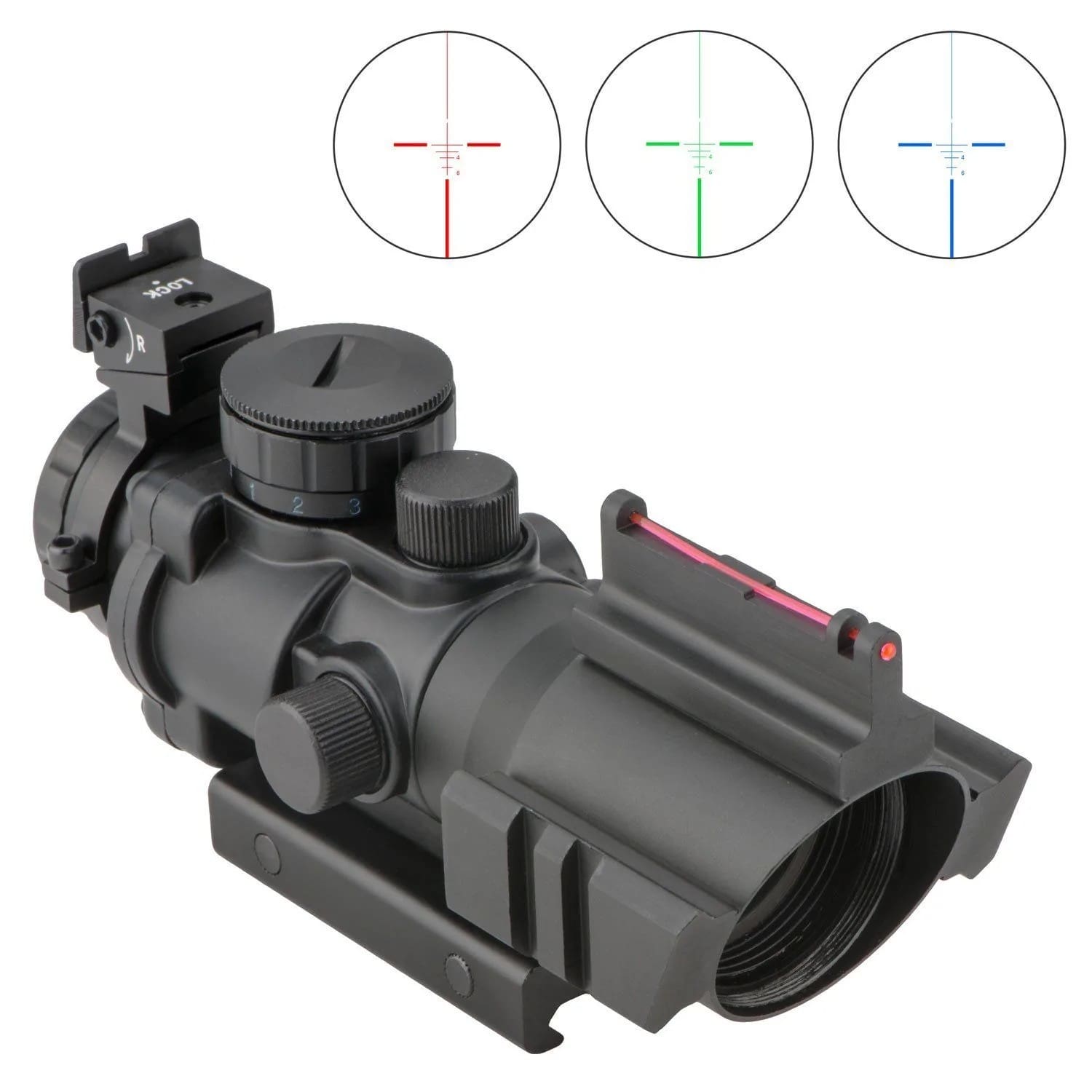
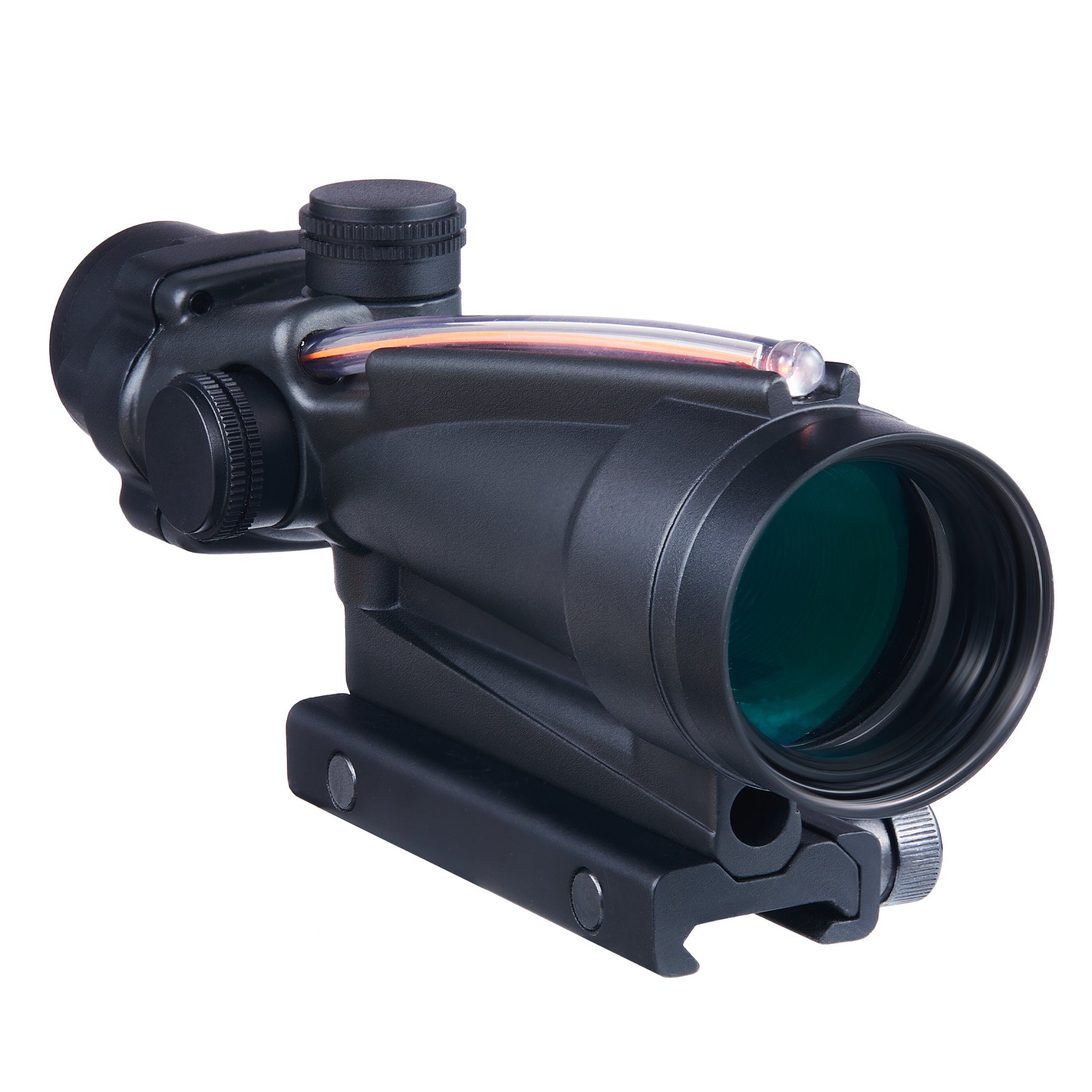
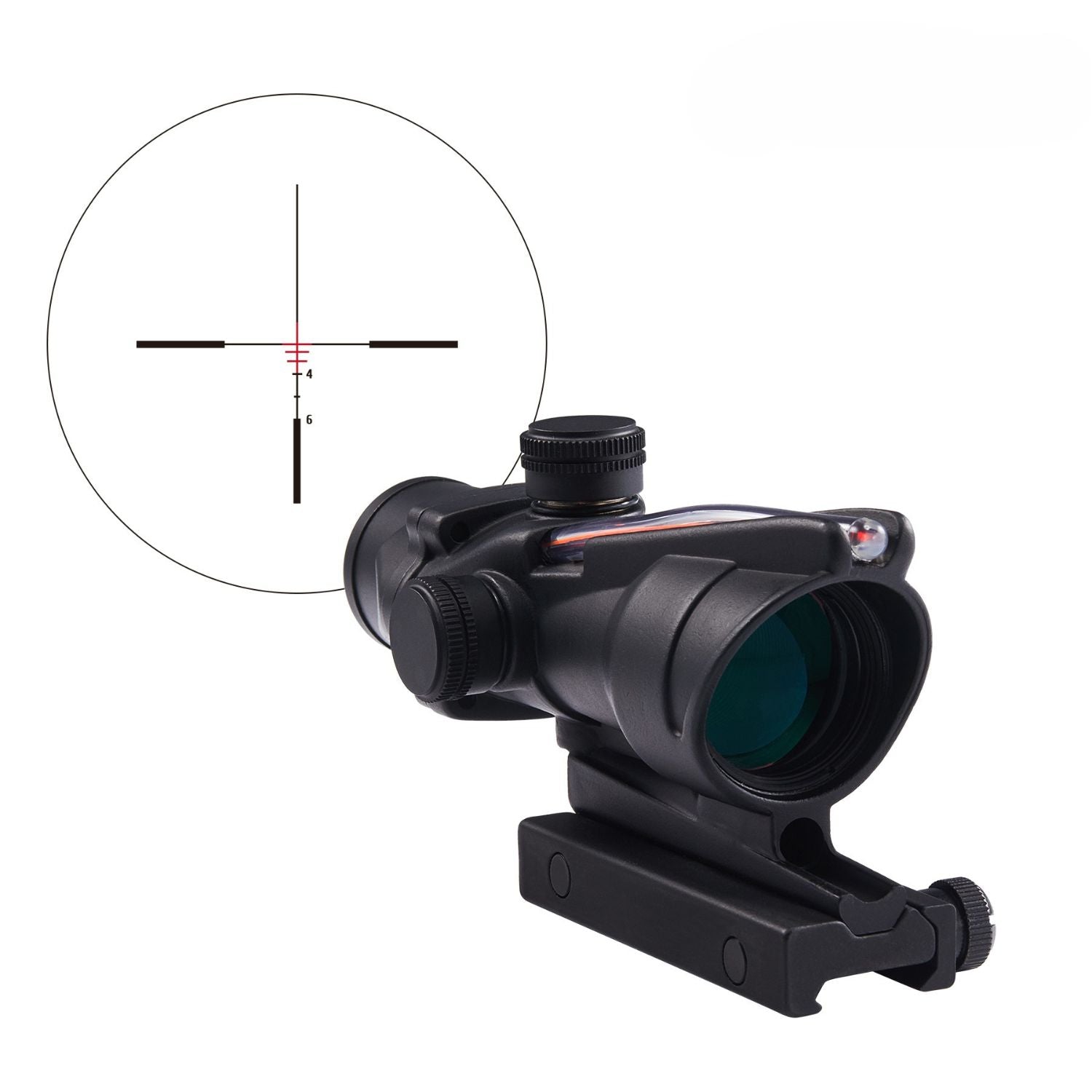
Compare Optic Models

Material
6063 Aluminum Alloy
Material
6063 Aluminum Alloy
Material
6063 Aluminum Alloy
Tube Diameter
30 mm
Tube Diameter
30 mm
Tube Diameter
34 mm
Reticle Adj. per Click
0.5 MOA
Reticle Adj. per Click
0.5 MOA
Reticle Adj. per Click
0.5 MOA
Windage Adjustment
160 MOA
Windage Adjustment
160 MOA
Windage Adjustment
160 MOA
Elevation Adjustment
160 MOA
Elevation Adjustment
160 MOA
Elevation Adjustment
160 MOA
Eye Relief
85 - 95 mm
Eye Relief
85 - 95 mm
Eye Relief
85 - 90 mm
Field of View @ 100 yd
37.5 - 5.6 m @ 100 m
Field of View @ 100 yd
37.5 - 4.4 m @ 100 m
Field of View @ 100 yd
37.5 - 2.8 m @ 100 m
Reticle Color
Red & Green
Reticle Color
Red & Green
Reticle Color
Red & Green
When It Matters, We’re There.
Responsive Customer Support
Get fast, reliable assistance whenever you need help.
Warranty Protection Coverage
Every product is backed by a clear warranty policy.
Hassle-Free Replacement
Simple and straightforward solutions when issues arise.
How We Test PINTY Prism Optics for Real-World Reliability
We don’t just build optics to look good on a spec sheet; we build them to survive the real world. Taking inspiration from the most rigorous six-month, 5,000-round field tests in the industry, we have shaped our own development and quality control processes. Here is how we at PINTY test our Prism Optics to ensure they deliver when it matters most.
Optical Performance & All-Weather Clarity
A great prism scope must deliver a sharp, bright sight picture whether the sun is blinding or fading away. We evaluate our lenses through identical tests at dawn, noon, and dusk:
We engineered our lens coatings to maximize light transmission during low-light hours (dawn and dusk) while suppressing harsh glare at high noon. We studied industry benchmarks like the bright-light performance of fiber-optics and the shocking low-light clarity of high-end competitors to ensure PINTY prisms offer a perfectly balanced, crystal-clear view at a fraction of the cost.
Hardcore Durability & Torture Testing
PINTY optics are built for the field, not the display case. To guarantee they can take a beating, we subject them to extreme physical abuse:
- The 4-Foot Concrete Drop
Each scope is dropped from a height of 4 feet directly onto concrete multiple times. If the housing cracks or the internal prisms shift, it fails.
- Thermal Shock and Submersion
Our scopes go from a -10°F freezer straight to a 120°F car dashboard in the dead of summer to ensure the chassis handles thermal expansion. We follow this up with a 30-minute complete water submersion test. While budget alternatives often suffer from internal fogging under these conditions, PINTY’s advanced nitrogen-purging process ensures a completely fog-proof, waterproof seal.
Accuracy, Tracking, and Zero Retention
A scope that cannot hold its zero is nothing more than extra weight on your rifle. We put our optics through rigorous box tests and tall target tests at 100 yards:
- Mechanical Precision
Using match-grade ammunition and a solid bench rest, we verify that every single click of the windage and elevation turrets moves the point of impact precisely where it is claimed.
- 5,000-Round Recoil Verification
Many budget options lose zero before completing a single box test. PINTY prism scopes are tested across multiple rifle platforms, enduring over 5,000 rounds of live fire to ensure that once you lock in your zero, it stays locked.
Ergonomics & Real-World Application
Bench testing only tells half the story. We take our scopes out of the lab and into the dirt to evaluate how they perform under stress:
- Glove-Friendly Tactile Controls
We designed our illumination knobs and adjustment turrets to have the perfect amount of resistance. They are distinct and easy to operate while wearing heavy shooting gloves, yet stiff enough to prevent accidental adjustments—eliminating the need for special tools in the field.
- Application-Specific Drills
We run our optics through high-intensity close-quarters drills, simulated hunts, and local matches. Real-world use reveals the flaws that a clean workbench misses, allowing us to fine-tune target acquisition speed and eye relief.
Honest Battery Life & Reticle Reliability
We believe in transparency, which is why we test our illumination runtimes by leaving them on continuously and logging the actual hours:
- Efficient Circuitry
While many manufacturers inflate their battery claims, PINTY utilizes highly efficient LED circuits to ensure your red/green illumination lasts when you need it most.
- Etched-Glass Peace of Mind
Batteries die—it’s an inevitable reality of field use. That is why PINTY prism scopes feature a glass-etched reticle that remains completely visible and usable in black, even if your battery completely drains.
Pros & Cons of Prism Scopes
Prism scopes offer a unique middle ground between traditional rifle scopes and red dot sights. Instead of relying on a reflective LED system or a multi-lens zoom assembly, they use a glass prism with an etched reticle. This design gives prism optics a distinct mix of strengths and limitations that can significantly influence your rifle setup.
The Pros of Prism Scopes
1. Crystal-Clear for Astigmatism
For shooters with astigmatism, traditional red dot sights often appear as blurred smears, starbursts, or multiple distorted points of light. Prism scopes eliminate this issue by using an etched-glass reticle, which remains sharp, crisp, and perfectly defined regardless of eye condition.
2. Functional Even with a Dead Battery
Unlike red dot or holographic sights that become unusable when the battery dies, prism scopes remain operational. The reticle is physically etched into the glass, so even without power, it remains visible as a black reticle—ensuring you are never left without a usable aiming reference.
3. Built-In Magnification in a Compact Package
Prism scopes integrate fixed magnification (commonly 1×, 3×, 4×, or 5×) into a single compact optic. This removes the need for separate magnifiers and flip-to-side mounts, offering a more streamlined and space-efficient setup.
4. Advanced BDC Reticles
Because the reticle is etched onto glass, manufacturers can design highly detailed systems, including Bullet Drop Compensators (BDC), windage holds, and ranging marks. These features enable fast and intuitive holdovers at extended distances, which are not possible with a simple red dot dot.
The Cons of Prism Scopes
1. Limited Eye Relief
Unlike red dots, which offer unlimited eye relief and flexible mounting positions, prism scopes behave more like traditional optics. They require a specific eye box—typically around 2 to 3.5 inches—meaning consistent head placement is necessary to achieve a full, clear sight picture.
2. Fixed Magnification
Prism scopes are not variable. A 3× or 5× prism, for example, cannot be adjusted to 1× for close-quarters use or zoomed further for precision shooting. You are locked into a single magnification level, though some users pair them with offset red dots to increase versatility.
3. Slower Close-Quarters Acquisition (at Higher Magnification)
While 1× prism scopes are very fast, magnified versions (3× and above) require more precise eye alignment. This can slow down target acquisition in close-range engagements or when shooting from unconventional positions compared to a red dot sight.
4. Weight and Bulk Compared to Micro Red Dots
Although more compact than traditional variable-power scopes, prism scopes are still generally heavier and bulkier than micro red dot sights, which remain the lightest and most minimal optic option.
Is a Prism Scope Right for You?
Ultimately, choosing a prism scope depends on your eyesight, shooting style, and intended use.
A prism scope is an excellent choice if you have astigmatism that distorts red dots, as the etched reticle ensures a consistently sharp and reliable sight picture. It is also ideal for shooters who prioritize reliability—since the reticle remains visible even if the battery fails—and who want a compact way to achieve fixed magnification with advanced holdover capabilities without adding external magnifiers.
However, a prism scope may not be the best fit if your shooting style demands unlimited eye relief or maximum speed in close-quarters, highly dynamic scenarios. The fixed eye box requires consistent head positioning, which can be less forgiving than a red dot in fast, unconventional shooting positions. Additionally, if you need true magnification flexibility—from 1× up to 6× or 8×—a Low Power Variable Optic (LPVO) is generally the better option, offering far greater adaptability across different engagement distances.
Prism Scope VS. Red Dot: What's the Difference Between a Red Dot and a Prism Scope?
When deciding between a Prism Scope and a Red Dot Sight, you are essentially choosing between two fundamentally different optical systems. A red dot uses an LED emitter projected onto a lens, while a prism scope relies on a glass prism with a permanently etched reticle.
Visual Clarity and Astigmatism
For shooters with astigmatism, red dot sights can be frustrating. Because the reticle is a projected LED point of light, an irregular eye shape can distort it into a blur, smear, starburst, or even a cluster-like shape instead of a precise aiming point.
Prism scopes use an etched-glass reticle, meaning the reticle is physically engraved into the glass. As a result, it remains consistently sharp, crisp, and well-defined for all shooters, regardless of eye condition or astigmatism.
Reliability and Power Dependence
A red dot sight relies entirely on battery power and internal electronics. If the battery fails or the electronics malfunction, the sight becomes unusable—effectively turning into a clear window unless backup irons are available.
Prism scopes also use illumination, but the reticle itself is always visible because it is etched into the glass. If the battery dies, the reticle simply appears as a black aiming mark. This makes prism optics highly reliable in situations where power failure is a concern.
Magnification and Effective Range
Red dots are true 1× optics designed for speed and situational awareness at close range. To extend effective range beyond ~100 yards, users typically add a separate flip-to-side magnifier, which increases weight and bulk.
Prism scopes are available in 1× configurations, but they are most commonly used in fixed magnifications such as 3× or 5×. Their etched reticles can also include advanced Bullet Drop Compensator (BDC) patterns and ranging marks, making them highly efficient for mid-range shooting in a compact, all-in-one design.
Speed and Shooting Flexibility
Red dots offer infinite eye relief and no defined eye box. As long as the dot is visible, the shooter can engage targets from virtually any head position, making them exceptionally fast and forgiving in close-quarters or unconventional shooting positions.
Prism scopes behave more like traditional optics, requiring a specific eye relief (typically 2 to 3.5 inches). Proper alignment is necessary to achieve a full sight picture, which can slightly reduce speed in dynamic or close-range scenarios.
Which One Should You Choose?
Choose a Red Dot Sight if your priority is maximum speed at close range, unrestricted eye relief, and the lightest possible setup for fast target acquisition in dynamic environments.
Choose a Prism Scope if you have astigmatism, value a highly reliable optic that remains functional without power, and want a compact solution that provides fixed magnification and built-in ballistic holdovers for improved mid-range capability.
FAQs
What is a prism scope?
A prism scope is a compact riflescope that uses a glass prism system instead of a traditional multi-lens tube to focus and magnify an image. This design allows the reticle to be etched directly into the glass, resulting in a durable, highly precise aiming point. The reticle can also be illuminated via a battery or used as a sharp black reticle without power.
What is a prism scope good for?
Prism scopes are especially well-suited for shooters with astigmatism, as the etched reticle eliminates the distortion or “starburst” effect commonly seen with red dots. They are also ideal for general-purpose rifles where users want fixed magnification, integrated BDC (Bullet Drop Compensation) reticles, and reliable performance that does not depend on battery power.
Are prism scopes accurate?
Yes, prism scopes are highly accurate. Because the reticle is etched into the glass with extreme precision, there is no risk of reticle drift or shift. Combined with high-quality optics, they provide excellent clarity and consistent shot placement. When paired with a quality barrel and suitable ammunition, magnified prism scopes can deliver reliable accuracy at several hundred yards.
What is the typical cost of a prism scope?
Prism scopes typically range from around $150 to over $1,000, depending on brand, glass quality, and feature set. Budget and mid-range models ($200–$400) offer strong performance for most users, while premium options—such as military-grade optics like the Trijicon ACOG can exceed $1,000 due to advanced materials, durability, and optical clarity.
What are the disadvantages of a prism scope?
The main drawbacks of prism scopes are their fixed magnification and limited eye relief. Unlike red dots, prism scopes require a specific eye position (usually 2 to 3.5 inches) to achieve a full sight picture, which can reduce flexibility in unconventional shooting positions. Additionally, because magnification is fixed, you cannot zoom in or out to adapt to different engagement distances.
Can you use a magnifier with a prism scope?
No, prism scopes are generally not compatible with external flip-to-side magnifiers. Magnifiers are designed for red dot sights with unlimited eye relief. When combined with a prism scope, the result is typically severe distortion, poor eye alignment, and an unusable sight picture.
How does a prism scope work?
A prism scope works by directing incoming light through a prism-based optical system rather than a long sequence of lenses. This allows the optic to remain compact while still providing magnification. As light passes through the prism, it passes over the etched reticle, which is then illuminated (if enabled) before reaching the shooter’s eye.
How to mount a prism scope in EFT?
In Escape from Tarkov (EFT), mounting a prism scope (such as compact 1× or 2× models) requires a compatible Picatinny rail or optic mount. Open the weapon modding screen, ensure the correct top rail or receiver mount is installed, then drag and drop the prism scope onto the appropriate slot.
Are prism scopes good for hunting?
Yes, prism scopes are excellent for hunting, particularly for mid-range game such as deer, hogs, or varmints. Their rugged construction and etched reticle ensure functionality even in harsh conditions or if the battery fails, making them a dependable choice for backcountry and low-light environments.
What magnification is best for a prism scope?
The ideal magnification depends on your intended use:
- 1× prism: Best for close-quarters speed and home defense
- 3× prism: The most versatile “do-it-all” option for 0–300 yards
- 5× prism: Best for extended range and precision-focused shooting
Do prism scopes work well on AR-15 rifles?
Yes, prism scopes are extremely popular on AR-15 platforms. Their compact size pairs well with the rifle’s ergonomics, and many models include BDC reticles calibrated for .223 / 5.56 NATO ballistics, making holdovers to 400–500 yards straightforward and efficient.
Can you use a prism scope for close-quarters combat?
Yes, especially with a true 1× prism scope, which offers fast target acquisition similar to a red dot. However, magnified prisms (3× or 5×) require more precise eye alignment, which can slow close-range shooting. To improve versatility, some users pair a magnified prism with an offset micro red dot for rapid transitions.