


Explore the Pinty Hunting Rifle Scope Series, featuring precision-engineered optics designed for clarity, durability, and dependable performance in any shooting environment. Built with rugged, weatherproof construction and sleek tactical styling, Pinty hunting rifle scopes deliver fast, reliable target acquisition whether you are hunting, range training, or using airguns.
From close-range target acquisition to long-distance precision shooting, the Pinty Rifle Scope Series offers versatile magnification options, crystal-clear sight pictures, and exceptional value for shooters seeking peak performance without compromise.

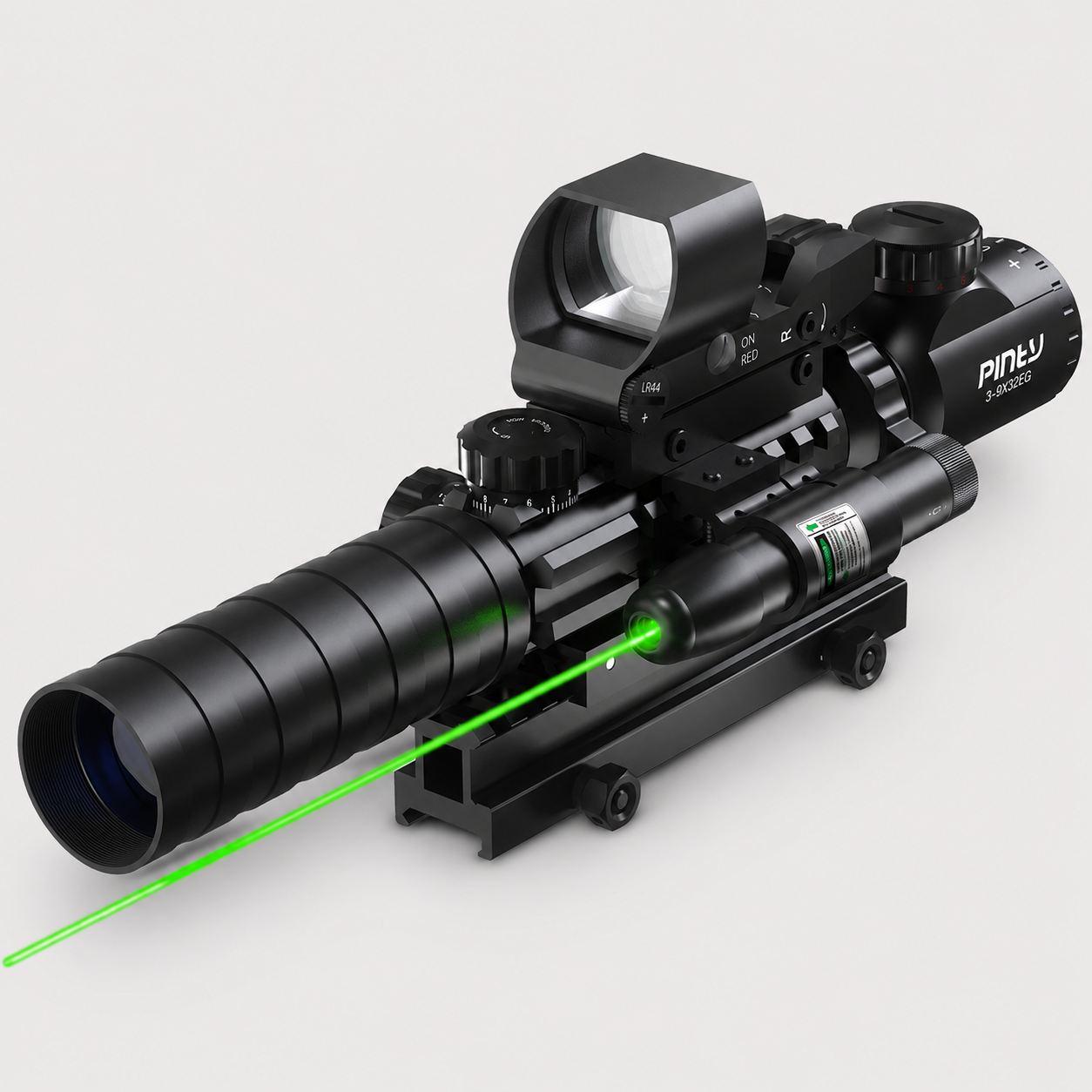
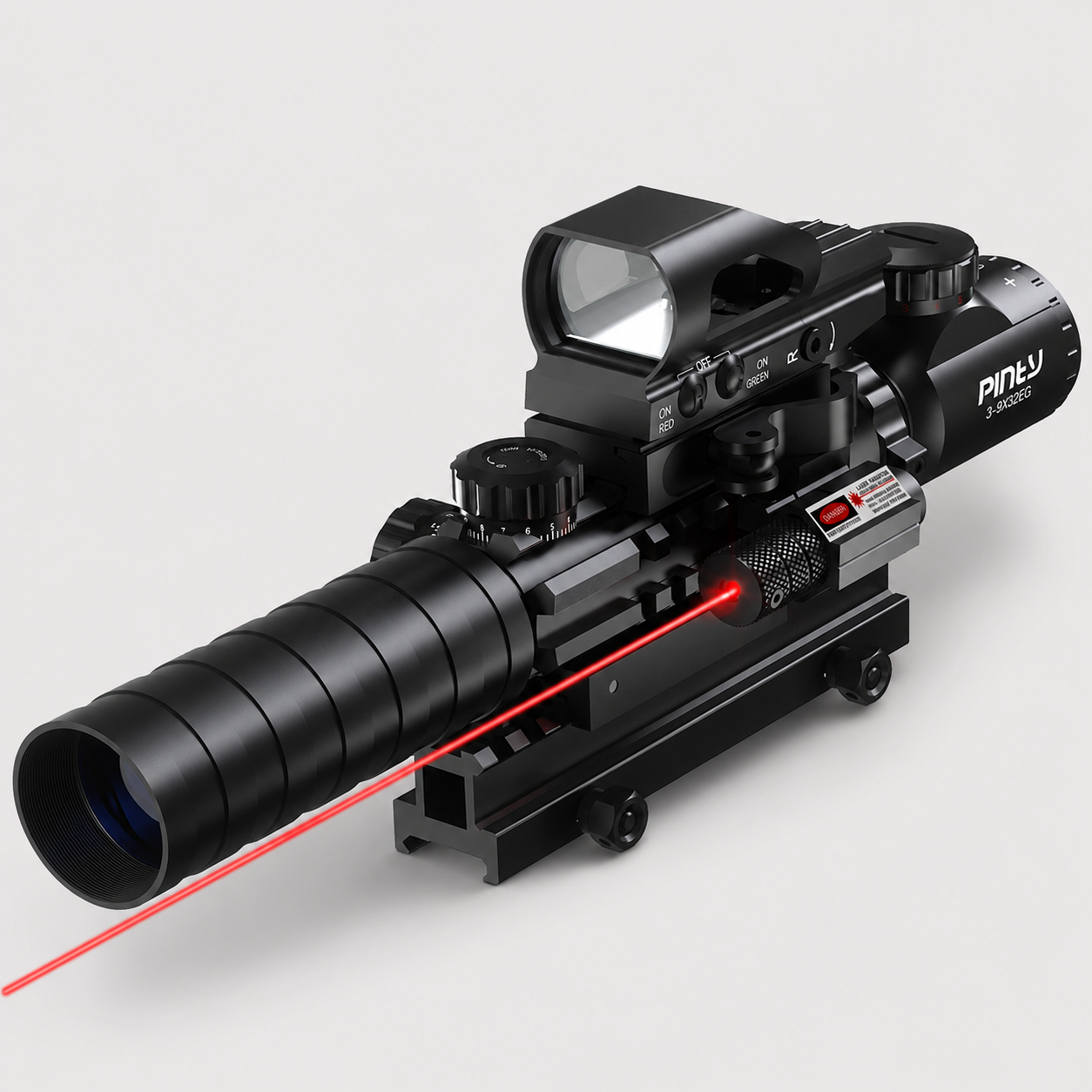
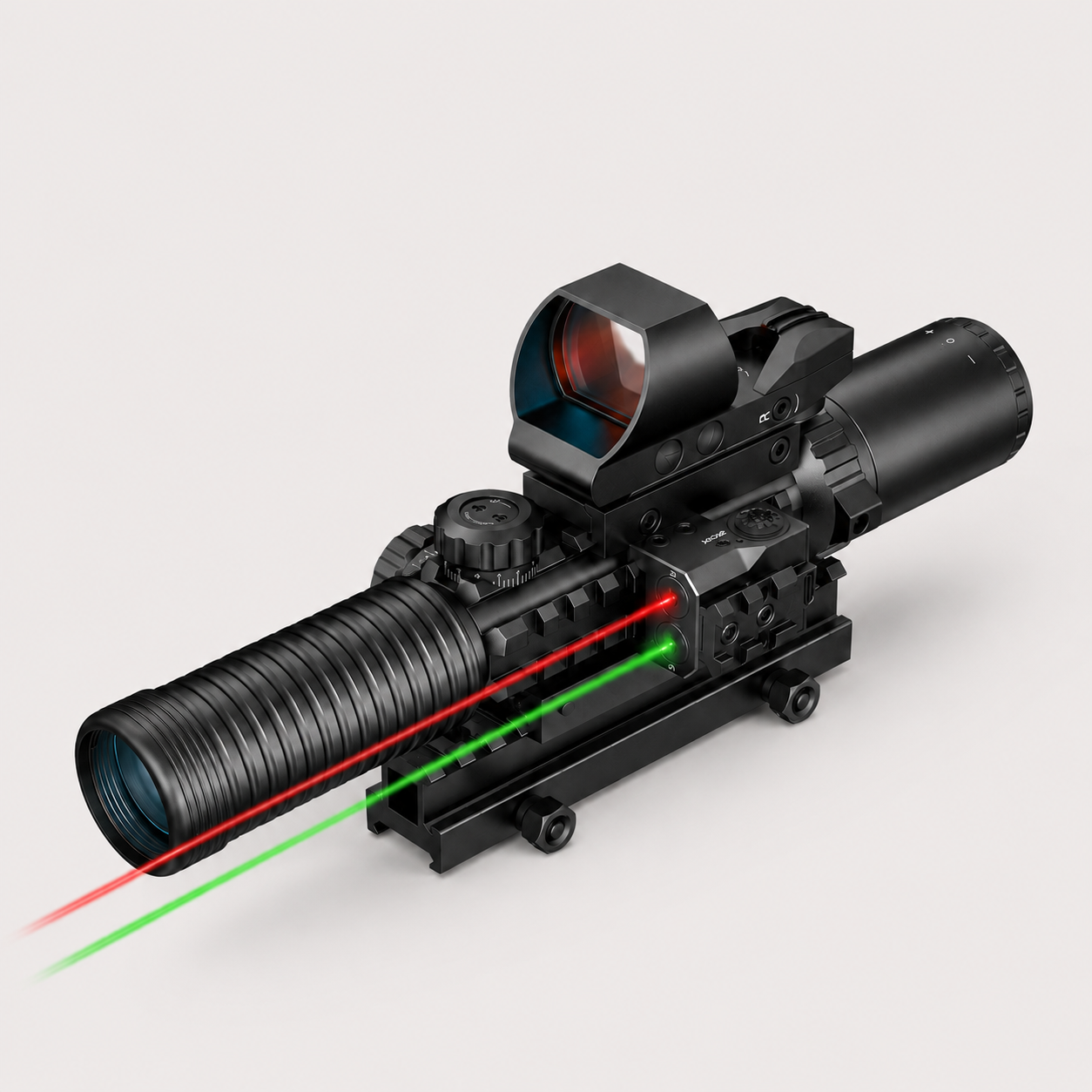
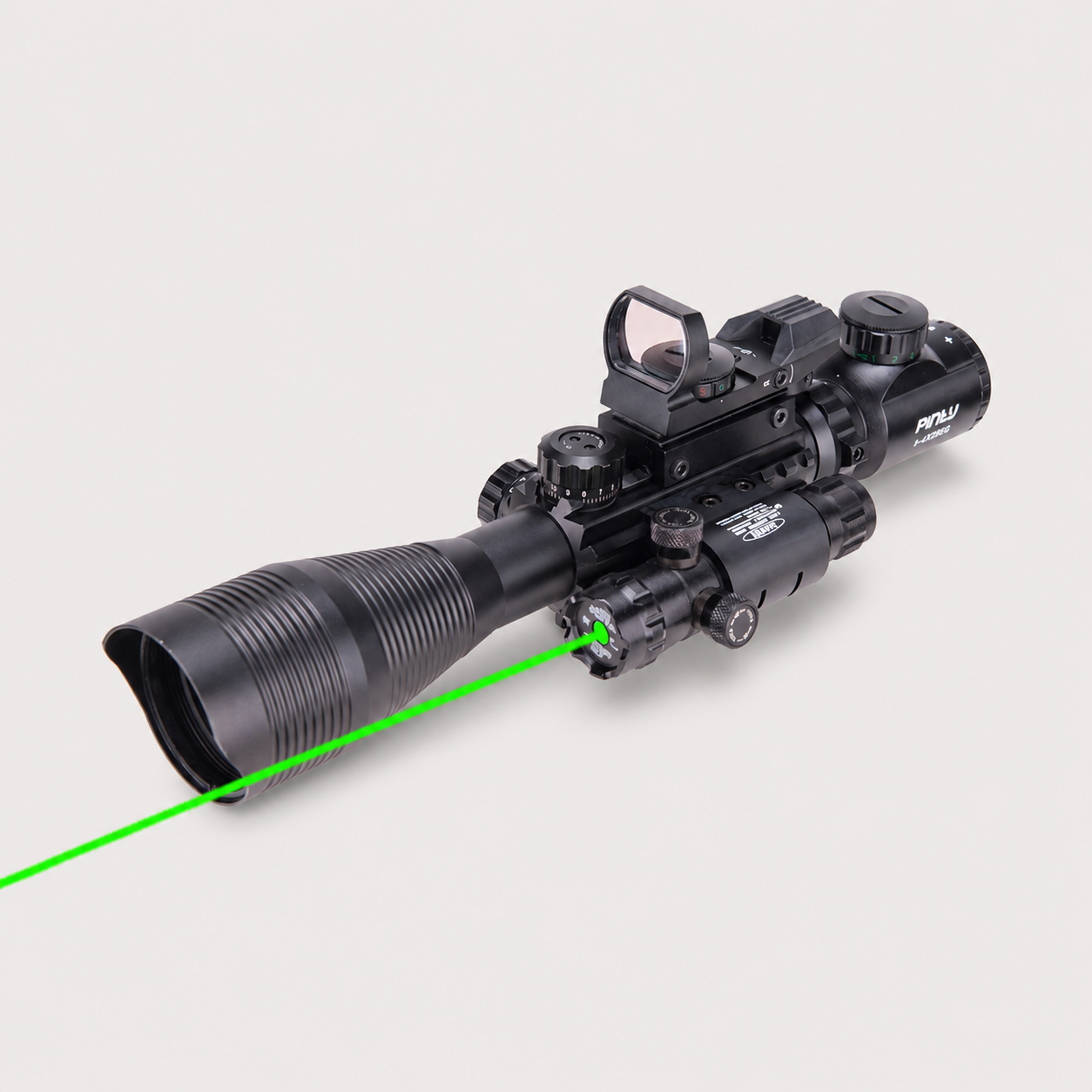
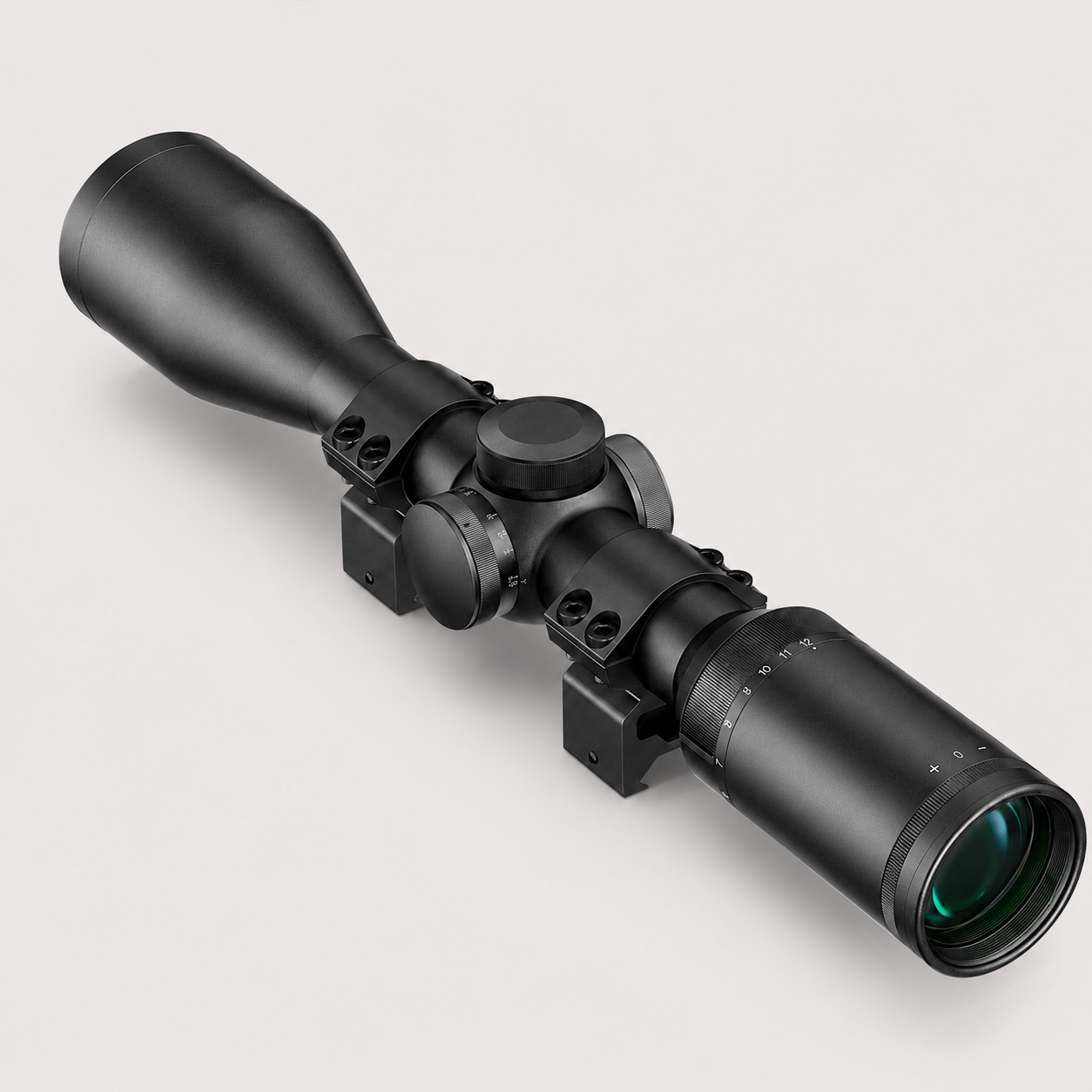
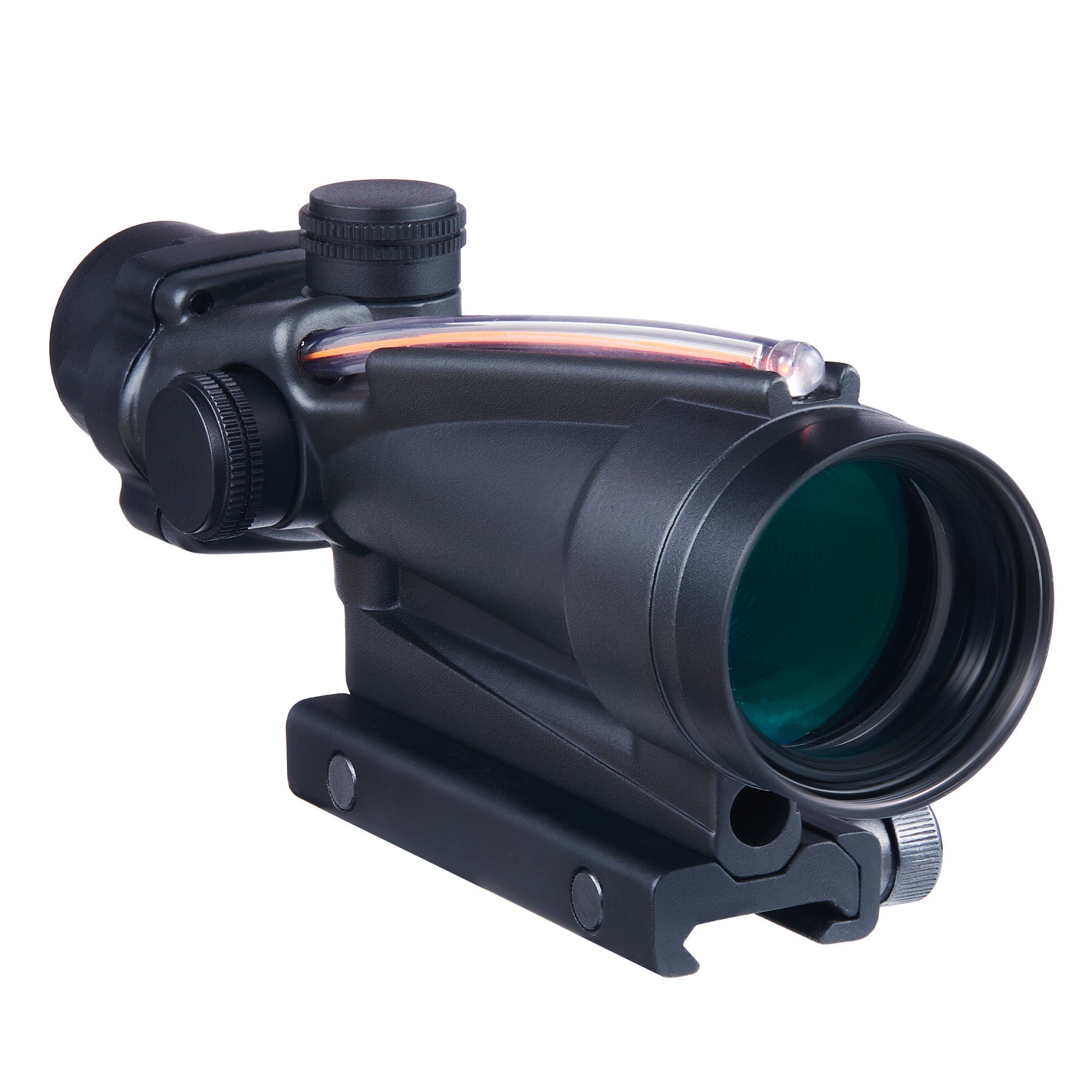
Pinty Nova 3-12x44 SFP Rifle Scope
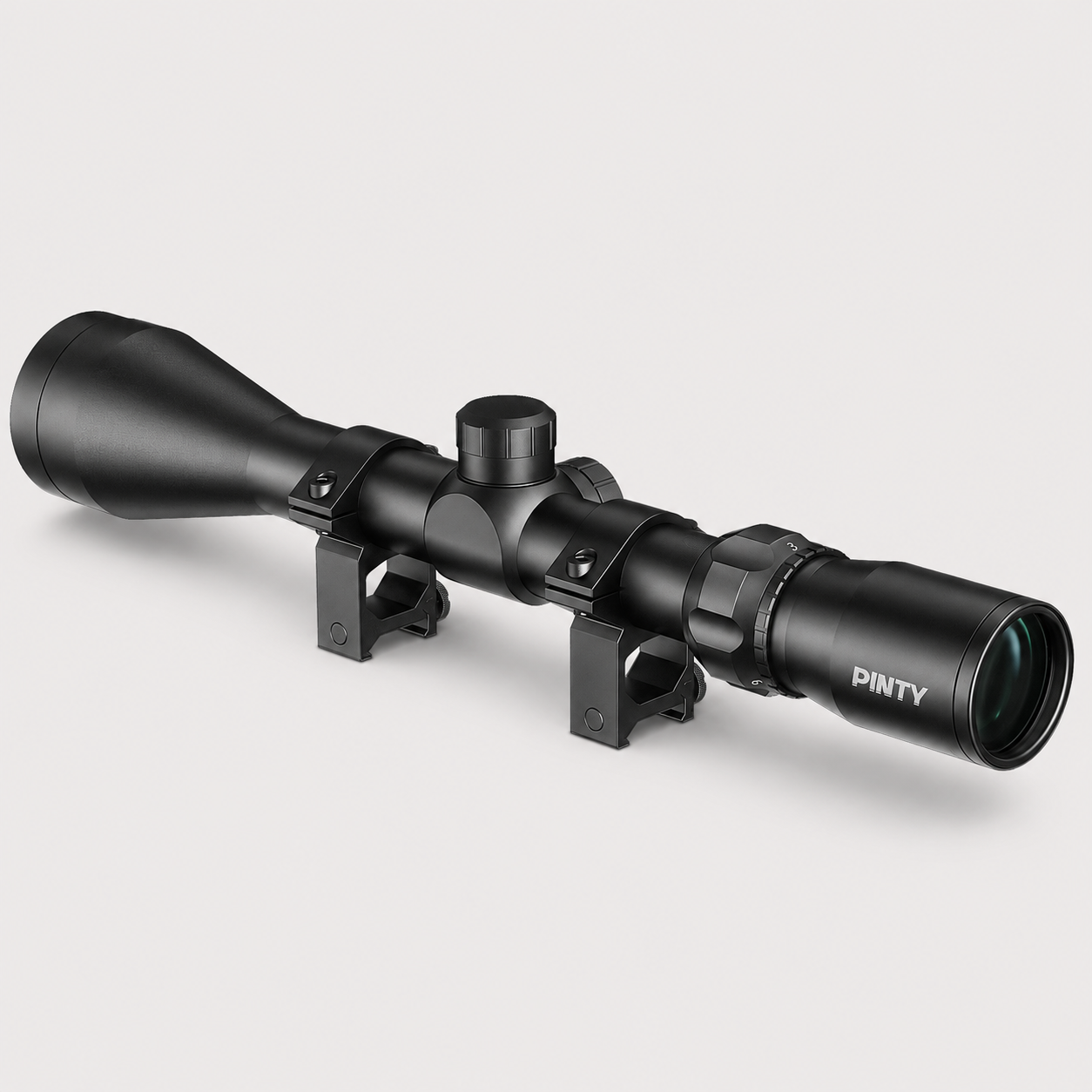
Pinty Nova 3-9x40 SFP Rifle Scope
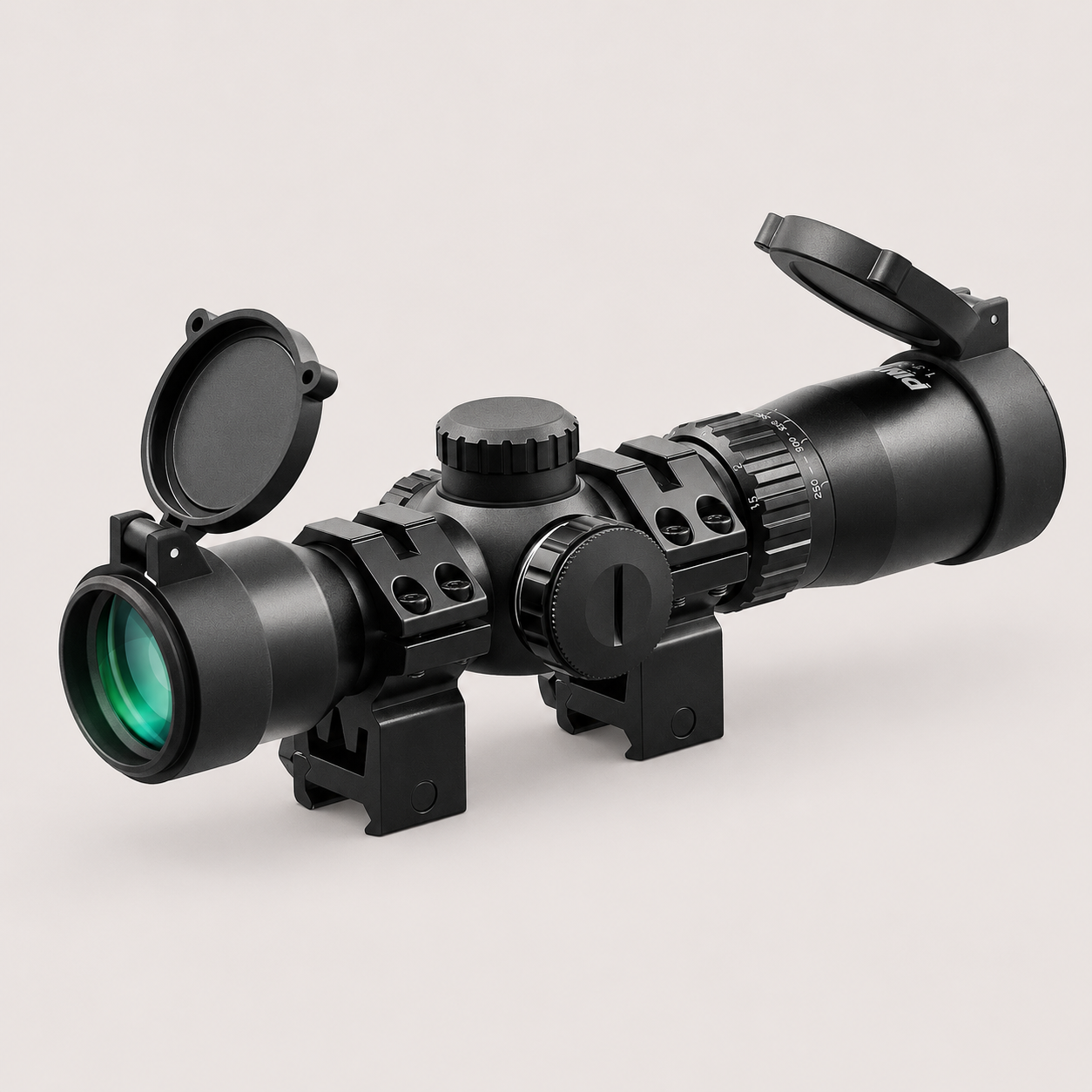
Pinty Nova 1.5-4.5x32 SFP Rifle Scope
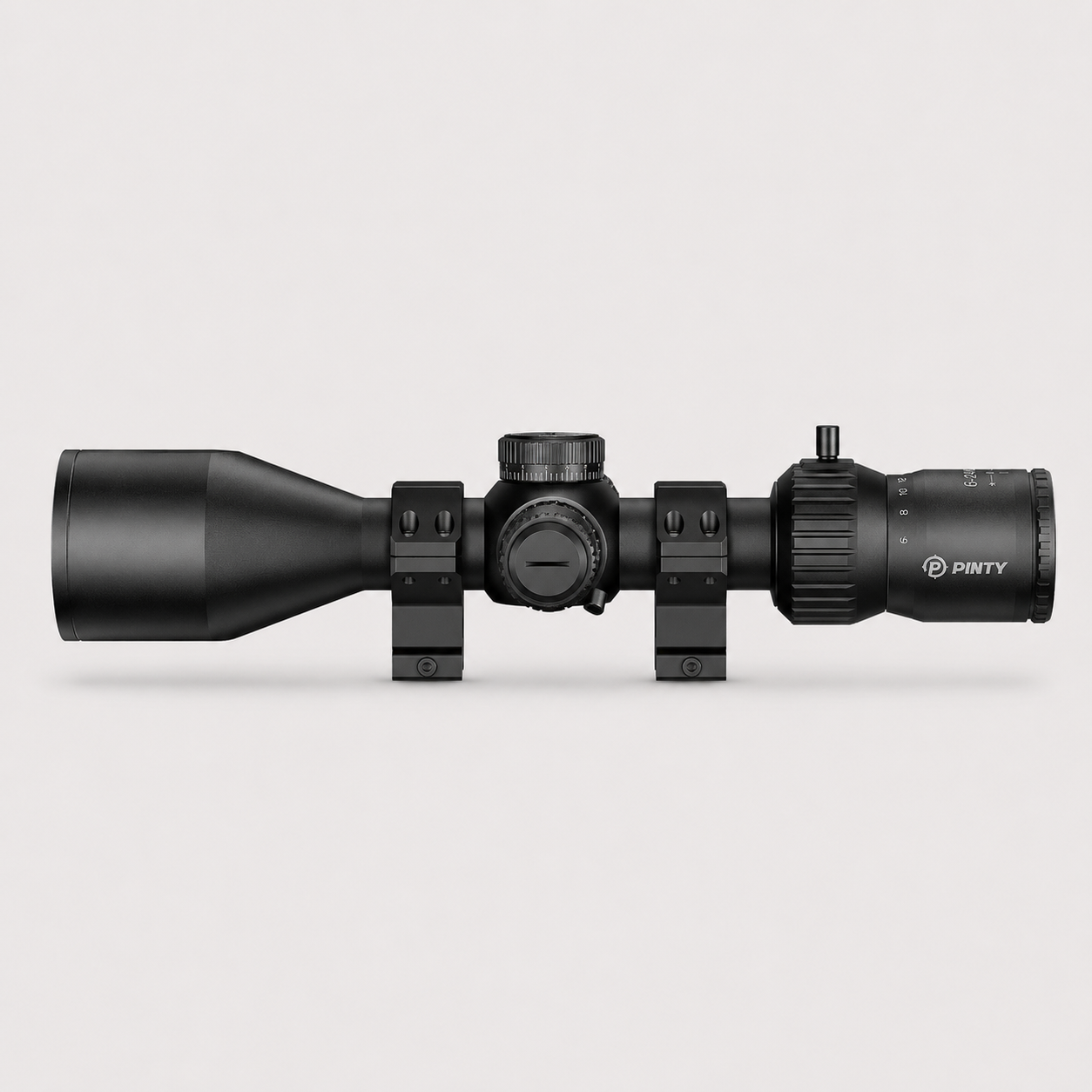
Pinty Vexa HD 6-24x50 FFP Rifle Scope
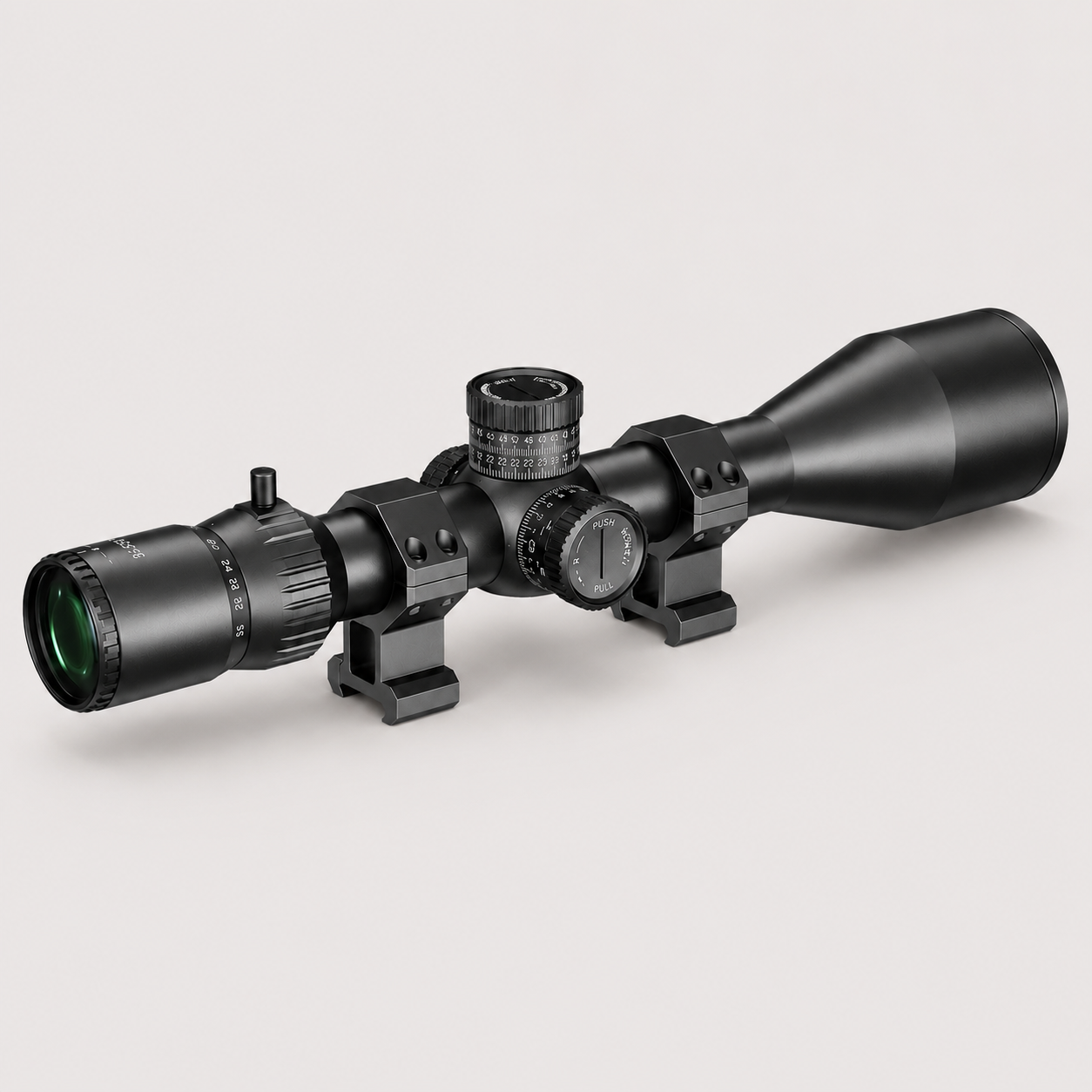
Pinty Vexa HD 7-35x56 FFP Rifle Scope
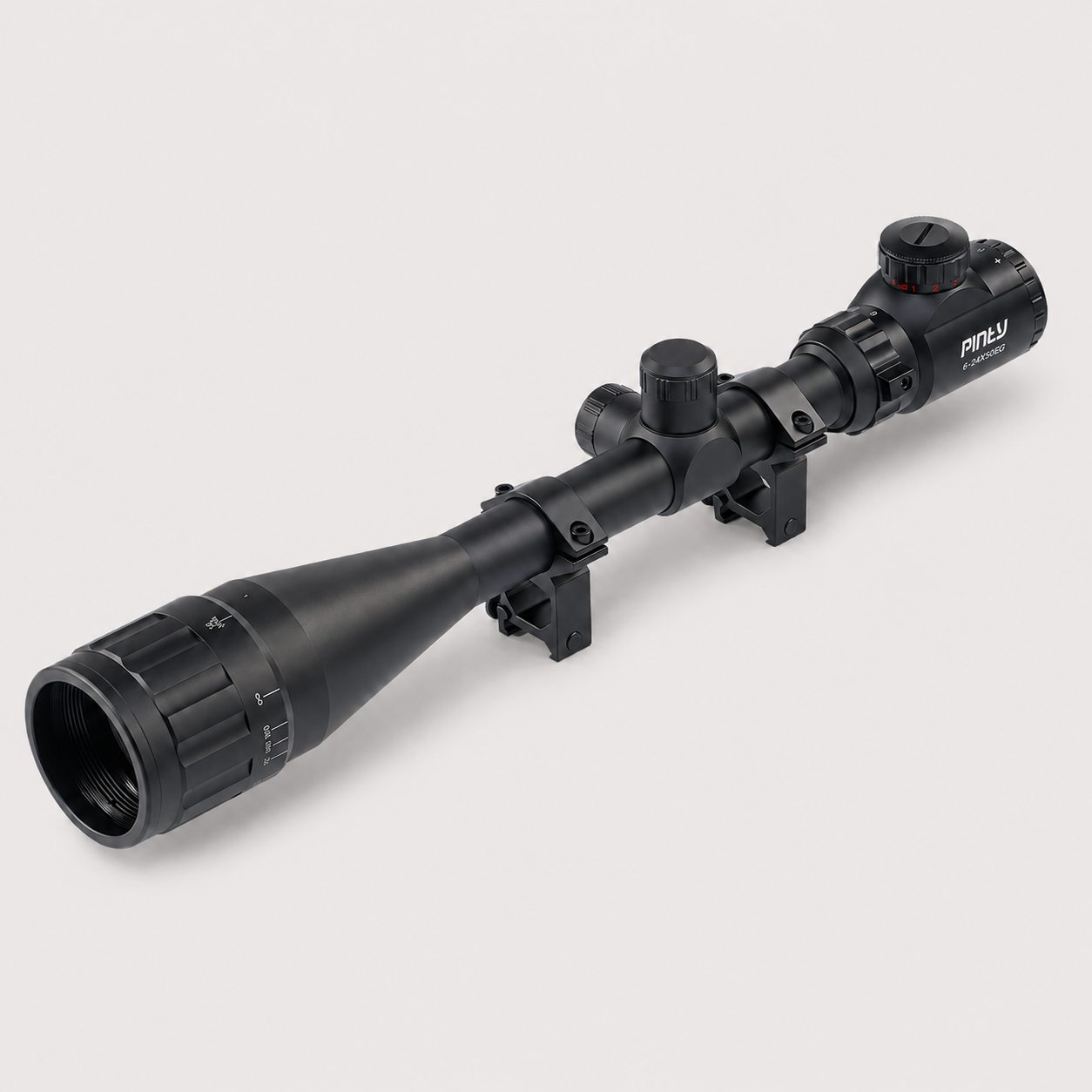
Pinty Nova 6-24x50mm SFP Rifle Scope
Compare Optic Models
Material
6063 Aluminum Alloy
Material
6063 Aluminum Alloy
Material
6063 Aluminum Alloy
Tube Diameter
30 mm
Tube Diameter
30 mm
Tube Diameter
34 mm
Reticle Adj. per Click
0.5 MOA
Reticle Adj. per Click
0.5 MOA
Reticle Adj. per Click
0.5 MOA
Windage Adjustment
160 MOA
Windage Adjustment
160 MOA
Windage Adjustment
160 MOA
Elevation Adjustment
160 MOA
Elevation Adjustment
160 MOA
Elevation Adjustment
160 MOA
Eye Relief
85 - 95 mm
Eye Relief
85 - 95 mm
Eye Relief
85 - 90 mm
Field of View @ 100 yd
37.5 - 5.6 m @ 100 m
Field of View @ 100 yd
37.5 - 4.4 m @ 100 m
Field of View @ 100 yd
37.5 - 2.8 m @ 100 m
Reticle Color
Red & Green
Reticle Color
Red & Green
Reticle Color
Red & Green


When It Matters, We’re There.
Responsive Customer Support
Get fast, reliable assistance whenever you need help.
Warranty Protection Coverage
Every product is backed by a clear warranty policy.
Hassle-Free Replacement
Simple and straightforward solutions when issues arise.
Recent Posts
How to Choose Hunting Rifle Scopes?
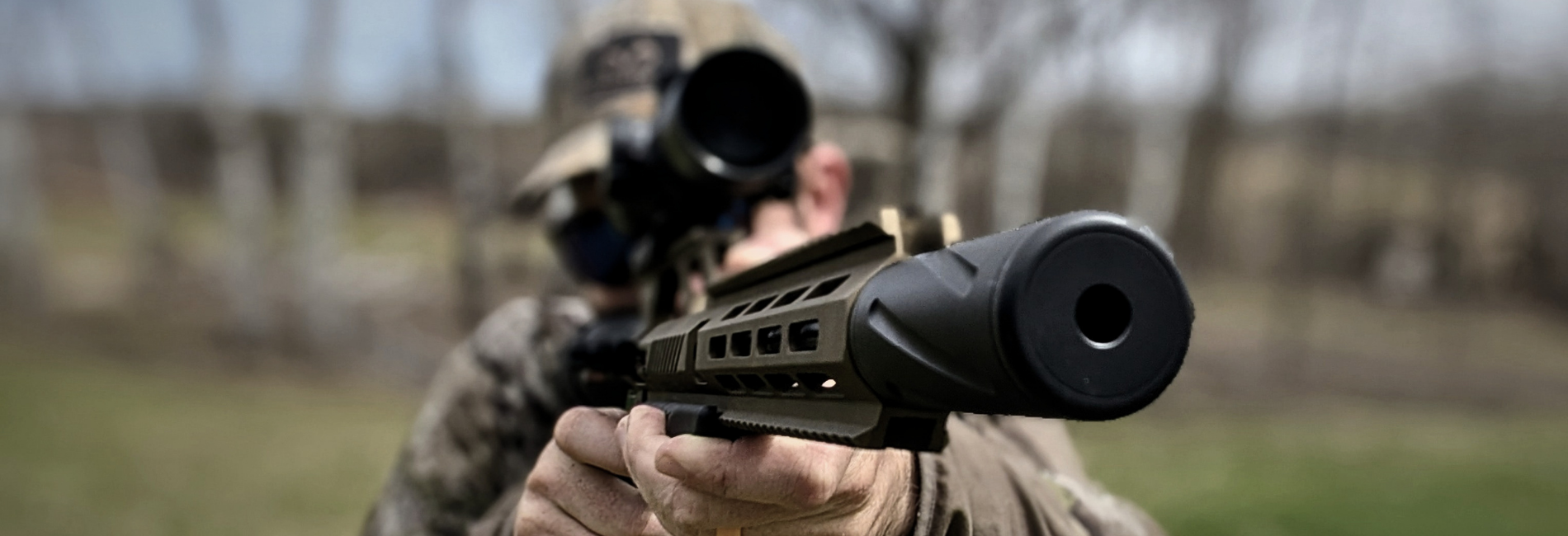
To find the correct tactical air rifle scope for your specific needs, consider the following four-step decision process.
Step 1: Your Rifle Scope Application
- Big Game Hunting: A variable air rifle scope in the 3-9x40mm or 2.5-10x50mm range is the industry benchmark. It offers a wide field of view for tracking moving game in the woods, yet enough magnification for clean shots across open clearings.
- Long-Range Precision: Look for a high magnification optic, such as a 5-25x or 6-24x, built on a First Focal Plane (FFP) system with exposed, tactile turrets for constant drop and windage manipulation.
- Dynamic / Defensive Shooting: An LPVO ranging from 1-6x or 1-8x offers the ideal balance, acting as a fast reflex sight at close range and a precision optic for mid-range engagements.
Step 2: Balance Objective Lens Size
The objective lens (the front lens) dictates how much light the rifle scope can gather. Large lenses, such as 50mm or 56mm, provide incredibly bright images in low light, but they force you to mount the scope higher off the rifle barrel, which can disrupt your cheek weld, and they add substantial bulk. A 40mm to 44mm lens represents the sweet spot for general portability and low-light performance.
Step 3: Choose the Right Turrets and Main Tube
- Capped Turrets: These feature screw-on covers that protect your windage and elevation dials from being accidentally bumped or turned while hiking through thick brush. They are best suited for traditional hunting.
- Exposed / Tactical Turrets: These dials are left uncovered and feature crisp, audible clicks. They allow target shooters to rapidly adjust dial settings on the fly for changing distances.
- Main Tube Diameter: Air rifle scopes are built on 1-inch, 30mm, or 34mm main tubes. Larger tubes do not necessarily let in more light. Still, they provide greater internal structural strength and allow for a wider range of physical turret adjustments, which is critical for dialing extreme long-range shots.
Step 4: Opt for an Appropriate Reticle Type
Keep the reticle as simple as your shooting style allows. A clean, basic "Duplex" reticle (thick outer lines narrowing to thin crosshairs) is fast to acquire and highly efficient for hunting. BDC (Bullet Drop Compensating) reticles offer hash marks mapped to specific calibers for quick holdovers at known distances. Advanced Mil-Dot or grid-style reticles provide maximum precision but require formal training to utilize effectively without cluttering your view.
Different Types of Hunting Rifle Scopes
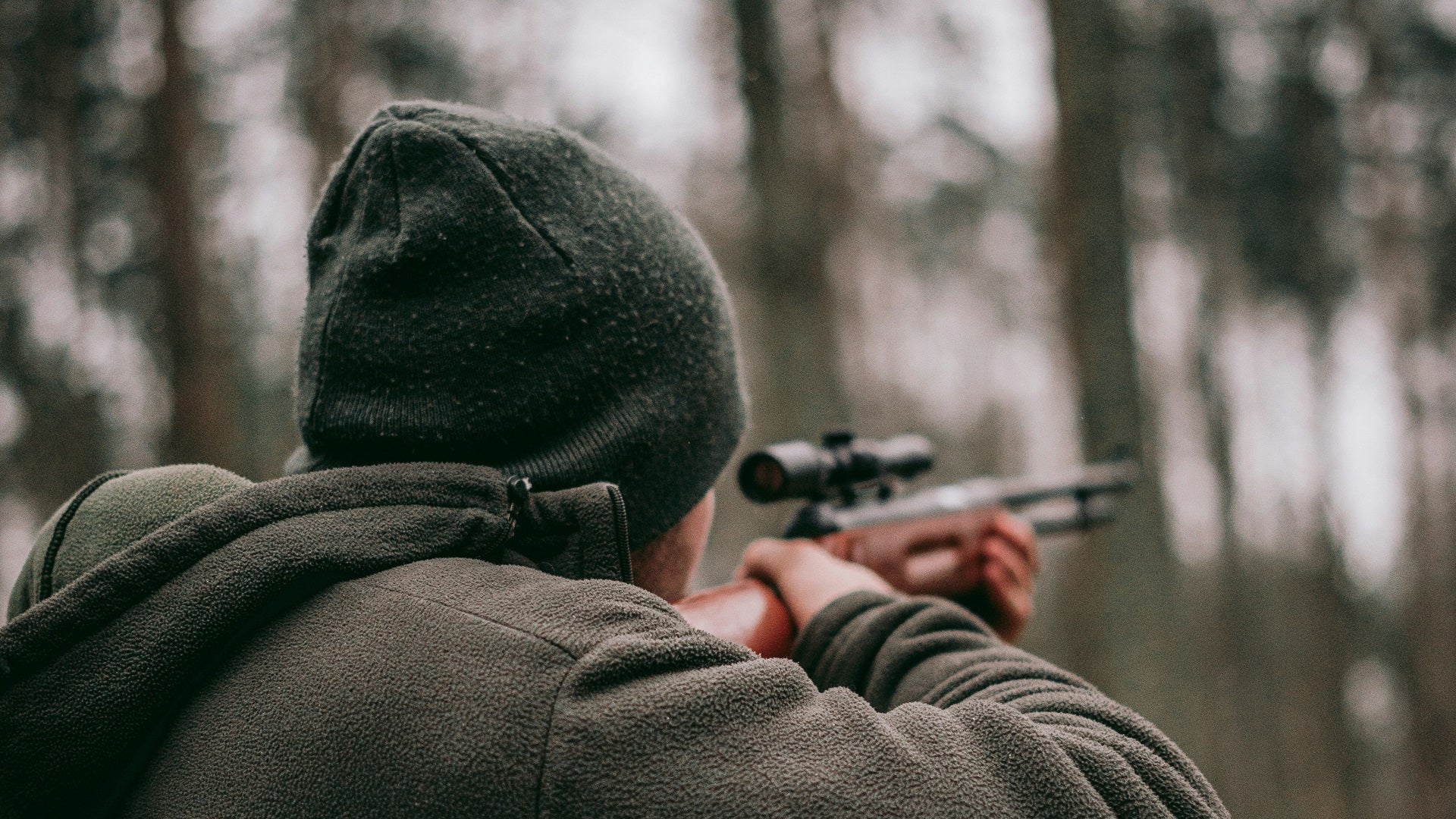
A air rifle scope serves as a shooter’s primary tool for precision, extending their visual range and transforming how they interact with their environment. Choosing the right rifle optic requires a solid understanding of how these devices are classified. Generally, rifle scopes are categorized by their underlying technology, the specific firearm platform they are designed for, and their mechanical features.
Classification by Technology
Modern optics integrate advanced physics and electronics to provide shooters with clear vision across diverse environments and lighting conditions.
Night Vision and Thermal Imaging
- Digital Night Vision Scopes: These optics utilize highly sensitive CMOS or CCD electronic sensors rather than traditional analog intensifier tubes. They use ambient light—such as moonlight or starlight—and project a digital image onto an internal screen. To ensure performance in absolute darkness, they are paired with Infrared (IR) illuminators, which project a beam of light invisible to the human eye but completely visible to the rifle scope's sensor.
- Thermal Imaging Scopes: Unlike night vision, which requires trace amounts of light, thermal rifle optics detect infrared radiation (heat signatures). This allows the shooter to see the heat emitted by game or targets through dense fog, heavy rain, smoke, or complete brush. While they represent a higher financial investment, they are unparalleled for nocturnal tracking and search-and-rescue operations.
Smart and Digital Optics
Smart rifle scopes function essentially as specialized onboard computers. They replace traditional glass reticles with dynamic digital displays and come packed with integrated technology. Common features include built-in laser rangefinders, ballistic calculators, GPS tracking, Wi-Fi streaming, and HD video recording. By allowing the shooter to input environmental factors and ammunition profiles, the scope can automatically calculate the exact point of impact, drastically reducing the margin of error at long distances.
Illuminated Reticles
In low-light conditions—such as dawn, dusk, or within deep timber—a standard black crosshair can easily blend into a dark target or background. Illuminated scopes solve this by using a small battery-powered LED to light up the reticle, or a central dot, in red or green. Most models offer adjustable brightness settings to prevent the light from blinding the shooter's night-adapted vision.
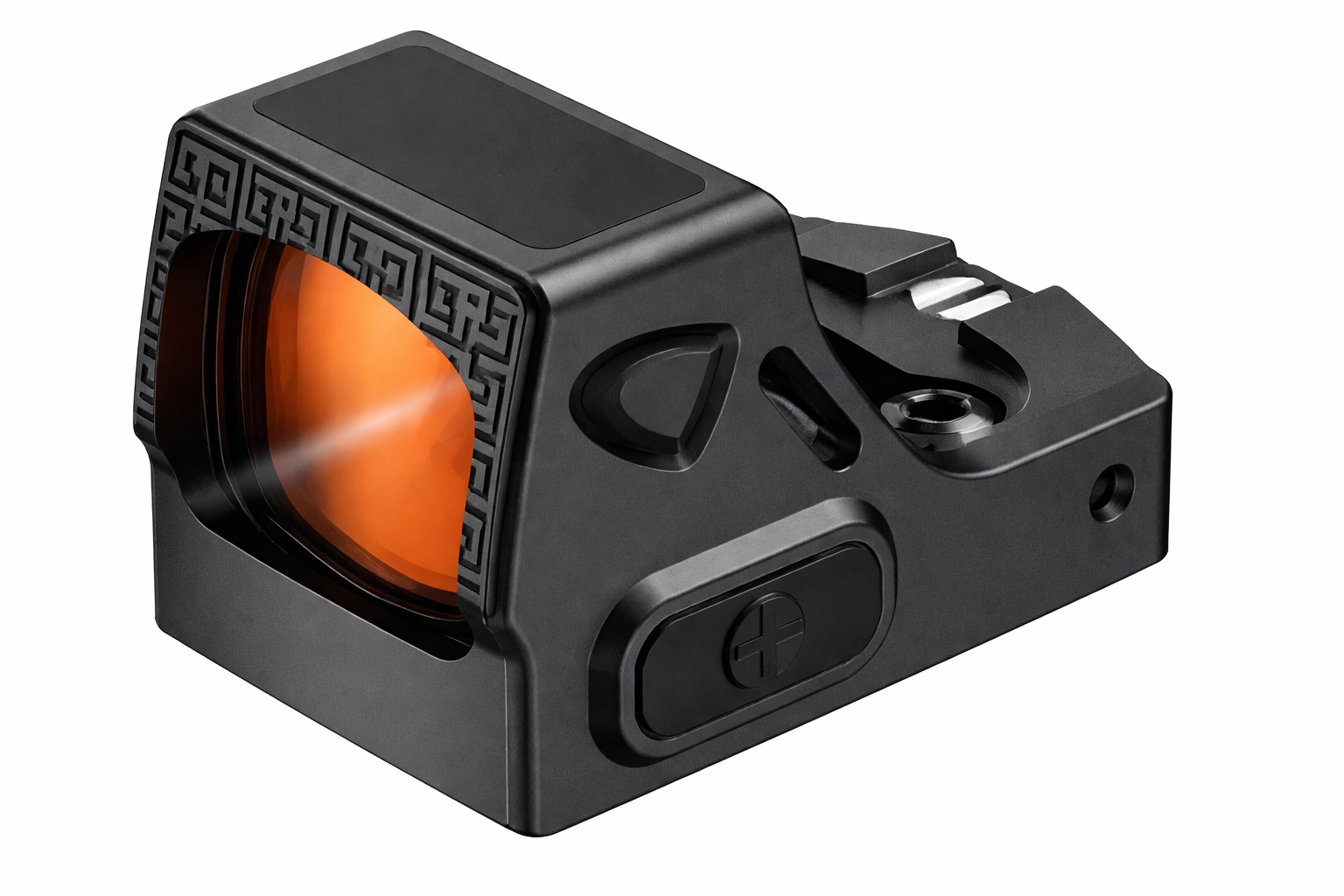
Red Dot and Reflex Sights
Red dot sights are non-magnifying (1x) optics designed primarily for rapid target acquisition. Instead of a traditional crosshair, they project an illuminated dot onto a lens. Because they offer unlimited eye relief and allow the shooter to keep both eyes open, they provide maximum situational awareness and speed for close-quarters engagements or moving targets.
Classification by Firearm Platform
Optics must be engineered to withstand the specific recoil impulses and operational distances of the firearm they are mounted on. Matching the scope to the platform is critical for longevity and accuracy.
Air Rifles and Spring-Piston Guns
Airguns, particularly spring-piston models, possess a unique and violent two-way recoil profile—snapping both backward and forward instantly when fired. This snap can easily shatter the internal lenses of a standard firearm scope. Dedicated air rifle scopes are built with bidirectional internal bracing and typically feature an Adjustable Objective (AO) to correct parallax at very close distances, where airguns frequently operate.
Rimfire Rifles
Calibers like the .22 Long Rifle produce virtually no recoil and are generally used at distances under 100 yards. Scopes tailored for rimfire rifles are lighter, more compact, and feature factory-set parallax adjustments optimized for short distances (typically 50 yards), ensuring a crisp focus without unnecessary bulk or high-power magnification.
AR and Tactical Platforms
Modern sporting rifles demand versatility, durability, and speed. The most popular optic choice for these platforms is the Low Power Variable Optic (LPVO). Operating usually from a true 1x magnification up to 6x or 8x, these scopes allow the operator to use the firearm like a red dot sight at close range, while providing the magnification necessary to engage mid-range targets accurately.
Precision and Centerfire Rifles
Large caliber bolt-action and precision air rifles generate heavy rearward recoil and shoot at extended ranges. Scopes for these platforms prioritize massive light transmission, high variable magnification ranges, and robust tracking systems within the internal turrets to handle repeatable adjustments over hundreds of yards.
Classification by Features and Mechanics
Beyond electronics and platform compatibility, the physical build and mechanical layout of an air rifle scope dictate its daily usability.
Fixed vs. Variable Magnification
- Fixed Power Scopes: These optics feature a single, non-adjustable magnification level (e.g., a straight 4x or 6x). Because they have fewer moving parts, they are lighter, structurally tougher, highly reliable, and generally offer excellent light transmission relative to their price point.
- Variable Power Scopes: These allow the shooter to adjust magnification dynamically (e.g., 3-9x or 5-25x) to match changing environments. While slightly heavier and mechanically more complex, they offer the flexibility needed to transition from close-range brush hunting to long-range open-field shots.
Focal Plane Dynamics: FFP vs. SFP
- First Focal Plane (FFP): In an FFP scope, the reticle is placed in front of the magnification lens. As you zoom in, the crosshairs grow in size along with the target image. This means that the hash marks or subtensions (whether in Mil or MOA) remain accurate at every single magnification level, making FFP the gold standard for long-range precision shooters who rely on the reticle for holdovers and windage adjustments.
- Second Focal Plane (SFP): In an SFP rifle scope, the reticle is placed behind the magnification lens, meaning it stays the exact same size regardless of your zoom level. This keeps the crosshairs thin and easy to see against small targets even at maximum magnification, which is highly preferred by traditional hunters. However, the reticle's distance markings are only accurate at one specific magnification setting (usually the maximum power).
Side Focus and Parallax Adjustment
When shooting at high magnification or extreme distances, a slight shift in your eye position behind the rifle scope can cause the target to appear to move relative to the reticle. This optical illusion is called parallax. A side focus knob, located on the left side of the rifle scope turret housing, allows the shooter to adjust the focal plane of the target image until it perfectly aligns with the reticle, eliminating aiming errors and sharpening the image.
Ergonomics, Relief, and Finish
- Eye Relief: This is the distance required between your eye and the rear lens to see a full, clear picture. High-recoil rifles require a generous eye relief (ideally 3.5 to 4 inches) to prevent the air rifle scope from striking the shooter's brow during the recoil impulse.
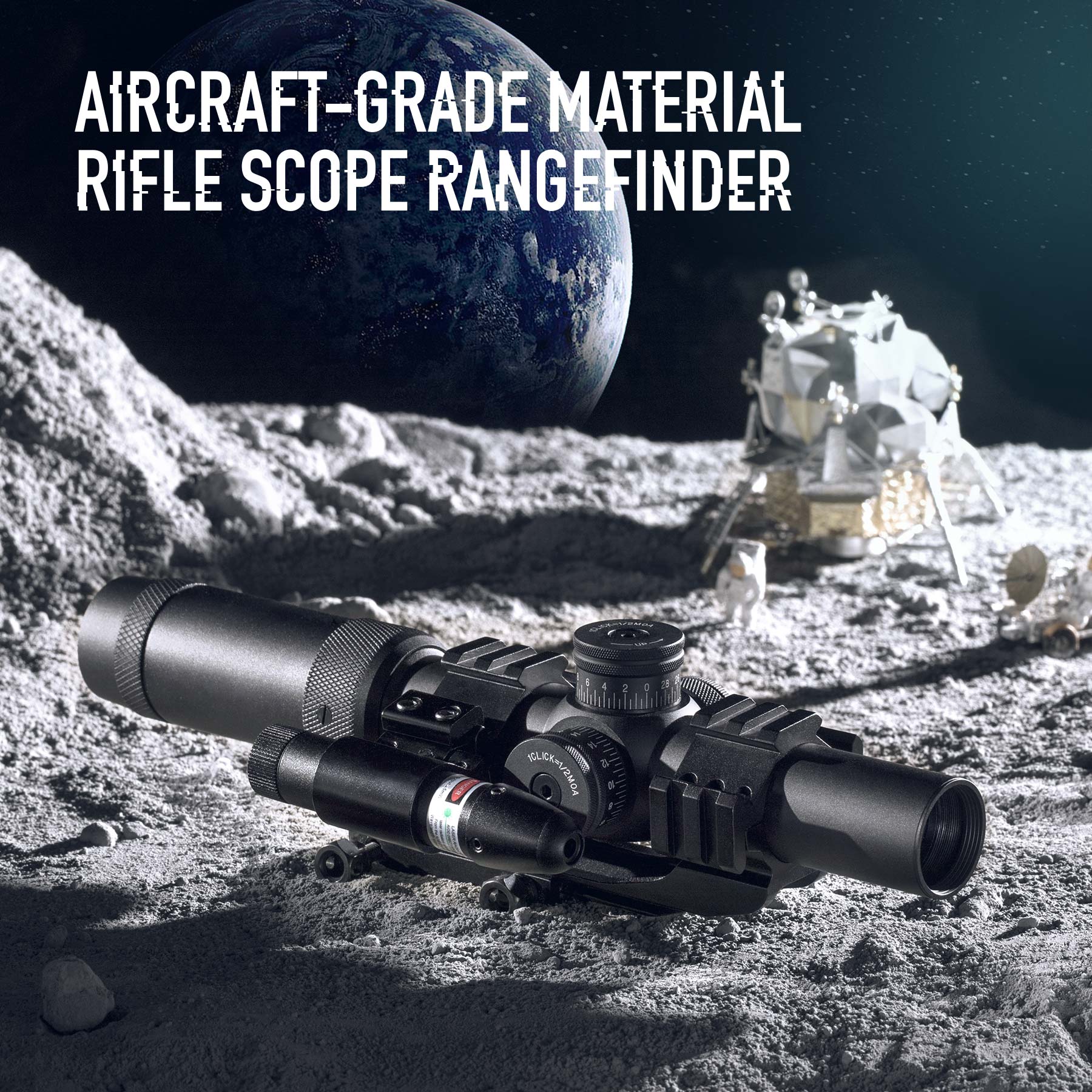
- Weight Optimization: Ultra-lightweight hunting rifle scopes utilize specialized aircraft-grade aluminum alloys or titanium housings to reduce fatigue for backcountry hunters who carry their gear over miles of rugged terrain.
- Finishes: Beyond standard matte black, rifle scopes are available in silver or stainless finishes to match weather-resistant barrels, as well as Flat Dark Earth (FDE), tan, or various camouflage patterns to blend seamlessly into tactical or natural hunting environments.
FAQs
Is it better to zero at 100 or 200 yards?
It depends on how you plan to use your rifle, but for most shooters a 100-yard zero is the better starting point because it’s simple, precise, and easy to confirm at typical ranges; it also makes calculating bullet drop more straightforward, which is helpful for beginners and target shooting.
A 200-yard zero, on the other hand, is often preferred for hunting or practical shooting because it allows a flatter trajectory over longer distances, meaning you can aim directly at the target out to around 200 yards with minimal holdover.
Is a 25 yard zero the same as 300?
No—a 25-yard zero is not the same as a 300-yard zero, though it’s sometimes used as a rough shortcut for getting close. With certain calibers (like .223/5.56), a 25-yard zero can line up with a second intersection of the bullet’s trajectory somewhere near 300 yards, but it’s usually not exact and can vary significantly based on factors like velocity, barrel length, and optic height.
In many cases, the true second zero may be closer to 250–275 yards rather than a precise 300, so while a 25-yard zero can help you get on paper quickly, it’s not reliable for precise long-range zeroing and should always be confirmed at the actual distance.
Is a 50 yard zero the same as 200?
A 50-yard zero is not exactly the same as a 200-yard zero, but with many common calibers—especially .223/5.56—it often results in a second point of impact close to 200 yards due to the bullet’s curved trajectory. After crossing your line of sight at 50 yards, the bullet continues to rise slightly before dropping back down and intersecting again around 200 yards.
However, this is only an approximation, as factors like bullet velocity, barrel length, optic height, and ammunition type can shift that second zero point slightly, so it’s always best to verify your actual zero at longer distances.
How high should I be at 25 yards for 100 yards?
If you’re zeroing a air rifle at 100 yards, a common guideline is to be about 0.5 to 1 inch low at 25 yards.
This works because the bullet travels in an arc—starting slightly below your line of sight, rising to meet it at your zero distance (100 yards), and then dropping again beyond that. By setting your impact slightly low at 25 yards, you’re aligning that trajectory so it intersects your point of aim at 100 yards.
The exact offset can vary depending on factors like caliber, bullet velocity, and sight height, but for most standard rifles, aiming for roughly ¾ inch low at 25 yards will get you very close to a proper 100-yard zero.
Are rifle scopes universal?
Rifle scopes are not completely universal, but many are designed to be widely compatible across different rifles with the right mounting system.
Most scopes use standard tube sizes (typically 1-inch or 30mm) and can fit a variety of firearms, but proper compatibility depends on factors like mounting rings/bases, rifle type, and recoil level. For example, a scope that works well on a .22 rimfire may not be suitable for a high-recoil centerfire rifle, and air rifles often require specially rated scopes due to their unique recoil pattern.
Additionally, the scope’s magnification, reticle, and durability should match the intended use and firearm. So while many rifle scopes can be used across different rifles, they are not one-size-fits-all and should be carefully matched to ensure safety, performance, and accuracy.
Is 20x enough for 1000 yards?
Yes, 20x magnification can be enough for 1000 yards, but whether it’s ideal depends on your shooting goals and conditions. Many experienced long-range shooters can accurately engage targets at 1000 yards with 15x–20x magnification, especially when using high-quality long-range rifle scopes and proper technique. However, higher magnification (such as 25x or more) can make it easier to see fine details and aim precisely at smaller targets.
That said, more magnification isn’t always better—higher zoom levels can reduce field of view, amplify image shake, and worsen mirage effects in hot conditions. For most shooters, 20x offers a solid balance between clarity and stability, making it sufficient for 1000-yard shooting, particularly for larger targets or steel plates, while competitive or precision shooters may prefer more magnification for tighter groupings.
Is 4x12 scope better than 3x9?
It’s suited to different uses. A 4–12x scope offers higher top-end magnification, making it better for longer-range shooting (300+ yards) and target precision, but it typically has a narrower field of view at the low end (4x vs. 3x), which can make quick target acquisition at close range a bit slower.
On the other hand, a 3–9x scope is more versatile and beginner-friendly, widely considered the go-to choice for general hunting because it performs well from short to medium distances with a wider field of view and easier handling.