

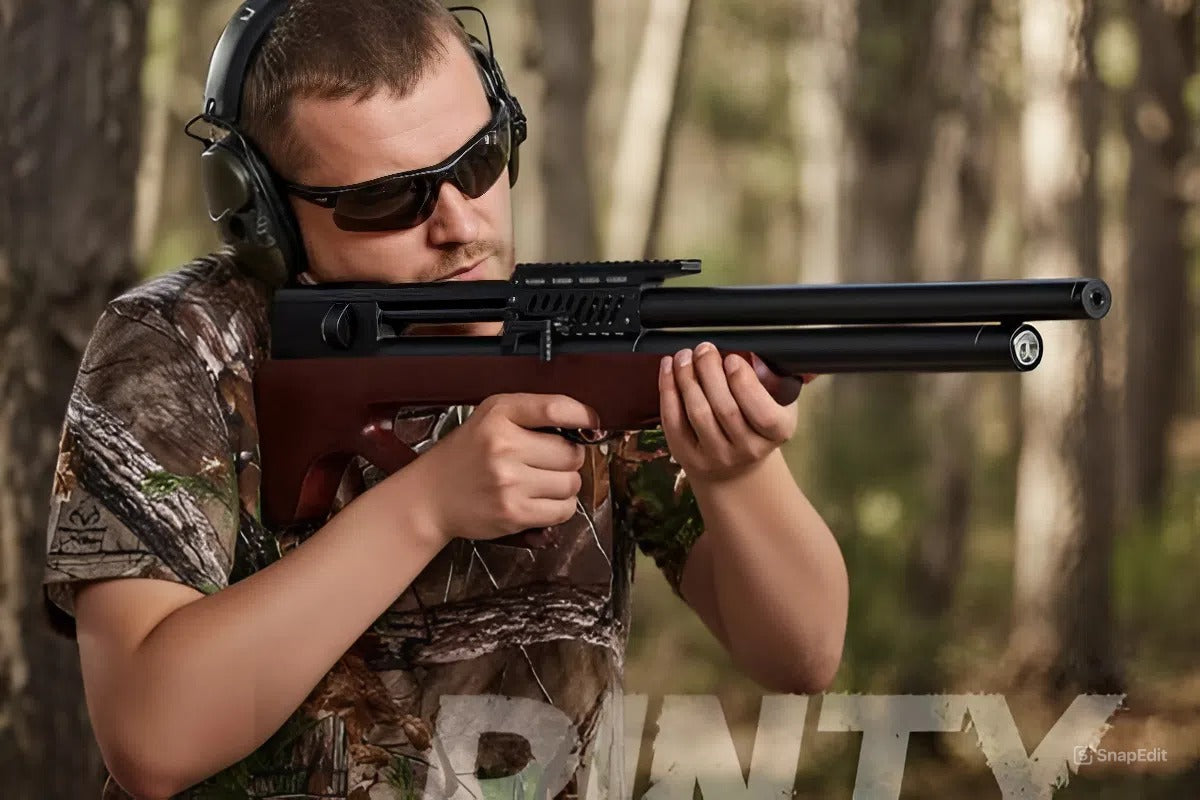
There is hardly a fixed distance for how far an air rifle can shoot. Most .177 cal and .22 cal air rifles can shoot comfortably up to 35 or even 50 yards.
However, once you go beyond 50 yards, the effective shooting distance of an air rifle depends far more on the capabilities of the rifle itself, as well as other factors such as the skill of the shooter, weather conditions, and even the weight and type of pellets or slugs used.
So, if you are looking for an air rifle that can shoot over 100 yards, it’s important to understand how air rifles are classified and how those classifications directly affect real-world engagement distances.
Key Takeaways
- The normal shooting distance for most decent air rifles is between 15 and 50 yards. This range applies mainly to standard .177 cal and .22 cal air rifles
- .25 cal air rifles can shoot farther, up to 50–60 yards, depending on the shooter's skill
- .30 cal and larger .35 cal air rifles are considered top-tier, capable of 100 yards or more with accuracy
- The shooter’s skill matters almost as much as the capacity of the air rifle

Air Rifle Shooting Distances: Regular, Mid-Tier, and Top-Tier Air Rifles
An effective way to understand the differences between various types of air rifles and their respective shooting ranges is to categorise them by distance tier. Each tier reflects differences in calibre, power output, and intended use.
1. Regular Distance Air Rifles (.177 and .22 Cal): Up to 50 Yards
Regular or common air rifles typically include most models in .177 calibre and .22 calibre, which are by far the most popular air rifle calibres. A typical .177 or .22 PCP air rifle usually produces:
- 800–900 FPS
- Around 20–40 joules (15–30 FPE) of energy
This level of power allows the rifle to be consistently accurate at shorter distances, usually between 35 and 50 yards. Beyond that, pellet drop, wind drift, and energy loss become much more noticeable, and it will take a shooter of distinct skill to be able to reach 70 yards with any consistency.
Common Uses for a Regular Distance Air Rifle
- Backyard target shooting
- Plinking
- Pest control
- Small game hunting at short range
If your shooting rarely exceeds 40-50 yards, this tier offers the best balance of cost, accuracy, and ease of use.

2. Mid-Distance Air Rifles (.25 Cal): Up to 60 Yards
.25 calibre air rifles are more capable than .177/.22 models, but not quite as formidable as .30 Cal, so they can be classified as mid-range air rifles. Typically, they can reach up to about 60 yards without any issues, but with a decent model, some skill (and some good optics), a good shooter can stretch it to about 100 yards.
Most .25 calibre air rifles feature:
- 880+ FPS
- Around 40 joules (30+ FPE) of energy
This added mass and energy allow .25 cal pellets to remain stable and effective out to about 60 yards. Some high-quality models can reach farther, occasionally approaching 80–100 yards, but that typically requires excellent shooter skill, ideal conditions, and premium ammunition.
Common Uses for a Mid-distance Air Rifle:
- Medium-range pest control
- Small to medium game hunting
- Shooters who want more knockdown power without jumping to large calibres
3. Long Distance Air Rifles (.30 Cal and Larger): 100+ Yards
Top-tier air rifles start at .30 calibre and include even larger options such as .35 cal. These are high-power PCP air rifles built specifically for long-range shooting.
A .30 cal air rifle produces around 90+ FPE or more, and they are often optimised for slugs rather than pellets
With the right setup, a .30 cal air rifle can:
- Shoot accurately to 100-125 yards
- Reach 150-200 yards when firing slugs under ideal conditions
However, this level of performance comes with trade-offs: higher cost, heavier rifles, increased air consumption, and a steeper learning curve.
Common Uses for a Long Distance Air Rifle
- Long-range airgun shooting
- Large pest control
- Ethical hunting at extended distances (where legal)
Air Rifle Shooting Distance Comparison Table
| Air Rifle Tier | Typical Caliber | Effective Range | Power Output | Common Uses |
| Regular | .177 / .22 | 15–50 yards | 20–40 J | Plinking, pest control, small game |
| Mid-Tier | .25 Cal | 50–60 yards | 40+ J | Medium-range hunting, pest control |
| Top-Tier | .30+Cal | 100+ yards | 90+ FPE | Long-range shooting, hunting |
Factors That Affect an Air Rifle’s Long-Distance Performance
There are also external factors that affect how long an air rifle can shoot. Even the most powerful air rifle won’t perform well at long range if you are using a lightweight pellet, your support equipment is not stable enough, or if the wind is particularly strong.
Here is how these factors influence the performance of your air rifle over long range:
1. Weather Conditions
Wind is the single biggest enemy of long-range air rifle shooting. Unlike firearms, air rifles fire projectiles at lower velocities, so pellets and slugs are far more sensitive to wind drift.
- Strong crosswinds reduce accuracy
- Cold air can slightly reduce air pressure efficiency
- Humidity can also affect pellet flight consistency
At longer distances, even light wind can push a pellet several inches off target.

2. Pellet or Slug Weight
The heavier your pellet, the better your air rifle performs over long distances. This is because heavier pellets are generally better at counteracting the effect of the wind over long distances. Heavier projectiles generally:
- Retain energy better
- Drift less in the wind
- Perform better at longer distances
This is why heavy .22, .25, and .30 calibre pellets or slugs are preferred for long-range shooting. Lighter pellets may travel faster initially but lose stability and energy much sooner.
3. Support Equipment
Long-range air rifle shooting demands stability. Using proper support equipment can dramatically improve the effective range.
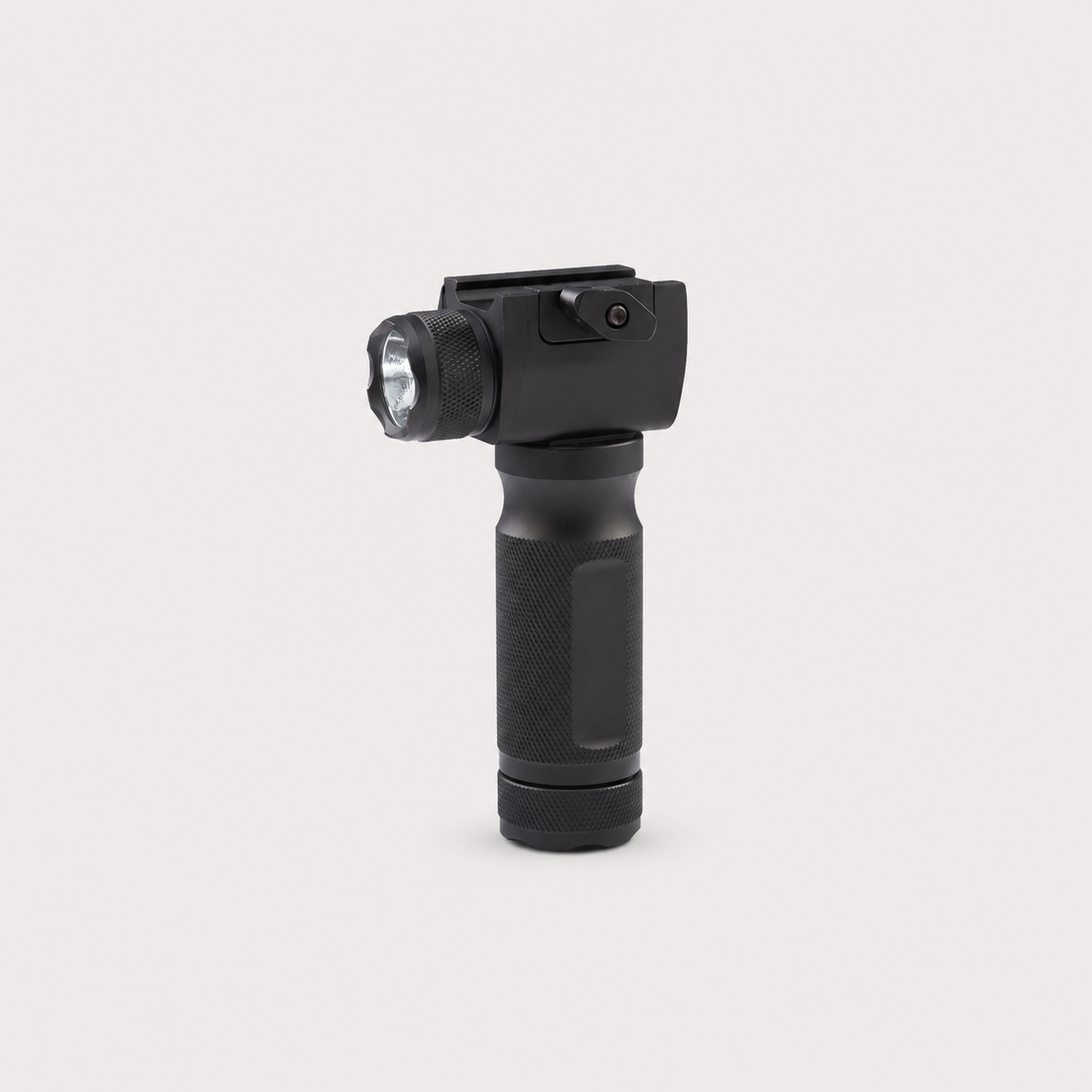
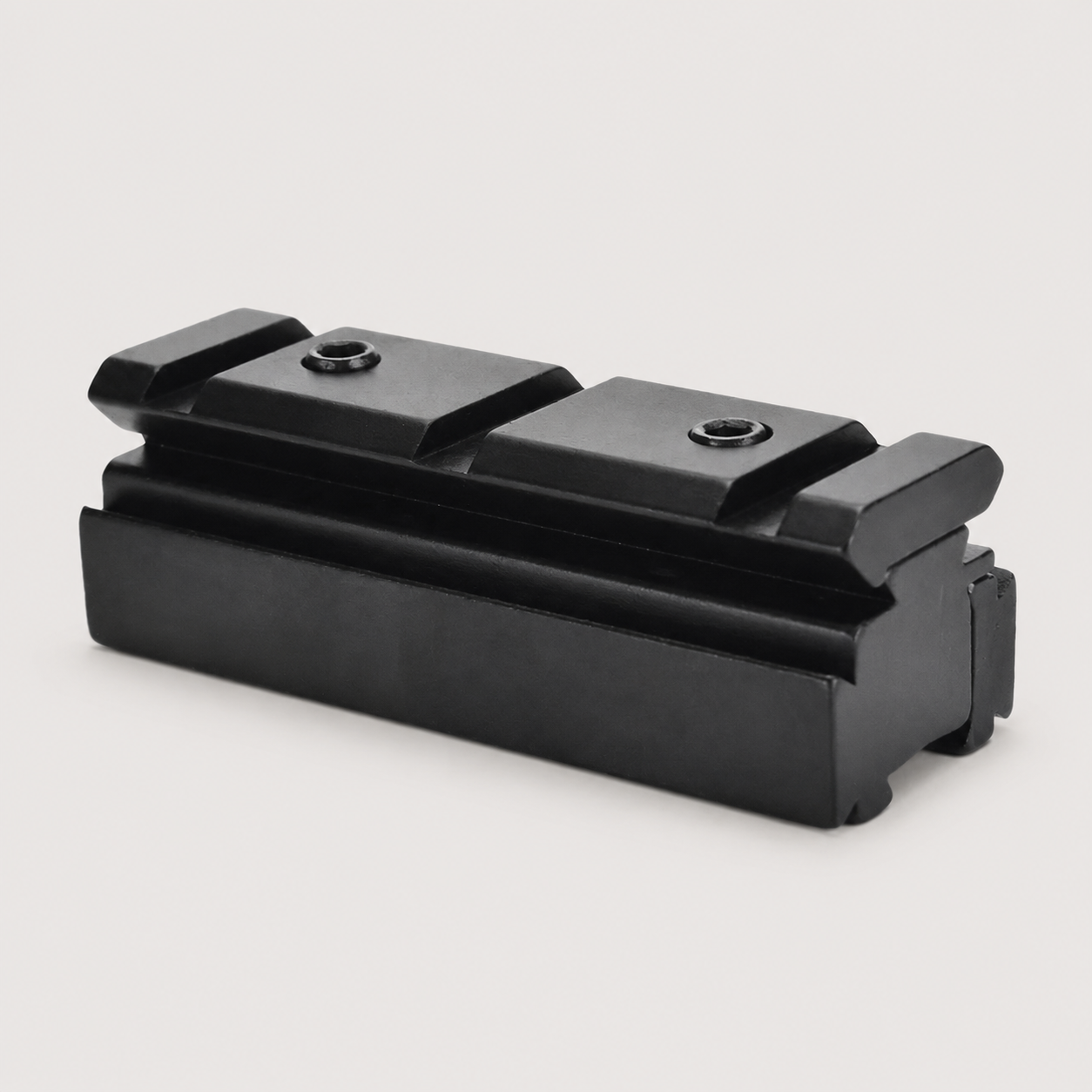
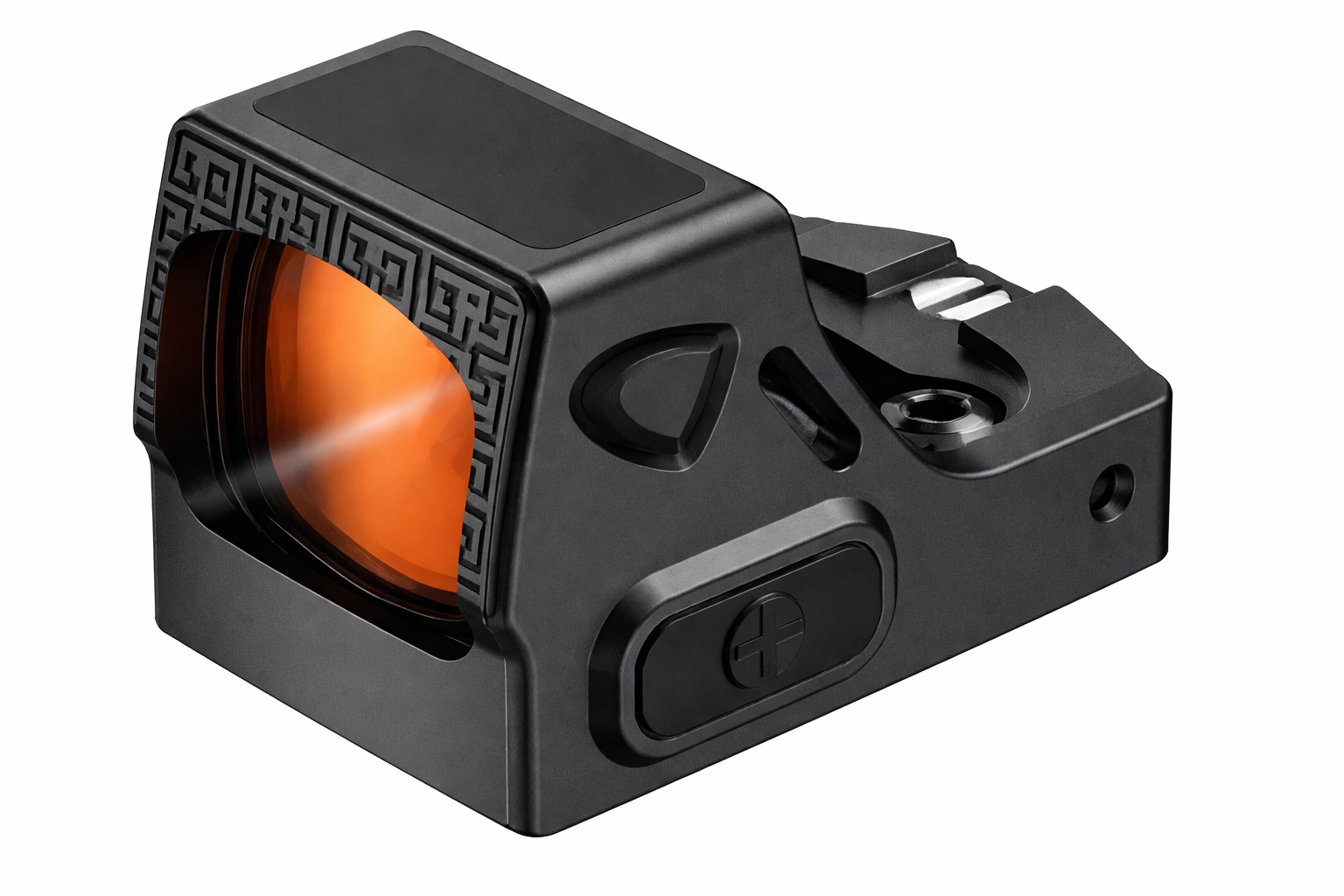
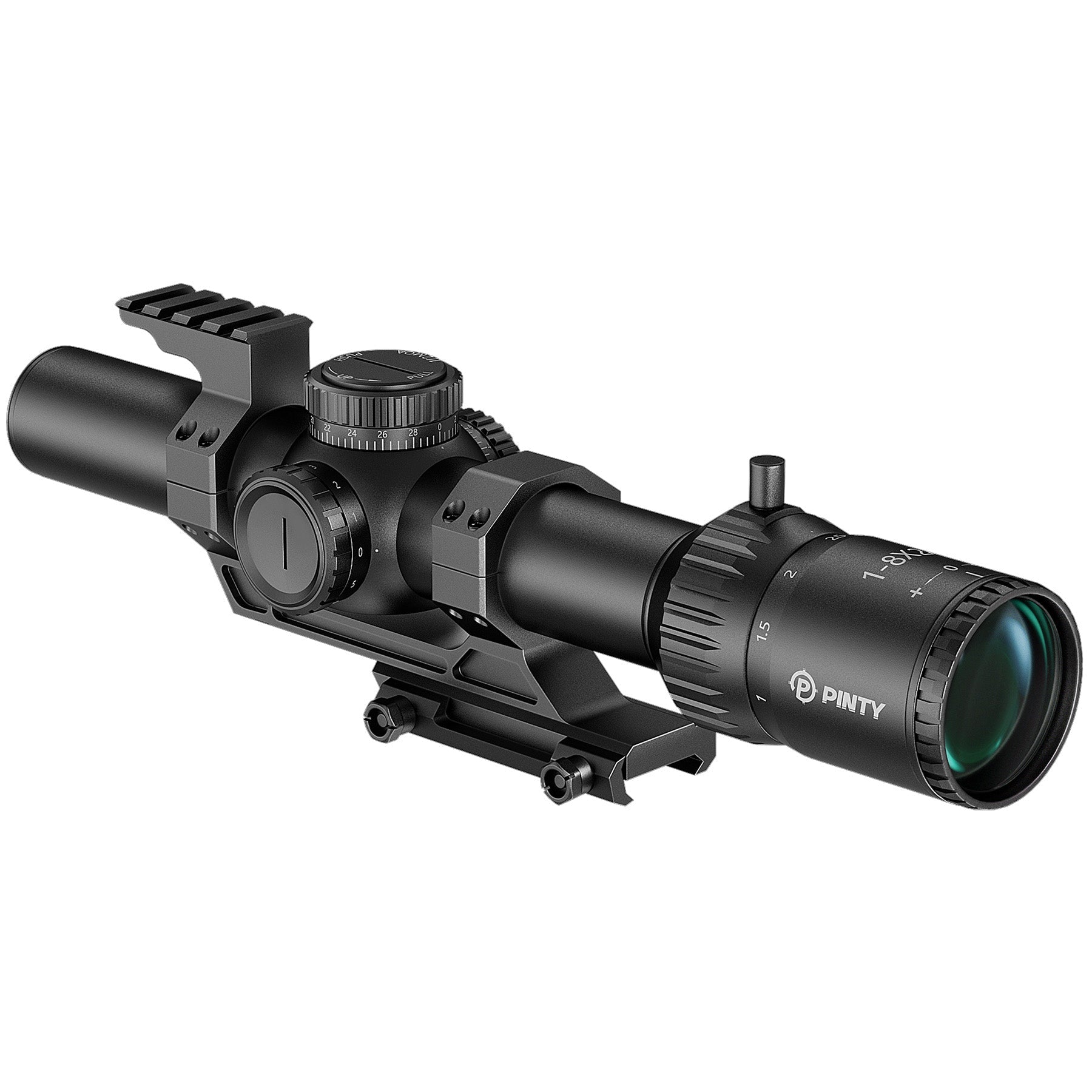
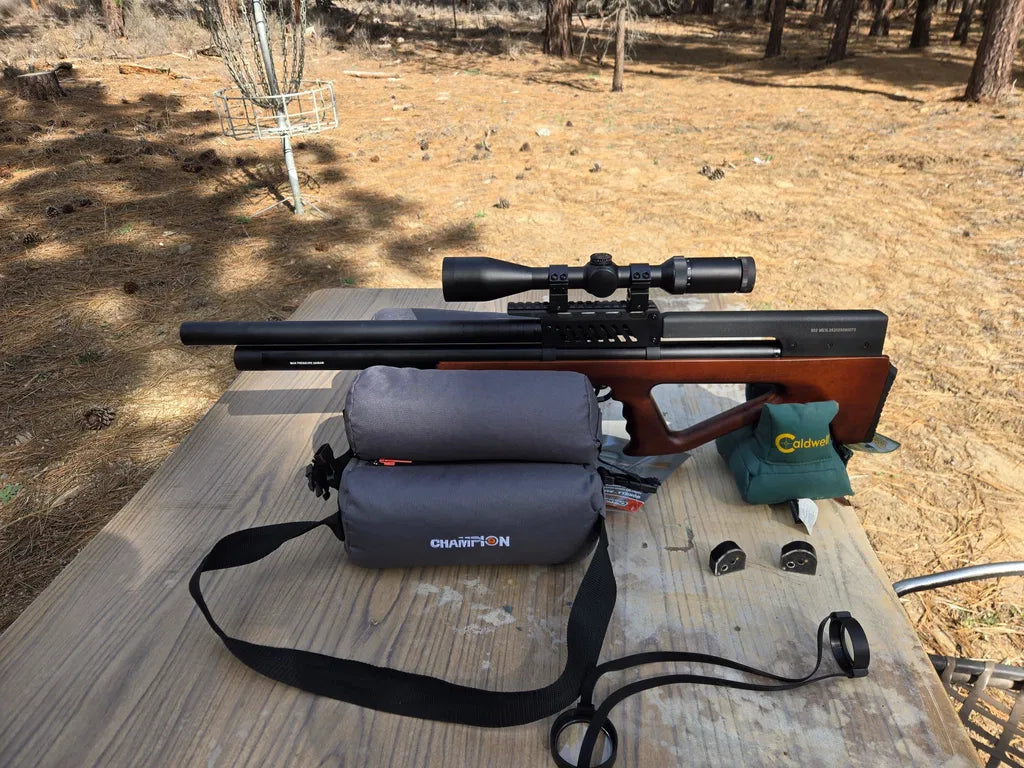
You might require bipods, shooting bags, tripods, and high-quality scopes with adjustable parallax. Without proper support, accuracy drops quickly as distance increases.
Which Air Rifle Should You Choose?
The right air rifle depends on your budget and how far you actually plan to shoot.
- Choose a .177 or .22 if most of your shooting is under 50 yards and you want an affordable, versatile option
- Choose a .25 calibre if you need more power and plan to shoot regularly at 50–60 yards
- Choose a .30 cal or larger only if you genuinely need long-range performance and are willing to invest in the rifle, optics, and practice time
For most shooters, upgrading skill and ammo selection often matters more than jumping straight to a bigger calibre.
Recommended Pinty Mid-Range Air Rifles
Here are a couple of solid, affordable air rifles worth considering based on your shooting distances and needs.
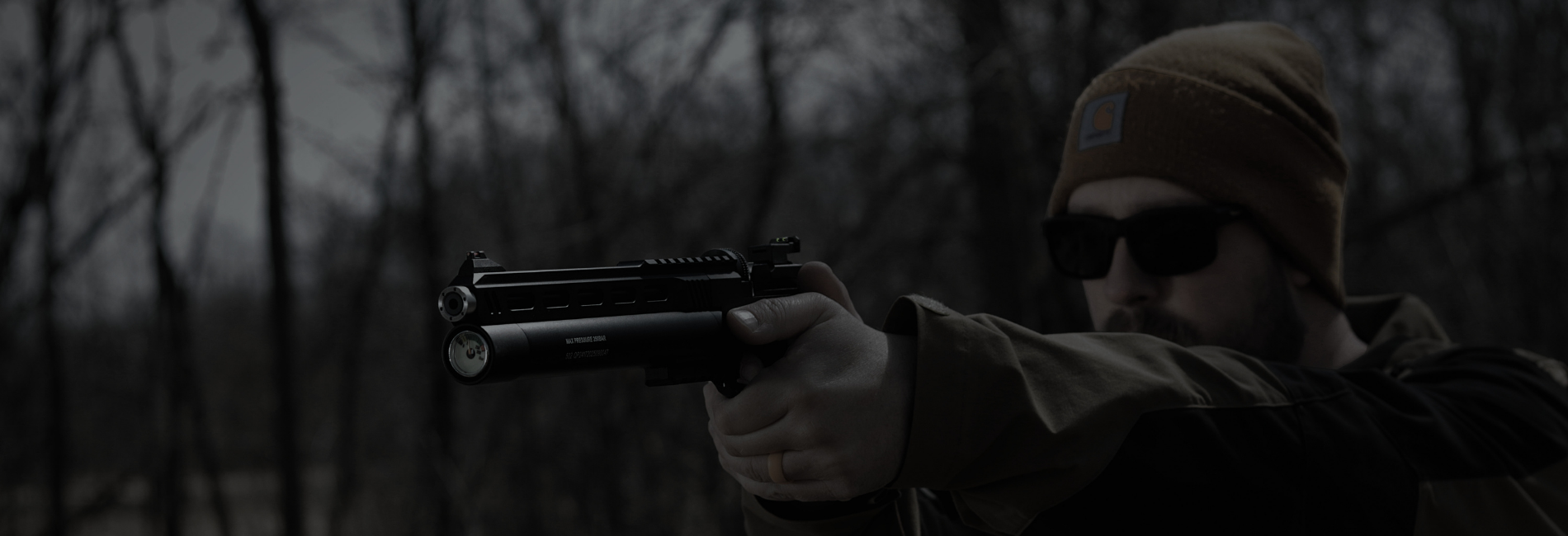
For shooters who want a reliable everyday rifle with versatility for backyard plinking, pest control, and short- to mid-range accuracy, the Pinty Vanguard .177/.22 Cal PCP Air Gun (4.5/5.5 mm) is a strong choice.
It offers adjustable calibre options, a built-in regulator for consistent shot performance, and sufficient power to make 30–35 accurate shots per fill: ideal for ranges up to approximately 50 yards and suitable for small game or target practice.
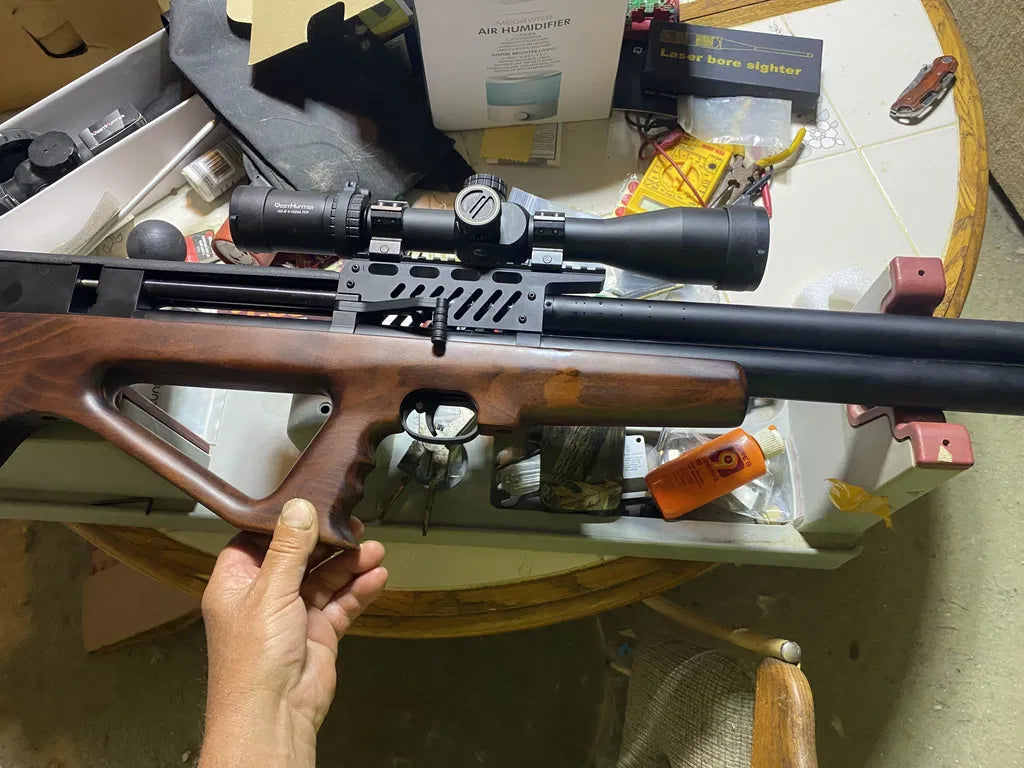
Stepping up in power and range, consider the Pinty Striker .22.22/.25 Cal PCP Air Guns. The 25 Cal PCP Air Gun (5.5/6.4 mm) offers increased knockdown energy and pellet versatility. With its larger air reservoir, regulated precision, and the ability to accept heavier .25 cal pellets, it’s a great option if you want to push out toward the 60-yard mark and beyond with better long-range performance.
Both rifles pair well with quality optics and support gear and give you a practical mix of performance and value without jumping straight to high-end, speciality long-range PCP models.
You might be interested in a complete guide to choosing a PCP air rifle for pest control.



Share:
How to Load a Pellet Gun
Beginner’s Guide to Using an Air Gun