

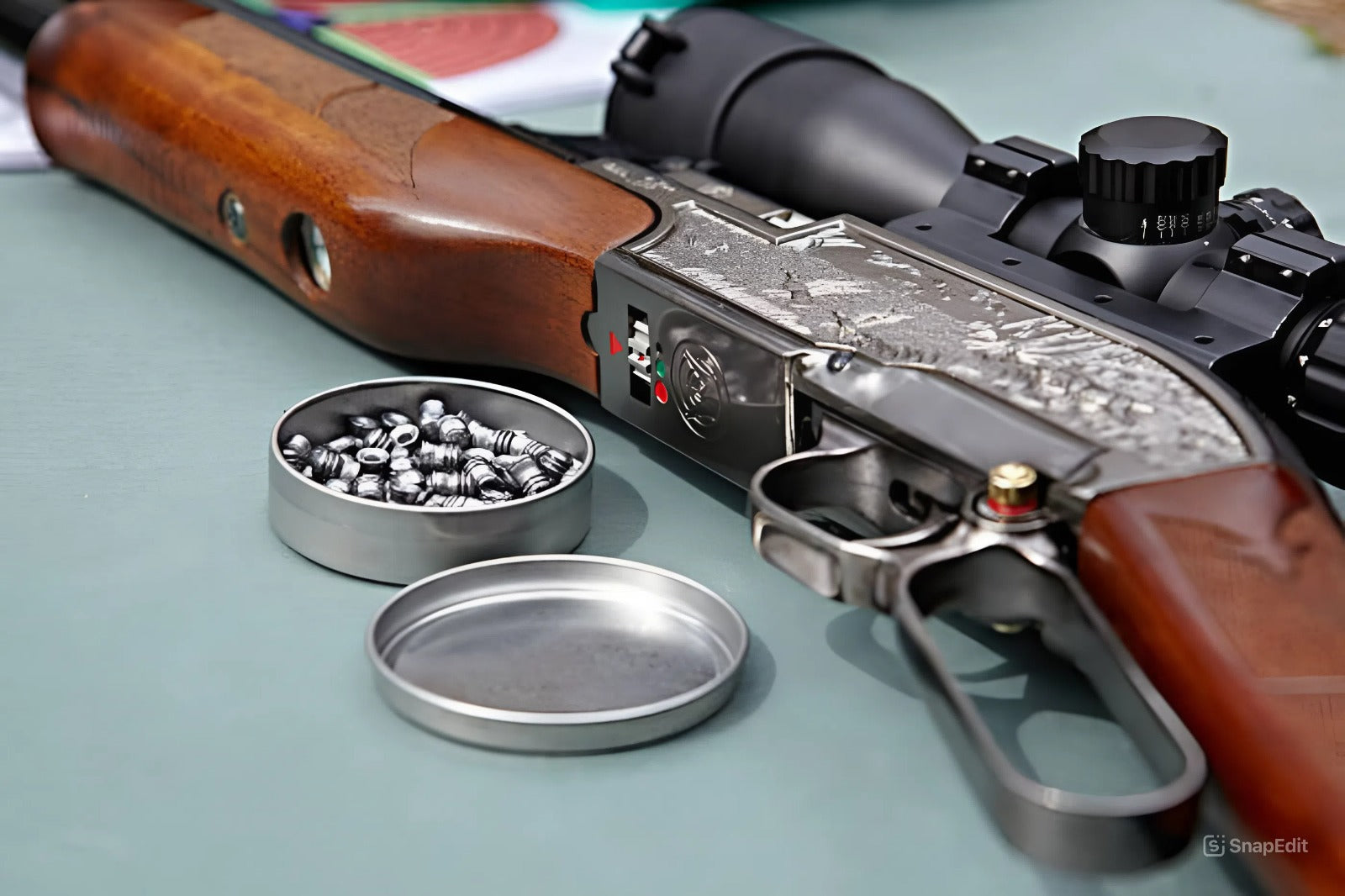
If you are new to air guns, it is easy to feel overwhelmed. Many beginner guides focus on buying advice or technical details too early. This often makes things harder to understand. Before choosing models or accessories, it is more important to learn how an air gun works and what is needed to use it safely.
This article is written for complete beginners. It explains air gun power systems, basic setup, and how to check whether an air gun is working properly. The goal is to help you understand air guns step by step, without unnecessary complexity.
What Is an Air Gun?
An air gun is a gun that shoots pellets or BBs using compressed air or gas. Unlike firearms, it does not use gunpowder. Because of this, air guns are usually quieter, easier to control, and simpler to maintain.
The term air gun includes both air pistols and air rifles. An air pistol is smaller and designed for handheld use, while an air rifle is longer and designed to be supported by the shoulder. However, shape alone does not explain how an air gun works. The real difference lies in the power system.
Why the Power System Matters More Than the Shape
Many beginners think the main choice is between an air pistol and an air rifle. In reality, the power system affects daily use much more. It determines how the gun fires, what equipment is required, and how much effort the user must put in.
Once you understand the power system, choosing and using an air gun becomes far more straightforward.
Main Types of Air Guns by Power System
The table below shows the three most common air gun power systems and what beginners should expect from each one.
|
Power System |
How It Works |
What You Need to Prepare |
Ease of Use for Beginners |
|
CO2-Powered Air Gun |
Uses compressed CO2 gas to push pellets or BBs |
CO2 cartridge for air pistol or air rifle, pellets or BBs, eye protection |
Very easy |
|
Spring-Piston Air Gun |
Uses a compressed spring to push air forward |
Pellets, eye protection, basic cleaning cloth |
Medium |
|
Pneumatic Air Gun (Pump / PCP) |
Uses stored compressed air |
Pellets, air pump or air tank, pressure gauge, eye protection |
Hard |
This classification makes it easier to understand what preparation and handling each type requires.
CO2-Powered Air Guns: Simple and Beginner-Friendly
CO2-powered air guns are often the first choice for beginners. Many air pistols and some air rifles use this system because it is easy to operate and does not require much physical effort.
A CO2 cartridge for air pistol is a small metal cylinder filled with compressed carbon dioxide gas. When installed, it provides the pressure needed to shoot. Pulling the trigger releases a controlled amount of gas, which pushes the pellet or BB through the barrel.
Using a CO2 air gun is usually straightforward. After inserting the cartridge and loading the correct ammo, the gun is ready to shoot. Beginners often like this system because the shooting experience feels consistent and predictable.
One thing to remember is that CO2 performance can drop in cold weather. When shots feel weak or uneven, the cartridge likely needs replacement. It is also important not to store the air gun with a pierced cartridge inside.
Spring-Piston Air Guns: Mechanical and Reliable
Spring-piston air guns work without gas or cartridges. They use a mechanical spring to create pressure. This system is common in air rifles and is known for its simple design.
Before each shot, the user must cock the gun. This compresses the internal spring. When the trigger is pulled, the spring releases and pushes air forward to fire the pellet.
Spring-piston air guns require more physical effort than CO2 models. They also produce a noticeable recoil, which can affect accuracy for beginners. With practice, however, many users find them reliable and satisfying to use.
Pneumatic Air Guns: More Setup and More Control
Pneumatic air guns store compressed air in an internal chamber. Some require manual pumping, while others use pre-charged air tanks. These systems are often found in advanced air rifles.
Before shooting, the air chamber must be filled to the correct pressure. This adds an extra step compared to CO2 or spring-piston air guns. Monitoring air pressure is also part of regular use.
While pneumatic air guns offer excellent accuracy and control, they require more equipment and preparation. For this reason, they are usually not recommended for first-time users.
Air Pistols and Air Rifles: Understanding the Difference
An air pistol and an air rifle describe how the air gun is held and aimed, not how it generates power. Both forms can use CO2, spring-piston, or pneumatic systems.
When preparing accessories or learning how to use an air gun, the power system should always be checked first.
Safety Rules That Apply to All Air Guns
Even low-powered air guns can cause injury if used carelessly. Basic safety rules should always be followed, regardless of the type of air gun.
Treat every air gun as loaded. Never aim it at people or animals. Keep your finger off the trigger until you are ready to shoot. Eye protection is strongly recommended, and all shooting should be done with a safe backstop.
Good safety habits make practice safer and more enjoyable.
Loading Pellets or BBs the Right Way
Air guns are designed to use specific types of ammo. Pellets are commonly used for accuracy, while BBs are often steel and used in certain air pistols.
Always follow the manufacturer’s instructions when loading. Never force ammo into the chamber, and never mix ammo types unless the air gun is designed to support both.
Interested in PCP Air Rifles or Air Pistols?
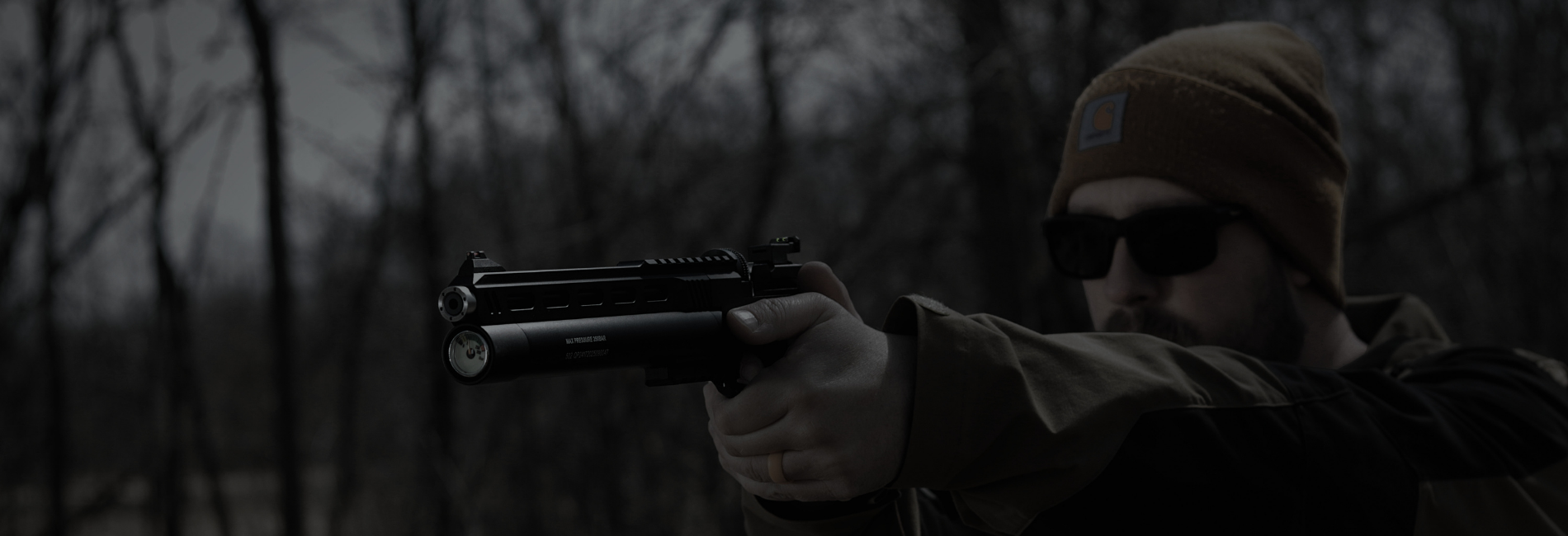
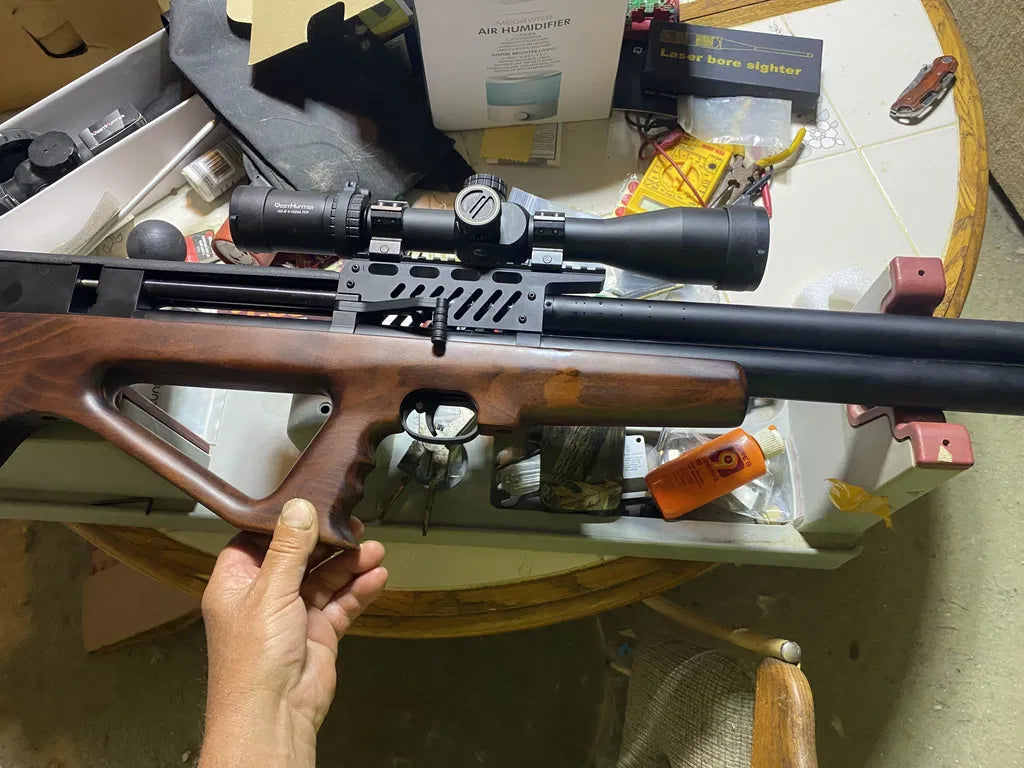
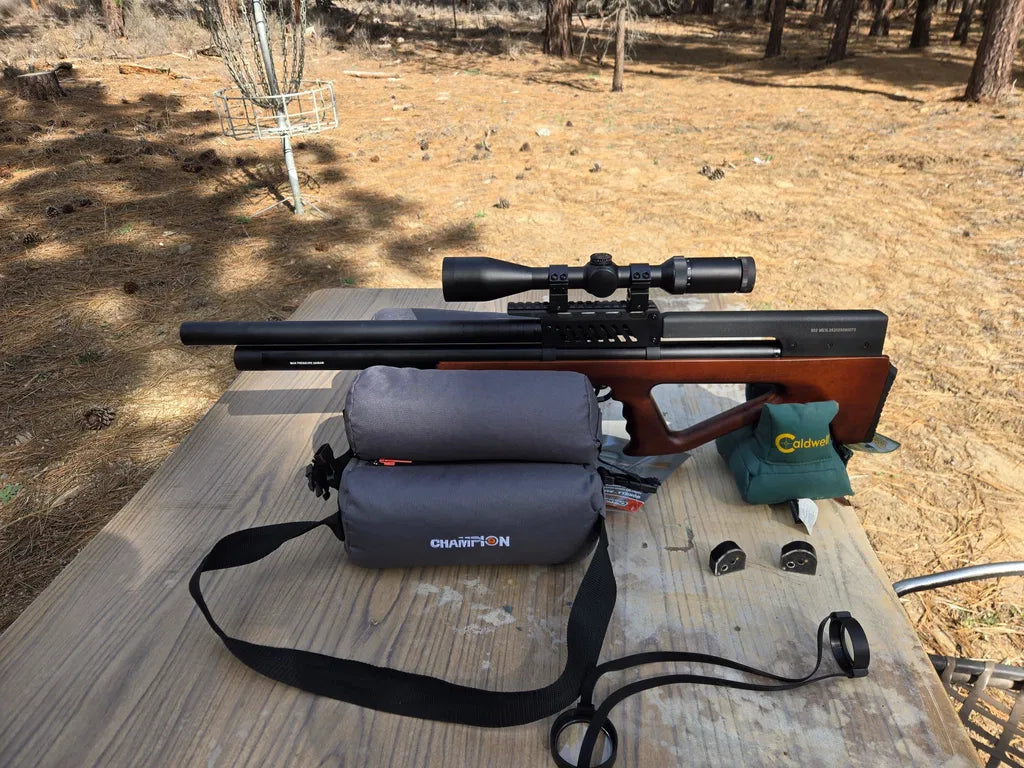
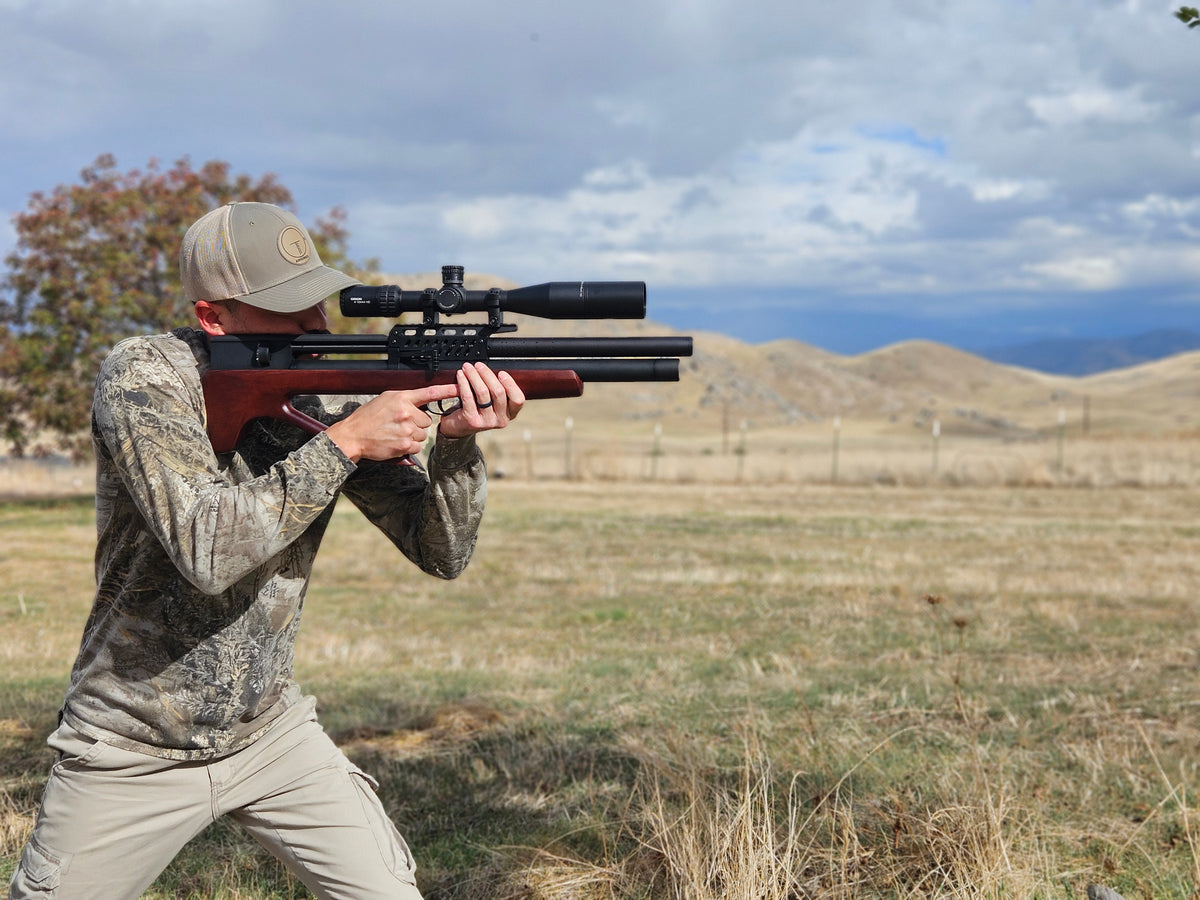
If you are interested in a PCP air rifle or PCP air pistol, these models offer smooth power and stable accuracy. Pinty currently carries PCP air guns, but they are temporarily out of stock due to high demand. You may leave your contact information and will be notified as soon as they are available.
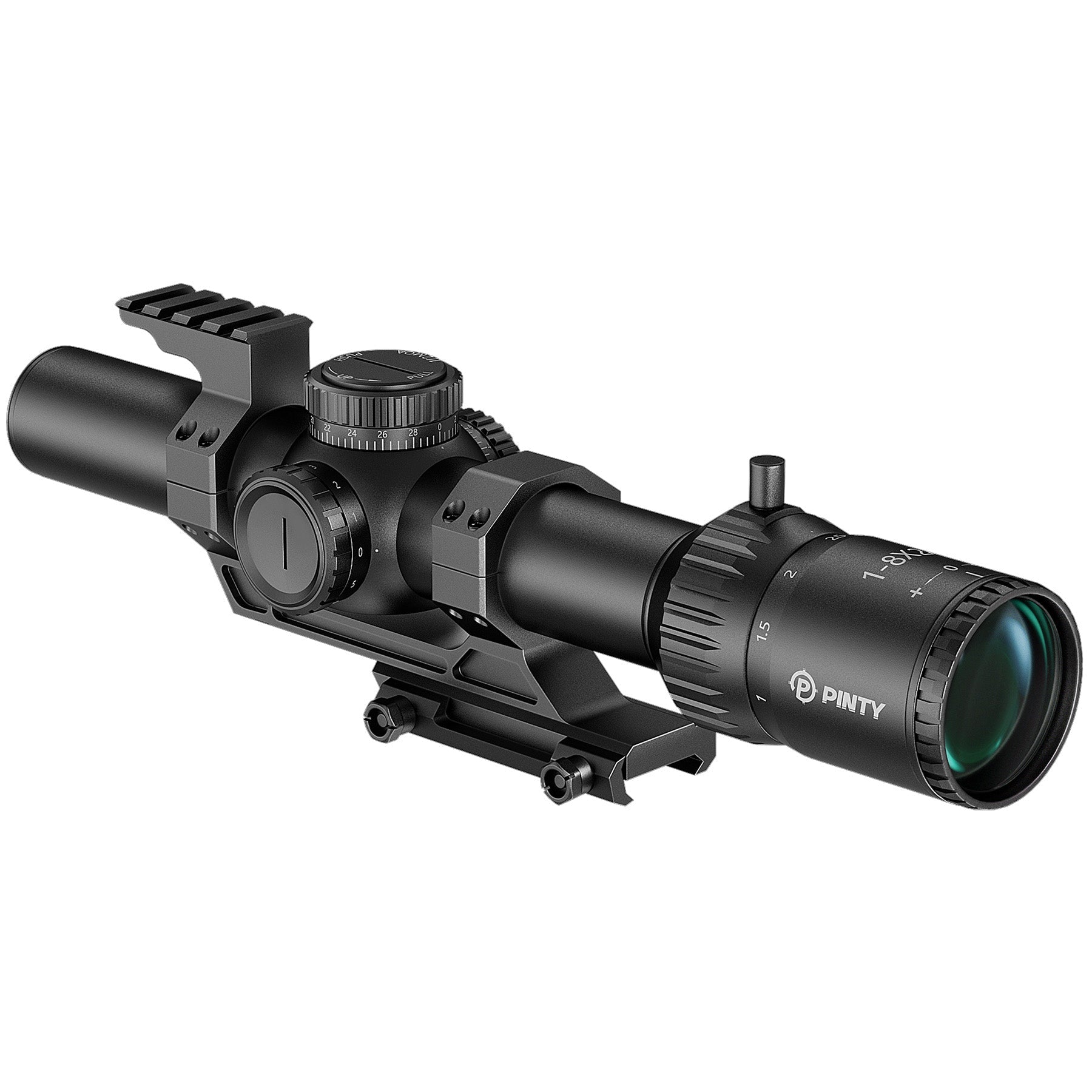
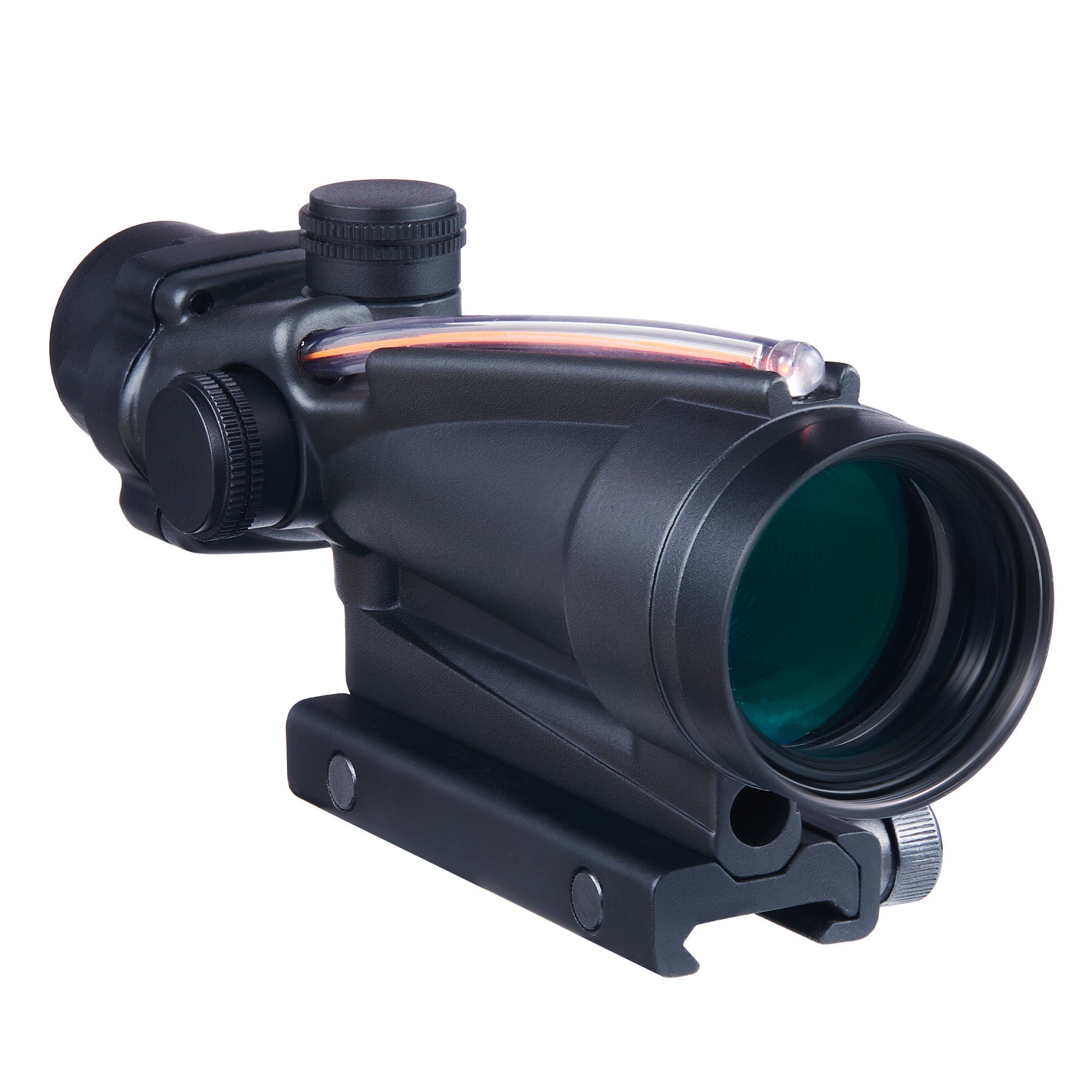
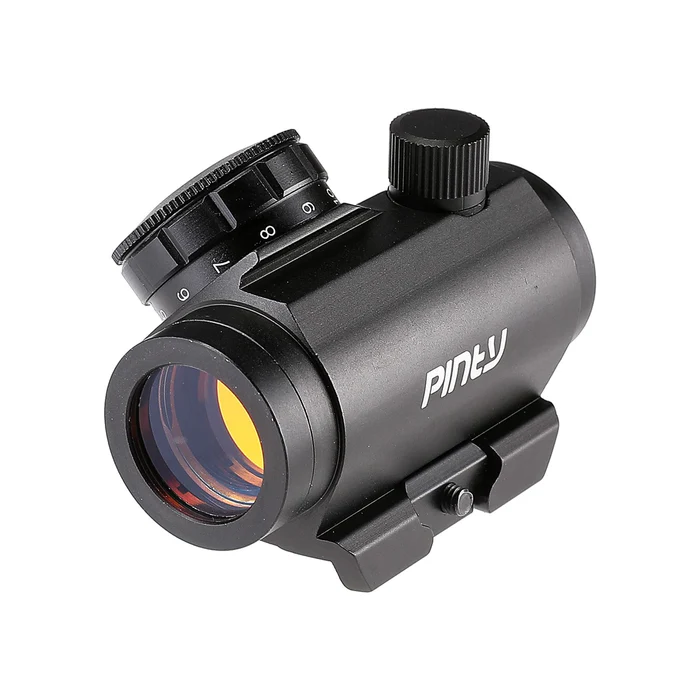
In the meantime, you can also explore other products such as rifle scopes and optics that work well with air guns. We hope you find a product that fits your needs.
Final Thoughts
Learning to use an air gun does not need to be complicated. By understanding power systems, preparing the correct equipment, and following basic safety rules, beginners can start with confidence.
Focus first on how your air gun works. Whether you use an air pistol or an air rifle, proper setup and safe habits matter more than anything else. Once these basics are clear, exploring more advanced topics becomes much easier.



Share:
How Far Can an Air Rifle Shoot?
CO₂ vs PCP vs Spring Airguns: A Simple Comparison for Beginners