

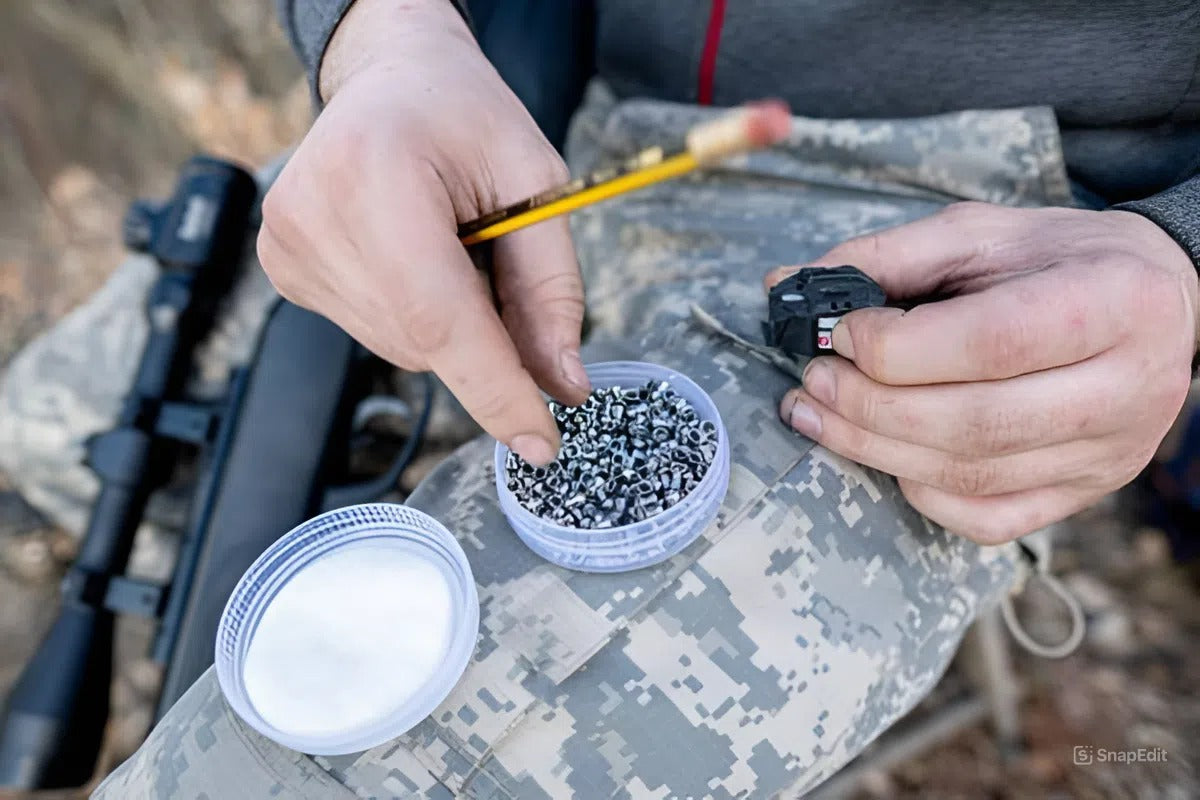
If you’re new to pellet guns, loading one can feel more complicated than it actually is. In reality, once you understand where the magazine is and how it works, the entire process takes less than four minutes, and even much less.
This is a simple guide that will walk you through how to load a pellet gun step by step, highlight some key tips that make loading easier, and point out common mistakes to avoid if you are doing this for the first time.

How to Load a Pellet Gun (Step by Step)
Most modern pellet guns use a pellet magazine that holds up to about 10 pellets. Loading the gun is really about finding the magazine, loading it correctly, and reinstalling it properly. Here’s how to load the pellet air gun in four steps:
Step 1: Engage the safety
Before doing anything else, switch the pellet gun to safety mode. This prevents accidental discharge while you’re handling the magazine and pellets. Always treat the gun as if it’s loaded, even when you’re sure it isn’t.
Step 2: Locate the pellet magazine
On most models of pellet guns, the magazine is typically located:
- Near the action or breech
- On the side of the receiver
- Or just below the bolt or side lever, depending on the model
On some pellet rifles, the magazine sits flush and isn’t immediately obvious. On PCP air guns, the magazine is usually more visible and easier to access.
Step 3: Release the magazine
To remove the magazine, pull back the bolt or side lever. This unlocks the magazine and allows it to be released.
Once the bolt is pulled back, the magazine should either:
- Slide out easily, or
- Be removable by hand with light pressure
Never force it: if it doesn’t move, double-check that the bolt is fully retracted.
Step 4: Remove the magazine by hand
With the bolt pulled back, simply take the magazine out with your hand and set the air gun aside in a safe direction.

Step 5: Load the pellet magazine
This is the most important step, and where most beginners struggle. Here’s the trick to loading a pellet magazine correctly:
- Pull the small lever or tab on the side of the magazine. This allows the internal rotor to turn.
- Insert pellets one at a time, hollow side (skirt) facing up.
- As you release the lever, the magazine will rotate and “click” into the next empty chamber.
- Repeat until the magazine is full (usually up to 10 pellets).
Take your time. Proper alignment now prevents feeding issues later.
Step 6: Reinsert the magazine and lock it in place
Once the magazine is loaded:
- Slide it back into the air gun
- Pull the bolt or side lever back once more
- Push it forward to lock the magazine firmly in place
Your pellet air gun is now loaded and ready to use.
Most Important Tips When Loading a Pellet Gun
If you remember nothing else, remember these tips; they make loading smoother and prevent most issues.
- Always load pellets hollow side up: Pellets are designed to seat correctly with the skirt (hollow side) facing up. Loading them backward can cause jams, poor accuracy, or damage to the magazine.
- Use the magazine’s rotation lever: Don’t try to force pellets into place. Always use the side lever to rotate the magazine so each chamber lines up properly.
- Pull the bolt before and after loading: Pull the bolt before removing the magazine, and pull it again after reinserting the magazine to lock everything in place. Skipping this step can cause feeding problems or prevent the gun from cycling correctly.
- PCP air guns are often easier: On PCP air guns, the magazine is usually more visible and easier to handle. The loading process is the same, but access is often more intuitive, especially for beginners.

Common Mistakes to Avoid When Loading a Pellet Gun
Even experienced users make these mistakes from time to time. Avoiding them will save you frustration and wear on your air gun.
- Forgetting to engage the safety: This is the most serious mistake. Always engage the safety before handling the magazine.
- Overfilling the magazine: If your magazine holds 10 pellets, stop at 10. Overfilling can damage the rotor and cause misfeeds.
- Forcing pellets into place: If a pellet doesn’t seat easily, remove it and try again. Forcing pellets can deform the skirt and affect accuracy.
- Not fully locking the bolt: If the bolt isn’t fully returned and locked, the gun may not fire or may fail to chamber a pellet properly.
Easy-to-Load Pellet Gun Recommendations from Pinty
If ease of loading is a priority, choosing the right air gun makes a big difference. Pinty offers beginner-friendly options that simplify the entire process.
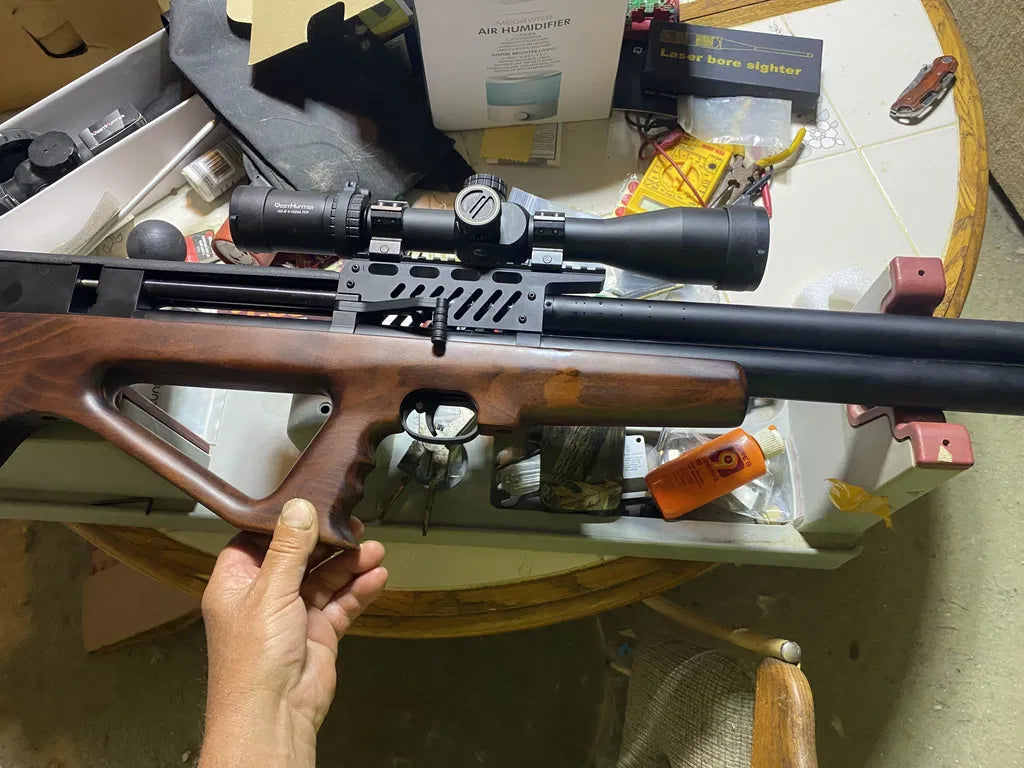
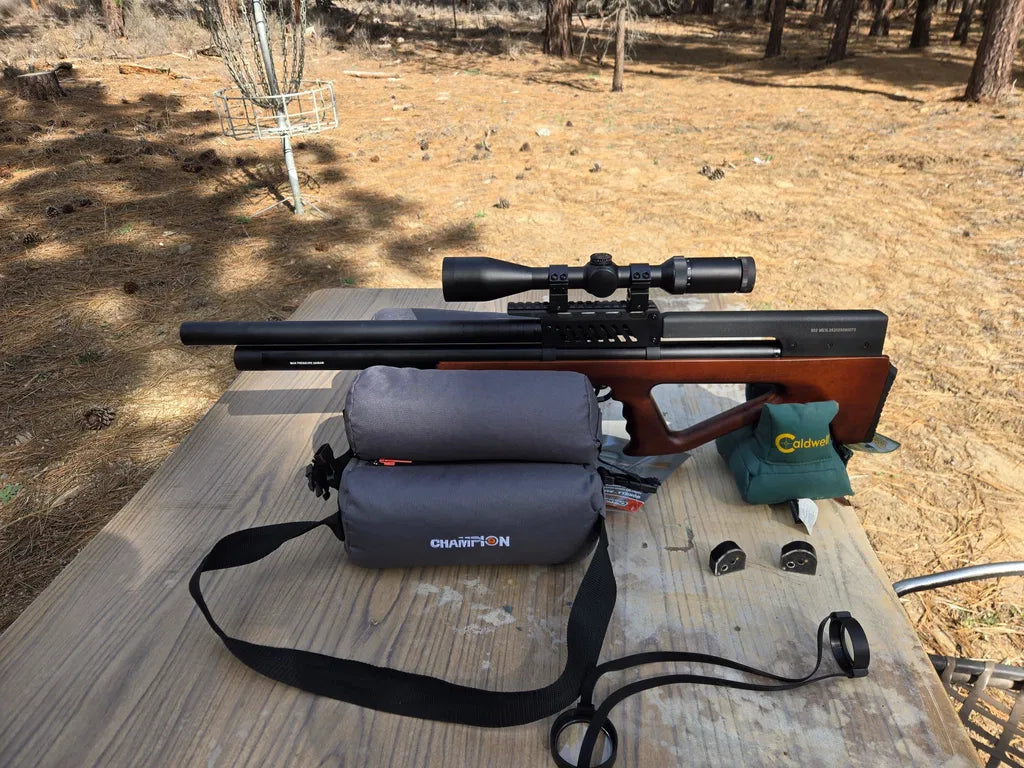
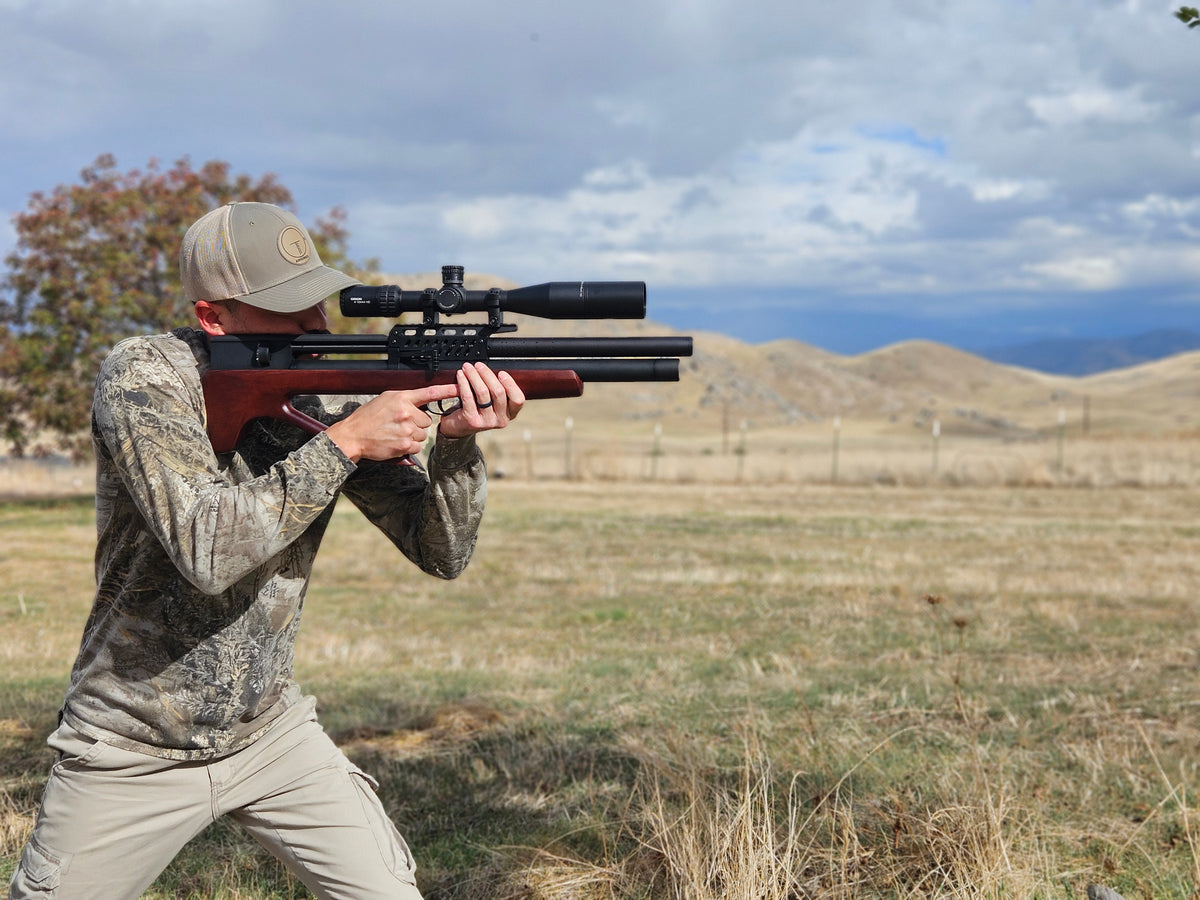
1. Pinty Vanguard – 9 Pellet .177 / .22 Cal PCP Air Gun (Highly Recommended)
The Pinty Vanguard air rifles are both excellent choices for users who want a pellet air gun that’s easy to load, easy to control, and consistent shot after shot.
Why it stands out for loading and usability:
- Side-lever action makes magazine access smooth and intuitive
- Dual magazines allow quick reloads without interruption
- Available in .177 (up to 880 fps) for flatter trajectories or .22 (up to 760 fps) for harder-hitting performance
- Built-in regulator ensures stable pressure and consistent feeding
- 100 cc air tank delivers approximately 25–30 shots
- Easy-read pressure gauge and manual safety keep you in control
- Integrated silencer and 11 mm dovetail rail complete the setup
For beginners, the Vanguard’s smooth cycling and clearly accessible magazine make loading far less intimidating than many traditional pellet rifles.
2. More Pinty PCP Options (for similar ease of use)
Pinty’s other PCP air guns follow the same beginner-friendly design philosophy:
- Clearly visible magazines
- Simple bolt or side-lever systems
- Smooth pellet feeding with minimal force required
If you’re learning how to load a pellet air gun for the first time, PCP designs from Pinty are among the easiest to get comfortable with.
.177 vs .22 Pellet Air Guns: Which Is Easier to Start With?
| Feature | .177 Caliber | .22 Caliber |
| Typical Velocity | Up to about 880 fps | Up to about 760 fps |
| Trajectory | Flatter, faster | More arched |
| Pellet Size | Smaller, lighter | Larger, heavier |
| Recoil Feel | Lighter | Slightly heavier |
| Accuracy for Beginners | Easier at longer distances | Very stable at shorter ranges |
| Pellet Cost and Availability | Generally cheaper and widely available | Slightly more expensive |
| Best For | Target practice, training, small game | Maximum impact, pest control |
| Ease of Loading | Very easy | Very easy (slightly larger pellets can be easier to handle) |
Quick takeaway:
- Choose .177 if you want flatter trajectories and easier accuracy at distance.
- Choose .22 if you prefer harder-hitting shots and slightly easier pellet handling.
Both calibers are beginner-friendly when paired with a PCP air gun like the Pinty Vanguard, thanks to its smooth magazine system and side-lever action.

Final Thoughts on Loading a Pellet Gun
Loading a pellet air gun isn’t complicated; it’s just unfamiliar at first. Once you understand how the magazine works and how to seat pellets correctly, the process becomes quick, repeatable, and stress-free.
By following the steps above, avoiding common mistakes, and choosing a well-designed air gun like the Pinty Vanguard, you’ll spend less time loading and more time shooting confidently.
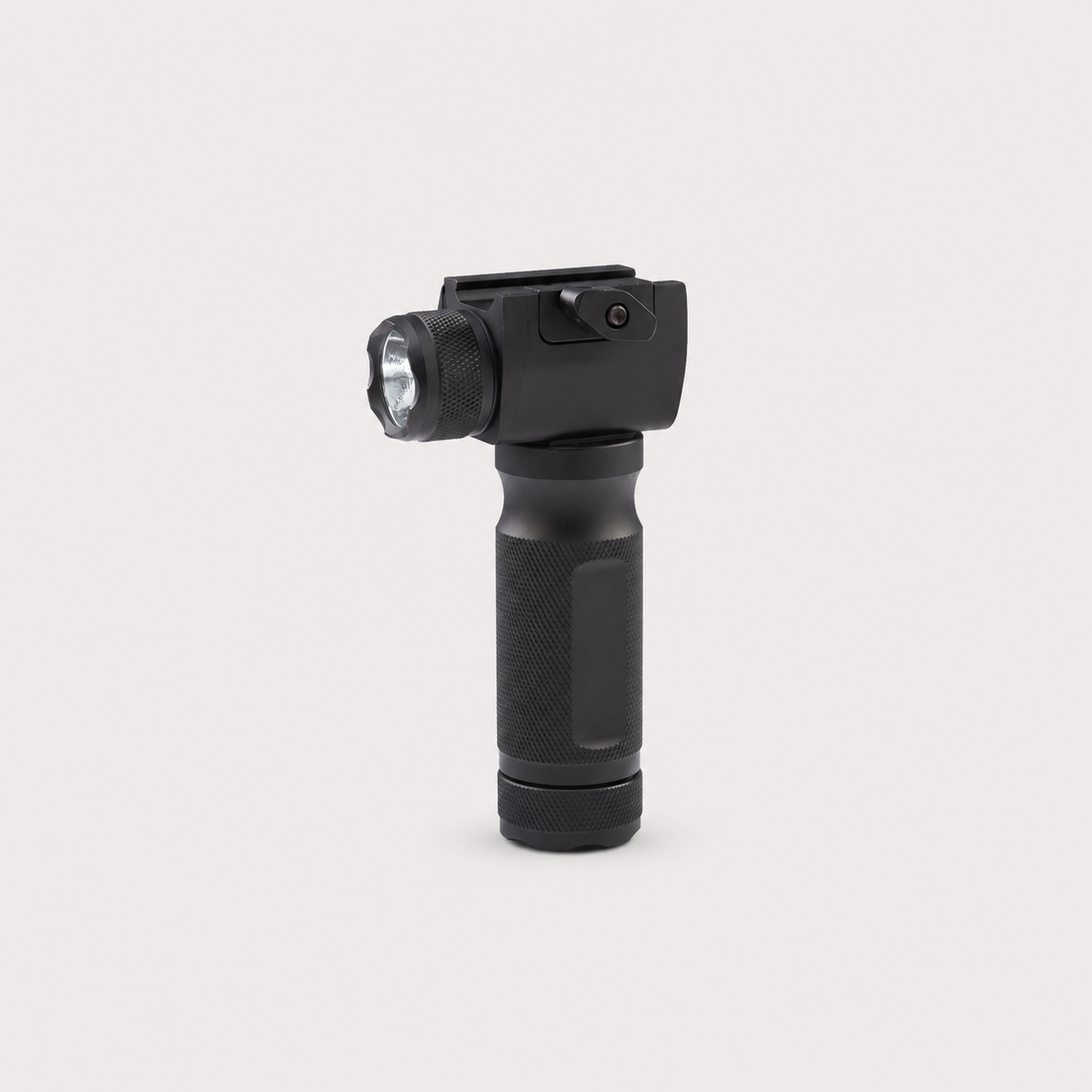
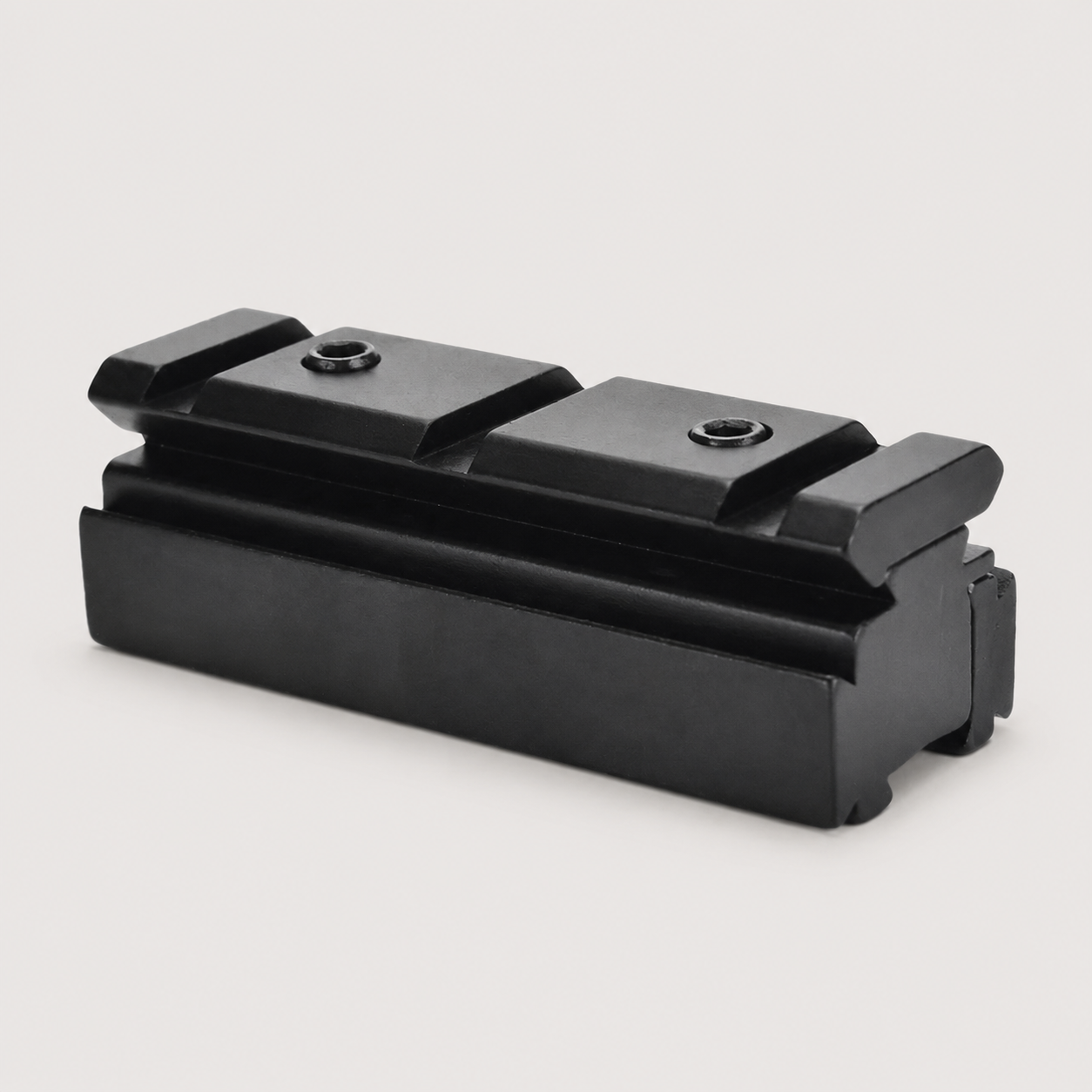
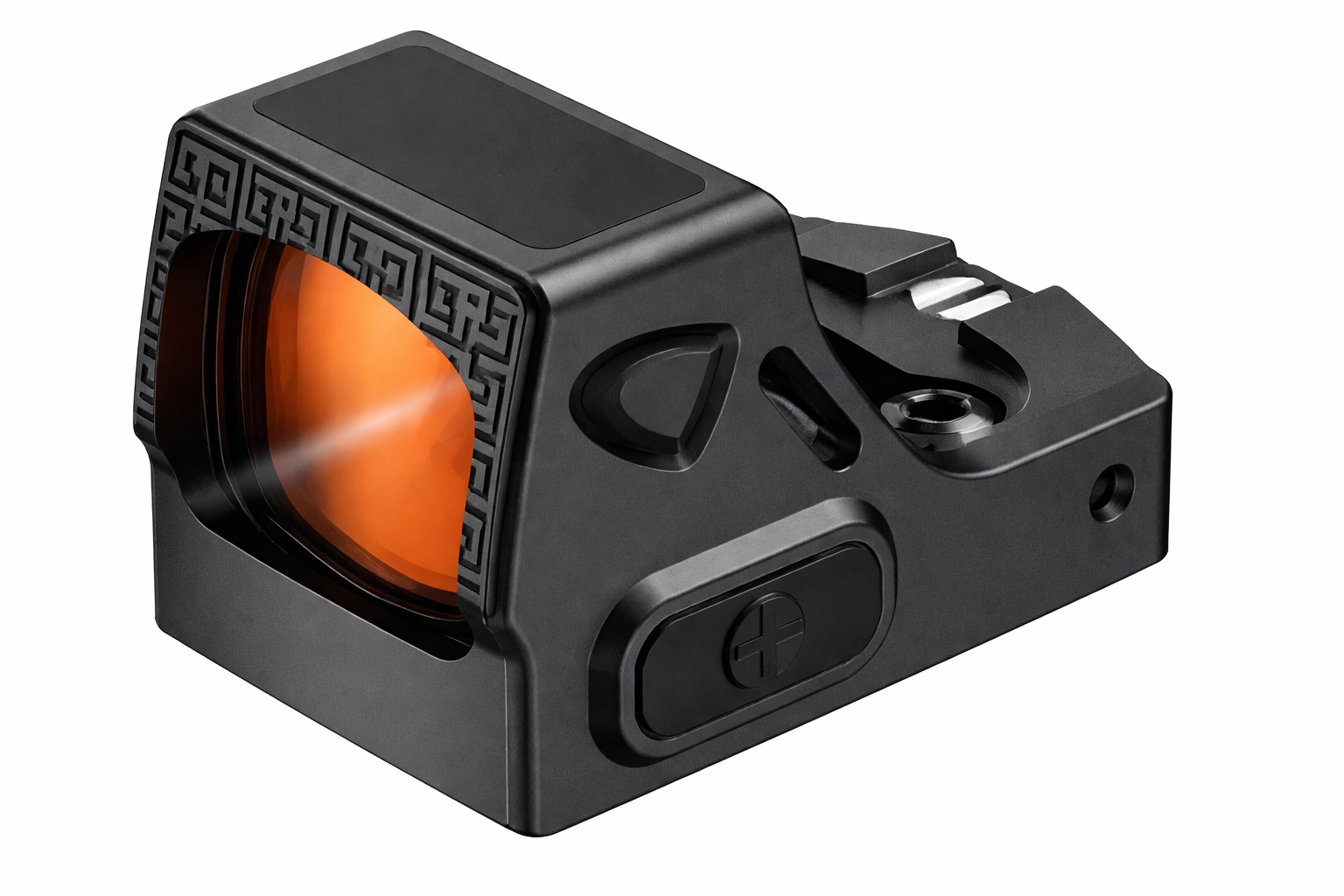
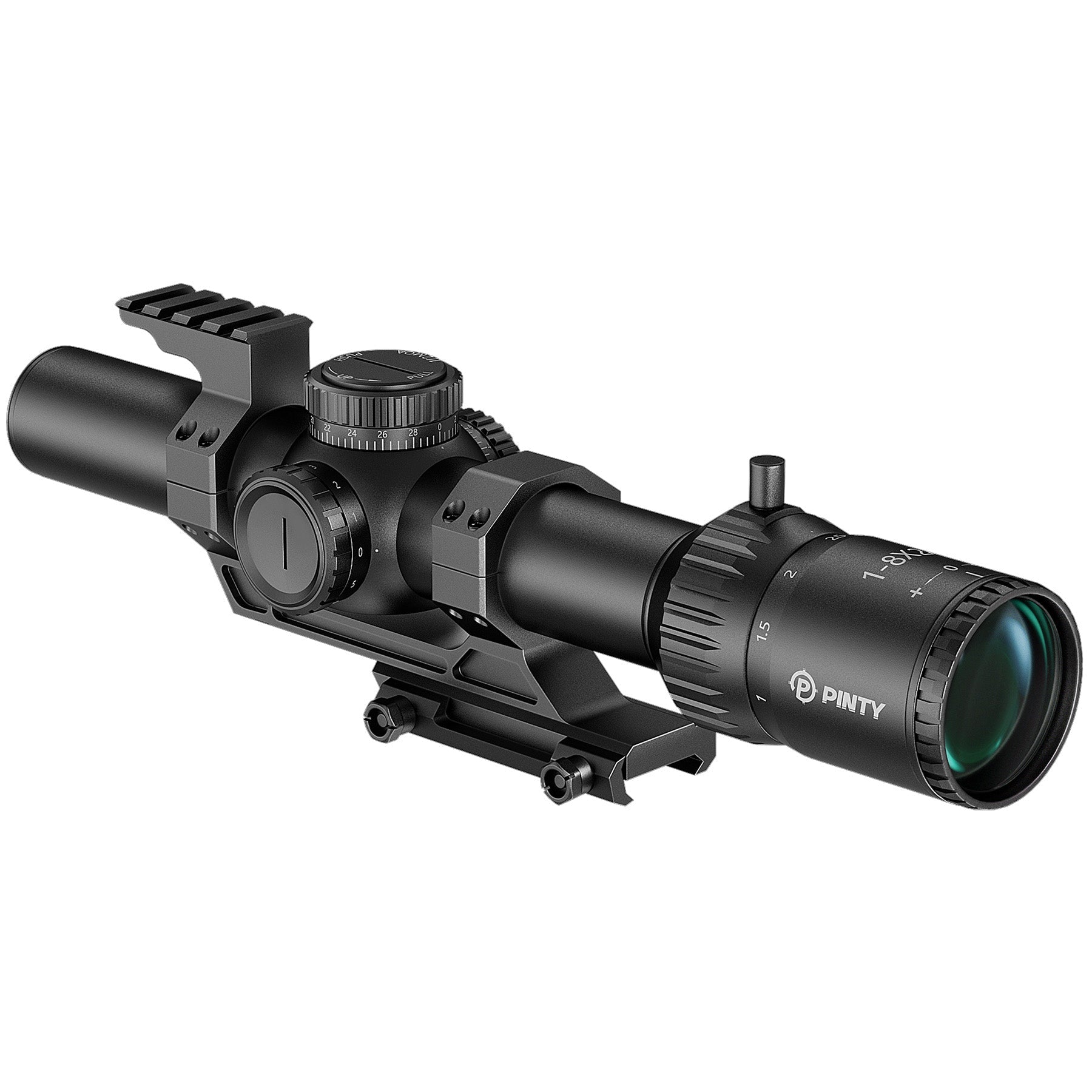
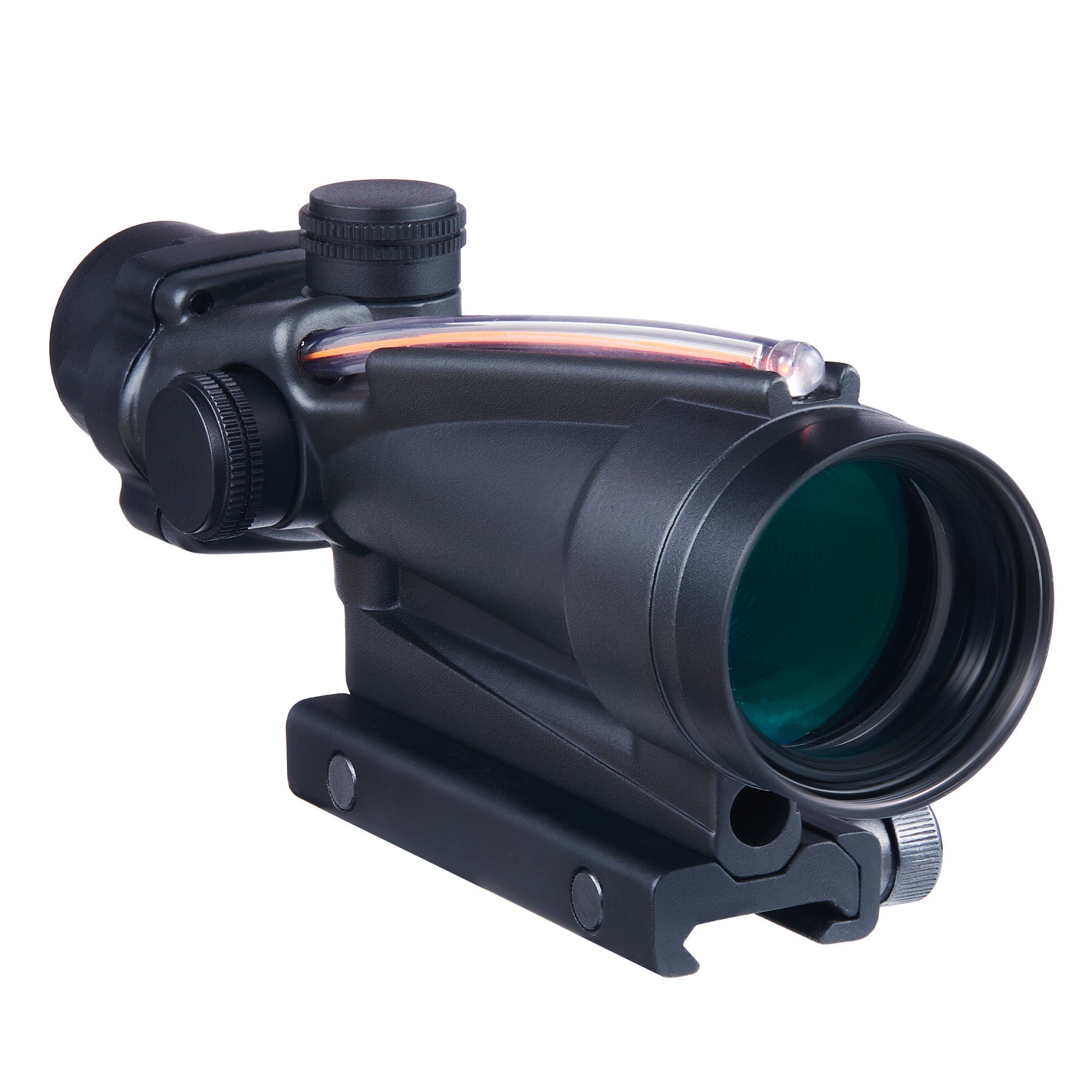
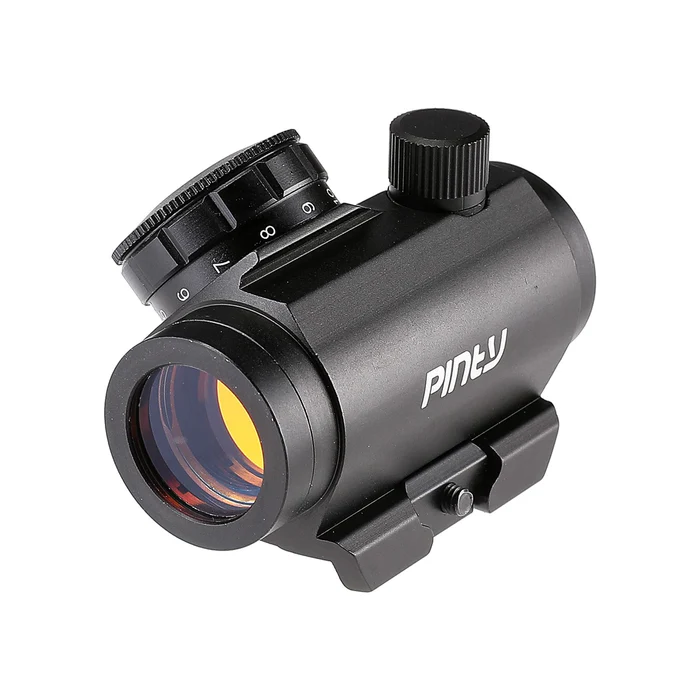
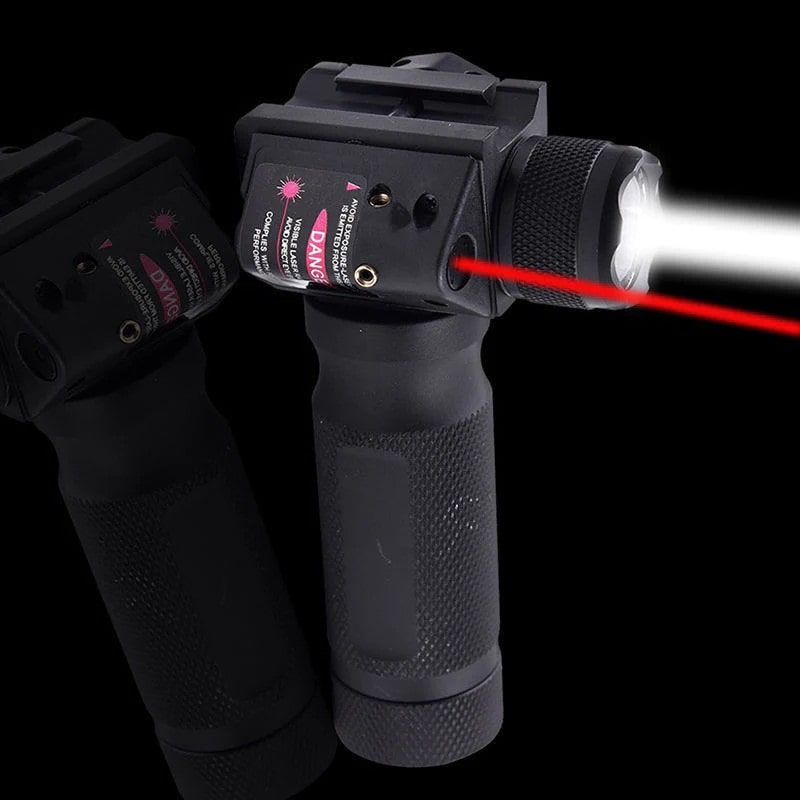
Explore some scopes and accessories for your air rifle from Pinty, and discover how long to leave a PCP air rifle charged.




Share:
A Thoughtful Christmas Gift for Someone Who Loves Shooting Sports
How Far Can an Air Rifle Shoot?