

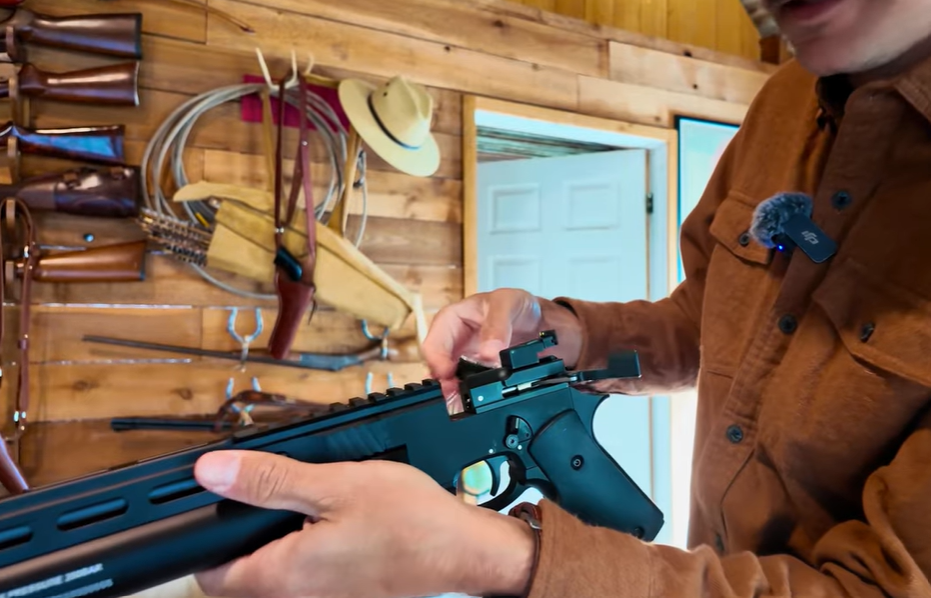
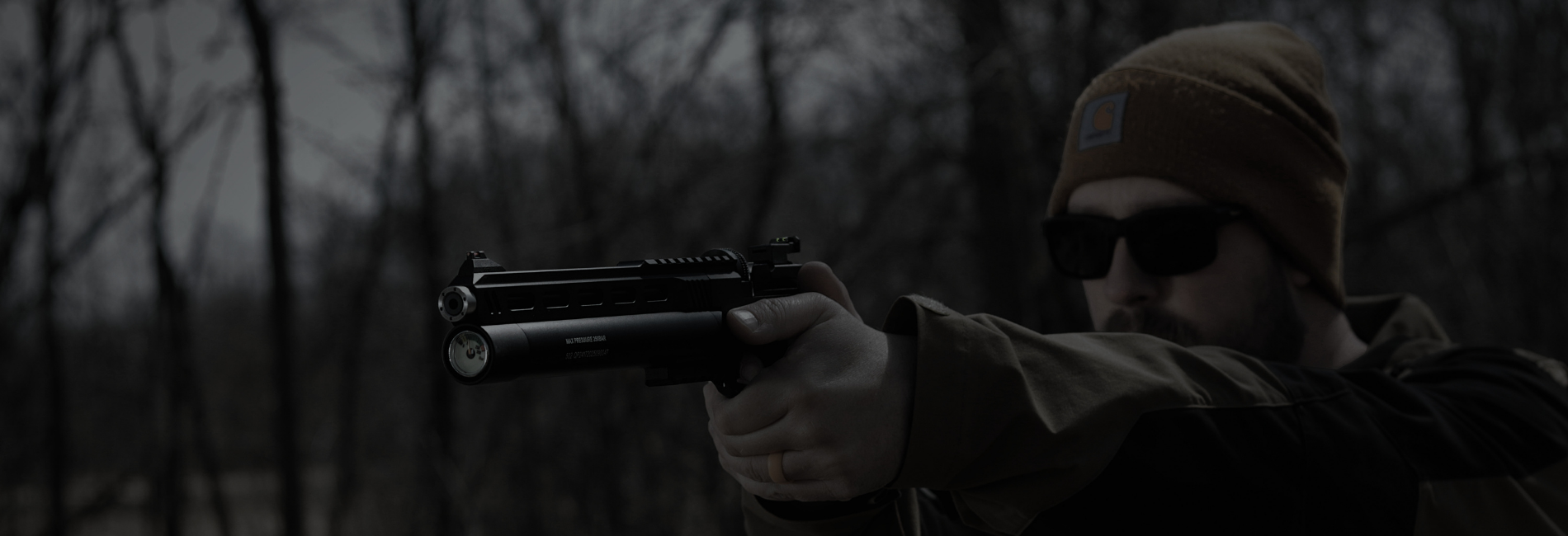
If your PCP air rifle feels incredibly powerful but your downrange groups are still scattering, the issue isn't your rifle. Your optic setup simply isn't locked in. Achieving a laser-accurate 50-yard zero on Pinty PCP air rifles, like the Falcon X, Nighthawk, or Falcon requires eliminating every ounce of mechanical play from your scope rings to your reticle. By properly aligning your mounting system, executing a fast bore-sight, and tracking your downrange trajectory on a DOPE card, you can stop wasting air and ammunition and confidently place every shot exactly where the crosshairs meet.
The Scope Setup Is Different for Airguns
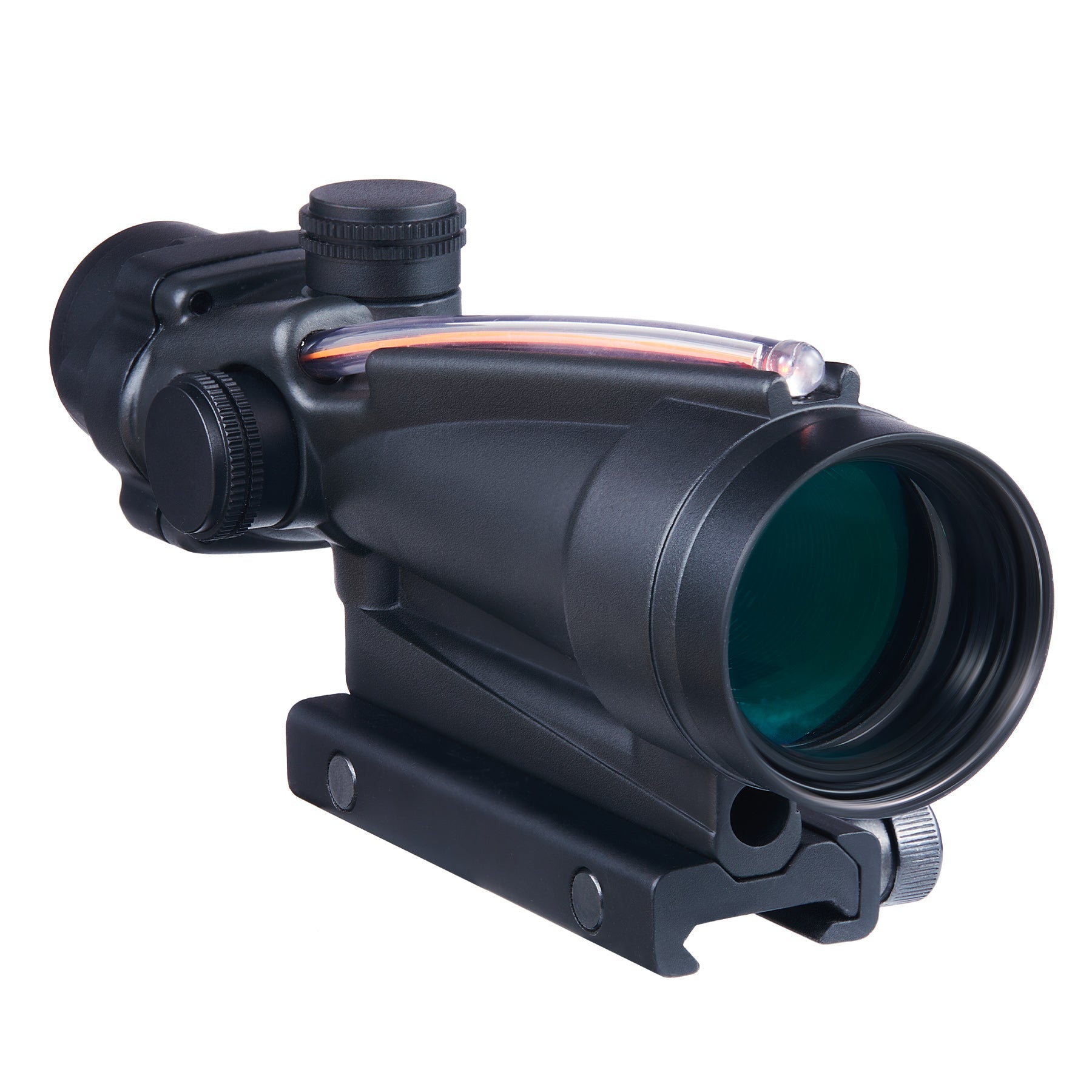
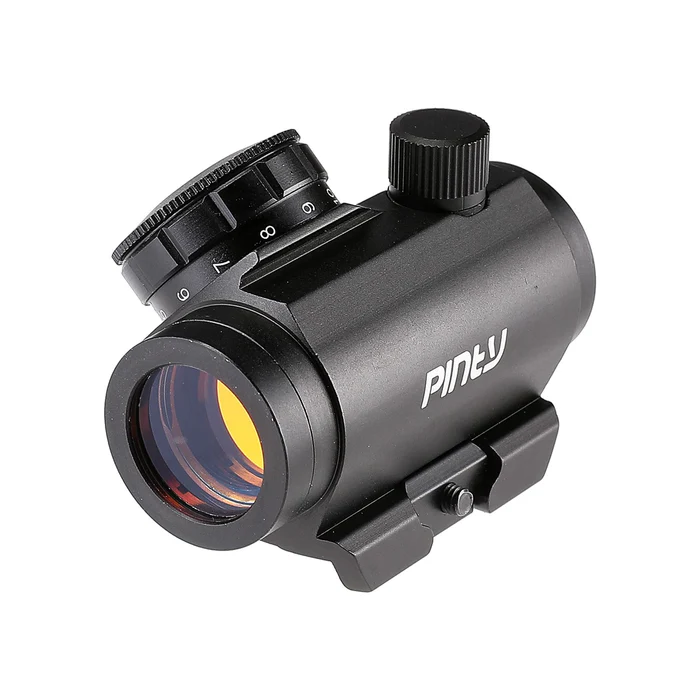
If you are coming from the centerfire world, you may be looking for a heavy-duty “shockproof” scope. A PCP’s shot cycle is smooth, so recoil resistance is less of a concern than it is on a high-recoil centerfire rifle. The scope still needs to be suitable for airgun use and for your intended shooting distance.
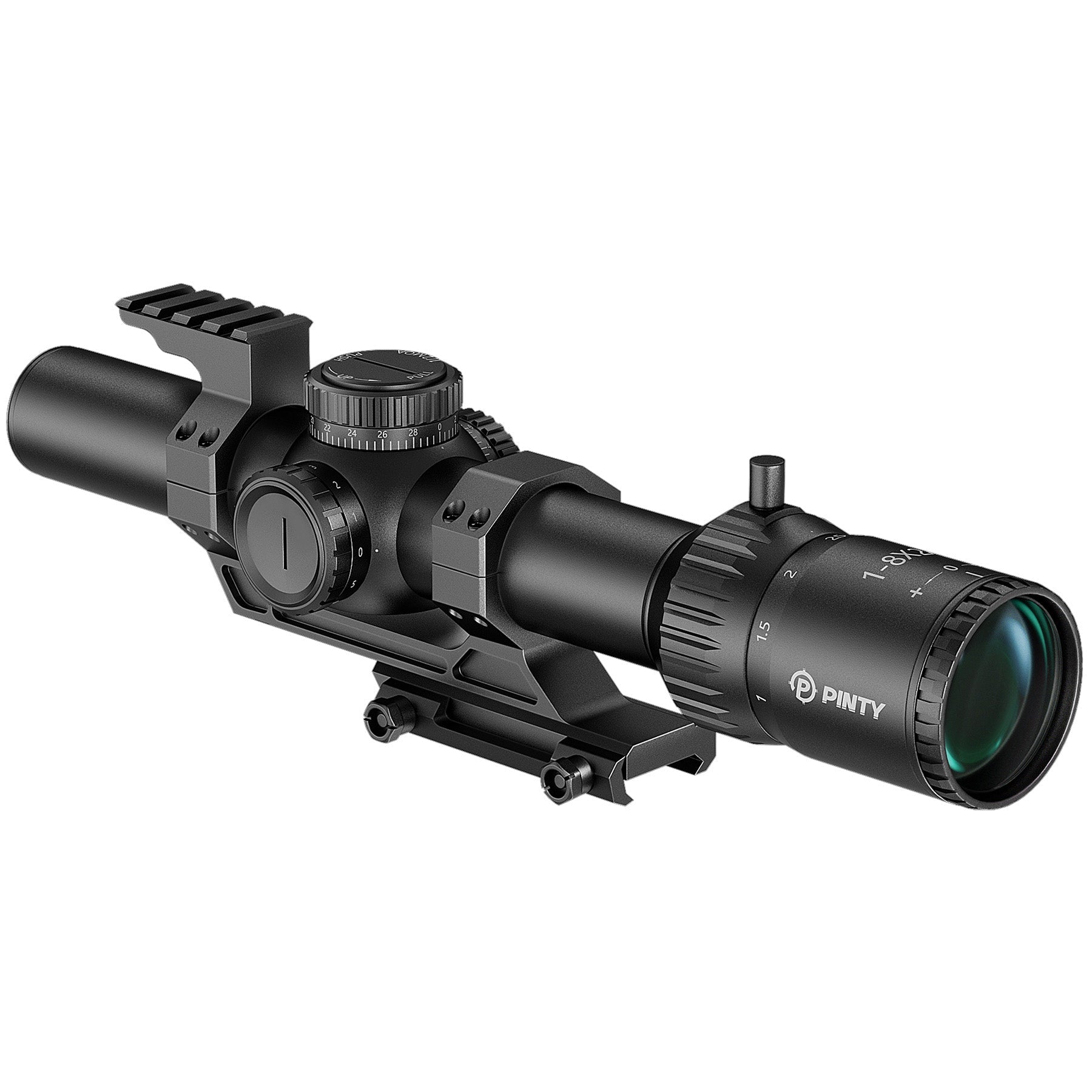
What you do need is parallax adjustment, ideally a side-focus turret. If you are shooting at 15 or 20 yards and the scope’s parallax is fixed at 100 yards, a small shift in cheek weld can move the point of aim. That can produce unexplained fliers.
A Mil-Dot or MOA reticle is also useful. Pellets have a steeper trajectory past 40 yards, so holdover is part of normal airgun shooting.
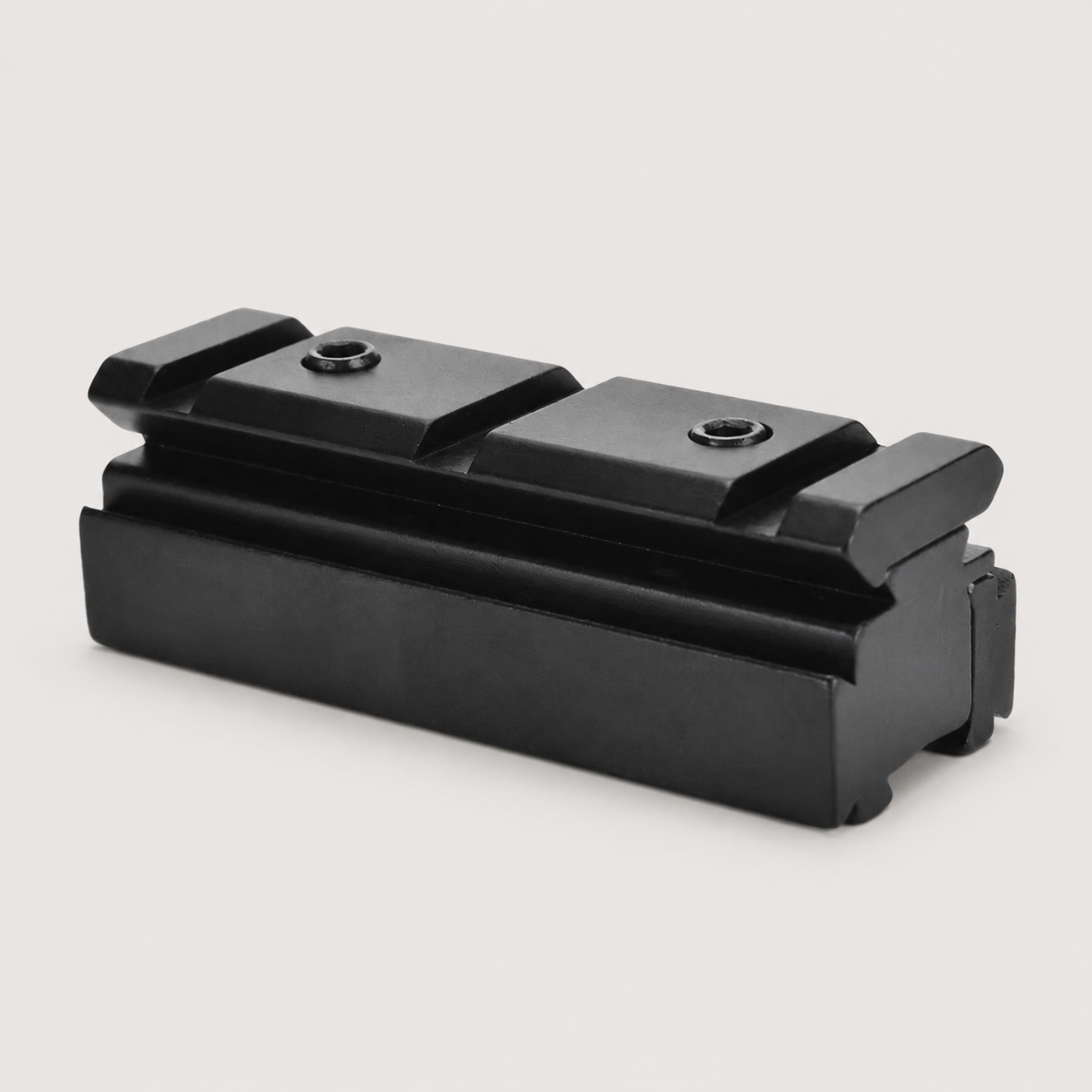
Finally, check the mounting system. The Pinty Falcon PCP air rifle and Pinty Falcon X both come with a 21mm Picatinny rail. The rail interface and the scope main-tube diameter are separate compatibility conditions: the rings must match the rifle’s rail interface and also match the scope’s main-tube diameter, such as 30mm or 1-inch. Use rings that are compatible with both, and follow the ring and scope manufacturer’s instructions.

Mounting Your Glass Without Over-Tightening
Once you have selected a scope, do not tighten the ring screws with a standard screwdriver or without checking the manufacturer’s specifications. Over-tightening can crush the main tube or bind the internal elevation and windage turrets.
Torque Specs Matter
Follow the torque specifications provided by the scope and ring manufacturers. Use an inch-pound torque wrench where specified, and do not exceed the manufacturer’s recommended values.
Next, set eye relief. Do not mount the scope all the way back by default. Close your eyes, shoulder the rifle naturally, take a deep breath, and open your eyes. You should see a clear sight picture with no dark shadows around the edges. Slide the scope forward or backward in the rings until the sight picture is edge-to-edge clear, then torque the rings according to the manufacturer’s instructions.
The 50-Yard Zero
For hunting and most target work, 50 yards is a practical zero distance for a PCP rifle. The steps below help reduce wasted pellets and range time.
Get on Paper First with Bore-Sighting
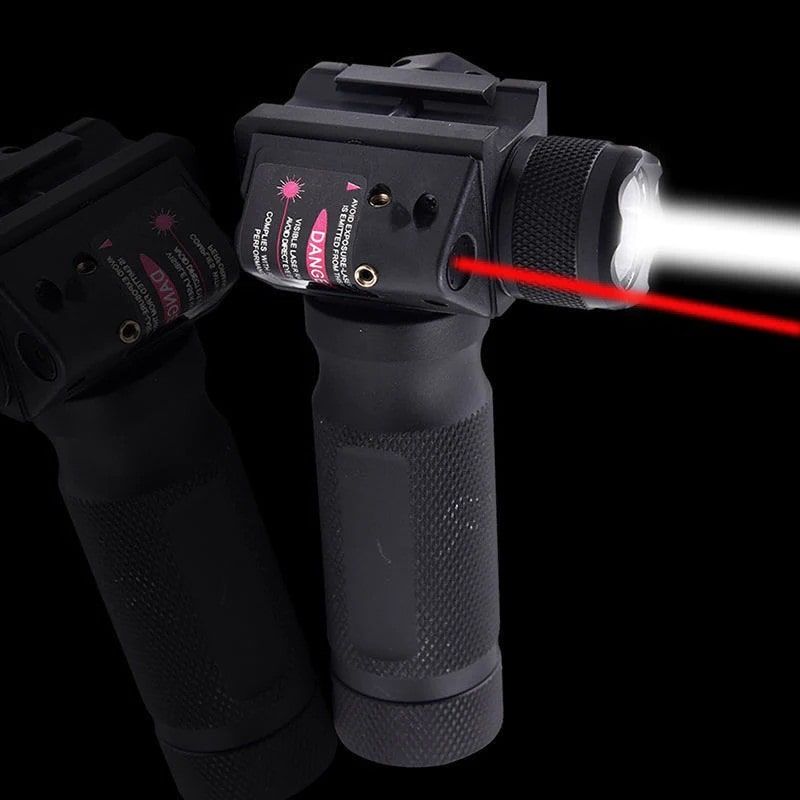
Do not fire a shot yet. Place the rifle in a solid gun rest. If the action allows, remove the magazine/bolt and look down the barrel from the breech end at a target 25 yards away. Adjust the scope turrets until the crosshairs match what you see down the bore. If you cannot look down the bore, a laser bore-sighter can help. This helps get the first shots closer to the paper, but it does not guarantee point of impact or group placement.
25-Yard Sanity Check
Fire a 3-shot group at 25 yards. It does not need to be perfect, but it should be on paper. If the point of impact (POI) is far from the point of aim (POA), adjust the turrets to move POI closer to POA. Check your scope manual for the click value.
Moving to 50 Yards
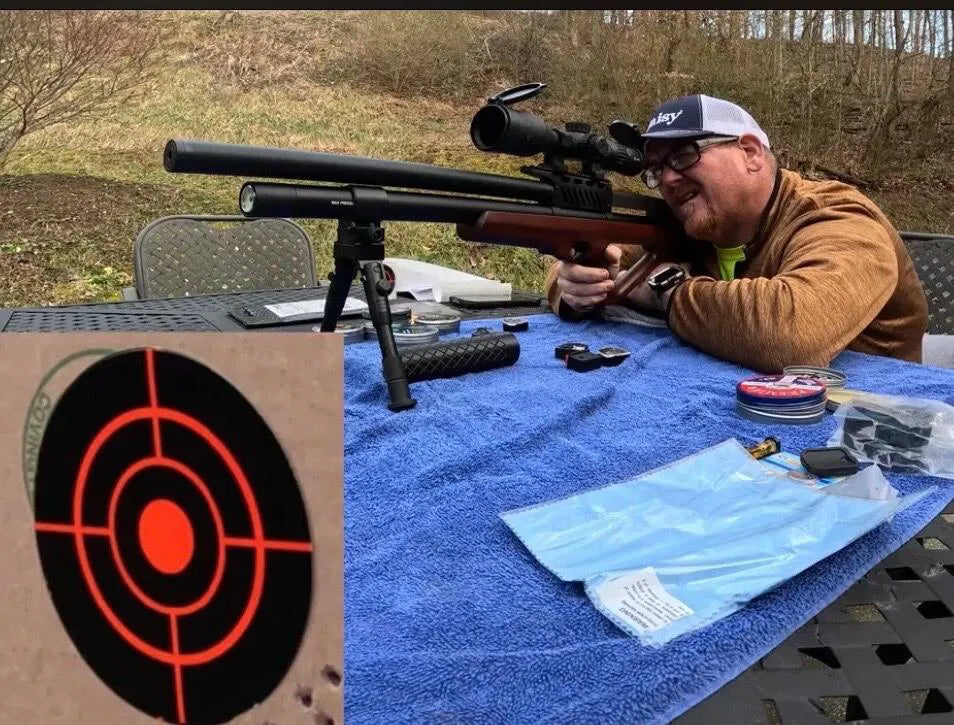
Move the target to 50 yards and shoot a 5-shot group. Find the center of that group.
For example, if you are hitting 1.5 inches low and 1 inch right, first confirm your scope’s turret click value. Many scopes use 1/4 MOA turrets, where 4 clicks equal 1 inch at 100 yards, which means 8 clicks equal 1 inch at 50 yards. Under that assumption:
To move 1.5 inches UP at 50 yards
12 clicks UP
To move 1 inch LEFT at 50 yards
8 clicks LEFT
Always verify the click value and adjustment direction in your scope manual. Some scopes use 1/8 MOA, MIL, or other adjustment systems.
Build Your DOPE Card
Once you are on target at 50 yards, continue shooting at 20, 30, 75, and 100 yards. Because pellet weight affects trajectory, record how much the pellet drops or rises at different distances.
Write down the number of clicks or reticle holdover marks needed for each distance. Tape that DOPE card (Data on Previous Engagement) to the rifle stock or keep it with your range kit. This gives you a reference for engaging targets at different distances.
Wrapping It Up
Whether you are running a high-volume Pinty Falcon X for range days, a dual-caliber Pinty Nighthawk .22/.25 for pest control, or the wood-stocked Pinty Falcon for precision benchrest, good glass and proper setup make a difference.
Take your time mounting the scope, follow the scope and ring manufacturer’s torque instructions, and verify your target data at the range. Also consult the Pinty product page and owner’s manual for your exact rifle model before making adjustments.
Still deciding which platform fits your shooting style? Explore and compare all Pinty PCP air rifles to review specifications, manuals, and model-specific details.
Precision Starts Here
Find your perfect PCP platform.
From the high-capacity Falcon X to the dual-caliber Nighthawk, explore the full lineup and get your zero dialed in.



Share:
Pinty PCP Pellet Guide with Published Specifications and Head-Size Considerations