


Pinty Striker Compact Bullpup MKII: What’s New and What Shooters Are Saying
Beyond the laboratory specification sheet—how real-world impressions from actual airgun enthusiasts are defining our latest PCP evolution.
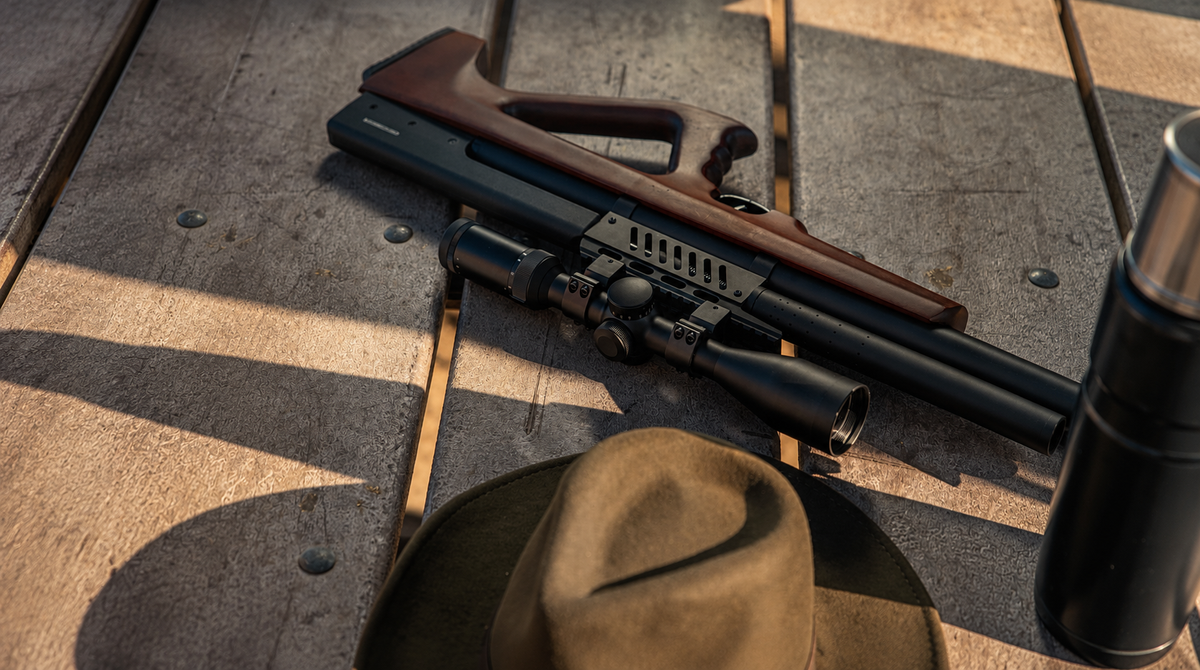
 Real-world setup & initial testing shared within the airgun community.
Every product looks clean and controlled on a specification sheet. But once a rifle leaves the production line and lands in the hands of people who actually shoot it, a completely different story begins.
That exact transition caught our team's attention recently when we came across an active thread about the Pinty Striker Compact Bullpup MKII inside the Hard Air Magazine community. What made this discussion particularly compelling was its origin: it didn't stem from a paid brand campaign or a pre-scripted product review. It started with an airgun enthusiast who had just unboxed his new .25-caliber Striker MKII and wanted to share his unfiltered first impressions with fellow shooters.
For a team that spends endless hours analyzing pneumatic flow, mechanical tolerances, and ergonomic refinements, authentic field feedback like this is invaluable. It gives us a rare opportunity to step back and view the platform through the eyes of the end user—focusing not just on what we engineered, but how the rifle actually feels during a real shooting session.
Listening to the Airgun Community
The community discussion began with a straightforward question: Had anyone else taken delivery of the new Pinty Striker MKII?
The owner explained that marginal weather limited his initial range time, but even after sending just a few pellets downrange, he immediately noticed distinct operational differences compared to his previous-generation Striker air rifles. In his own words, the new MKII felt noticeably more powerful, while both the sidelever cocking mechanism and trigger pull felt significantly smoother.
“Even after only a few initial shots, the new MKII felt distinctly smoother on the cocking sidelever and trigger, with a noticeably punches-above-its-weight downrange feel.”
These are subjective human observations rather than sterile laboratory metrics—and that is precisely why community discussions hold so much weight. Real shooters don't evaluate rifles on bench computers alone. They notice how a rifle shoulders during offhand shots. They notice the tactile resistance of a sidelever during an extended session. They observe how intuitive the controls feel under real conditions, and they ask practical questions that spec sheets rarely answer.
The original thread included detailed setup photos, optic mounting choices, and target group shots taken during 25-yard initial testing. Seeing the Striker MKII spark genuine engagement among passionate airgunners serves as a constant reminder of why user-centric design matters.
Read the original Hard Air Magazine community discussion →
The Story Behind the Striker Compact Bullpup MKII
The Striker MKII was never intended to be a visual re-skin. Our core engineering objective was to systematically refine internal performance while preserving the maneuverable bullpup architecture that defines the Striker identity.
By positioning the action and magazine well behind the trigger group, the bullpup configuration allows the rifle to maintain a full 22-inch barrel inside a remarkably short 32.8-inch overall frame. For shooters operating in tight blinds, dense brush, or mobile setups, this layout yields exceptional handling without sacrificing the velocity or stability associated with a long barrel.
Redesigned Exhaust Valve
Re-engineered internal valve geometry optimizes air evacuation efficiency per cycle, promoting flat velocity curves and consistent shot-to-shot regulation.
Updated Hammer System
The newly calibrated hammer assembly works in harmony with the revised valve, opening the air path cleanly and reducing lock-time disturbance.
Smooth Sidelever Linkage
Tightened mechanical tolerances deliver effortless cocking, allowing shooters to cycle follow-up rounds rapidly without losing sight line continuity.
21mm Picatinny Rail
A monolithic optic rail provides rock-solid mounting for everything from long-range precision scopes to lightweight tactical red dots.

Striker Compact Bullpup MKII Specifications
Available in .22 & .25 CalWhat Changed Inside the Striker MKII?
1. Redesigned Exhaust Valve Geometry
The valve is the pneumatic brain of any PCP airgun. It dictates exactly how compressed air escapes the reservoir and enters the breech. For the Striker MKII, the exhaust valve was redesigned from the ground up to stabilize airflow release and enhance shot-to-shot consistency. Rather than making grand sweeping claims, we let shot-group consistency and real user feedback speak for themselves.
2. Recalibrated Hammer Mechanism
An upgraded valve requires a properly matched hammer system. The MKII's revised hammer assembly delivers precise kinetic striking energy matched to the valve spring tension. The result is a balanced internal cycle that eliminates air waste and delivers consistent pellet propulsion.
3. Designed with Modular Customization in Mind
No air rifle is used completely in isolation. Shooters build personalized shooting systems tailored to their environment. Featuring an integrated 21mm Picatinny rail, the Striker MKII effortlessly accepts traditional glass scopes or compact red dots. Weighing roughly 6.3 pounds, its center of gravity sits close to the shooter's body, maintaining an effortless hold during offhand target engagement.
The Featured Platform: Striker Compact Bullpup MKII

Pinty Striker Bullpup MKII (.22 / .25)
Equipped with a regulated 310cc cylinder, 22-inch precision barrel, smooth sidelever action, and an upgraded pneumatic valve core.
- Regulated Consistency: Flatter shot strings across fills
- Compact Agility: 32.8" total length for tight spaces
- Optic Ready: Integrated 21mm Picatinny rail
What Real-World Feedback Means to Us
Specifications tell you what a rifle is designed to do. Community discussions tell you what a shooter actually noticed in the field. Those are two very different things.
In the Hard Air Magazine thread, the owner didn't just upload a stock product photo. He shared unvarnished setup choices, tested his zero at 25 yards, noted environmental variables, and regularly updated the thread as he accumulated round count. That authentic, naturally imperfect feedback—where weather gets in the way, optics require re-zeroing, and lever smoothness is praised—is precisely what helps us grow as a manufacturer.
To everyone who has purchased a Pinty rifle, shared field photos, posted honest forum feedback, or offered suggestions for future builds—thank you. The story of the Striker MKII doesn't end when it leaves our factory floor; it continues every time a shooter opens the case, dials in their optic, and heads out to the range.
Frequently Asked Questions
What is the Pinty Striker Compact Bullpup MKII?
The Striker MKII is a pre-charged pneumatic (PCP) air rifle built in a compact bullpup configuration. Available in .22 and .25 caliber models, it features a 310cc air reservoir, a 22-inch barrel, a regulated valve system, a smooth sidelever action, and a 21mm Picatinny rail.
How is the Striker MKII different from the original Striker?
The MKII introduces significant internal upgrades, specifically a redesigned exhaust valve and a recalibrated hammer mechanism. These internal refinements are designed to optimize air delivery, smooth out the sidelever operation, and improve overall shot consistency.
Can I mount optics on the Striker MKII?
Yes. The Striker MKII comes standard with a rigid 21mm Picatinny optic rail designed to host full-size variable power scopes, red dot sights, or specialized airgun optics.
Is the Striker MKII beginner-friendly?
The rifle features a straightforward sidelever action and balanced handling. However, anyone new to high-pressure airguns should thoroughly review safe handling, pressure filling guidelines, and operating instructions before shooting.
Explore the Pinty New-Gen PCP Collection
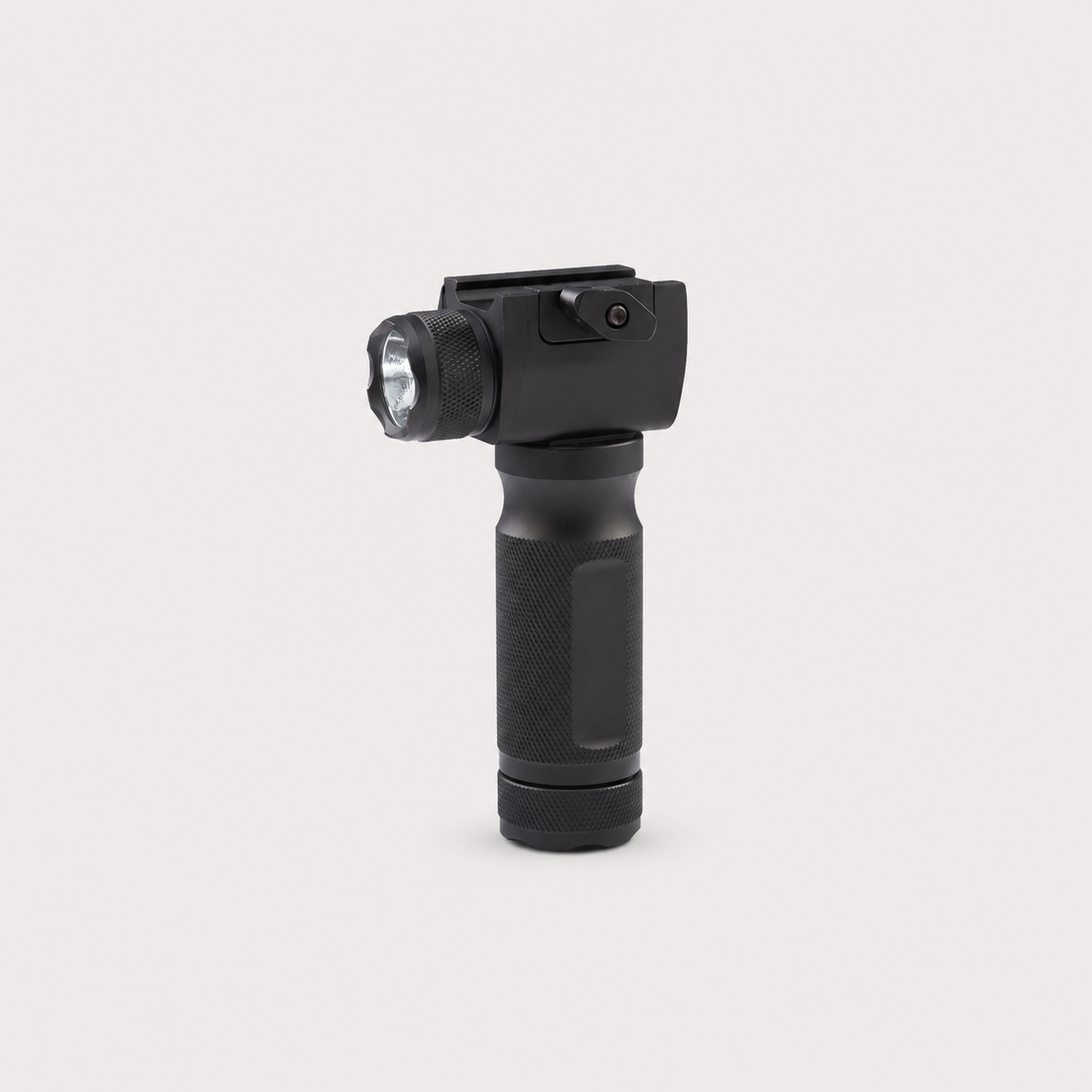
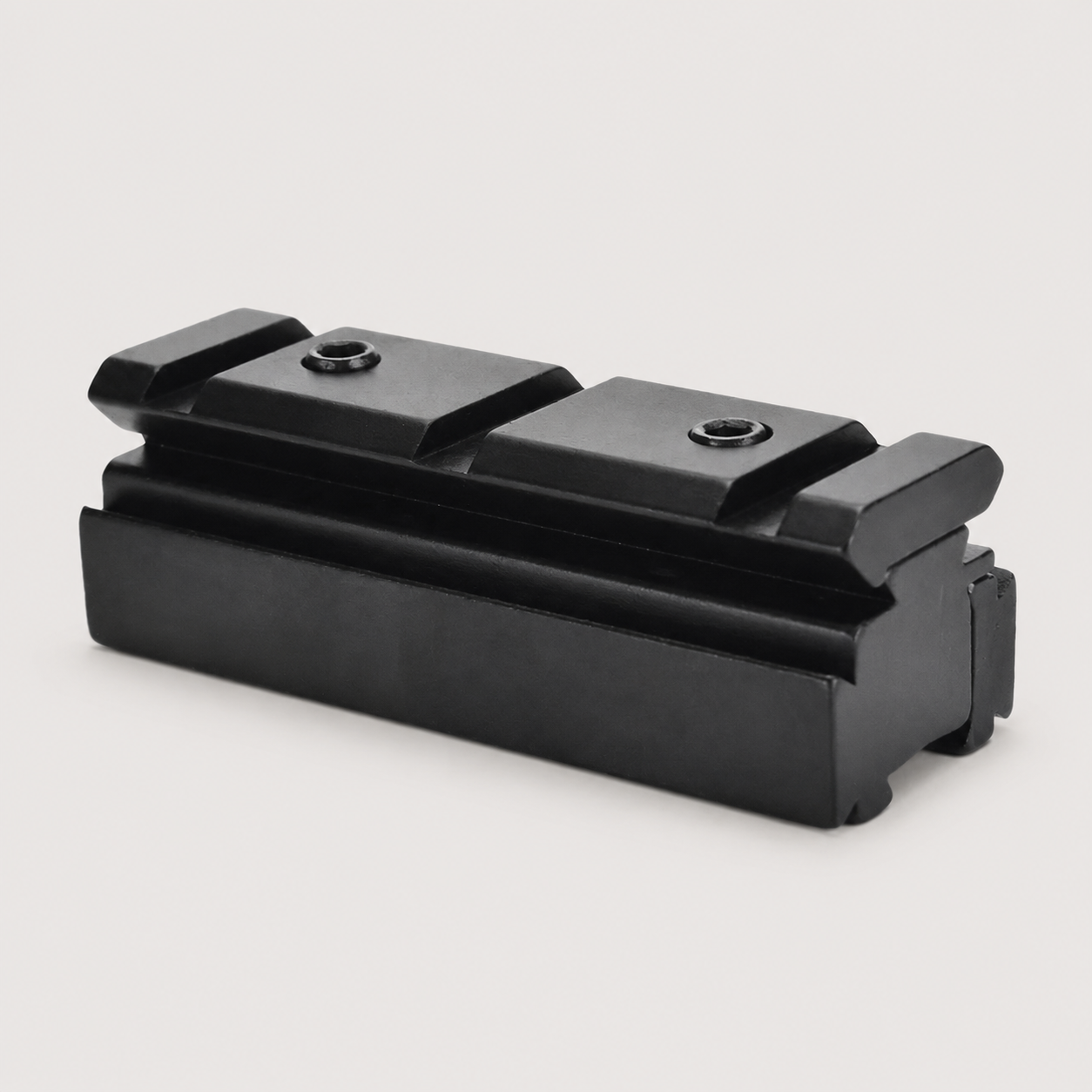
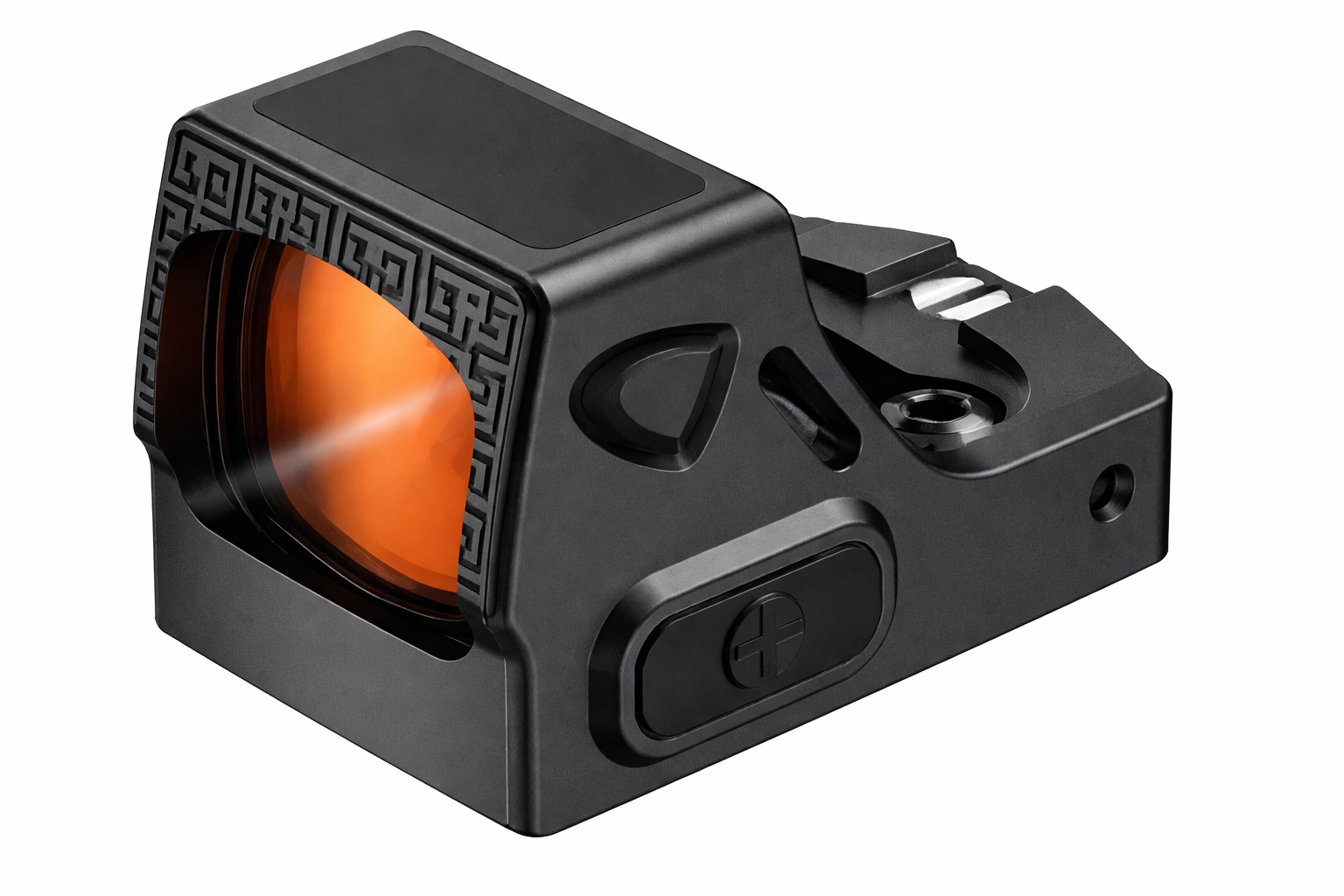
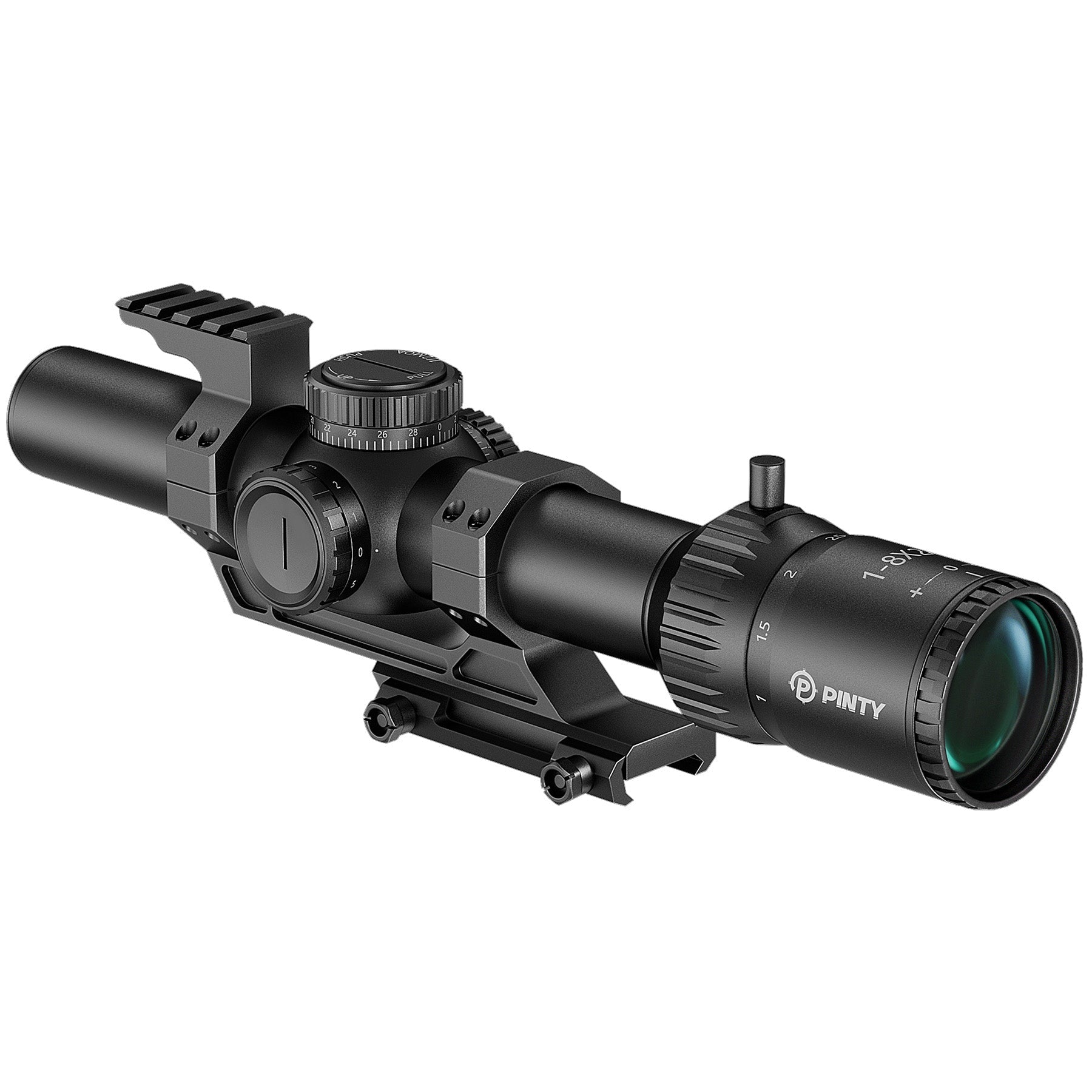
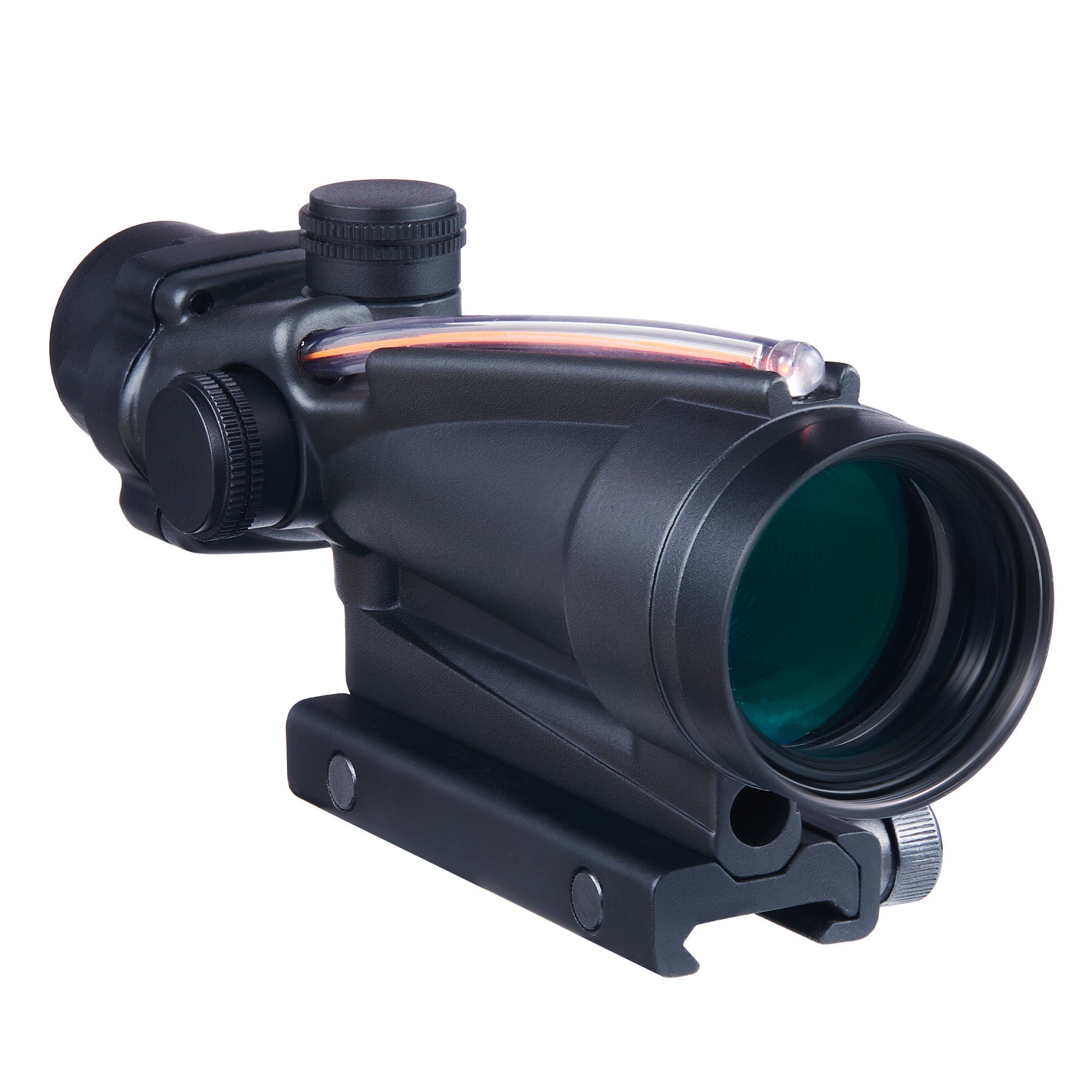
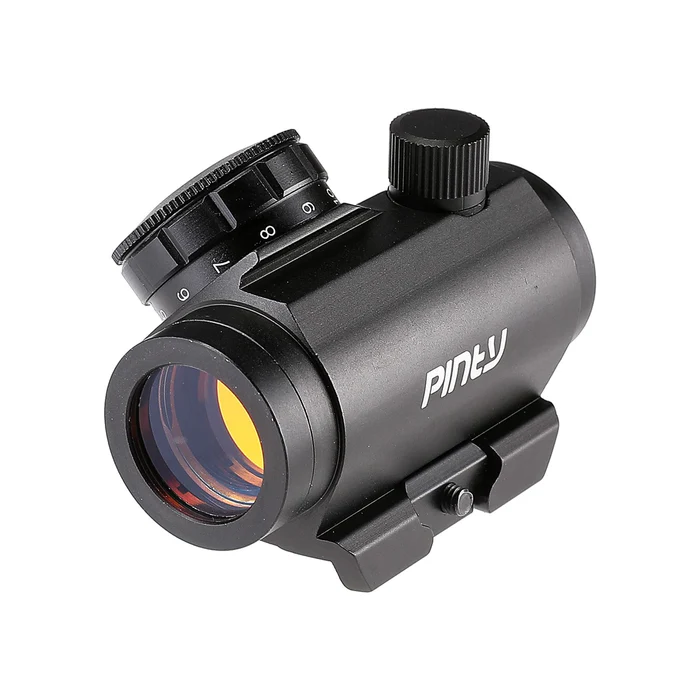
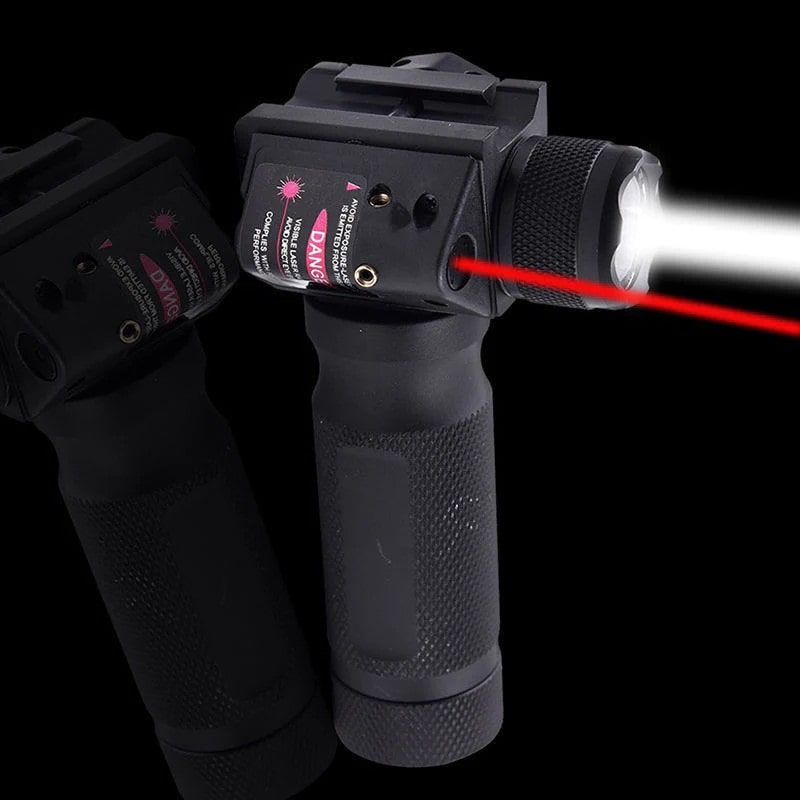
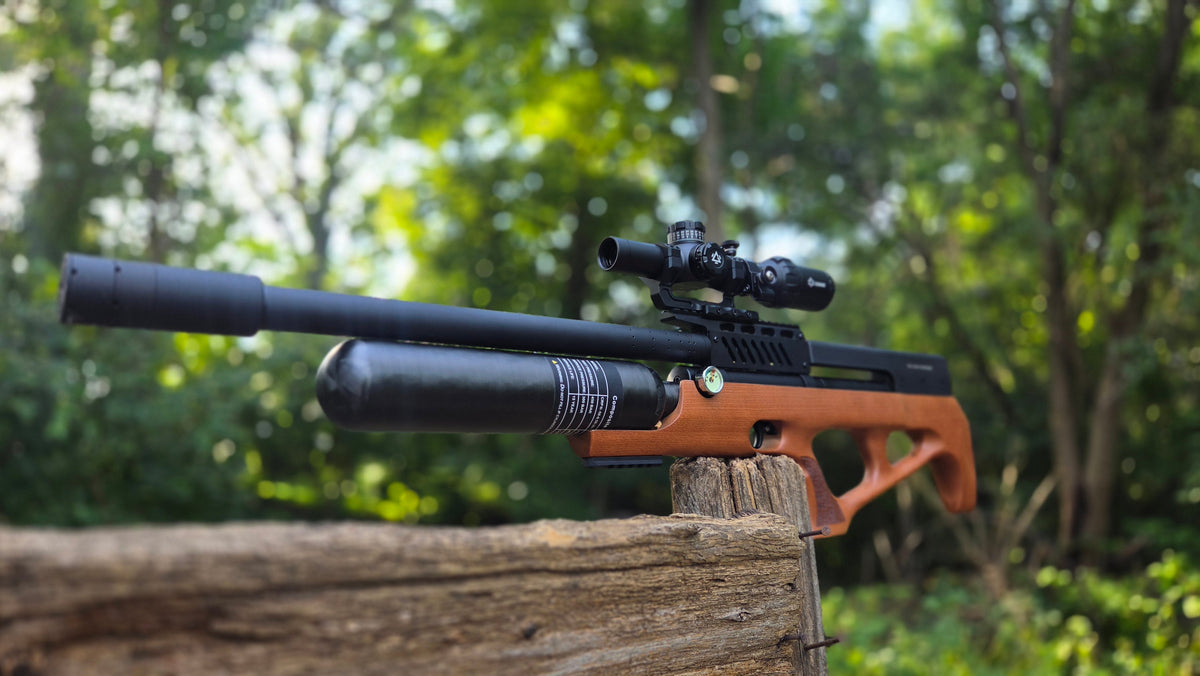
Ready to upgrade your range setup? Browse our next-generation PCP air rifles, precision optics, and essential supporting equipment.





Share:
PCP Air Rifle Buying Guide: What to Look for Before You Buy
Regulated vs. Unregulated Airguns: Why Consistency Matters