

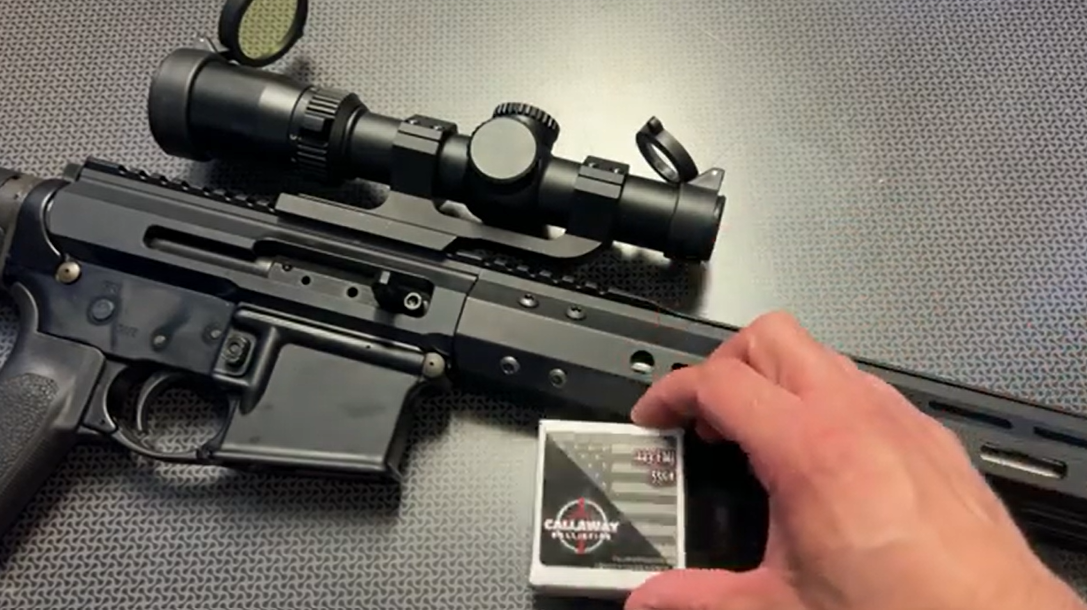
Choosing your first PCP air rifle can feel overwhelming.
With so many configurations, calibers, power levels, and features available, new shooters often have the same fundamental questions:
- What makes a PCP air rifle different from other types of airguns?
- Are PCP air rifles beginner-friendly?
- Which features actually matter when choosing a PCP platform?
- How should you choose the right caliber and power level?
- What optics and supporting equipment do you need?
At Pinty, we believe choosing the right airgun platform is an important part of building a rewarding shooting setup. The right rifle should match your experience level, intended use, preferred shooting distance, and equipment needs—not simply have the highest specifications.
As PCP technology continues to evolve, Pre-Charged Pneumatic platforms have become increasingly popular among target shooters, recreational shooters, and outdoor enthusiasts. This PCP air rifle buying guide explains how PCP systems work, which features deserve the most attention, and how to narrow down your options before making a purchase.
What Is a PCP Air Rifle and How Does It Work?
PCP stands for Pre-Charged Pneumatic. Unlike spring-powered air rifles, which use a spring or gas piston to generate power for each shot, PCP air rifles store compressed air in a high-pressure reservoir.
When the trigger is pulled, the rifle's valve releases a controlled amount of compressed air, which propels the pellet through the barrel.
This design gives PCP air rifles several characteristics that make them popular for precision shooting:
- Consistent shot performance: A well-designed PCP system can provide consistent velocity across a useful portion of its air supply.
- Low recoil: PCP air rifles generally produce substantially less recoil than spring-powered air rifles.
- Accuracy potential: The low-recoil firing cycle can make it easier for shooters to maintain consistent aim.
- Multi-shot capability: Many PCP platforms use repeating magazines, allowing multiple shots before reloading.
Note: PCP systems also require a separate air-filling solution and generally have more components than simpler spring-powered airguns.
Understanding the Key Components of a PCP Air Rifle
Understanding the basic components makes it easier to compare different PCP platforms:
1. Air Reservoir
The reservoir stores the compressed air used to propel the pellet. Reservoir capacity can influence the number of usable shots available between fills, while the reservoir's size and placement can affect the rifle's overall weight and balance. A larger reservoir does not automatically mean a better rifle—consider the balance between shot capacity, portability, and your intended shooting environment.
2. Valve System
The valve controls how compressed air is released from the reservoir. A well-designed valve system contributes to consistent shot performance and efficient use of the available air.
3. Hammer System
The hammer interacts with the valve when the trigger is activated. Its operation is part of the rifle's overall pneumatic system and influences how the stored air is released.

PCP Air Rifle vs. Spring Air Rifle: Which Is Right for You?
One of the most common decisions for new airgun buyers is whether to choose a PCP or spring-powered platform. Both have advantages, but they provide different shooting experiences.
| Feature | PCP Air Rifle | Spring Air Rifle |
|---|---|---|
| Power Potential | Available across a wide range of power levels | Generally simpler power system |
| Accuracy Potential | Low-recoil platform supports consistent shooting | Requires learning the rifle's hold characteristics |
| Recoil | Very low compared with most spring rifles | Noticeable mechanical recoil |
| Shooting Experience | Smooth and relatively easy to manage | Traditional mechanical feel |
| Firing Capacity | Many models offer repeating magazines | Often single-shot break barrel |
| Air Supply | Requires an external filling solution | Self-contained |
| Maintenance | Requires attention to seals and air system | Generally simpler pneumatic setup |
| Learning Curve | Often approachable for beginners | Technique can take more practice to master |
Which One Should You Choose?
A PCP air rifle may be a better fit if you prioritize smooth operation, low recoil, repeating capability, and consistent shooting performance. A spring-powered air rifle may appeal to shooters who prefer a simpler, self-contained platform and do not want to manage an external air supply.
How to Choose Your First PCP Air Rifle
The best PCP air rifle is not necessarily the most powerful or expensive model. It is the platform that best matches your intended use, experience level, and supporting equipment.
1. Identify Your Primary Shooting Goal
- Target Shooting: Prioritize consistent shot performance, a comfortable stock/chassis, an adjustable trigger, and optics compatibility for your desired distances.
- Outdoor and Mobile Shooting: Look for compact dimensions, manageable weight, good balance, and practical air capacity. (This is why bullpup PCP rifles have surged in popularity.)
- Recreational Plinking: Focus on easy handling, repeating magazines, low recoil, and straightforward filling operation.
2. Choose the Right PCP Air Rifle Caliber
Caliber should be considered together with your intended use, rifle configuration, pellet selection, and local regulations.
| Caliber | Key Characteristics & Recommended Application |
|---|---|
| .177 Caliber | Target practice & recreational shooting. Offers flat trajectories, low ammunition cost, and wide availability. |
| .22 Caliber | Versatile all-around option. Provides an ideal balance between pellet availability, trajectory stability, and downrange energy. |
| .25 Caliber | Heavier pellet applications. Delivers higher energy retention, though it consumes air faster and pellet options are costlier. |
3. Choose the Right Power Level
More power does not automatically mean a better rifle. For target shooting, consistency, accuracy potential, and manageable operation matter far more than raw power. High-power setups also consume air faster and can increase noise.
4. Regulated vs. Unregulated PCP Air Rifles
Regulated PCP Rifles
Uses an internal regulator to supply constant air pressure to the valve for every shot. Delivers superior shot-to-shot velocity consistency, flatter shot strings, and maximum predictability downrange.
Unregulated PCP Rifles
Air pressure drops gradually as the reservoir depletes. Offers a simpler system design, lower initial cost, and excellent reliability for casual recreational plinking.
What Supporting Gear Do You Need for a PCP Air Rifle?
Buying a PCP rifle is only part of building a complete setup. Remember to budget for supporting equipment:
- Air-Filling Equipment: PCP air rifles require high pressure (up to 3,000+ PSI). Choose between a high-pressure hand pump (economical, built-in workout), a portable PCP compressor (convenient and fast), or a high-pressure air tank.
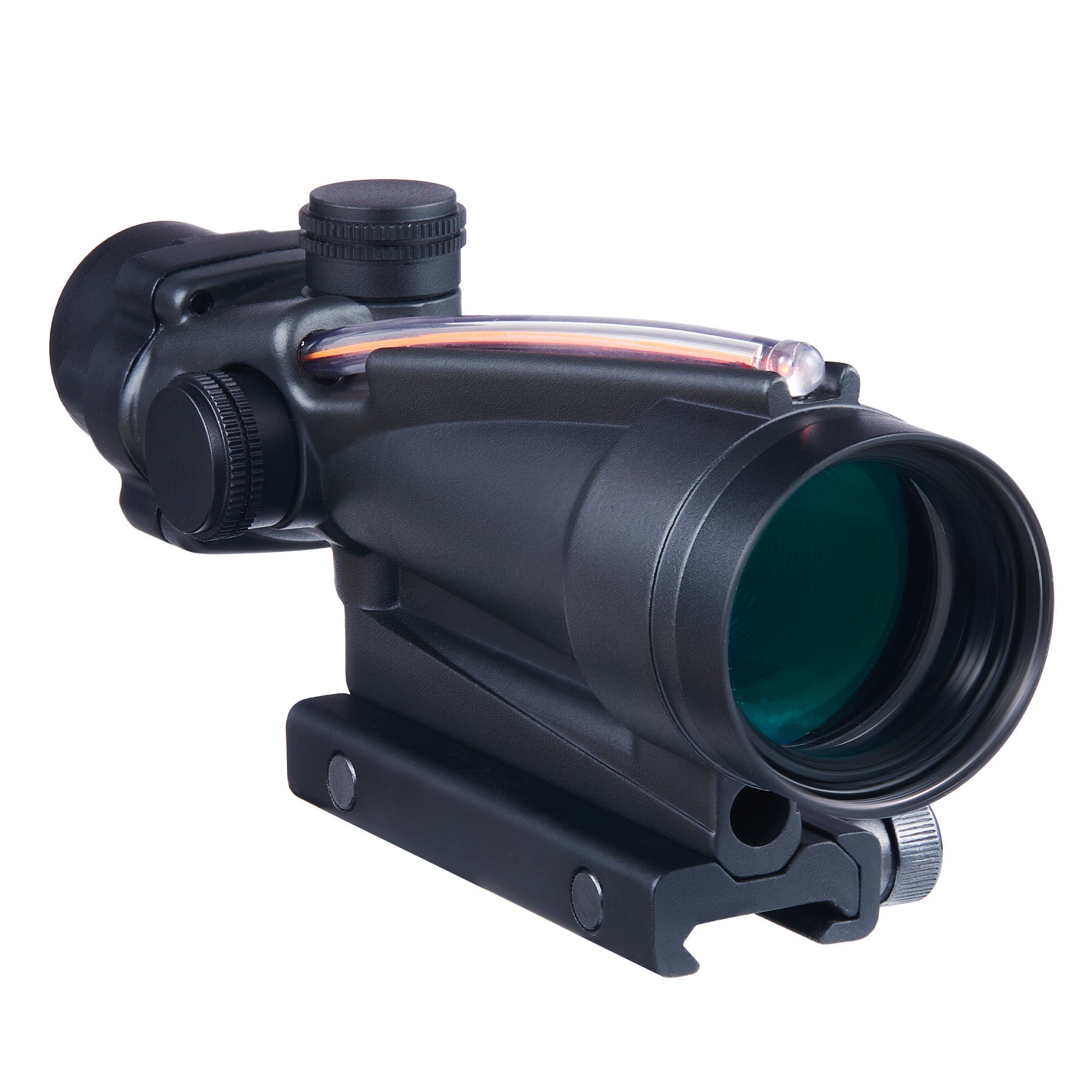
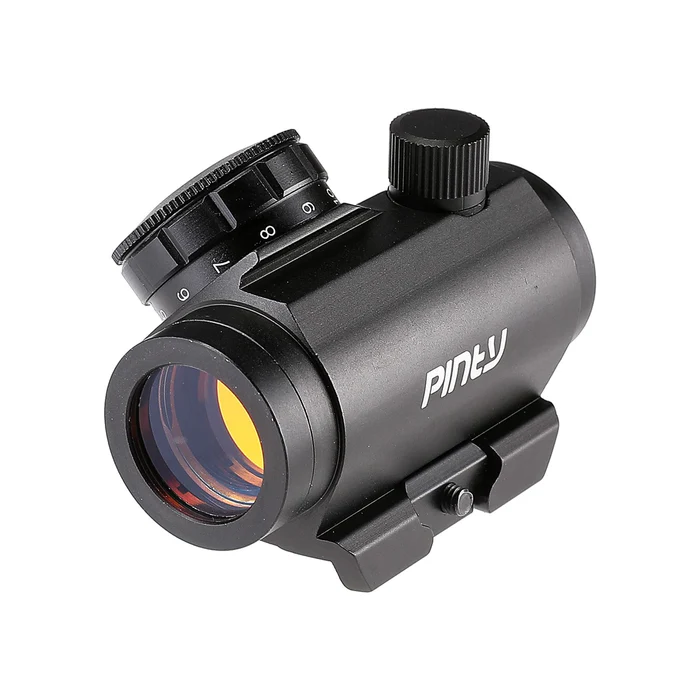
- Optics: Most PCP rifles lack open iron sights. Invest in a scope capable of short-range parallax focus (down to 10–15 yards) to avoid blurriness at close distances.
- Maintenance Supplies: Keep silicone lubricant on hand for O-rings, flexible cleaning cords for the barrel, and moisture filters for your air supply to prevent long-term leaks.
Why Are Bullpup PCP Air Rifles So Popular?
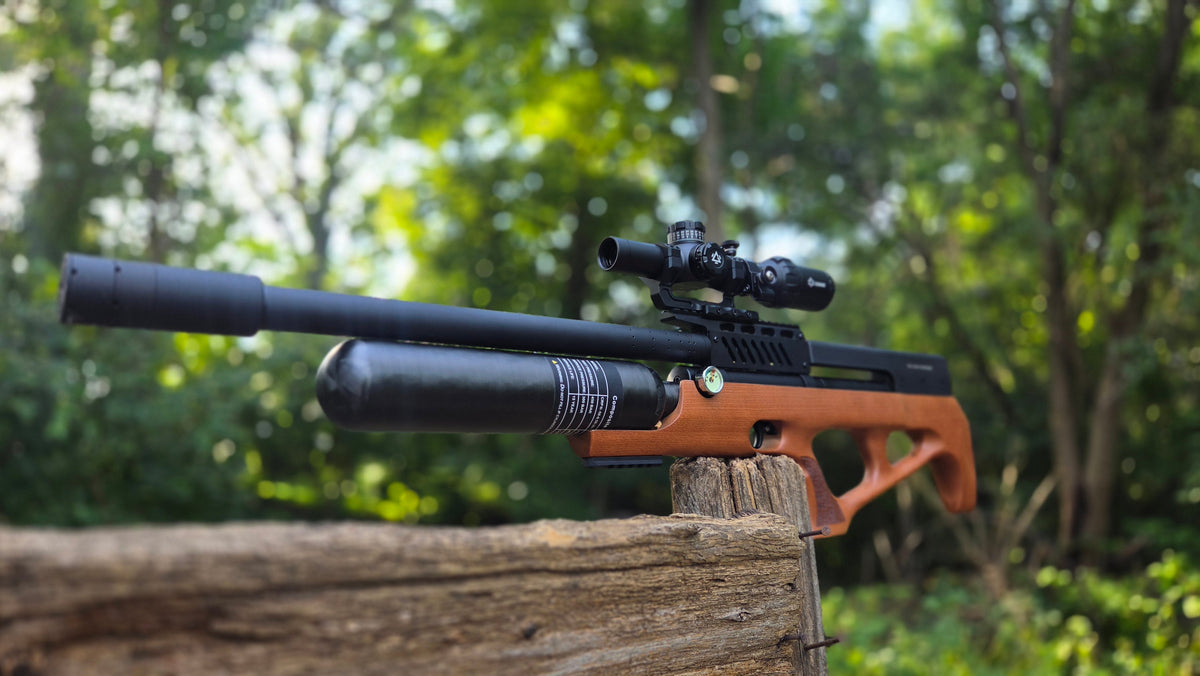
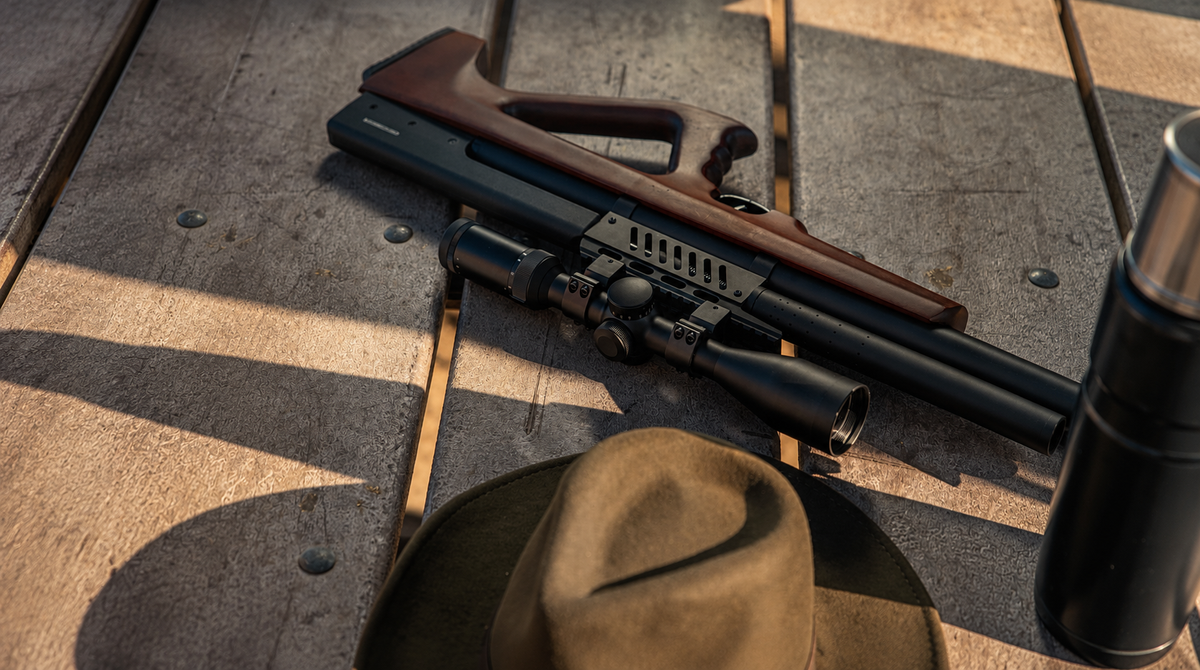
Bullpup PCP air rifles place the action and magazine mechanism behind the trigger grip rather than in front of it. This layout dramatically reduces overall rifle length without sacrificing barrel length.
Featured Platform Highlight:
If you are seeking maximum maneuverability and a lightweight, sleek chassis without compromising precision, explore the Pinty Striker Compact Bullpup MKII.
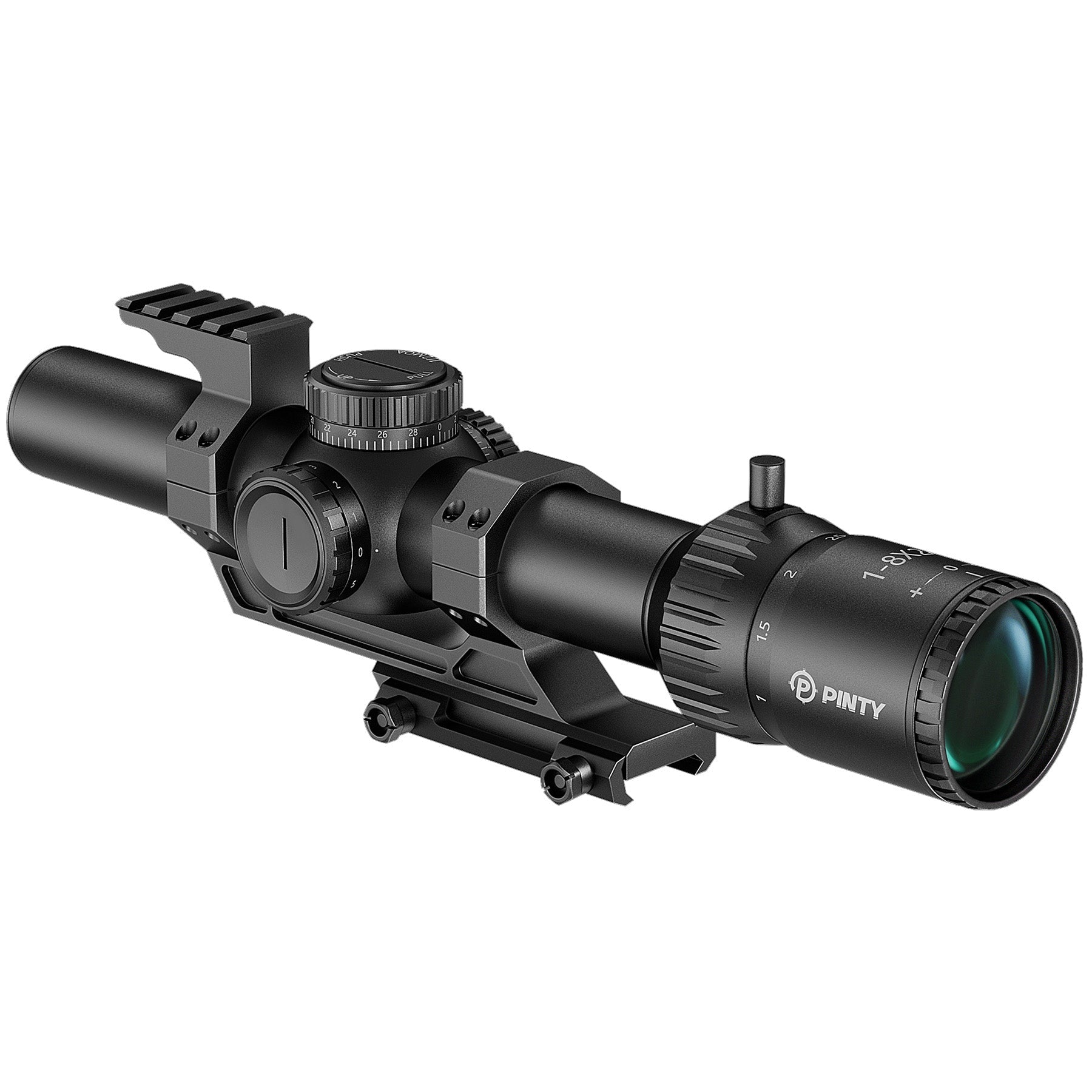
Choosing a Rifle Scope for a PCP Air Rifle
Pairing your rifle with quality optics unlocks its true accuracy potential. Keep these focal plane options and key features in mind:
- First Focal Plane (FFP): The reticle resizes with magnification, keeping subtension values (holdovers) accurate at any zoom level.
- Second Focal Plane (SFP): The reticle stays the same size regardless of zoom. SFP optics are often brighter and budget-friendly for fixed-distance shooting.
- Short Parallax / Side Focus: Critical for airguns! Ensure your scope can focus down to 10 or 15 yards; standard rifle scopes often blur under 50 yards.
- Reticle Design: Mil-Dot or ballistic holdover reticles help immensely with pellet drop adjustments.

Complete your setup by exploring Pinty's Rifle Scopes & Optics Collection.
PCP Air Rifle Buying Decision Matrix
| Your Priority | Key Features to Look For |
|---|---|
| Target Precision | Regulated system, adjustable trigger, FFP scope compatibility |
| Beginner Friendly | .22 caliber, ergonomic chassis, clear manual & support |
| Maximum Portability | Bullpup configuration, lightweight air tube, compact optic |
| Casual Backyard Plinking | Unregulated, multi-shot magazine, hand pump compatible |
Frequently Asked Questions (FAQ)
Are PCP air rifles good for beginners?
Yes. PCP air rifles can be very beginner-friendly because they offer smooth operation, practically zero recoil, and high out-of-the-box accuracy. However, beginners should budget for high-pressure air filling equipment.
Are PCP air rifles better than spring air rifles?
It depends on your goals. PCP platforms provide lower recoil, multi-shot capabilities, and precise repeatability, whereas spring-powered rifles offer a simpler, self-contained mechanical operation with no air filling required.
How many shots can a PCP air rifle fire per fill?
Shot count depends on reservoir size, caliber, power tuning, and regulator settings. Most modern PCP rifles deliver anywhere from 20 to 60+ usable shots per air fill.
What is the best PCP air rifle caliber for beginners?
Both .177 and .22 calibers are widely recommended. .22 caliber is popular due to its versatile balance of pellet stability, weight, and downrange accuracy, while .177 is very economical for paper target shooting.
Do PCP air rifles need a compressor?
Not necessarily. PCP air rifles can be filled using a compatible high-pressure hand pump, a portable air compressor, or a large carbon-fiber air tank.
Discover the Next Generation of Pinty PCP Rifles
Experience enhanced precision, upgraded regulators, and modern ergonomic chassis designs built for ultimate performance on the range.





Share:
.177 vs .22 vs .25 PCP Air Rifle: Caliber Buying Guide | Pinty
Pinty Striker Compact Bullpup MKII: What’s New & What Shooters Say