

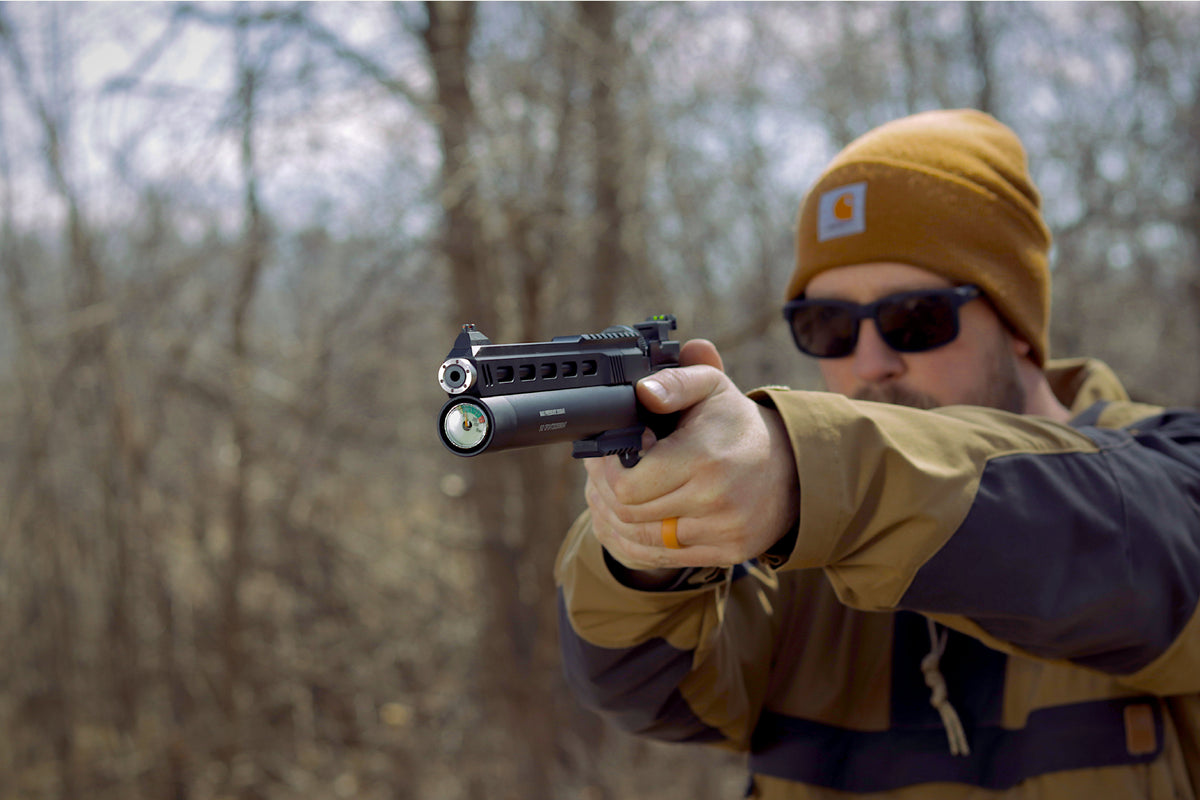
First Time Hunting This Fall?
7 Essential Things Beginners Should Know
Preparing for your first fall hunt is exciting, but it can also feel like there is a long list of things to figure out before opening day. You do not need the most expensive gear to get started. What matters more is knowing the rules, preparing for changing conditions, and making sure the equipment you rely on actually works when you need it.
Fall hunting also has a few challenges that are easy to underestimate. A comfortable afternoon forecast may not tell you much about a cold pre-dawn start. Wet leaves can make familiar trails feel different, and the gloves that keep your hands warm can also make small equipment controls harder to operate. If this is your first season, these seven preparation steps can help you avoid some of the most common surprises.
| Step | Focus Area | Core Action |
|---|---|---|
| 1. Regulations | Legal Compliance | Check official wildlife agency rules for licenses, tags, hunter education & blaze orange. |
| 2. Layering | Temperature Control | Use a 3-layer system; avoid cotton base layers that hold sweat and cause chilling. |
| 3. Navigation | Communication | Download offline maps, protect battery life, and share a detailed itinerary with contacts. |
| 4. Optics & Gear | Equipment Reliability | Inspect mounts, clean lenses, test batteries, and verify zero weeks before opening day. |
| 5. Field Kit | Essentials Packing | Pack for expected scenarios: safety, light, water, food, and game care supplies. |
| 6. Stamina | Gear Practice | Trek on uneven ground with a weighted pack and practice operating controls with gloves on. |
| 7. Pre-Hunt Audit | Final Checklist | Run a thorough 24-hour audit and plan a safe return route before leaving home. |

1. Check Local Regulations and Licensing First
Before buying gear or planning your route, check the regulations that apply to the exact place and species you plan to hunt. Hunting rules can vary by state, game species, hunting unit, and season. Do not rely on a general hunting guide or assume that rules from last season still apply. Go directly to your state wildlife agency or other official source for the current regulations.
Check these items first:
- Hunter education: Find out whether your state requires a hunter education course before you can purchase a license or hunt.
- Licenses and tags: Confirm exactly which license, tag, or permit you need and whether there are additional requirements for your game species.
- Season dates: Check the opening and closing dates for your specific hunting area and species.
- Legal hunting hours: Some seasons have restrictions on when hunting can take place.
- Safety clothing: Check whether blaze orange, blaze pink, or another form of high-visibility clothing is required where you will hunt.
- Land access: If you are hunting on public or private land, make sure you understand the access rules before arriving.
⚠️ One beginner mistake to avoid: Do not treat “I have a hunting license” as the same thing as “I am ready to hunt.” Your license may be only one part of the requirements. Take a few minutes to confirm the species, unit, season dates, tags, and local equipment or clothing rules before you leave home.
2. Dress in Layers—and Plan for the Temperature Change
Fall weather can change significantly between the time you leave home and the middle of the day. You may start a hunt in near-freezing conditions, warm up considerably while walking, and then become cold again after sitting still for an extended period. That is why layering is more useful than simply wearing one very warm jacket.
A practical three-layer system includes:
- Base layer: Moisture-wicking synthetic material or Merino wool helps move sweat away from your skin. Avoid cotton as your primary base layer because it holds moisture and can leave you feeling cold once you stop moving.
- Insulating layer: Fleece or another insulating layer can provide warmth when you are sitting or glassing for longer periods.
- Outer shell: A windproof or waterproof shell gives you another layer of protection when conditions change.
💡 Think about the transition, not just the forecast: The important question is not only: “How cold will it be today?” Ask: “What will I need when I start walking, when I stop moving, and when I head back?” You may want to begin with an extra layer that can be removed and stored in your pack once you warm up.
3. Plan Navigation and Communication Before You Lose Cell Service
A phone is useful in the field, but it should not be your only navigation plan. Cellular coverage can disappear quickly in remote or mountainous areas. Your battery can also drain faster than expected in cold weather, especially when GPS, screen brightness, or other power-hungry features are being used.
Before leaving:
- Download the maps you need for offline use.
- Open the offline map before your trip and confirm that the hunting area is actually available without a connection.
- Save important locations, such as your starting point, vehicle, campsite, or planned return route.
- Carry a physical map or another backup navigation method when appropriate.
- Keep your phone and power bank protected from the cold and moisture.
- Tell someone where you are going and when you expect to return.
🌲 Backcountry safety tip: Do not only tell someone: “I'm going hunting in the woods.” Give them useful information such as your general hunting area, planned route, vehicle location, expected return time, and what they should do if they cannot reach you. And remember to update them if your plans change.

4. Inspect Your Gear and Optics Before Opening Day
Equipment that has been sitting in storage for months deserves more than a quick glance the night before your hunt. Start checking your gear early enough that you still have time to replace, repair, or adjust something if necessary.
For your optics setup, check:
- Lenses for dust, moisture, or damage.
- Scope mounts and screws for signs of loosening.
- Adjustments and controls for normal operation.
- Batteries in illuminated optics, headlamps, and other battery-powered equipment.
- Your zero if you have changed ammunition, pellets, mounts, or other parts of the setup.
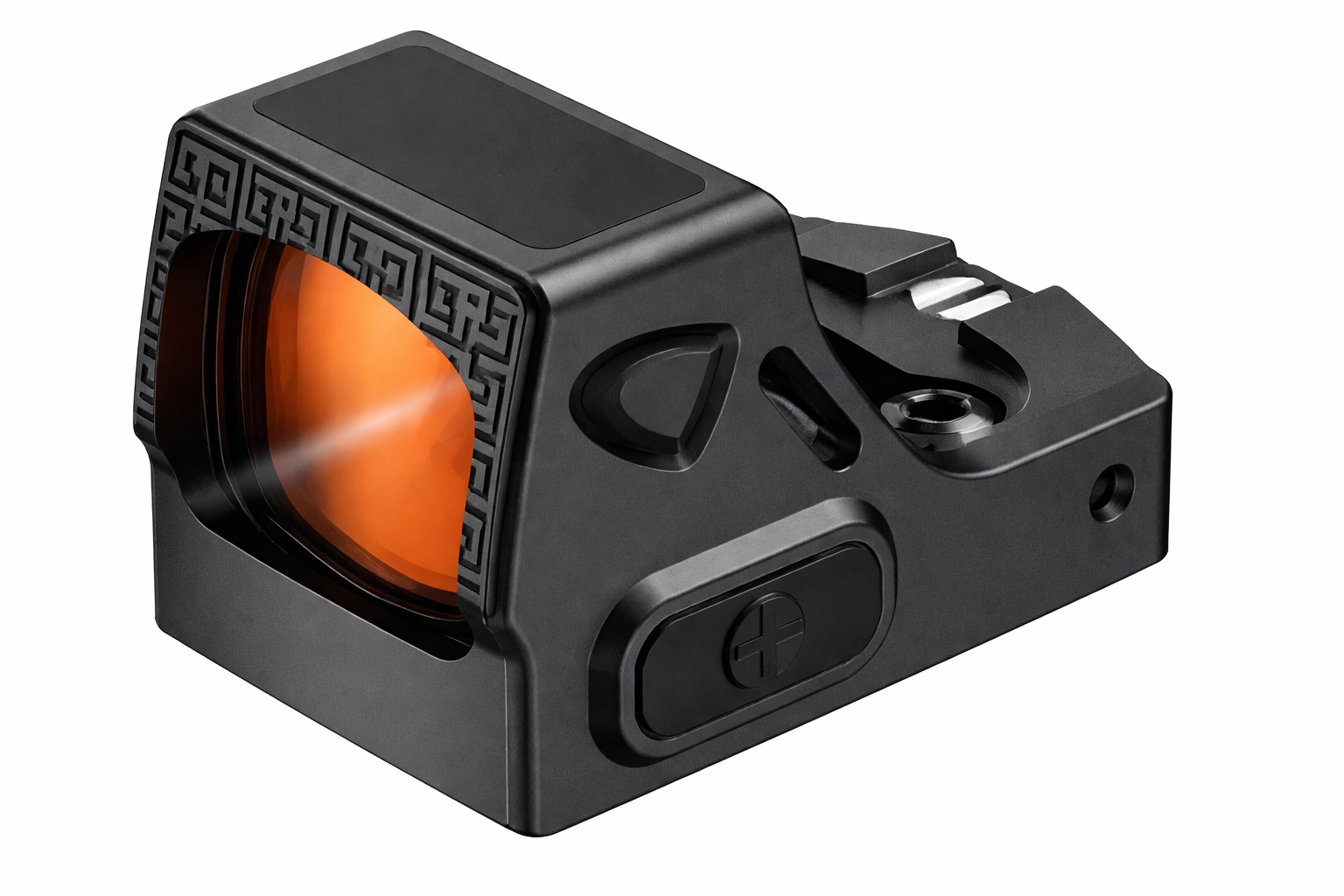
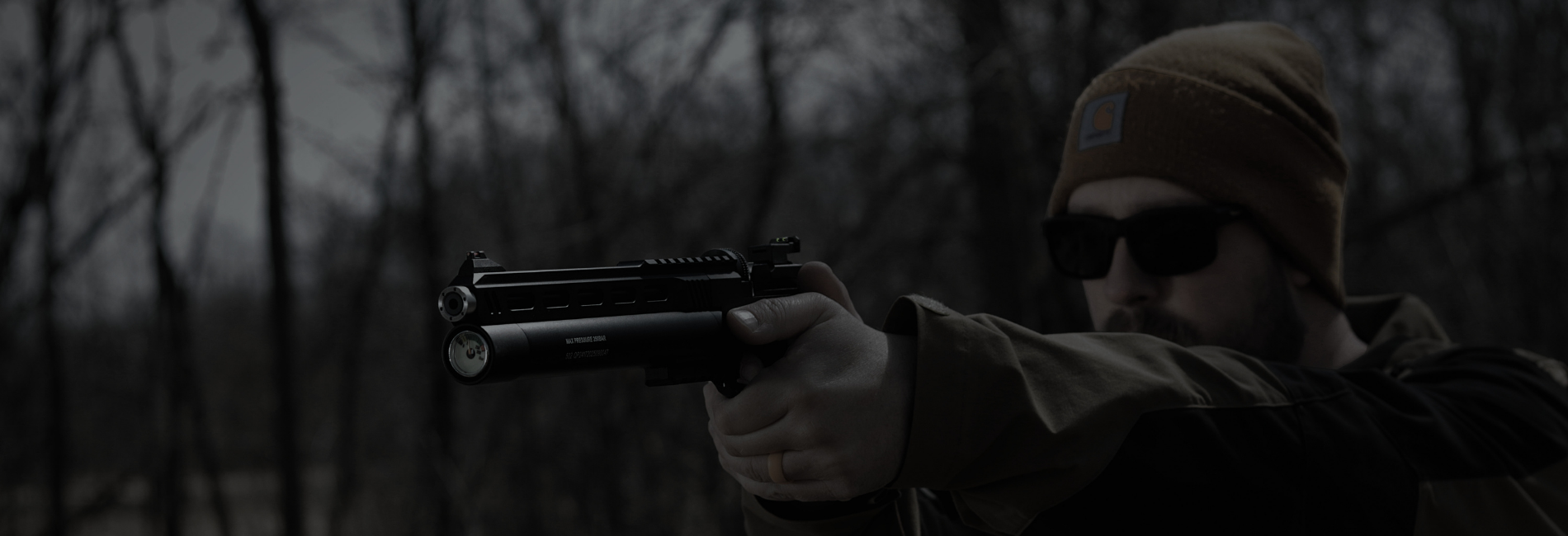
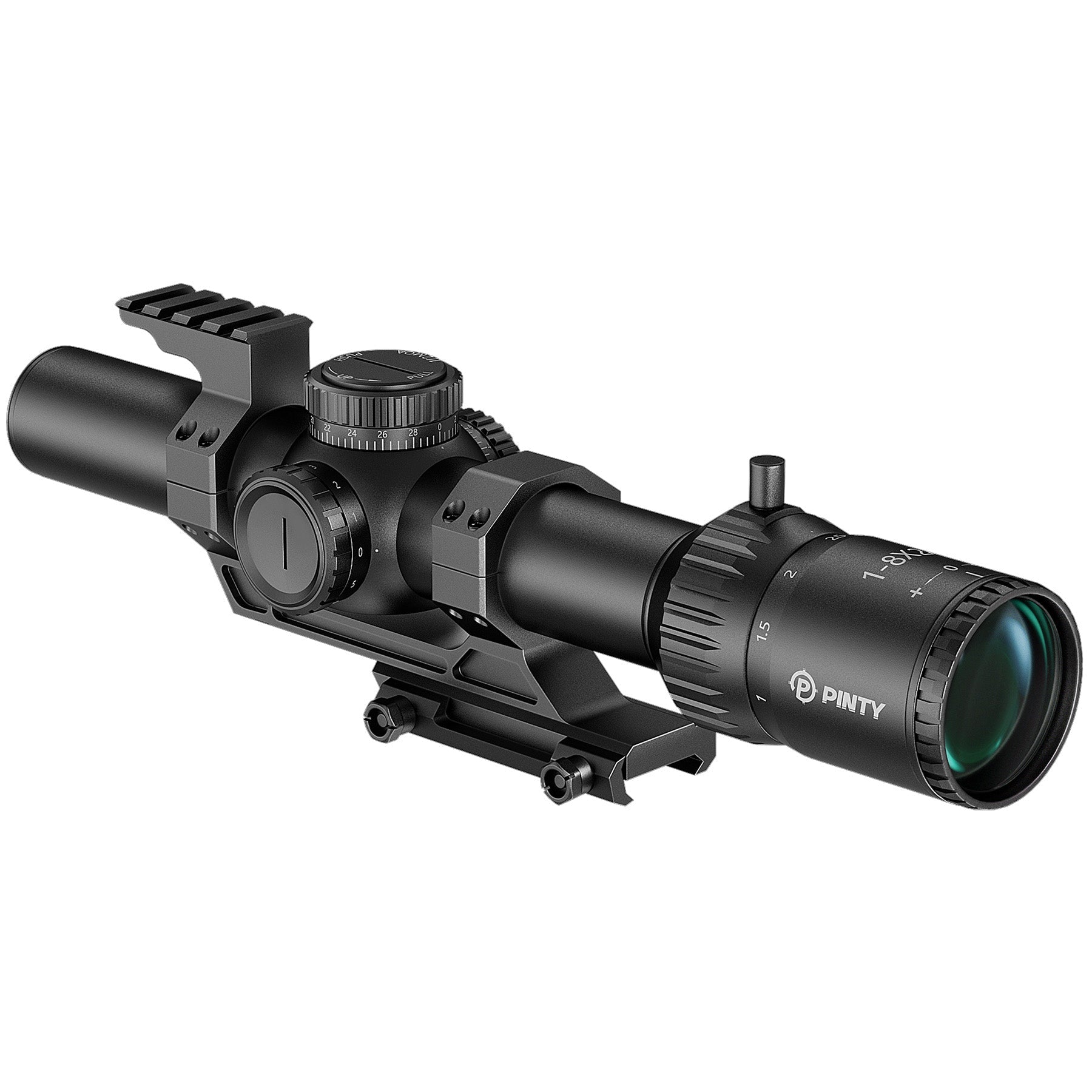
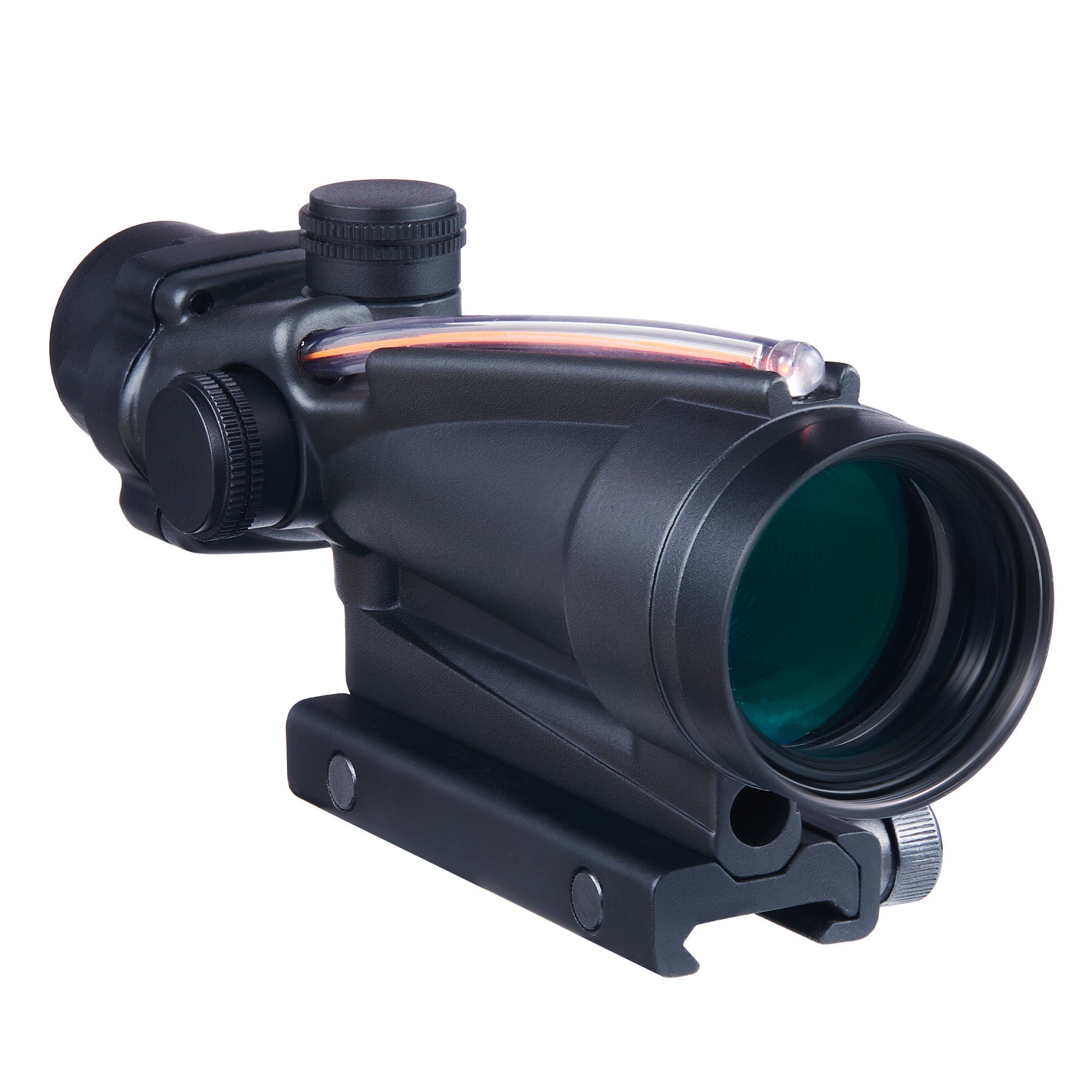
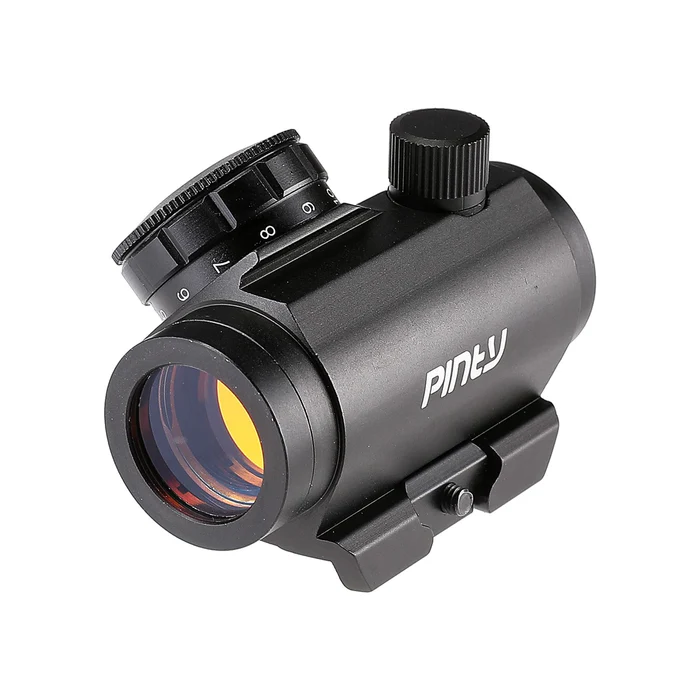
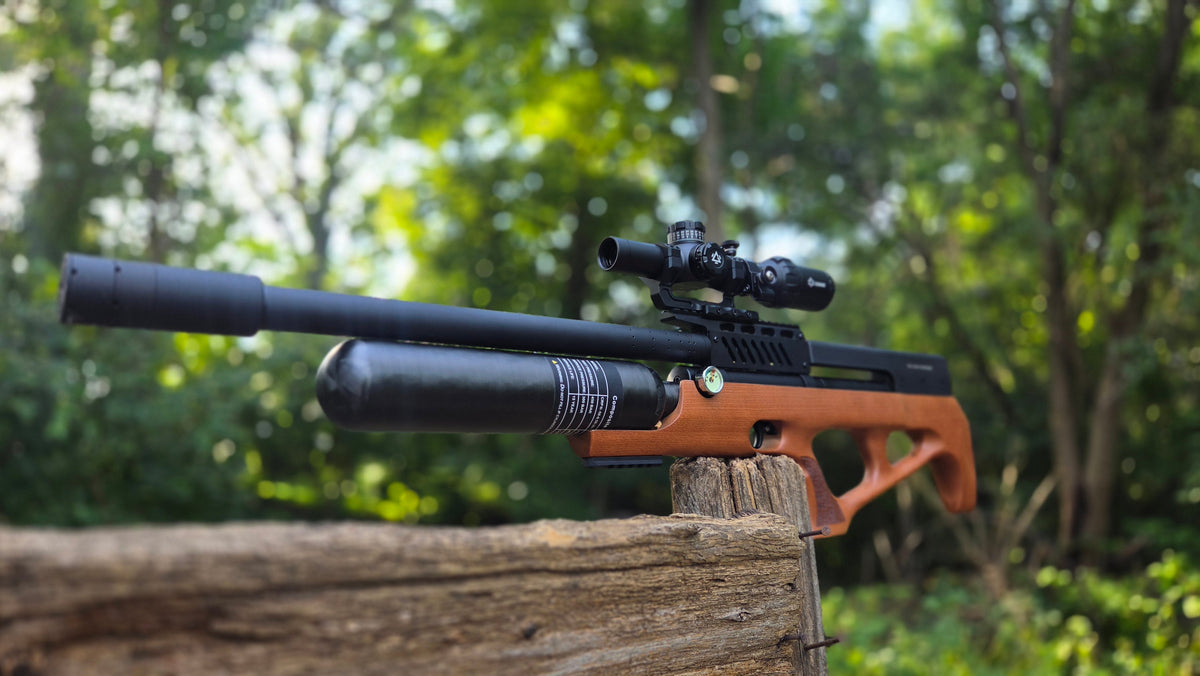
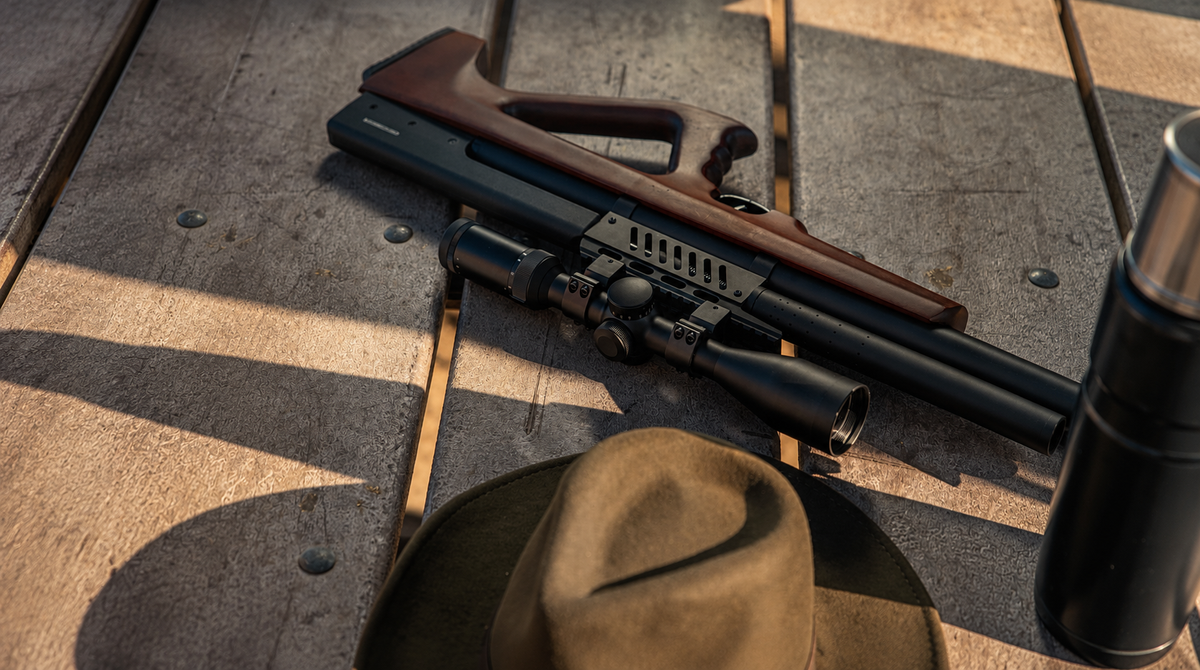
If you use a rifle scope, inspect the entire setup rather than focusing only on the glass. A clean lens does not help much if a mount has loosened or your setup has changed since you last confirmed your zero. If you are still choosing an optic for your setup, you can compare suitable hunting rifle scopes, low-power variable LPVO optics, or fast-acquisition red dot sights before making your final decision. (If practicing small-game marksmanship on PCP air rifles, verify your air pressure seals as well).
⏰ Do this before the night before: Give yourself enough time to discover a problem. A weak battery found two weeks before opening day is an easy fix. A damaged lens or loose mount discovered while loading the truck at 4:30 a.m. is a very different problem.
5. Pack for the Situation, Not for Every Possible Problem
New hunters often make one of two mistakes: bringing too little or bringing so much gear that the pack becomes unnecessarily heavy. Instead of trying to prepare for every imaginable situation, organize your essentials around what you actually expect to encounter.
A basic field kit may include:
- Safety and emergency: First-aid supplies, blister treatment, emergency bivvy or shelter, fire starter, multi-tool.
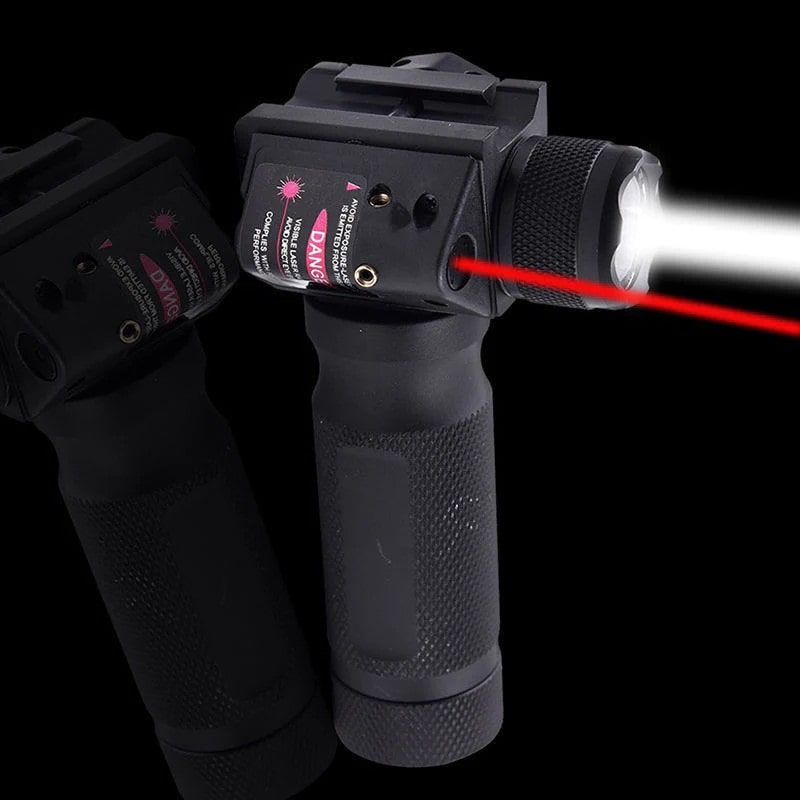
- Light and power: Headlamp, backup light, spare batteries or a charged power bank.
- Food and water: Enough water for the planned outing, water filtration backup, high-energy food.
- Game care: Game bags, disposable gloves, appropriate field-dressing equipment, required tagging supplies.
🎒 One useful packing test: Put everything in your actual hunting pack and carry it around before opening day. If you discover that you cannot comfortably reach your water, flashlight, or first-aid supplies without completely unpacking the bag, reorganize it now—not when you are in the field.

6. Build Outdoor Stamina and Practice With Your Actual Gear
You do not need to train like an athlete to prepare for a first hunt, but you should get your body and equipment used to the conditions you expect to encounter. Walking on uneven ground while carrying a loaded pack feels different from walking on a treadmill or around your neighborhood.
Before opening day, gradually practice:
- Walking on uneven or changing terrain.
- Carrying the approximate weight of your hunting pack.
- Wearing the boots you plan to use.
- Moving comfortably in your expected layers.
- Handling your equipment while wearing gloves.
- Getting your pack on and off without struggling with the straps.
🎯 Practical drill (Practice with your gloves on): Put on the same gloves you expect to wear during your hunt and practice operating the controls you may need to use. Can you adjust your scope magnification? Can you access equipment in your pack? Can you operate zippers and buckles? Cold fingers and bulky gloves turn simple tasks into frustrating ones if not tested early.
7. Complete a Final Pre-Hunt Audit
The night before a hunt is not the best time to start making major equipment changes. It is the time to confirm that everything you have already prepared is ready to go.
🚗 Don't forget the return trip: Ask yourself: “What is my plan for getting back?” It is easy for a first-time hunter to focus entirely on reaching the hunting area. But if the day takes longer than expected, weather changes, or daylight fades, the return journey can become the most difficult part. Know where you parked, know your route back, and give yourself enough time to leave safely.
Final Thoughts
Your first fall hunt does not have to be complicated. Start with the rules. Prepare for changing temperatures and changing terrain. Test the equipment you will actually use, including your boots, pack, gloves, and optics. Build a simple navigation and communication plan, and give yourself enough time to discover problems before opening day.
The goal is not to own every piece of hunting gear. It is to arrive prepared enough that you can focus on the experience instead of dealing with preventable surprises. A little preparation at home can make a long day outdoors much more comfortable—and much easier to manage.

Ready for Opening Day?
Upgrade your hunting setup with optics built for precision and reliability. Enjoy an exclusive 15% OFF your order with discount code FALL15 at checkout.
Explore Hunting Gear & Save 15% →




Share:
10-Step Pre-Season Hunting Scope Checklist | Pinty Optics
The Airgun Hunter’s Guide to Squirrels, Part One: The Eastern Gray Squirrel