

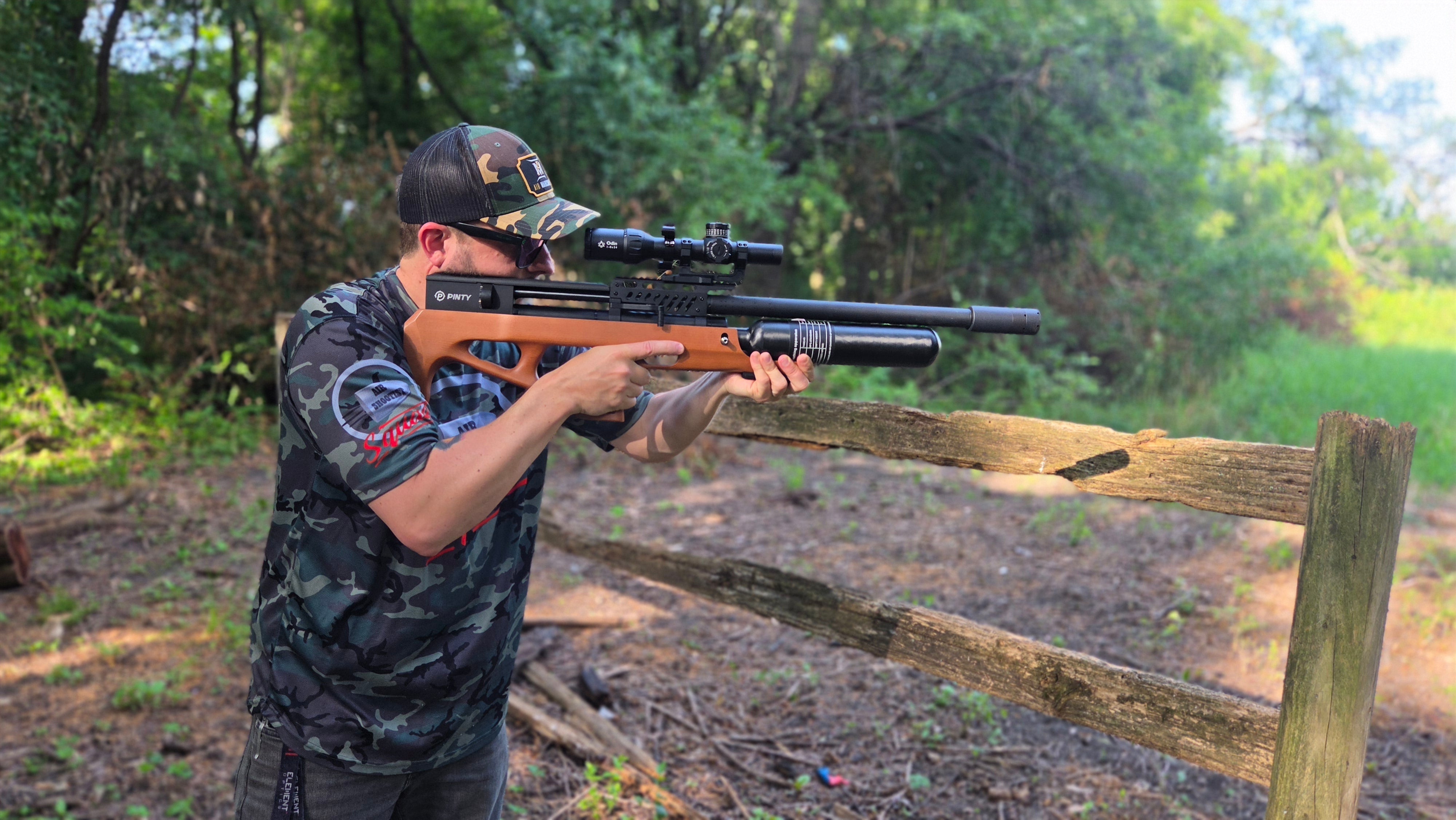
Selecting the right caliber is the single most defining decision you will make when building your Pre-Charged Pneumatic (PCP) airgun setup. While every PCP system harnesses high-pressure compressed air (typically 2,000–3,600 PSI) for recoil-free firing, bore size dictates everything that happens downrange—pellet weight, terminal energy (FPE), wind resistance, air efficiency, and overall shooting feel.
If you hang out on r/airguns or local range forums, you know shooters rarely talk in bland spec sheets. They talk about real-world frustration, the physical satisfaction of a target hit, and how much air is left in the reservoir. Here is the authentic breakdown of .177, .22, and .25 calibers to help you pick the perfect setup for your lifestyle, complete with direct data and model sizing guidance.
At-a-Glance: PCP Caliber Real-World Decision Matrix
| Performance Feature | .177 Caliber | .22 Caliber (Most Popular) | .25 Caliber |
|---|---|---|---|
| Average Pellet Weight | 7.0 – 10.5 Grains | 14.3 – 21.0 Grains (2x .177 weight) | 25.0 – 34.0 Grains (3x .177 weight) |
| Muzzle Energy (FPE) | 12 – 20 FT-LBS | 25 – 45 FT-LBS (2x energy output) | 45 – 70+ FT-LBS (Up to 3.5x energy) |
| Shooter’s Real Verdict | Laser-flat short range, dirt cheap ammo, but fiddly to load and sensitive to wind. | The "Goldilocks" sweet spot. Phenomenal balance of air efficiency, stopping power, and fun. | Heavy-hitting "Thumper." Devastating downrange impact, but consumes air quickly. |
| Pumping Effort | Low: 60+ shots per fill. Easy on the arms. | Moderate: 35–50 regulated shots per fill. | High: ~30%–50% fewer shots before needing a air top-off. |
| Primary Field Role | 10m target precision, indoor practice, inexpensive backyard plinking. | All-around range fun, squirrels, rabbits, invasive barn rats. | Raccoons, groundhogs, invasive iguanas, long-range steel gongs. |

1. .177 Caliber: The Precision Target Driver
In the airgun world, .177 is the undisputed king of surgical target shooting. If your ideal afternoon involves punching single-hole groupings into paper targets at 20 to 30 yards without draining your wallet, this is your caliber.
What Real Shooters Love:
- Laser-Flat Trajectory: Under 35 yards, light pellets travel at high velocity on a flat arc, minimizing holdover elevation math.
- Effortless Air Usage: Consumes minimal air per shot, granting you maximum range time per tank fill. Your arms will thank you if using a hand pump.
- Maximum Ammo Value: You can shoot 500 rounds of .177 for the price of a fast-food lunch, making it the most cost-effective way to hone marksmanship fundamentals.
The Real-World Trade-Offs:
- Fiddly Loading: If you have thick hands or shoot in winter with gloves, loading tiny .177 pellets into magazines can be frustrating.
- Crosswind Sensitivity: A light 5 mph breeze will push an 8-grain pellet noticeably off course past 40 yards.
- Lacks Punch: Light .177 pellets often pass straight through farm pests like squirrels or large rats without dumping enough kinetic energy for an immediate stop.
2. .22 Caliber: The "Goldilocks" Sweet Spot
Ask ten experienced shooters on airgun forums what gun to buy first, and eight will tell you to get a .22 caliber PCP. It is widely considered the "Goldilocks Caliber"—delivering roughly double the muzzle energy of .177 while preserving impressive air efficiency.
What Real Shooters Love:
- Decisive Target Impact: A 14.3-to-21-grain pellet dumps 25–45 FT-LBS of energy on impact, turning casual plinking into a satisfying experience and ensuring swift, ethical pest management.
- Intuitive Ergonomics: The pellets are large enough to index quickly between your fingers, making magazine loading seamless.
- Versatile Ammo Tuning: Offers access to the widest market selection of pellet weights and shapes to tune your barrel’s accuracy.
- Seamless Compatibility: Pairs effortlessly with versatile platforms like the high-power Pinty Vanguard .22 PCP Series.
The Real-World Trade-Offs:
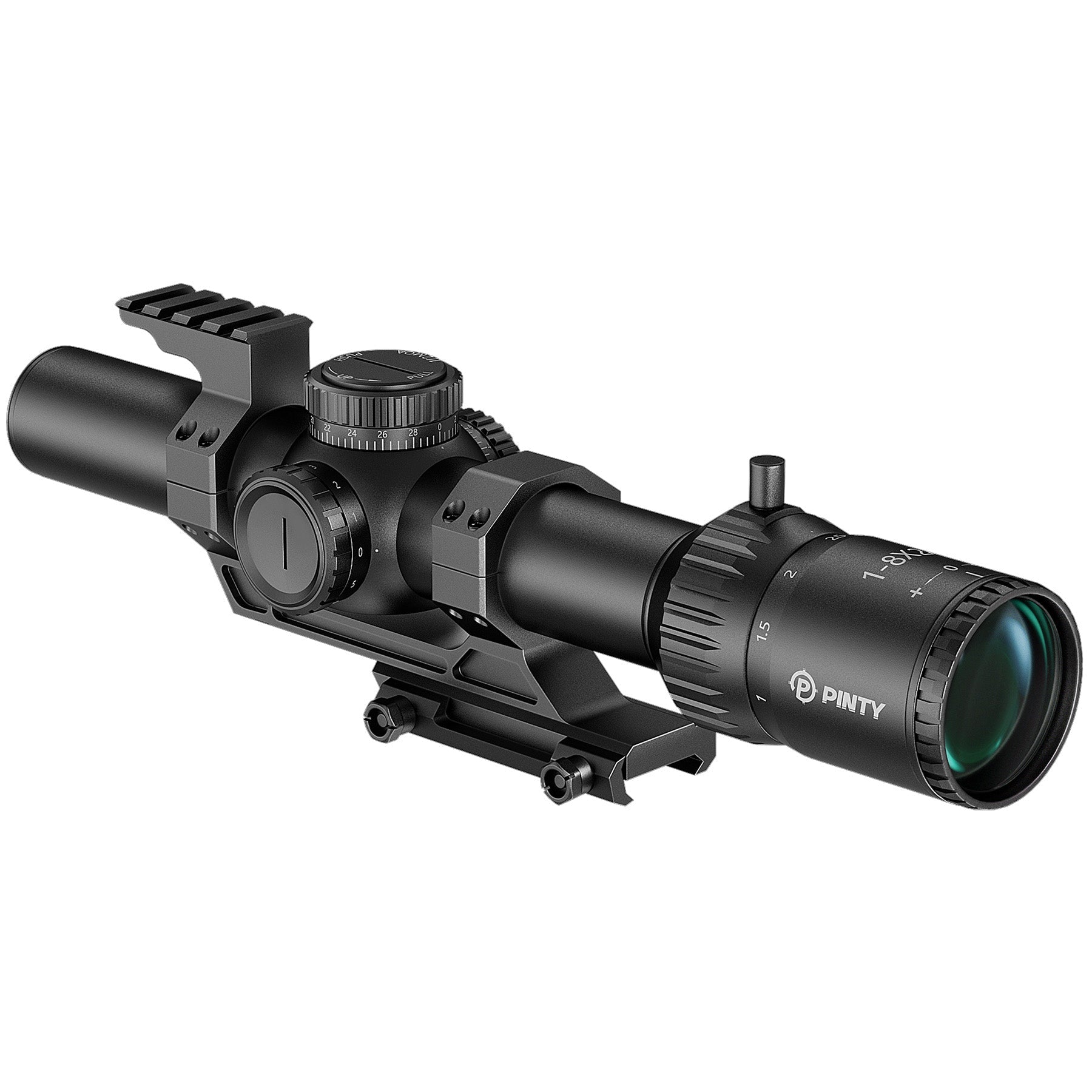
- Moderate Trajectory Arc: Because .22 pellets carry twice the weight of .177, you will notice more vertical drop at 50 yards, requiring holdover adjustments using scope reticles (such as a Pinty Adjustable Rifle Scope).
3. .25 Caliber: The Heavy-Hitting "Thumper"
Shooters don't choose a .25 caliber PCP for quiet indoor paper targets—they choose it for raw downrange authority. Delivering up to 3.5x the foot-pounds of energy compared to .177, .25 caliber is affectionately called the "Thumper."
What Real Shooters Love:
- Brutal Knockdown Power: Pushing 25 to 34-grain pellets at 45 to 70+ FPE, the .25 caliber delivers centerfire-like confidence on larger pests (groundhogs, raccoons, invasive iguanas) out to 75+ yards.
- Wind-Bucking Stability: Crosswinds that send smaller pellets drifting sideways barely nudge a heavy .25 pellet off line.
- Satisfying Steel Feedback: Hitting reactive steel targets downrange produces a deep, unmistakable THWACK that smaller calibers simply can't replicate.
The Real-World Trade-Offs:
- Guzzles Air: A .25 barrel exhausts roughly 30% to 50% more air with every trigger pull compared to a .22 rifle.
- Hand Pump Workout: Refilling a .25 reservoir manually after every two magazines takes physical effort, leading many shooters to pair their setup with a portable 12V compressor.

Which Caliber Fits Your Lifestyle Best?
Choose .177 Caliber If:
- You want a low-stress setup for paper target precision, backyard tin-can plinking, or 10-meter marksmanship.
- You rely strictly on a manual hand pump and want maximum shots per fill.
- You want to keep ammunition costs as low as humanly possible.
Choose .22 Caliber If:
- You want one single airgun that handles every scenario effortlessly.
- You want the ideal balance of high shot count, easy pellet handling, and dependable stopping power for small game and garden pest control.
- You want confidence-building gear that pairs smoothly with high-clarity optics. *(Explore Pinty’s high-velocity PCP Air Rifle Lineup for fully featured .22 setups).*
Choose .25 Caliber If:
- You need maximum terminal energy for medium pests at extended distances (50 to 80+ yards).
- You love the raw physical feedback of heavy pellets ringing steel gongs downrange.
- You already own (or plan to buy) a 12V portable electric compressor or SCUBA tank.
Frequently Asked Questions
Why is .22 caliber recommended as the best starting point for beginners?
.22 caliber offers the ultimate real-world balance. It delivers double the kinetic energy of .177 for humane pest control, handles outdoor wind drastically better, and is far easier to load with your hands, all while maintaining excellent air efficiency.
Is hand-pumping a .25 PCP rifle difficult?
Yes, if you shoot frequently. Because .25 calibers consume roughly 30% to 50% more air per shot, refilling a large reservoir manually takes significant physical effort. Most .25 shooters pair their setup with a portable 12V electric compressor.
Can I shoot .22 pellets out of a .25 caliber barrel?
No. Never load incorrect pellet sizes into your airgun. Pellets must match your rifle's specific barrel bore diameter to form a proper air seal, maintain safety, and achieve accuracy downrange.




Share:
PCP Air Pistol vs PCP Rifle: Which Setup Is Right for You?
PCP Air Rifle Buying Guide: What to Look for Before You Buy