

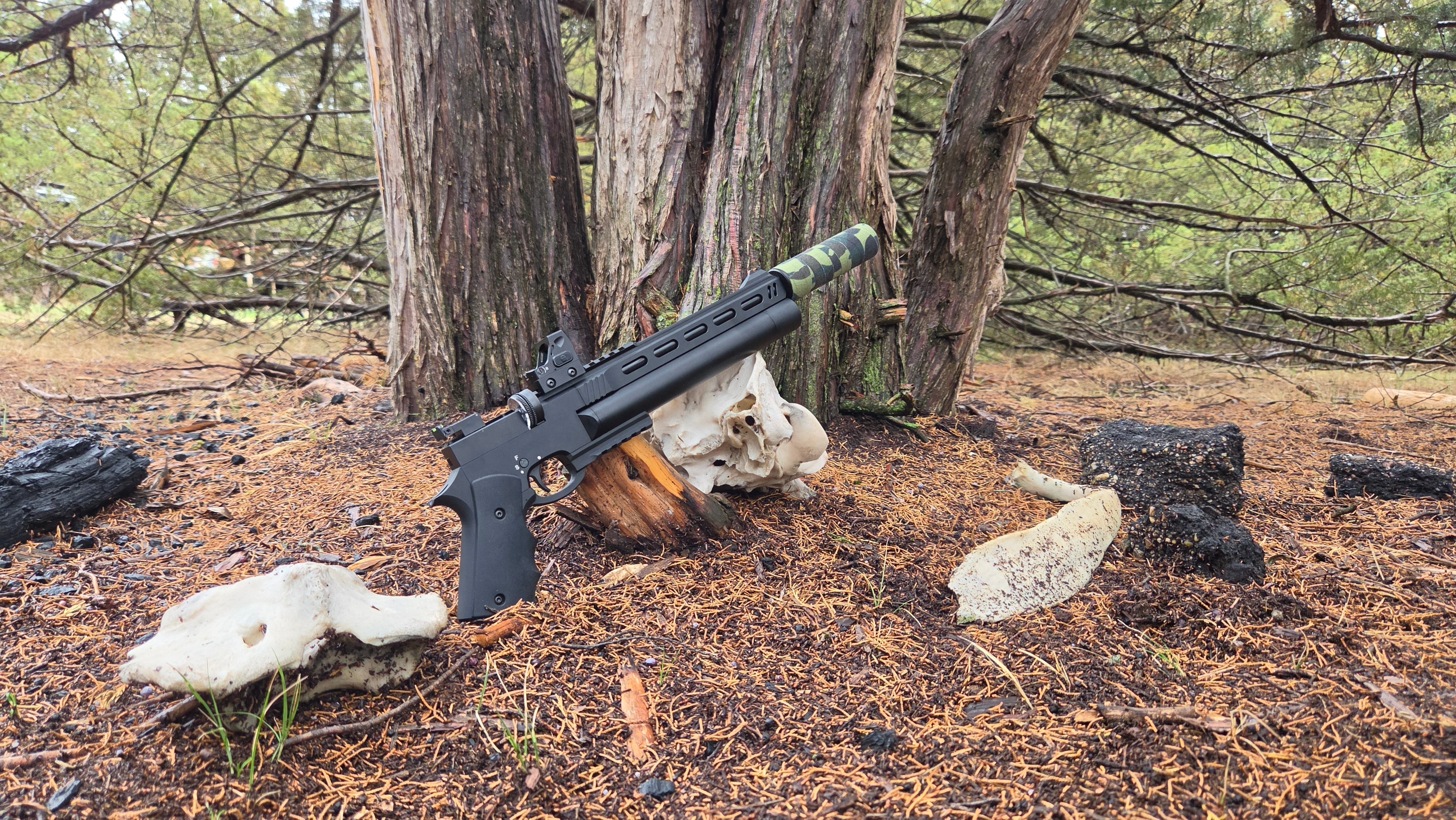
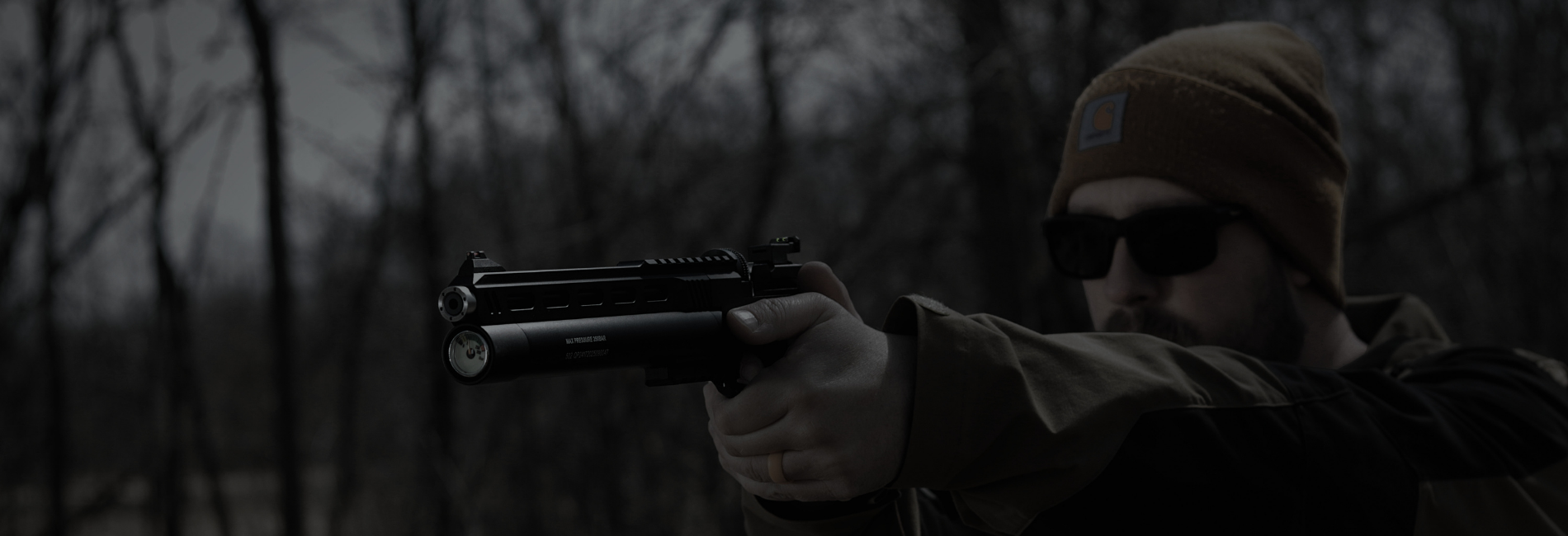
Pre-Charged Pneumatic (PCP) airguns have revolutionized modern shooting sports. Operating on high-pressure compressed air stored onboard at 2,000 to 3,600 PSI, PCP systems deliver recoilless firing cycles, whisper-quiet shots, and surgical consistency.
While full-sized PCP air rifles remain the standard for long-range benchrest precision, compact PCP air pistols and micro-carbines have surged in popularity among shooters who demand portability and fast target acquisition. Whether you are controlling farmyard pests, backyard plinking, or driving tight groupings, here is the real-world breakdown between PCP pistols and PCP rifles.
At-a-Glance: PCP Pistol vs. PCP Rifle Decision Matrix
| Feature | PCP Air Pistol | PCP Air Rifle |
|---|---|---|
| Primary Application | Close-range pesting (barns, sheds), mobile field carry, backyard plinking (<35 yards). | Long-range benchrest precision (50–100 yards), small-game hunting, bipod shooting. |
| Muzzle Velocity & Energy | 550 to 800 FPS | Lower FPE (prevents indoor over-penetration). | 850 to 1,000+ FPS | High FPE (maximum downrange impact). |
| Reservoir & Shot Count | Compact air tubes (50cc–120cc) | 15–30 shots per fill | Fast manual pumping. | Large cylinders/bottles (200cc–500cc+) | 50–100+ shots per fill | Requires compressor or SCUBA tank. |
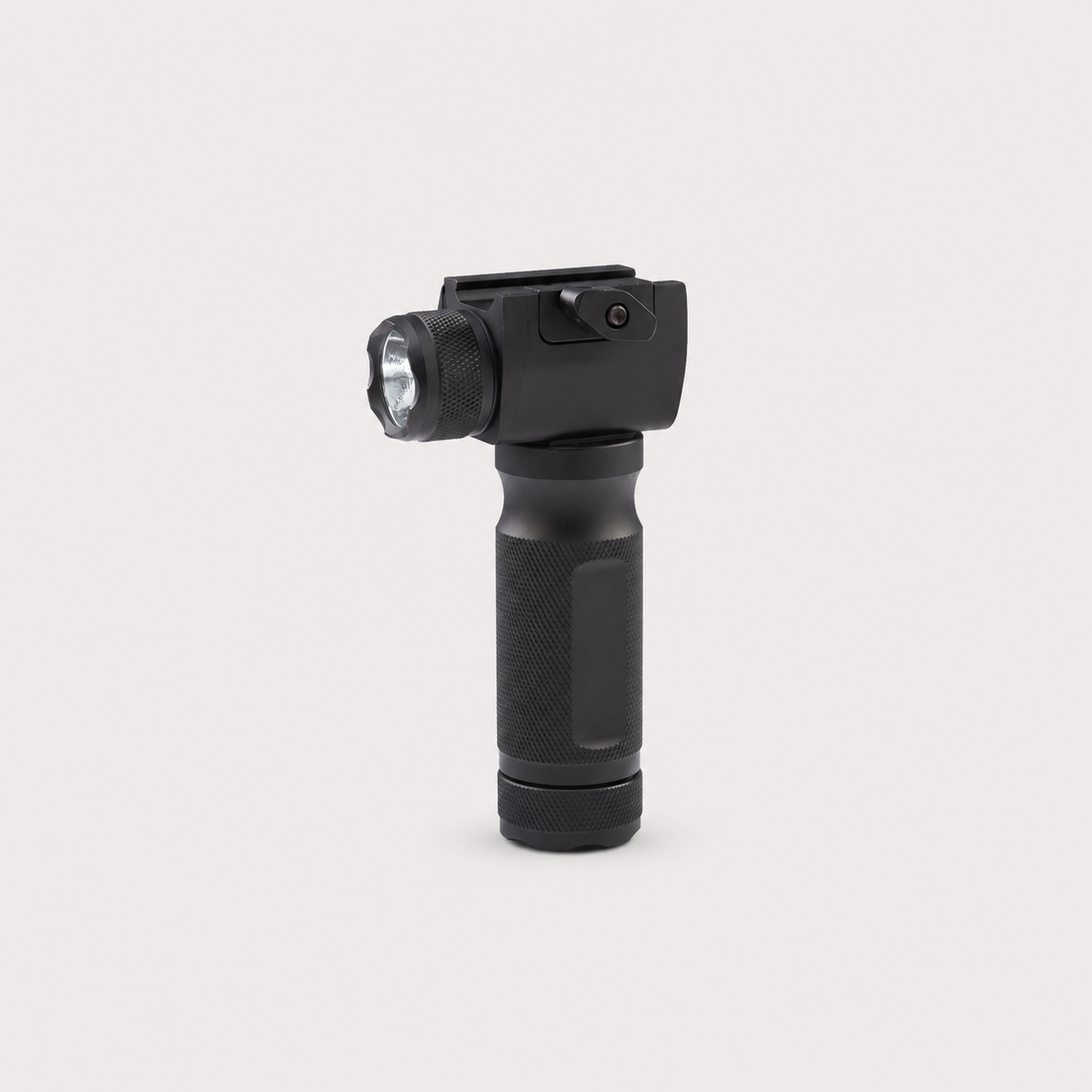
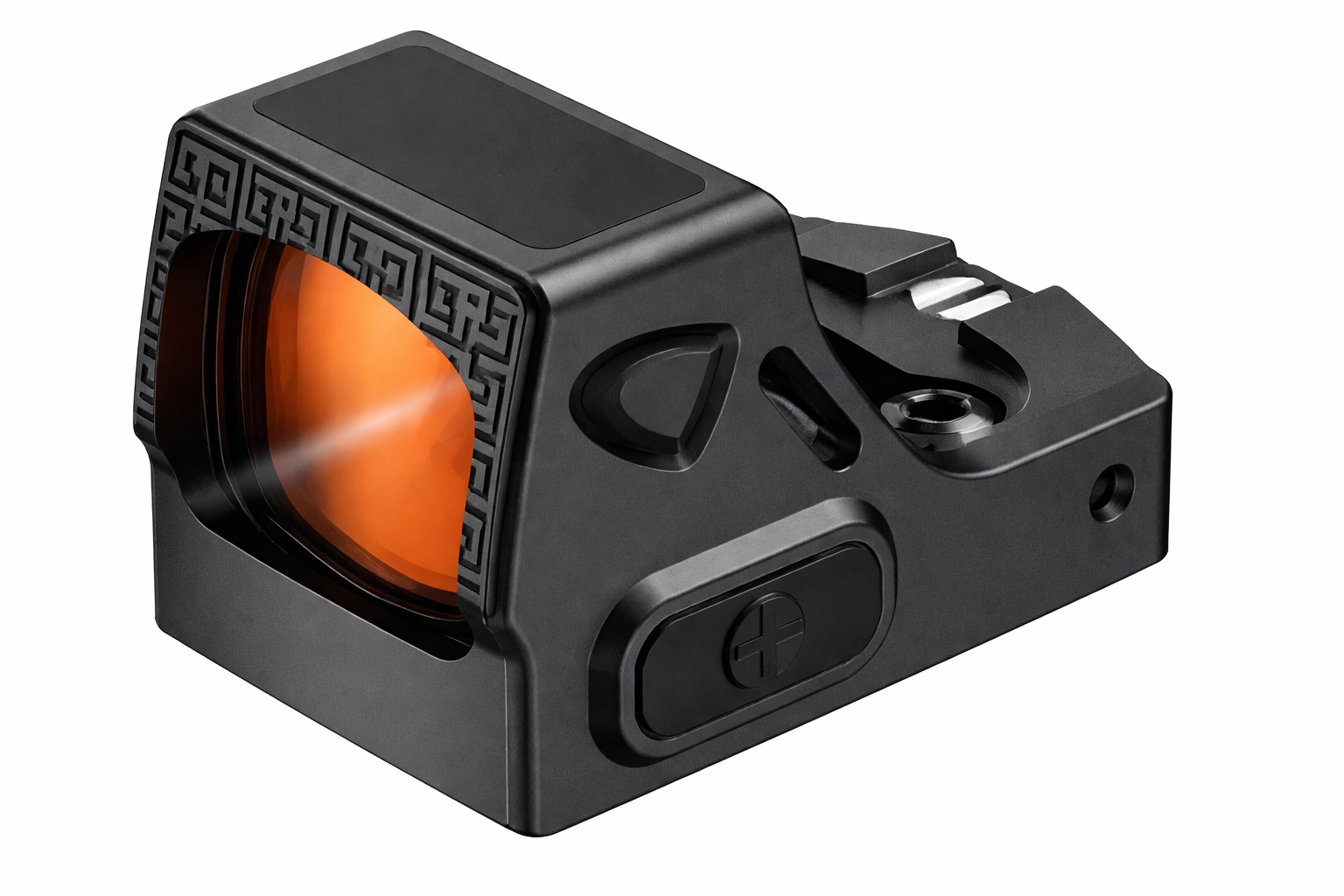
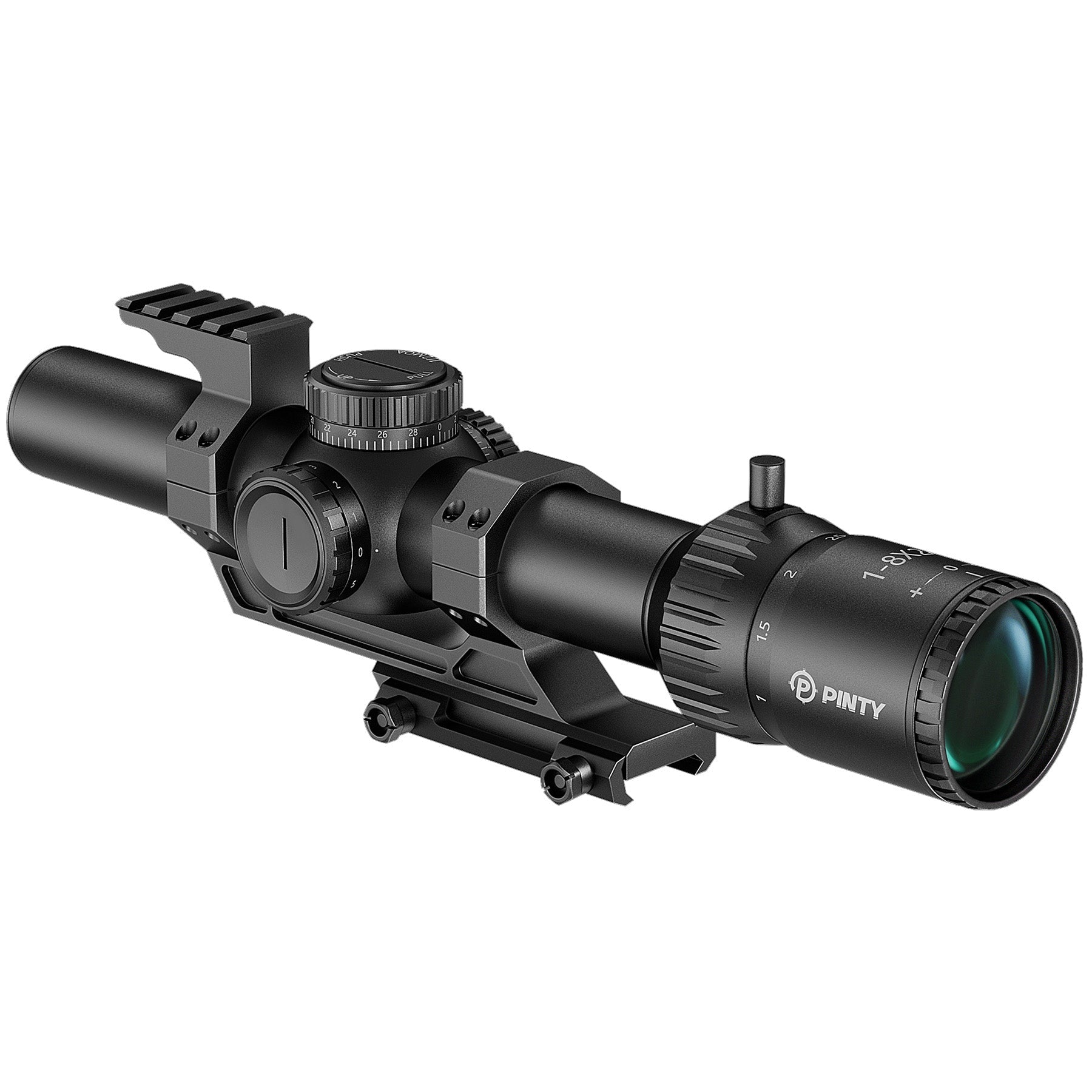
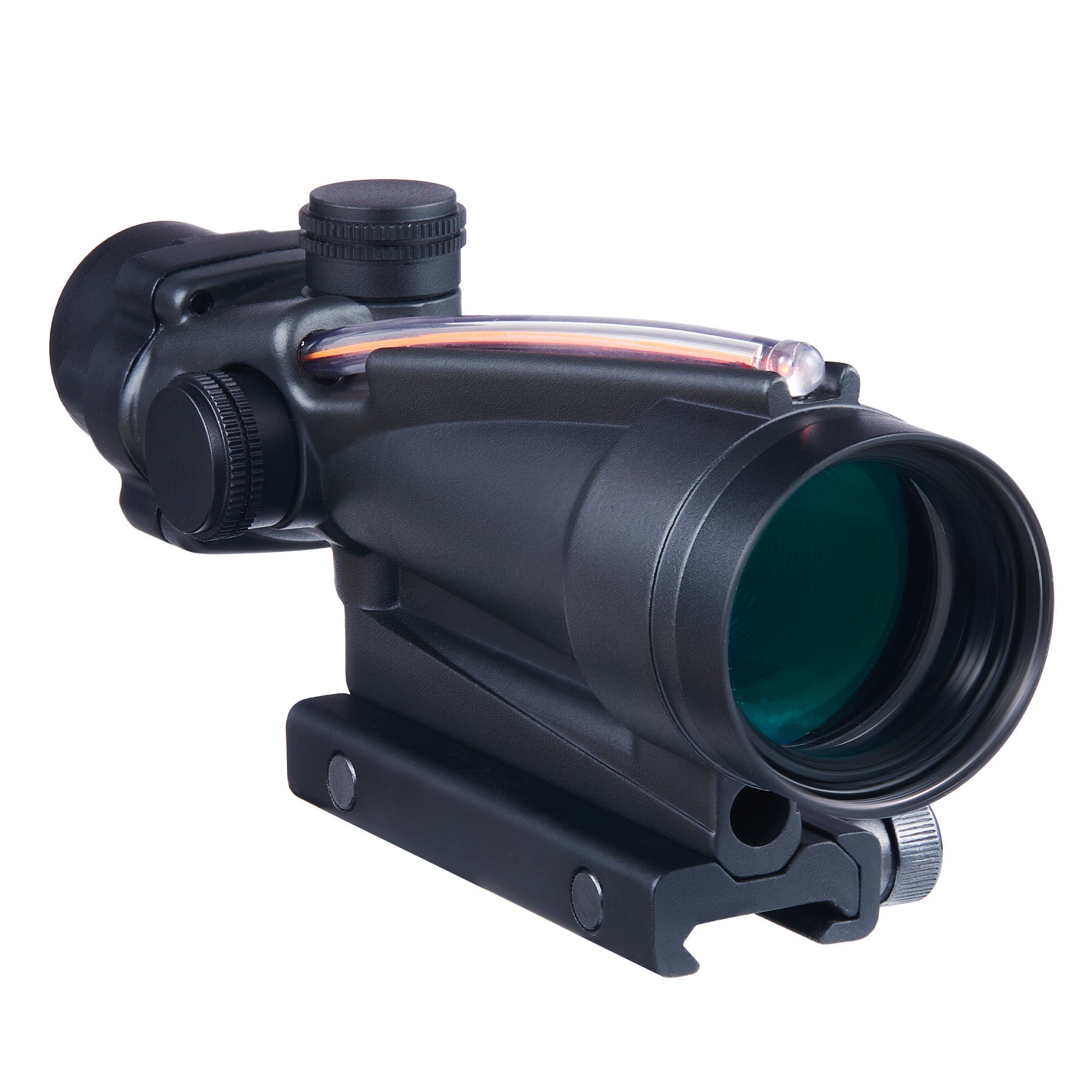
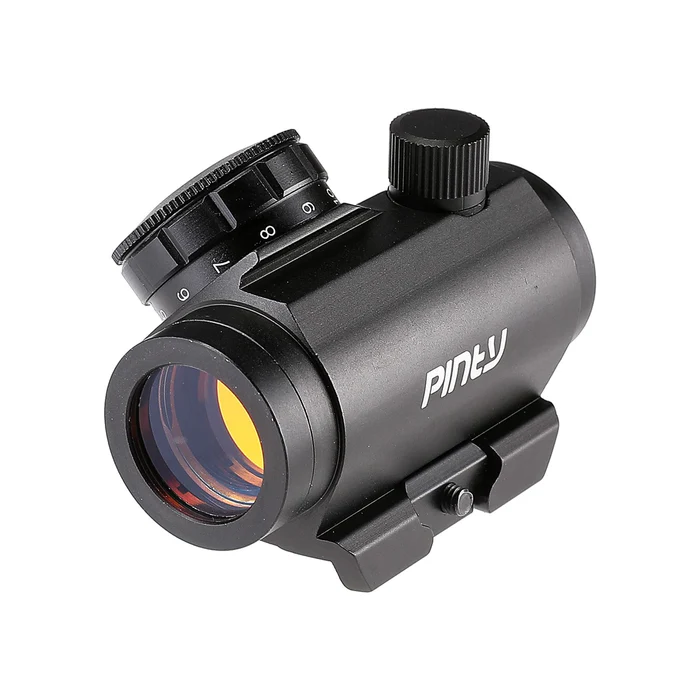
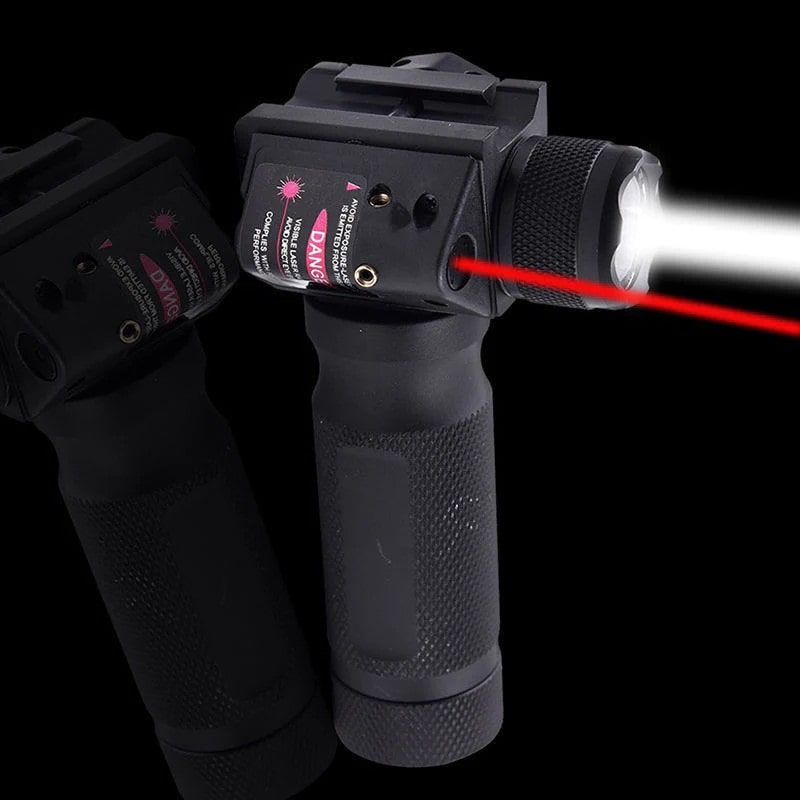
| Preferred Optics | Compact red dot sights, reflex optics, low-profile laser foregrips. | Variable high-magnification rifle scopes (3-9x40, 4-16x44), bipods. |
1. Size, Weight, and Field Mobility
The physical footprint of your airgun dictates where and how comfortably you can operate it in the field.
- PCP Air Pistols: Built with short barrels (6 to 10 inches) and lightweight frames under 3.5 lbs, PCP pistols excel in tight spaces. They are unmatched for truck carry, hiking through dense cover, or working inside barn rafters where a traditional rifle barrel constantly gets snagged.
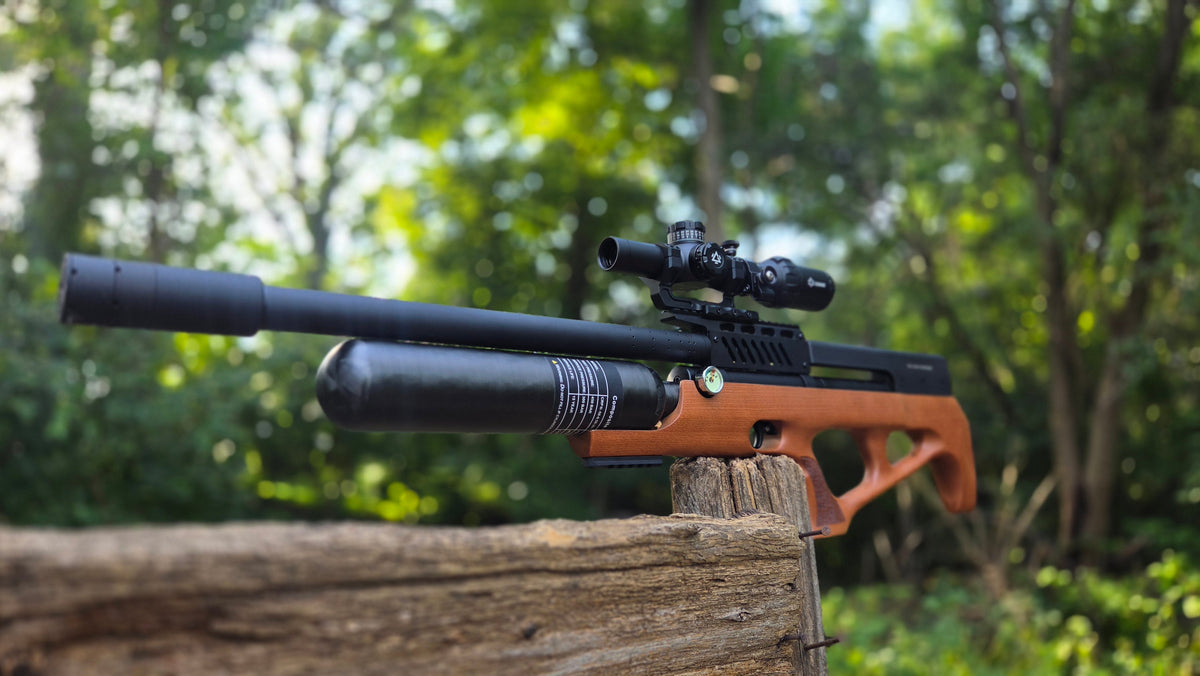
- PCP Air Rifles: Featuring 18-to-24-inch barrels and full shoulder stocks, traditional PCP rifles offer superior off-hand stability. The additional shoulder contact point immediately anchors your aiming position, making it effortless to steady your reticle on distant targets.
2. Velocity (FPS), Energy (FPE), and Downrange Reach
Muzzle velocity correlates directly with barrel length. A longer barrel allows high-pressure air to accelerate the lead pellet over a greater distance before it exits the muzzle.
- PCP Rifles: Produce higher feet-per-second (FPS) and foot-pounds of energy (FPE). This flatter trajectory minimizes pellet drop and wind drift out past 50 yards.
- PCP Pistols: Compact barrels yield lower muzzle velocities, making them most effective up to 30 to 35 yards. Because PCP airguns produce zero mechanical recoil, a pistol is mechanically just as accurate as a rifle at close range—it simply carries less downrange kinetic energy over distance.
3. Air Reservoir Capacity and Fill Effort
Air tank volume determines how many rounds you can send downrange before hooking up a pump or compressor.
- PCP Pistols (Small Cylinder): While shot counts per fill are lower, topping off a compact pistol cylinder from 1,500 PSI to 3,000 PSI requires only 30 to 40 strokes of a 3-stage hand pump.
- PCP Rifles (Large Bottle): Deliver high shot counts for extended plinking sessions without interruption. However, filling a 400cc carbon fiber bottle by hand is exhausting, making a 12V portable PCP compressor or SCUBA tank highly recommended.
4. Caliber Selection: Matching Grain to Application
- .177 Caliber: The ideal choice for target shooting and cost-effective backyard plinking. It offers a flat trajectory under 30 yards with minimal air consumption per shot.
- .22 Caliber: The most popular versatile airgun caliber. It balances high velocity with terminal impact energy for ethical small pest control (rats, squirrels) and field hunting.
- .25 Caliber: Built for hard-hitting knock-down power. Best paired with high-power PCP rifles targeting medium pests (raccoons, woodchucks) at extended ranges.

Which Setup Should You Buy?
Choose a PCP Air Pistol If:
- You prioritize lightweight portability and compact storage.
- You shoot primarily at short-to-medium distances (10 to 35 yards).
- You rely on a manual hand pump and want fast, effortless air refills.
- You prefer rapid target acquisition using red dot sights or compact reflex optics.
Choose a PCP Air Rifle If:
- You need maximum FPS, FPE, and precision out past 50 yards.
- You shoot primarily from a benchrest, bipod, or sandbag rest.
- You want high shot capacity without stopping to refill frequently.
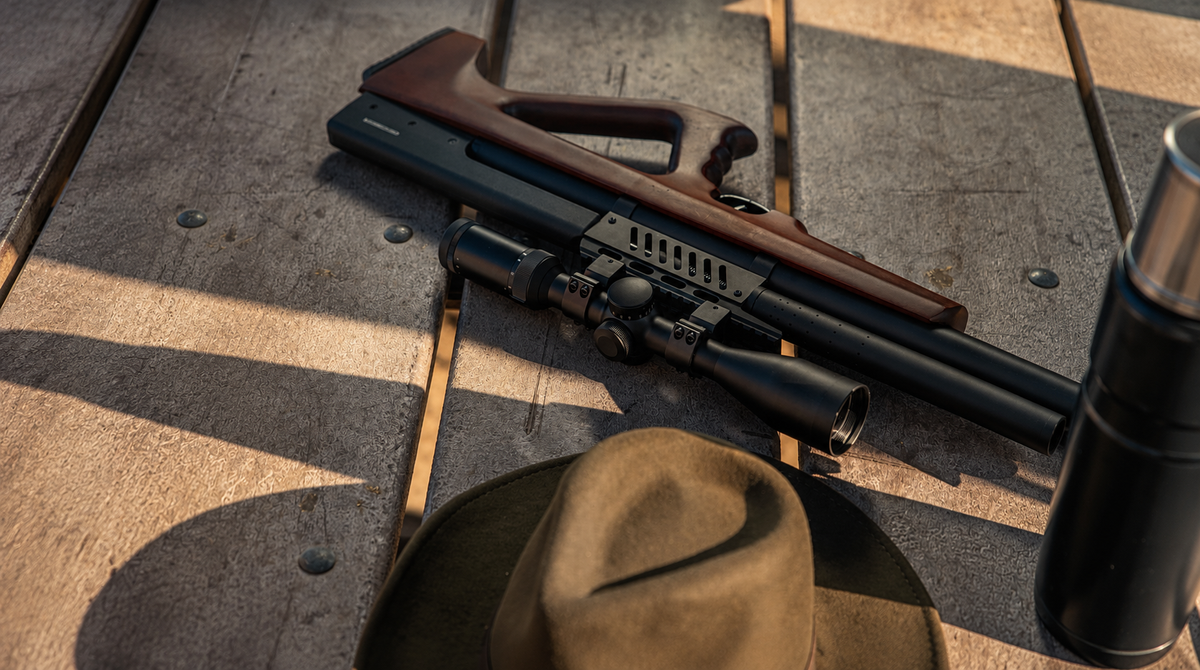
- You plan to mount high-magnification variable rifle scopes.
Frequently Asked Questions
Is a PCP air pistol less accurate than a PCP air rifle?
No. Mechanical accuracy depends on barrel quality, air regulation, and pellet consistency. Because PCP platforms produce zero mechanical recoil, a PCP pistol is extremely precise at close range. However, a full-sized rifle provides shoulder stability, making long-distance shooting easier for the marksman.
Can I mount a scope or red dot on a PCP air pistol?
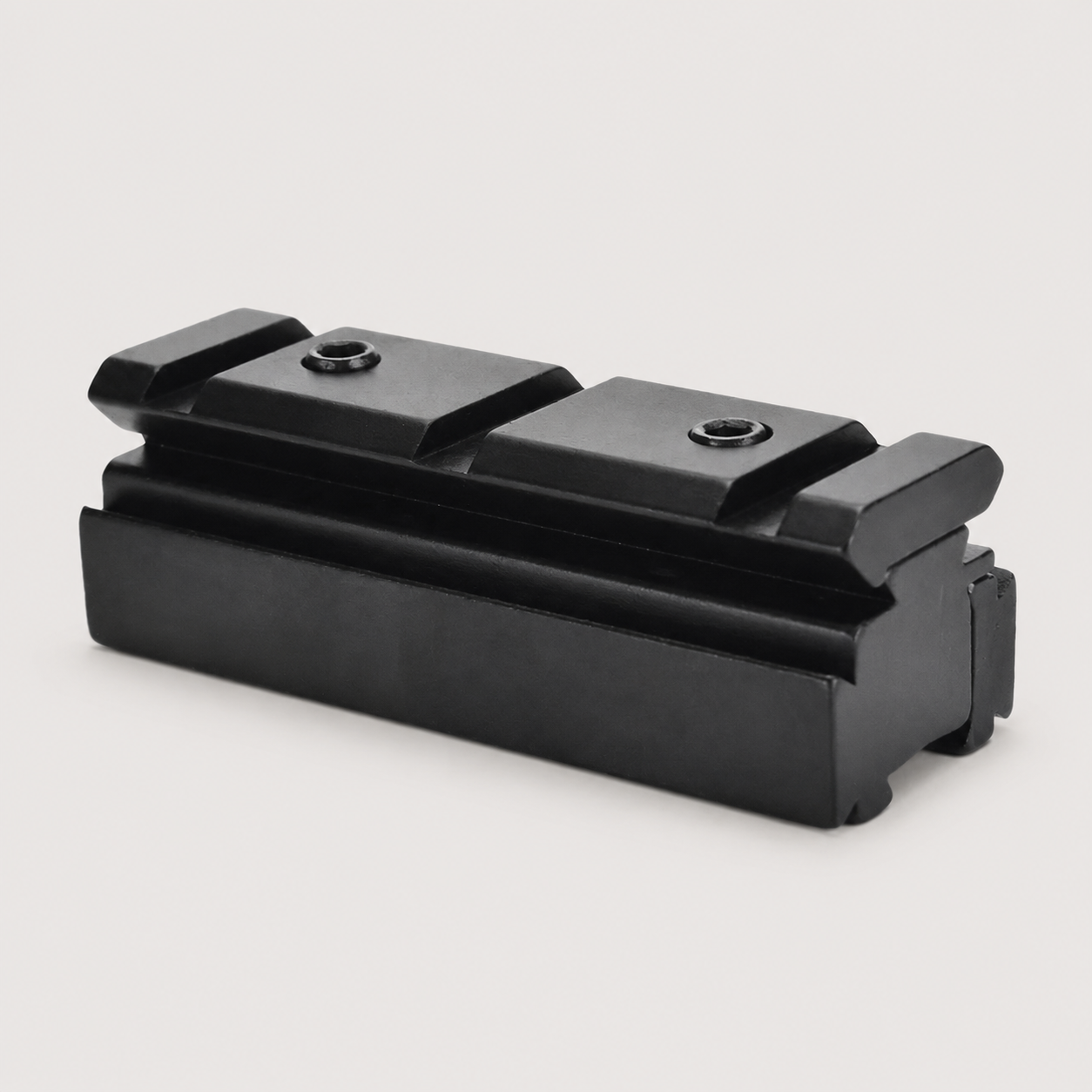
Yes. Modern PCP air pistols feature 11mm Dovetail or 20mm Picatinny rails. Since PCP airguns generate zero destructive double recoil, you can safely mount standard red dot sights, compact pistol scopes, or tactical optics without losing your zero.
Are PCP air pistols good for beginners?
PCP pistols are excellent for beginners who want a lightweight, low-recoil introduction to compressed air shooting without investing heavily in large electric air compressors or SCUBA tanks.




Share:
How to Maintain a PCP Air Rifle & Stop Air Leaks: Real Shooter Guide
.177 vs .22 vs .25 PCP Air Rifle: Caliber Buying Guide | Pinty