

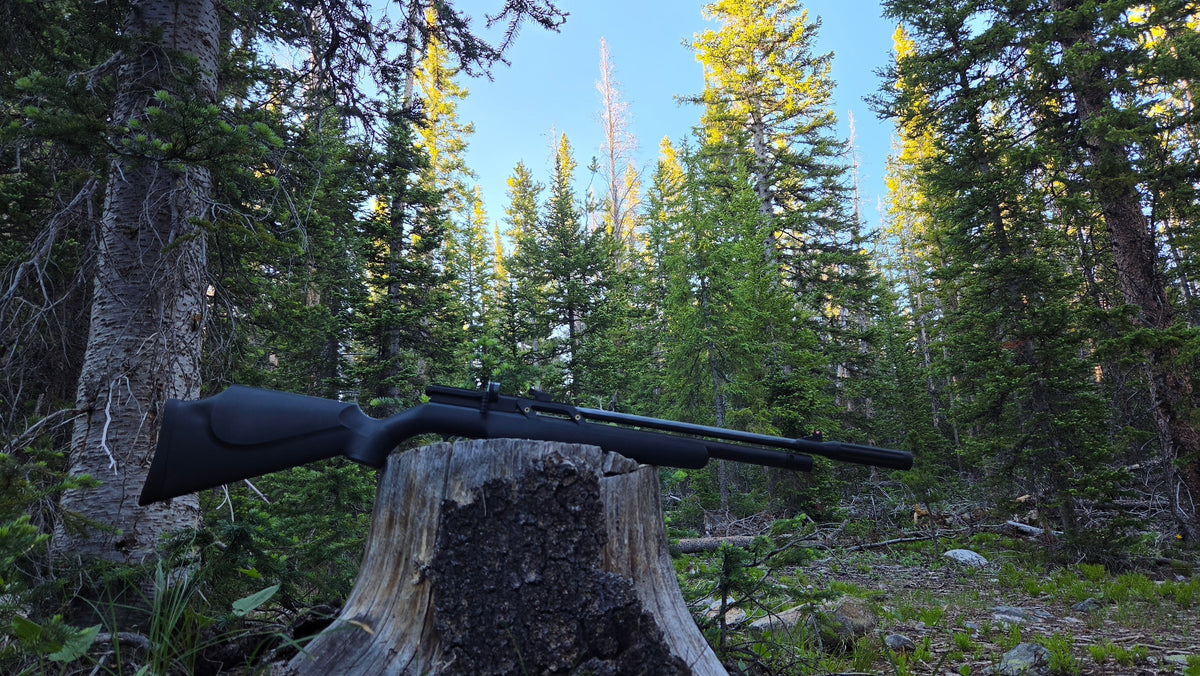
Ask anyone in the airgun forums like AirgunNation or GTA, and they will tell you the exact same thing: a PCP rifle is an absolute laser until an invisible microscopic leak drops your tank pressure, or a gunked-up barrel sends your shot grouping all over the target.
Unlike traditional powderburners that rely on high-temperature carbon solvents, Pre-Charged Pneumatic airguns are precision pressure vessels operating at 2,000 to 4,500 PSI. They demand a completely different care routine. If you treat your PCP rifle like a rimfire or 12-gauge shotgun, you will fry your synthetic seals, strip your barrel rifling, or worse—cause dangerous high-pressure combustion inside your air reservoir.
Here is how experienced airgunners clean their barrels, stop slow leaks before match day, and protect their optics from zero shifts.
The Cardinal Safety Rule: Never Let Petroleum Solvents Near a PCP Tank
If you take away only one lesson from this guide, let it be this: Keep traditional firearm solvents (like Hoppe’s No. 9, WD-40, or gun degreasers) far away from your PCP rifle.
Standard gun cleaners contain petroleum distillates designed to break down powder fouling. On a PCP airgun, petroleum eats through nitrile and silicone rubber O-rings in days, causing chronic pressure drops. Even worse, petroleum vapors mixed with 3,000 PSI oxygen can trigger "dieseling"—an internal micro-explosion under extreme pressure that can rupture internal valves and blow out seal seats.
Always use 100% pure silicone oil or silicone grease specifically rated for high-pressure air systems.

Step-by-Step: Safe Barrel Cleaning & O-Ring Care
1. Cleaning the Barrel (Only When Groupings Open Up)
Here is a mistake almost every beginner makes: cleaning the barrel after every shooting session. Airgun barrels are made of softer steel than powderburners, and soft lead pellets actually deposit a microscopic "seasoning" layer that stabilizes flight performance.
- When to clean: Only clean your barrel if you notice a sudden, unexplained drop in grouping accuracy or Point of Impact (POI).
- Tools to use: Never use brass wire brushes. Use a flexible pull-through weed-whacker line or a pull cable with a microfiber patch pulled strictly from breech to muzzle.
- The Process: Lightly dampen a patch with silicone oil, pull it through once, and follow up with dry patches until they come out clean.
2. Preventing Chronic O-Ring Leaks
Air leaks are the single most common frustration in PCP shooting. If your manometer drops overnight while sitting in the gun safe, your main suspects are the fill nipple seal, probe O-rings, or the valve seat.
Apply a microscopic film of 100% pure silicone grease to your probe O-rings and quick-disconnect fill nipples every 500 rounds. This keeps the synthetic rubber pliable and prevents micro-tears during high-pressure filling. If you suspect a leak, put a tiny dab of soapy water around the fill valve or pressure gauge to watch for escaping micro-bubbles.
Proper Storage Pressure: The "Never-Zero" Rule
Never store your PCP airgun completely empty (0 PSI). Storing a reservoir fully depressurized allows atmospheric humidity to seep into the internal cylinder, oxidizing valve faces and causing internal corrosion.
- Sweet Spot Storage Pressure: Keep your reservoir resting at roughly 1,000 to 1,500 PSI during long storage periods.
- Why this works: Moderate air pressure holds the internal poppet valve tight against its seat, preventing ambient moisture, dust, and humidity from entering the air action.
- Temperature Control: Store your rifle in a temperature-controlled environment inside a hard case packed with silica gel desiccant packs to prevent condensation on external steel surfaces.
Securing Your Optics Against Transportation POI Shifts
PCP rifles don't have harsh mechanical recoil, but knocking your gun case around in the back of a truck during target practice trips can easily loosen rail mounts and shift your zero.
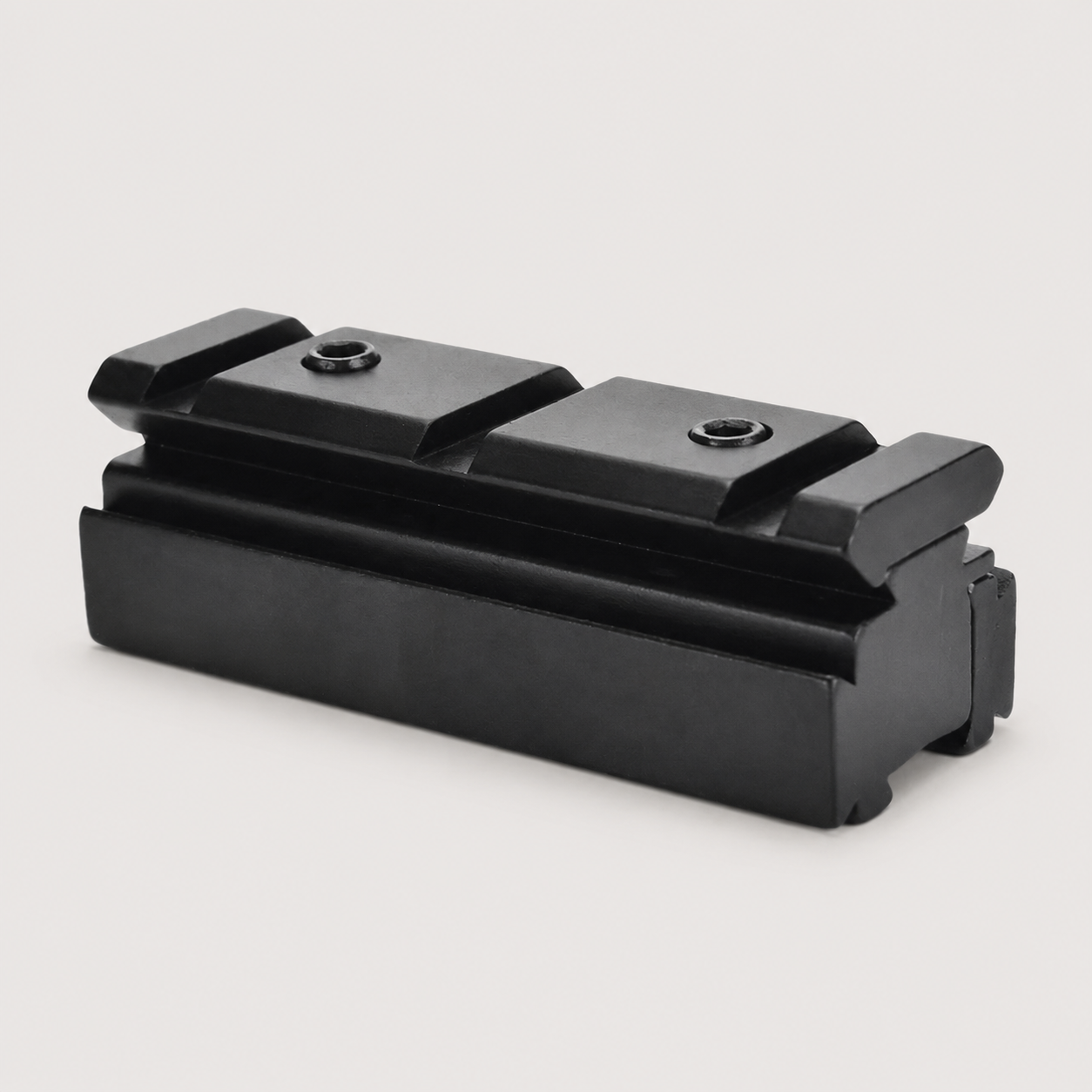
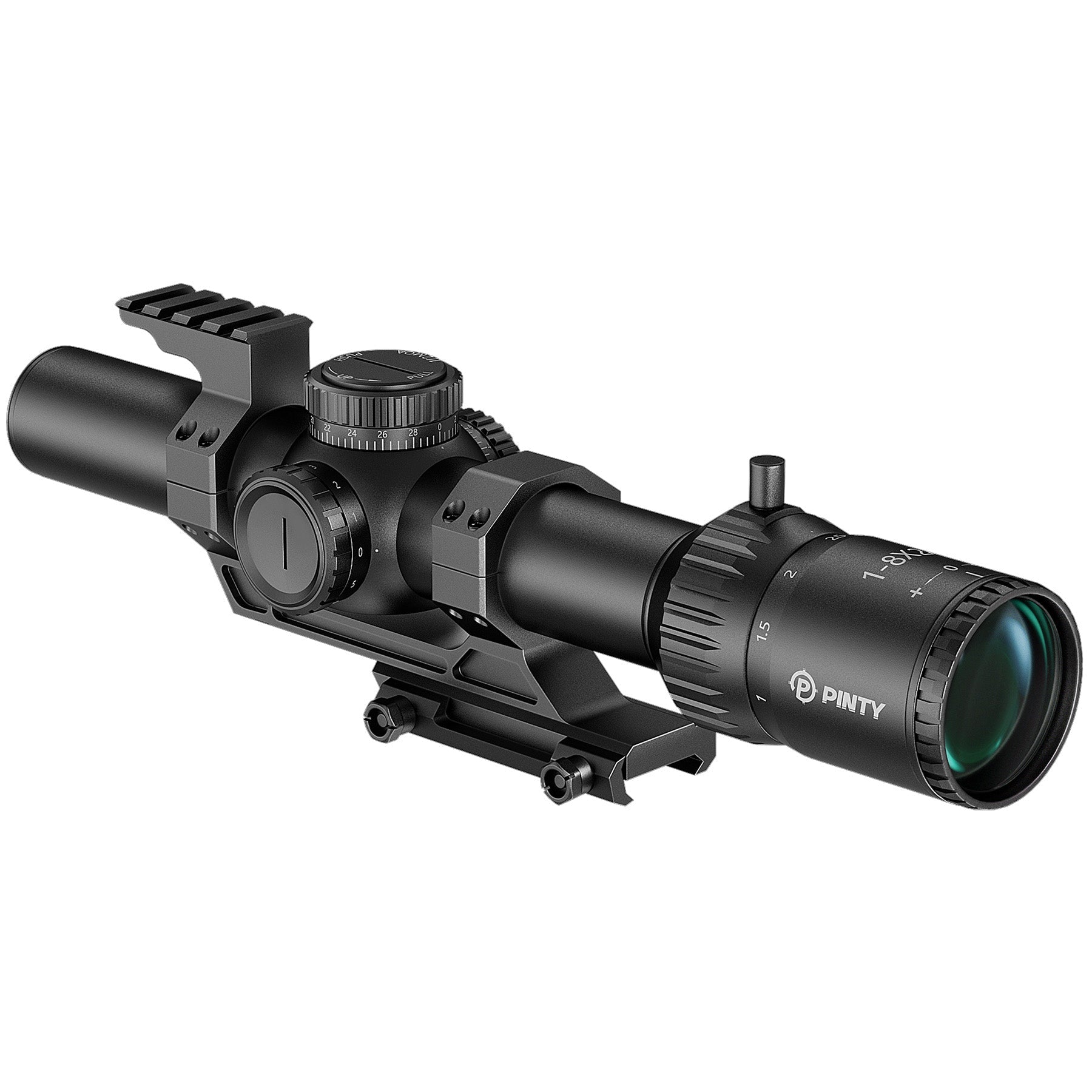
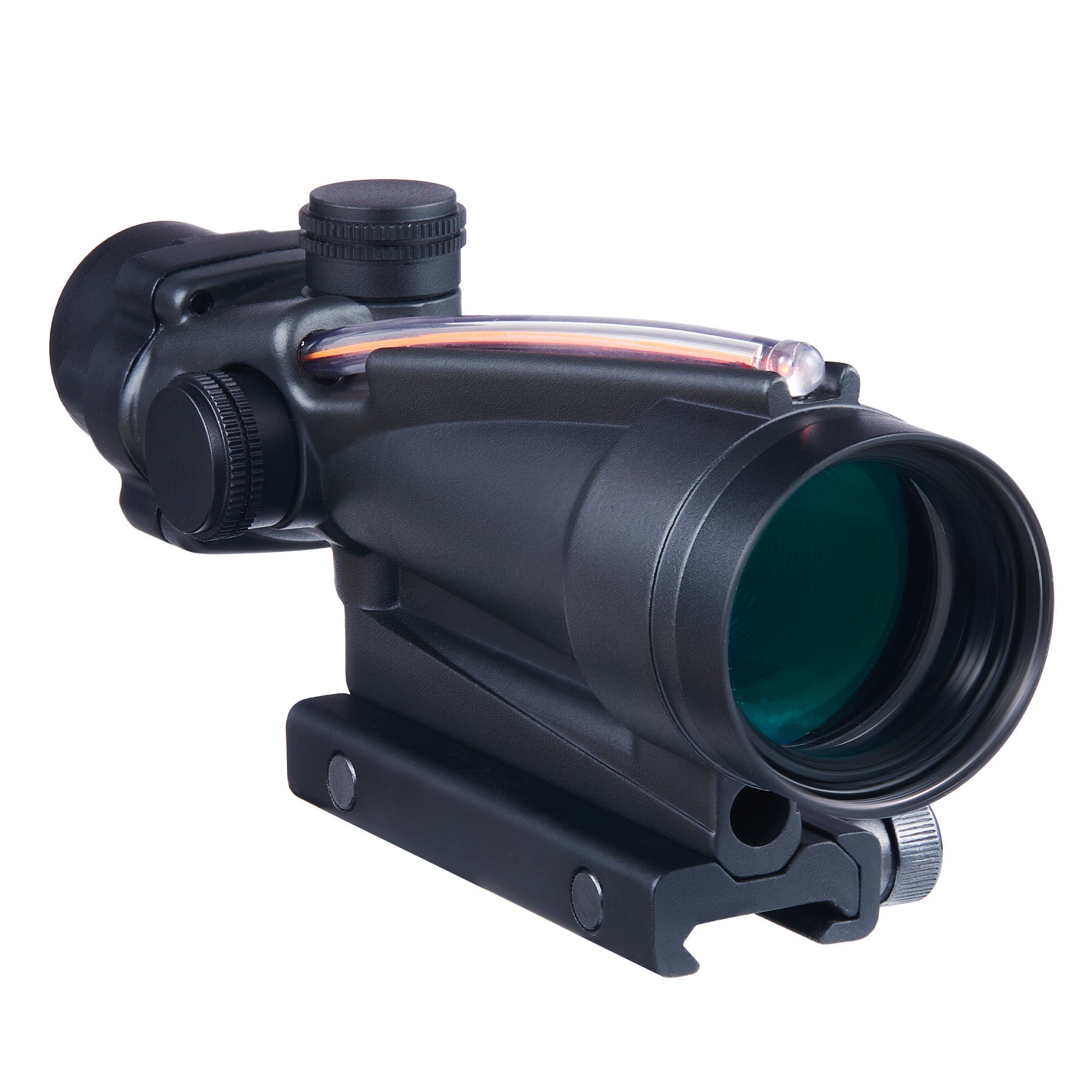
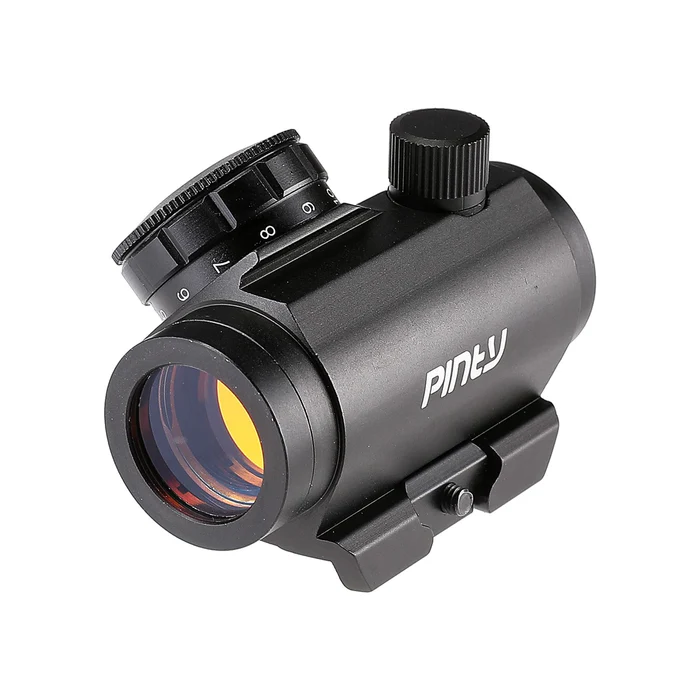
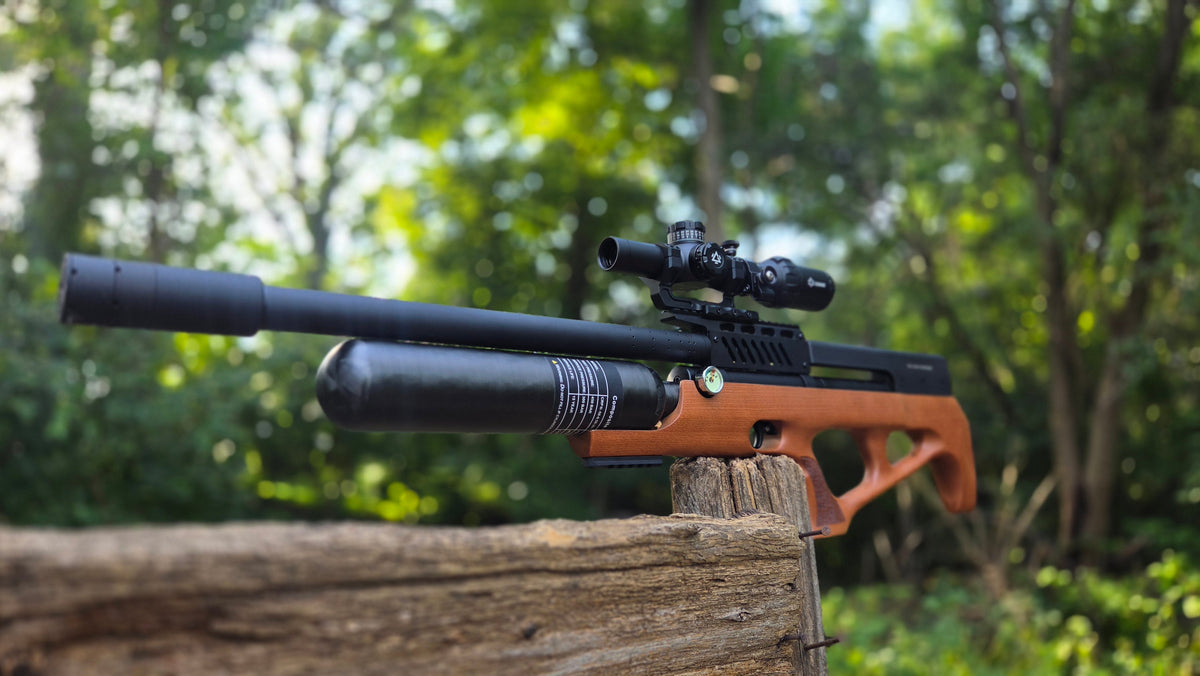
Check your mounting hardware before every match. Using precision-machined Pinty scope rings and picatinny mounts ensures heavy tactical scopes stay locked in place without stripping aluminum threads or slipping on the rail under field conditions.

Frequently Asked Questions
Q: Can I use felt cleaning pellets instead of a pull-through patch?
A: Yes, but only if you hold the dry-fire sound down and back the felt pellet with a regular lead pellet. Firing an unweighted felt pellet out of a high-power PCP can act like a dry-fire, stressing your valve assembly.
Q: Why is my PCP rifle losing 200 PSI overnight?
A: A slow leak usually stems from a dried-out fill probe O-ring or dust caught in the check-valve assembly. Degrease the fill valve, re-apply pure silicone grease, and re-test with soapy water.
Q: Do I need to unmount my scope when cleaning the airgun barrel?
A: No. Keeping your optic mounted on your Pinty rifle scope setup preserves your zero and prevents unnecessary thread wear on your receiver's dovetail or picatinny rails.
Built for Long-Term Precision
Maintaining a PCP airgun comes down to disciplined habits: avoid petroleum solvents, keep synthetic seals lubricated with silicone, and maintain partial air pressure during storage. Paired with reliable hardware and rugged optics, your airgun will deliver deadly accuracy downrange year after year.





Share:
The Ultimate PCP Air Rifle Maintenance Guide: Keep Your Air Gun Performing at Its Peak
PCP Air Pistol vs PCP Rifle: Which Setup Is Right for You?