

PCP Air Pistol vs. Bullpup PCP Rifle: Which Is Right for You?
Balancing portability, air capacity, optics support, and shooting distance to find your ideal pneumatic setup.
When entering the world of pre-charged pneumatic (PCP) airguns, modern shooters are no longer limited to traditional full-length rifles. Advances in pneumatic design have made compact PCP air pistols and short-frame bullpup rifles two of the most popular choices for target practice, recreational shooting, and mobile setup.
While both platforms share the low-recoil characteristics and consistent shot-to-shot performance associated with PCP technology, they serve very different shooting priorities. Choosing between a maneuverable PCP pistol and a compact bullpup rifle ultimately comes down to how you balance portability, air capacity, optics, shooting distance, and stability.

PCP Air Pistol vs. Bullpup PCP Rifle at a Glance
PCP Air Pistol
- Portability: Excellent / Lightweight
- Overall Size: Ultra-Compact Handgun
- Shooting Position: Offhand / Handheld / Rest
- Air Reservoir: Smaller Cylinder
- Optic Support: Red Dots / Compact Scopes
- Typical Range: Short to Medium (10–30 yds)
- Best For: Plinking & Maximum Mobility
Bullpup PCP Rifle
- Portability: Very Good / Compact Chassis
- Overall Size: Compact Shoulder-Mounted
- Shooting Position: Shoulder (Cheek Weld)
- Air Reservoir: Larger Cylinder (300cc+)
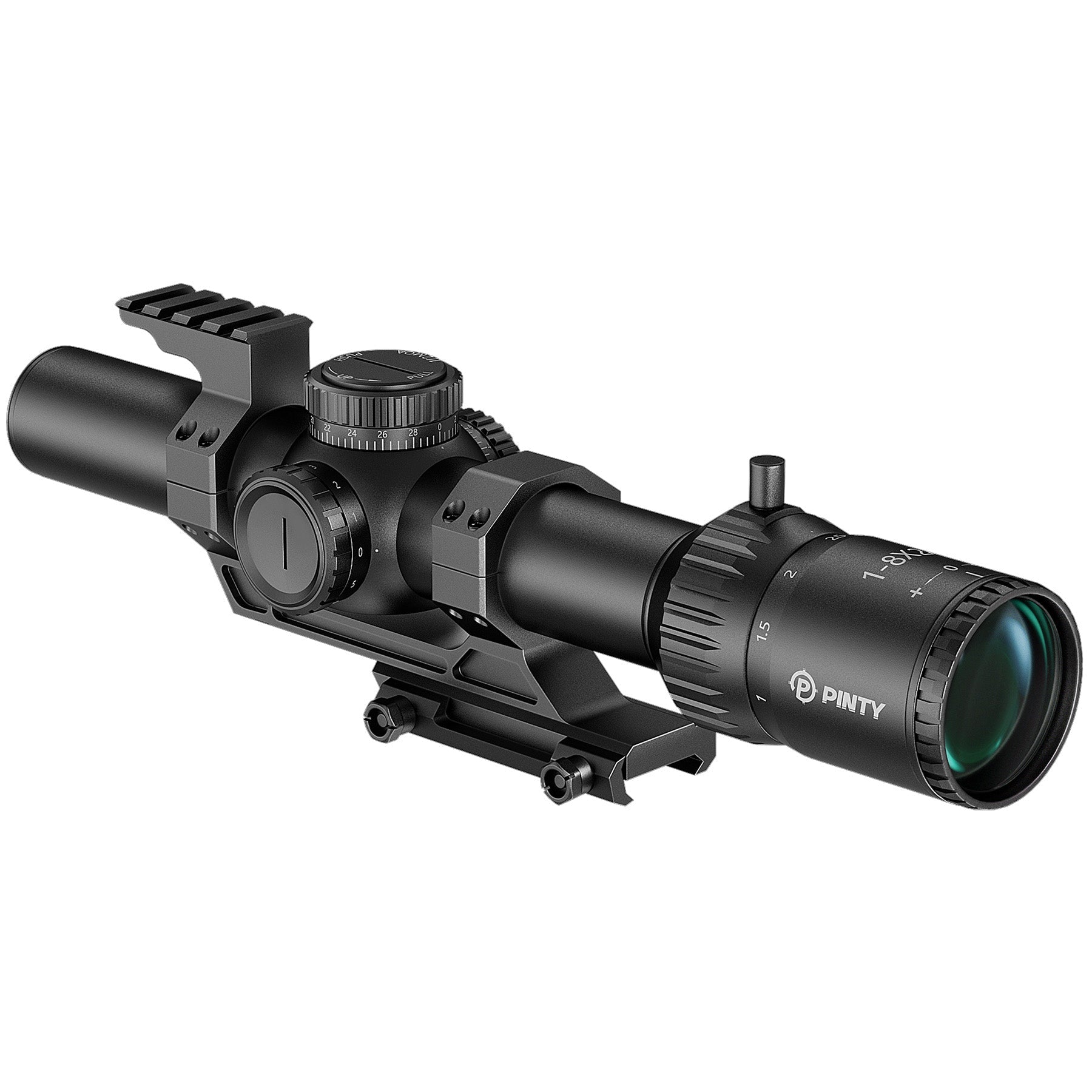
- Optic Support: Variable Power Scopes
- Typical Range: Medium to Extended (25–50+ yds)
- Best For: Long-Range & Long Sessions
When a PCP Air Pistol Makes More Sense
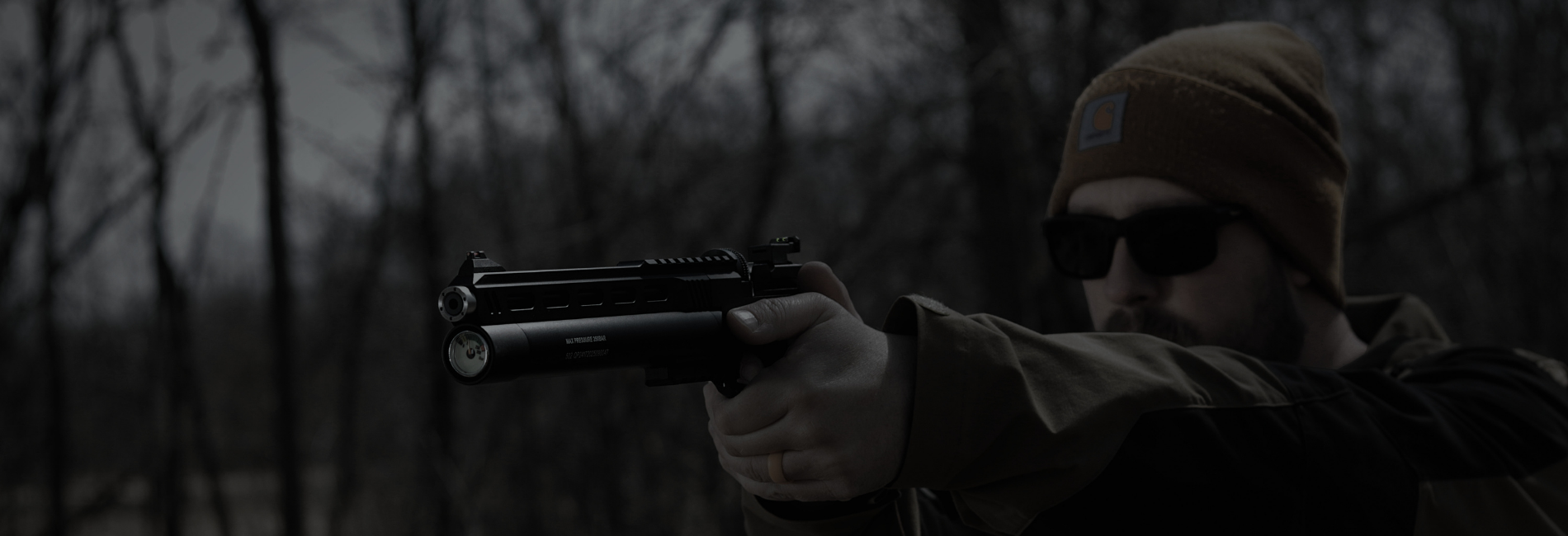
A PCP air pistol is built around speed, ease of use, and maximum maneuverability. If you value a lightweight setup that can be deployed quickly without extra bulk, a dedicated air pistol is an appealing platform.
1. Superior Portability and Offhand Handling
Weighing significantly less than a standard air rifle, a PCP pistol allows for natural single-handed or two-handed offhand shooting. It fits easily into smaller range bags and does not require a complex bench setup to enjoy.
2. Manageable Filling with Hand Pumps
Because PCP pistols use smaller air reservoirs, bringing the cylinder up to operating pressure requires significantly less time and physical effort. If you rely on a manual hand pump rather than a high-pressure compressor or carbon fiber tank, a pistol reservoir makes routine refilling far more convenient.
3. Ideal for Casual Plinking and Backyard Ranges
For recreational shooting at typical backyard distances (10 to 25 yards), a PCP pistol provides more than enough downrange precision. It allows shooters to practice trigger control and target acquisition without managing a long, heavy chassis.
When a Bullpup PCP Rifle Is the Better Choice
If your shooting style demands greater shot capacity, shoulder stability, and consistent performance at extended distances, stepping up to compact or full-sized PCP air rifles is the logical move.
1. Long Barrel Efficiency in a Compact Package
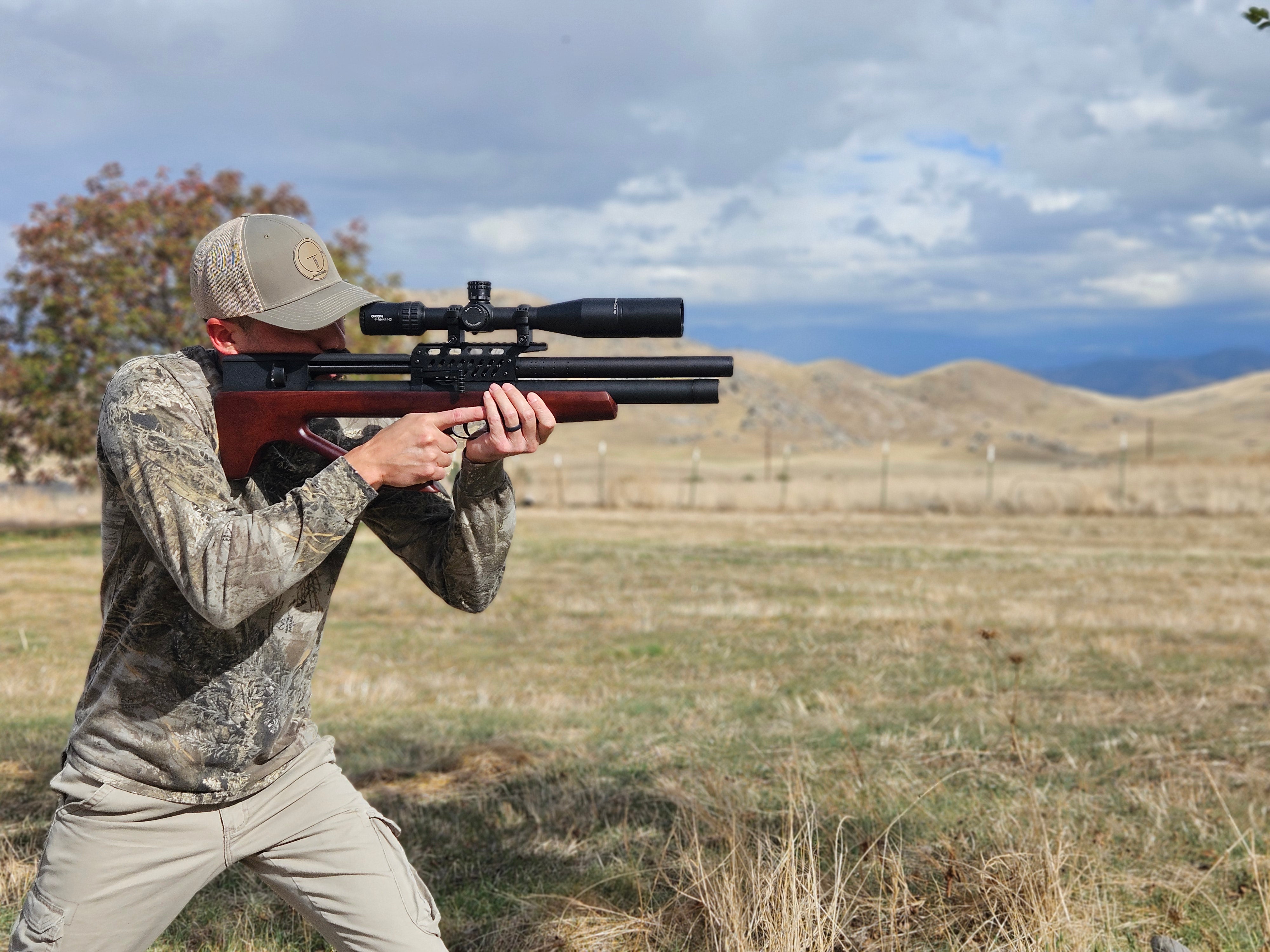
A bullpup design positions the action and magazine behind the trigger group. This architectural layout allows bullpup rifles to retain a full-length precision barrel inside an overall short frame. As a result, you get the muzzle velocity and shot consistency of a traditional rifle without handling an unwieldy, front-heavy stock.
2. Higher Regulated Shot Count
Bullpup PCP rifles are typically equipped with larger air cylinders (often 300cc or greater). Combined with an internal pressure regulator, this larger reservoir delivers a much higher volume of consistent, regulated shots per fill. You can spend more time focusing on your target group and less time topping off air pressure.
3. Stable Cheek Weld and Optics Mounting
A shoulder-mounted platform inherently provides superior stability compared to a handheld pistol. The monolithic optic rail on a bullpup easily accommodates full-sized, variable-magnification scopes. The consistent cheek weld helps maintain eye relief and alignment, which is critical for tightening your target groups at 50 yards and beyond.

PCP Air Pistol vs. Bullpup PCP Rifle: 5 Things to Consider
- .177 Caliber: Excellent for target paper punching, light plinking, and economical pellet consumption in both platforms.
- .22 Caliber: The most versatile middle ground, balancing trajectory, pellet availability, and downrange energy.
- .25 Caliber: Best suited for shoulder-mounted bullpups where larger cylinder volumes comfortably support higher air consumption per shot.
Neither platform is universally "better"—the right choice depends on your personal shooting environment, pumping setup, and distance goals.

Which PCP Platform Should You Choose?
To summarize your path forward:
Choose a PCP Air Pistol if:
You prioritize lightweight portability, quick shooting sessions at short-to-medium distances, effortless manual hand pumping, and a compact gear footprint.
Choose a Bullpup PCP Rifle if:
You want maximum shot capacity per fill, shoulder-mounted stability, higher downrange impact energy, and the option to mount high-magnification precision rifle scopes for 50-yard targets.
Explore Modern Pneumatic Platforms
Whether you need the maneuverable flexibility of a high-power handgun or the balanced precision of a regulated bullpup, selecting a system tailored to your habits guarantees a superior range experience.
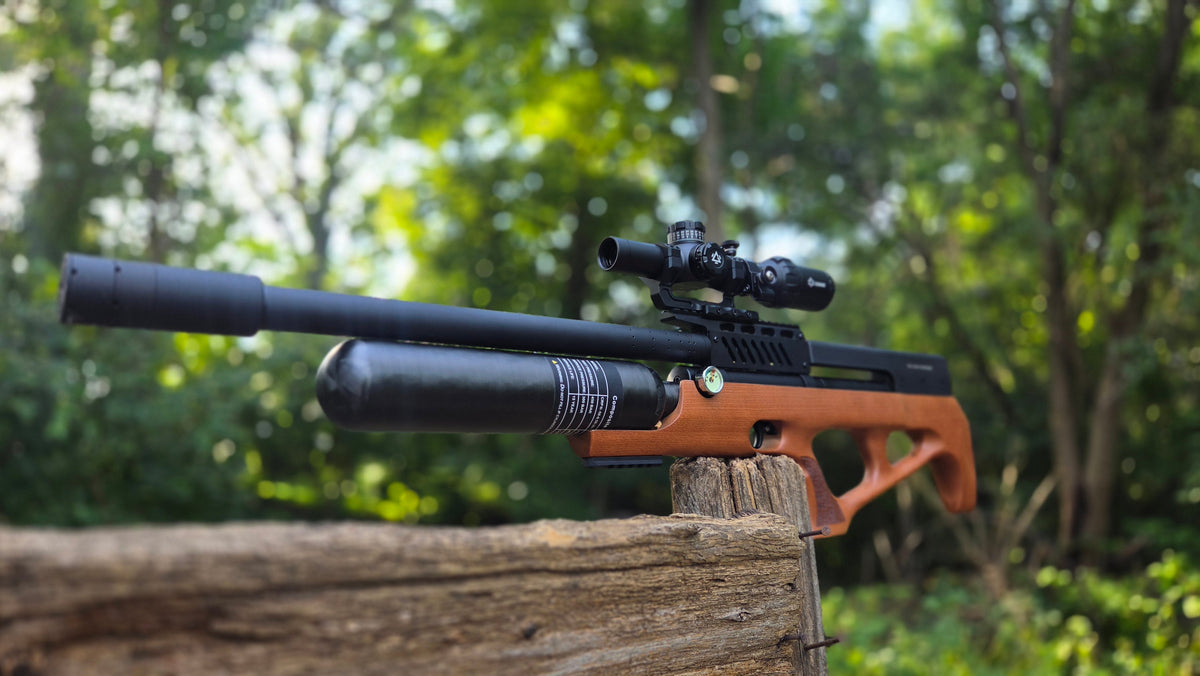
Pinty Buster PCP Pistol
High-power air pistol designed for swift offhand shooting, short refilling cycles, and backyard precision.
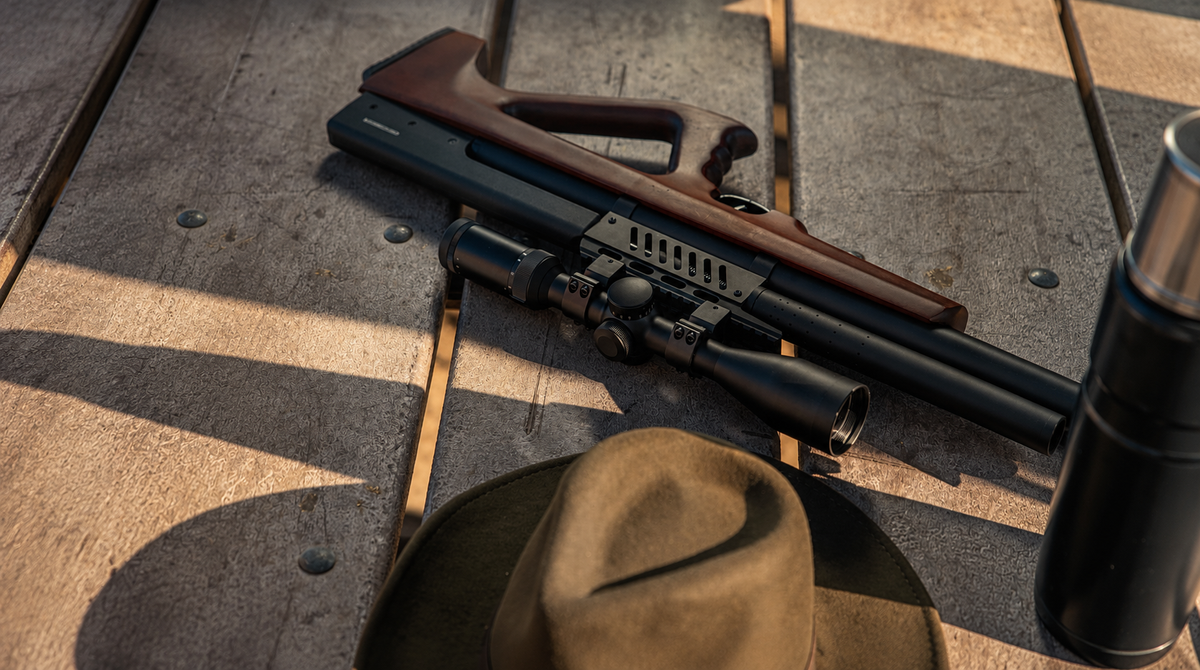
Pinty Striker Bullpup MKII
Regulated platform packed with full barrel performance in a compact chassis for extended target sessions.
Frequently Asked Questions
Can you mount a scope on a PCP air pistol?
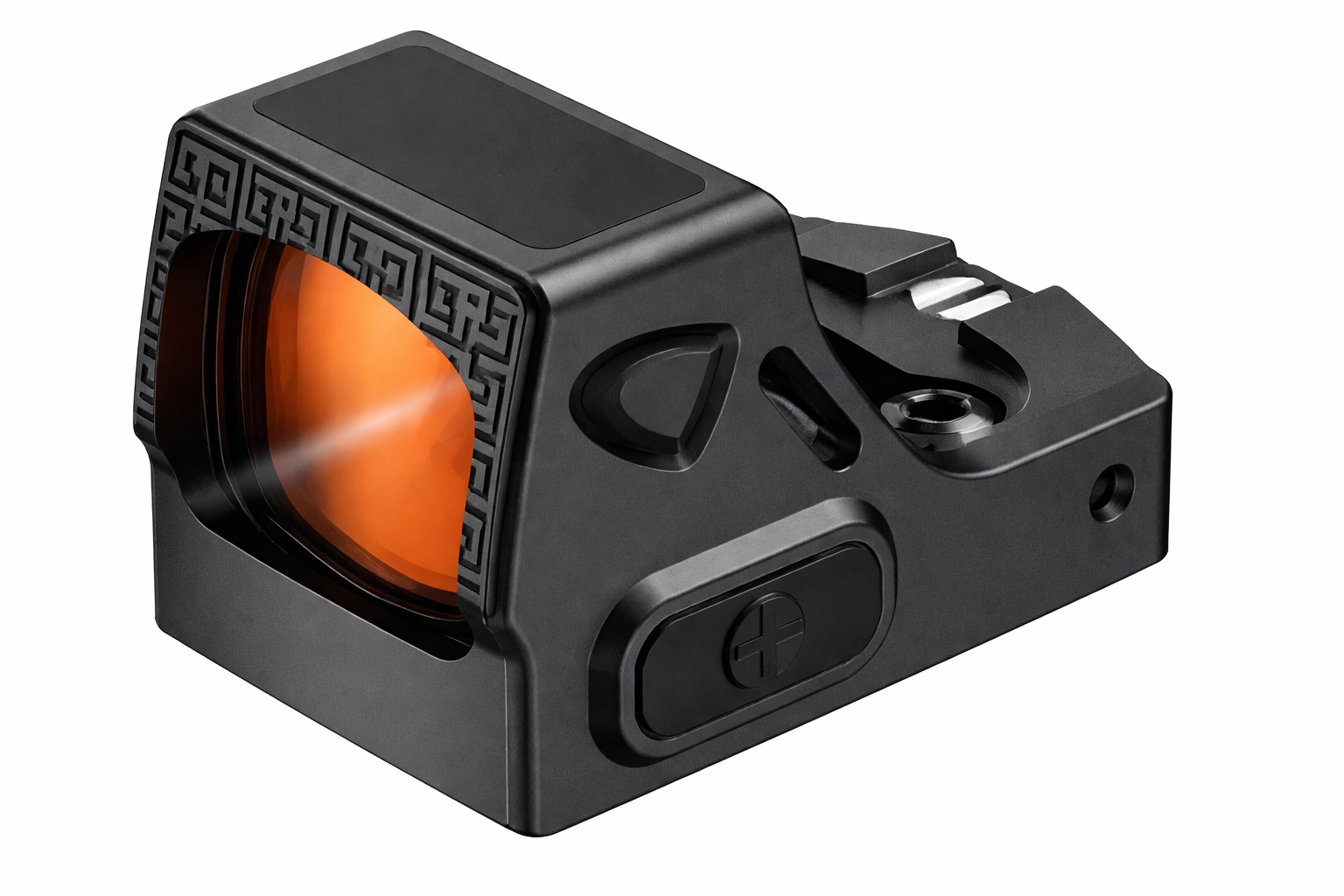
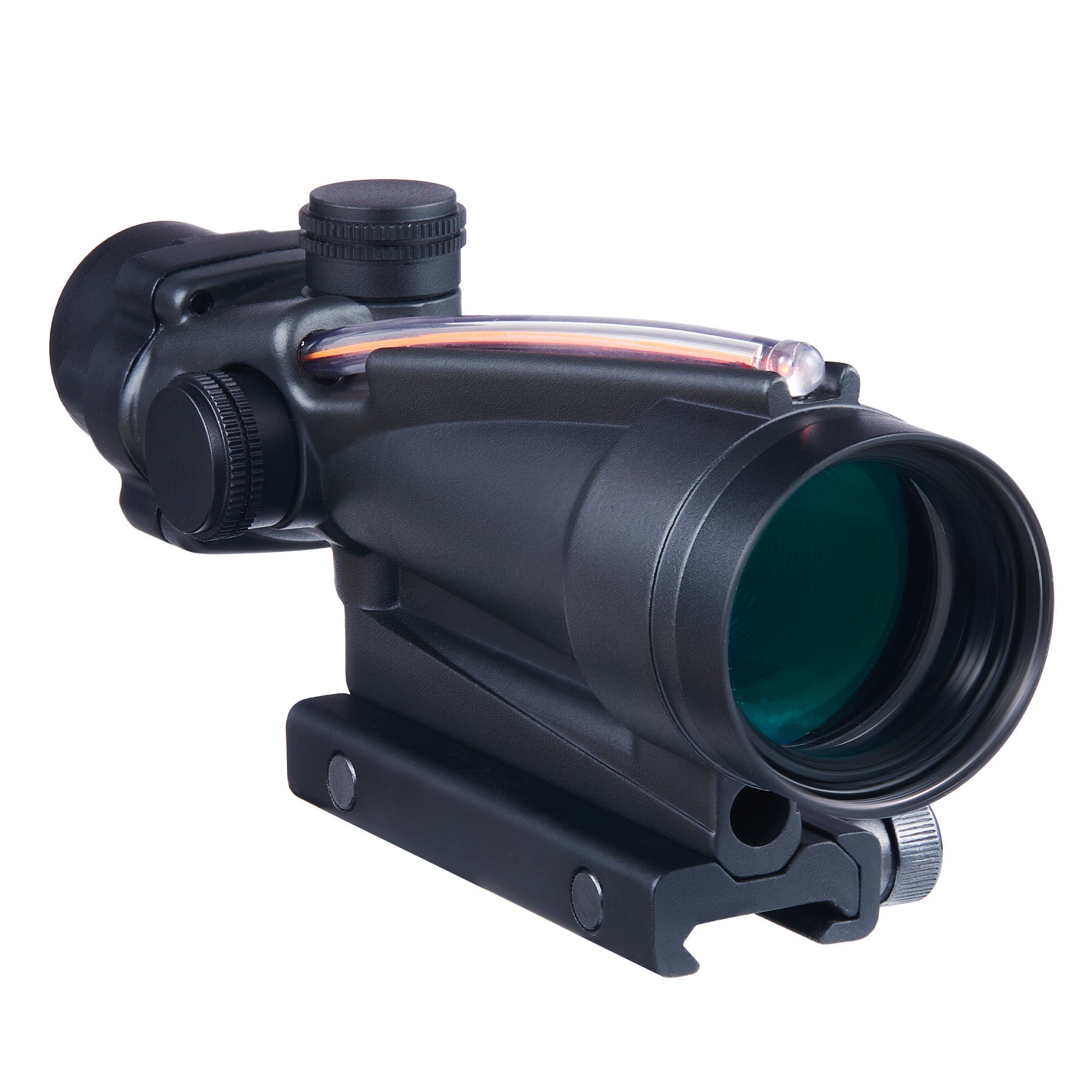
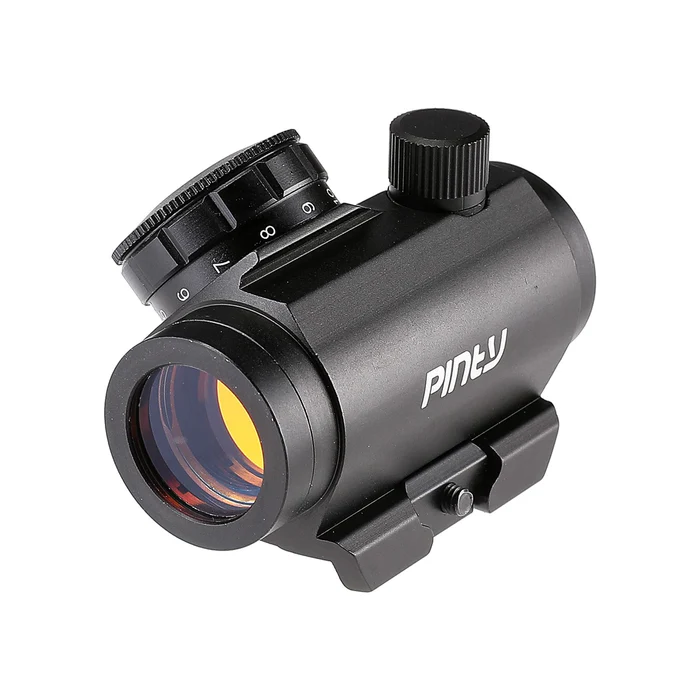
Yes. Many modern PCP pistols feature standard 11mm dovetail or 21mm Picatinny optics rails. While red dot sights are most popular for short-range quick target acquisition, compact pistol scopes or low-magnification rifle scopes can also be installed for supported bench shooting.
Is a bullpup PCP rifle harder to shoot than a traditional rifle?
No. In fact, many shooters find bullpup rifles easier to handle offhand. Because the heavy mechanical components (the action and air reservoir) are shifted back toward the shooter's body, the lever arm is reduced, leading to less arm strain during extended shooting sessions.
Are PCP pistols accurate enough for target practice?
Absolutely. Within their ideal operating distances (typically 10 to 25 yards), quality PCP pistols produce tight, consistent target groups due to their recoil-free firing cycle and regulated air output.
How many shots can you get from a single air fill?
Shot count varies widely depending on reservoir volume, regulated pressure settings, and caliber. Compact PCP pistols generally offer 20 to 40 consistent shots per fill due to smaller cylinder dimensions, while larger bullpup rifles can deliver 40 to 80+ regulated shots per fill before requiring a top-off.
Ready to Upgrade Your Shooting Rig?
Explore our full lineup of high-precision PCP platforms, optics, and pneumatic shooting accessories.




Share:
Regulated vs. Unregulated Airguns: Why Consistency Matters
Pinty Buster PCP Air Pistol: What Makes This Compact PCP Stand Out?