

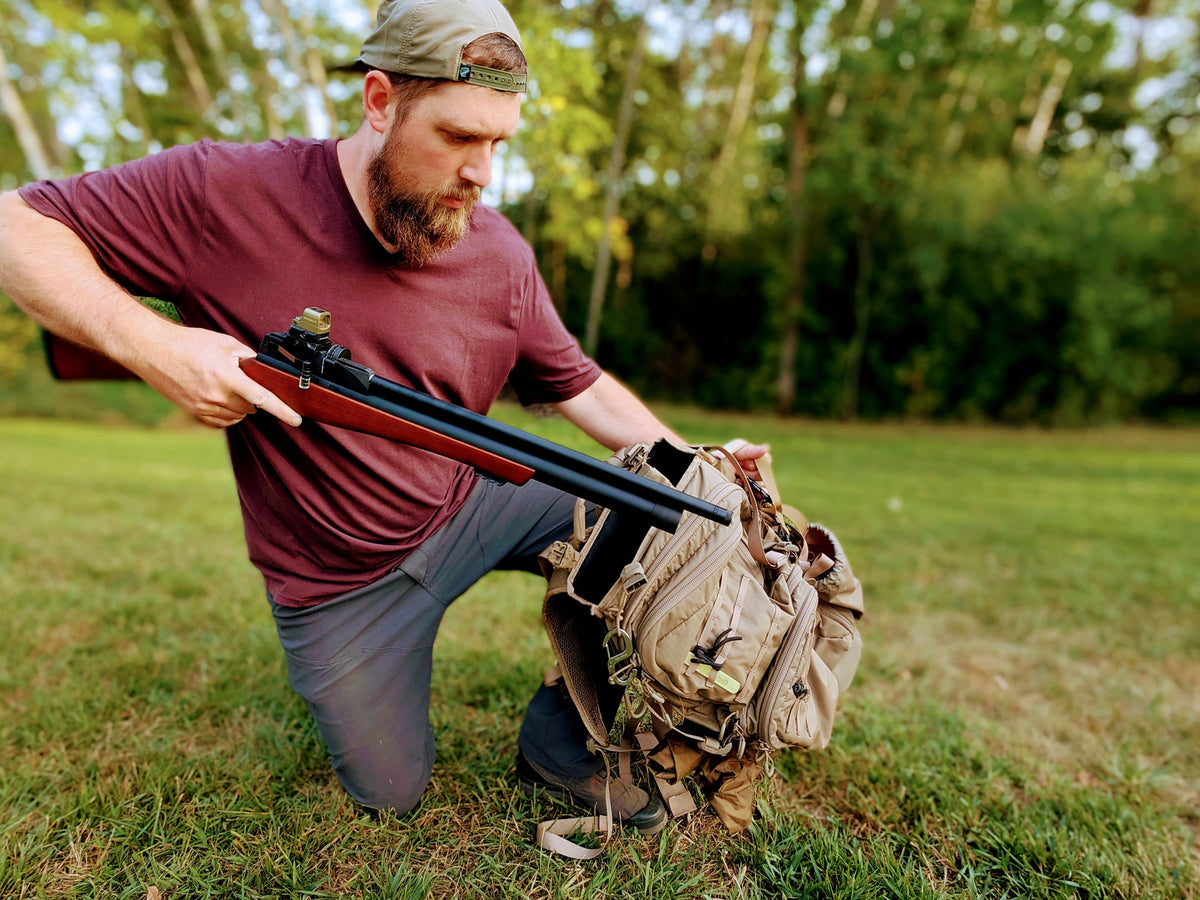
PCP Airguns for Target Shooting: How to Choose the Right Setup
Ditch the spec chasing—here is how to dial in real-world consistency, trigger control, and the ideal platform for your range.
Getting into PCP (Pre-Charged Pneumatic) airguns for target shooting is one of the most satisfying ways to trigger-time. But once you start shopping, it is easy to get drowned in spec sheets.
Max FPS, cylinder volumes, regulator pressure, barrel lengths, optics mounts—every spec changes how the gun actually feels in your hands. More importantly, chasing the highest velocity numbers on paper often works against punching tight, single-hole groups on target. If you are aiming for paper bullseyes, steel spinners, or casual backyard plinking, raw horsepower takes a backseat to balance, smooth mechanics, and repeatable accuracy.

1. What Makes a PCP Airgun Punch Tight Groups?
The beauty of PCP airguns lies in their complete lack of spring recoil. Unlike springers—which demand a strict "artillery hold" just to land a grouping—a PCP releases compressed air with virtually no movement, letting you focus purely on marksmanship.
When building a target-focused setup, ignore the marketing hype around max speed and look closely at these five essentials:
The Target Shooter's Checklist:
- Shot-to-Shot Consistency: A tight velocity spread (low Extreme Spread) means your pellets hit the same spot every time.
- Clean Trigger Break: A predictable, light trigger stop prevents you from pulling shots off target.
- Platform Ergonomics: The right weight distribution whether you shoot offhand, off a bench, or prone.
- Distance-Matched Caliber: Choosing pellet weight based on realistic range and wind conditions.
- Backyard-Friendly Sound Signature: Quiet enough to shoot without disturbing the neighborhood.
2. Match the Setup to Your Shooting Range
Before pulling the trigger on a purchase, map out where most of your target sessions will actually happen:
Short Range (10 to 25 Yards)
Backyard Plinking & Basement Ranges
You don't need massive air tanks or magnum power here. A lightweight compact PCP air pistol or tactical carbine offers quick handling, quick hand-pump fills, and easy bench storage.
Medium to Long Range (30 to 75+ Yards)
Benchrest Precision & Open Fields
At extended distances, crosswinds quickly punish lightweight setup mistakes. Look into long-barreled precision PCP air rifles equipped with regulated air valves, solid shoulder stocks, and high-magnification glass.
3. .177 vs. .22 Caliber: What Precision Shooters Need to Know
Caliber dictates pellet weight, trajectory flatness, and wind drift downrange:
.177 Caliber (4.5mm) — The Traditional Match Standard:
Lighter pellets fly faster on a flatter trajectory out to 25–30 yards, minimizing holdover adjustments. Pellets are budget-friendly, making it the top pick for high-volume paper punching.
.22 Caliber (5.5mm) — Long-Range Stability & Versatility:
Heavier pellets carry more momentum downrange and buck crosswinds significantly better past 30 yards. It is the go-to caliber if your airgun doubles for range targets and small game pest control.
4. Why Regulated Consistency Beats Raw FPS Every Time
Consider how two different PCP guns perform across a 25-shot target card:
An integrated pressure regulator acts as a gatekeeper, metering out the exact same volume of air regardless of overall cylinder pressure. For target work, regulator consistency is mandatory.

5. Air Cylinder Capacity vs. Portability Tradeoffs
Air reservoir volume controls how many regulated shots you get between fills:
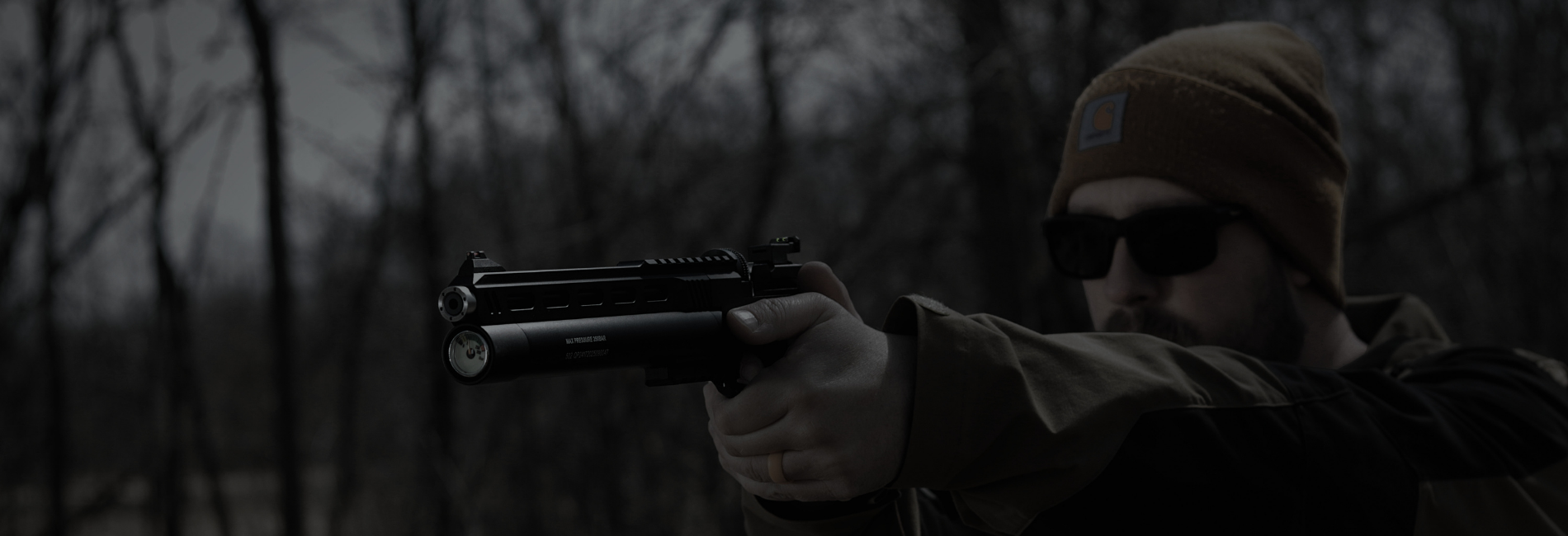
- Compact Cylinders (100 cc – 200 cc): Found on PCP pistols and ultra-light carbines (like the Pinty Buster PCP Pistol). Keeps total gun weight around 2.8 to 4 lbs. Perfect for 20–30 shot quick target sessions without feeling fatigued.
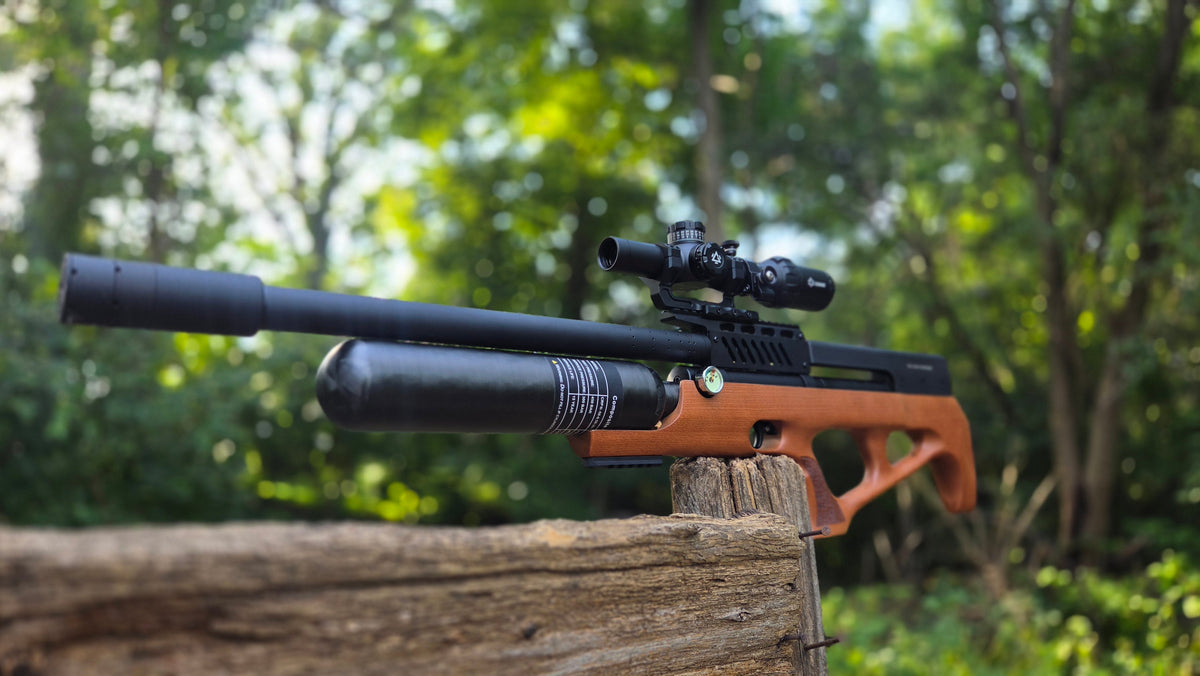
- Large Air Bottles (310 cc – 630 cc): Featured on full-size bench rifles (like the Pinty Falcon & Nightfall PCP Rifles). Yields 50 to 160+ regulated shots per fill—ideal for all-day range sessions where you want to minimize pumping.
6. Triggers and Muzzle Threads: Don't Ignore the Small Stuff
Adjustable Two-Stage Triggers:
A heavy or gritty trigger pull will ruin your group size no matter how good the barrel is. Look for a two-stage trigger that lets you lighten pull weight down to 2–3 lbs and crisp up the second-stage wall.
Backyard Quietness (1/2x20 Threads):
If you shoot in a suburban backyard, decibels matter. Ensure your platform features a standard 1/2x20 UNF threaded muzzle so you can attach a dedicated airgun moderator to keep backyard noise near silent.
7. Matching Optics to Airgun Distances
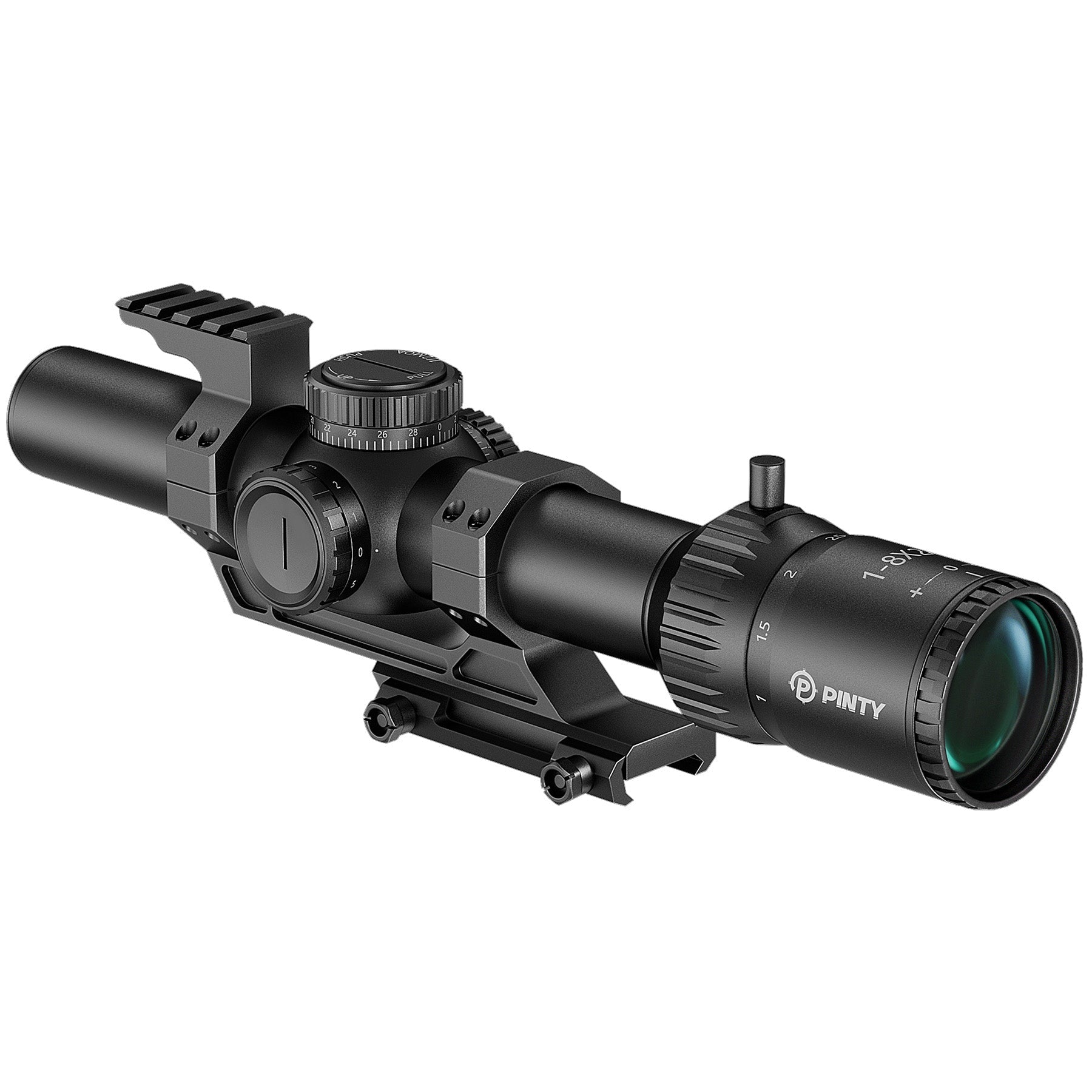
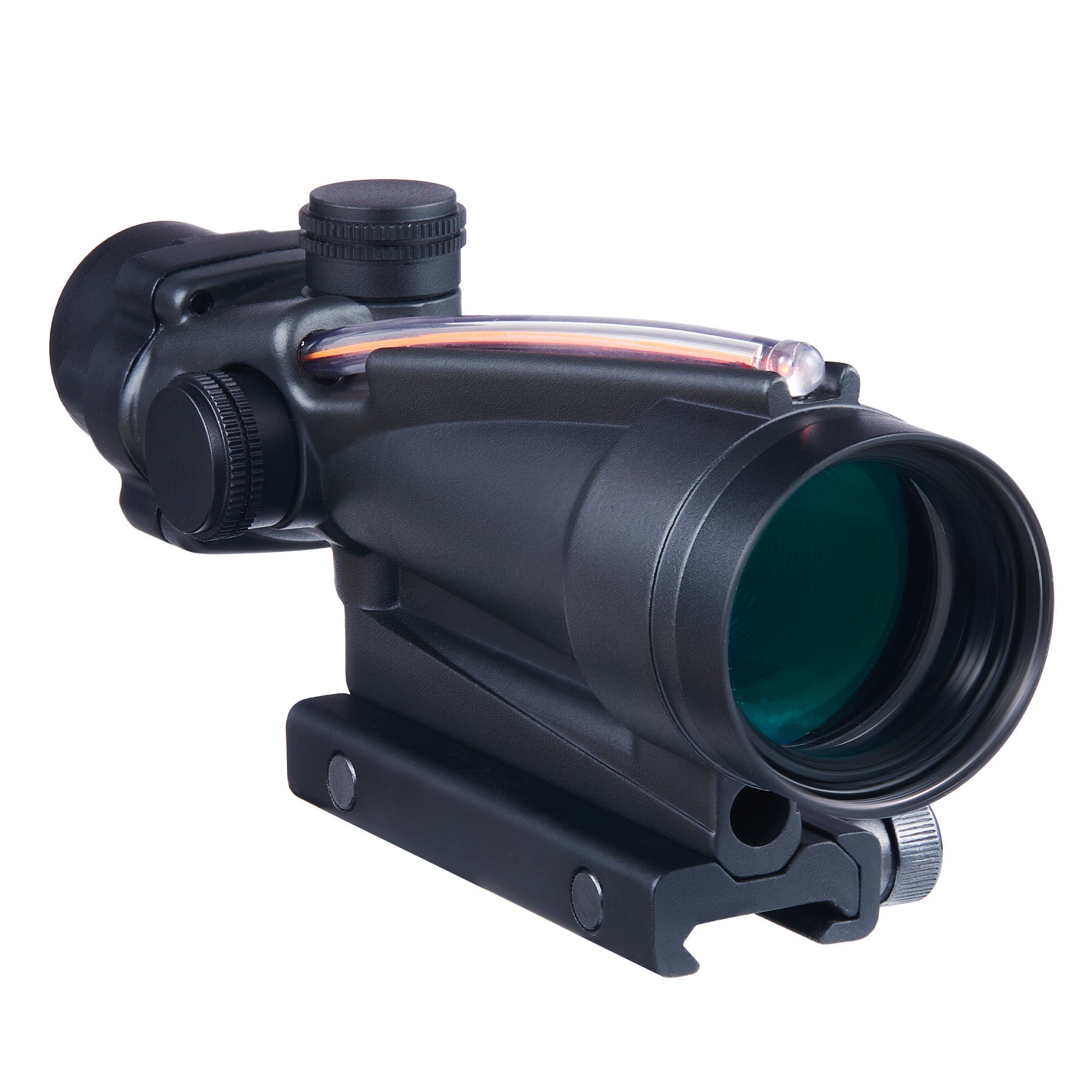
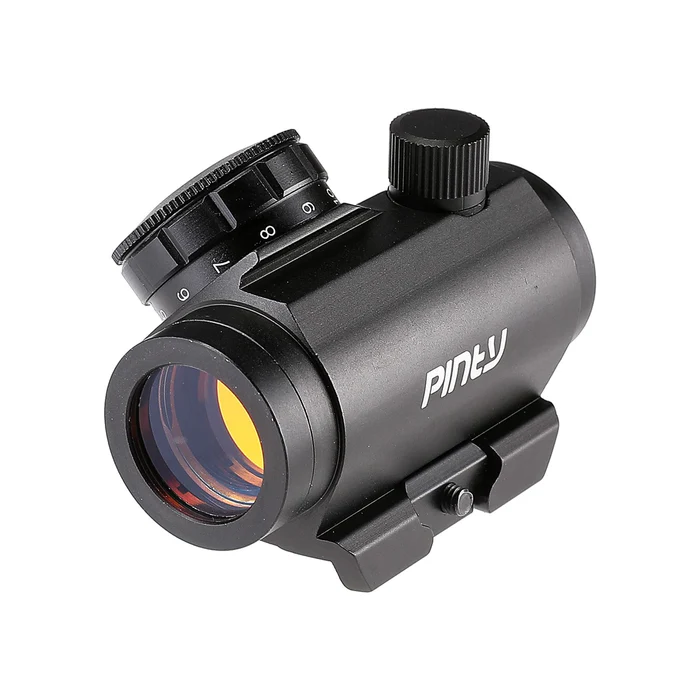
Standard firearm scopes often fail at airgun ranges because their parallax is fixed at 100 yards. Pairing your rifle with dedicated precision Pinty rifle scopes ensures your optical setup fits your exact shooting range:
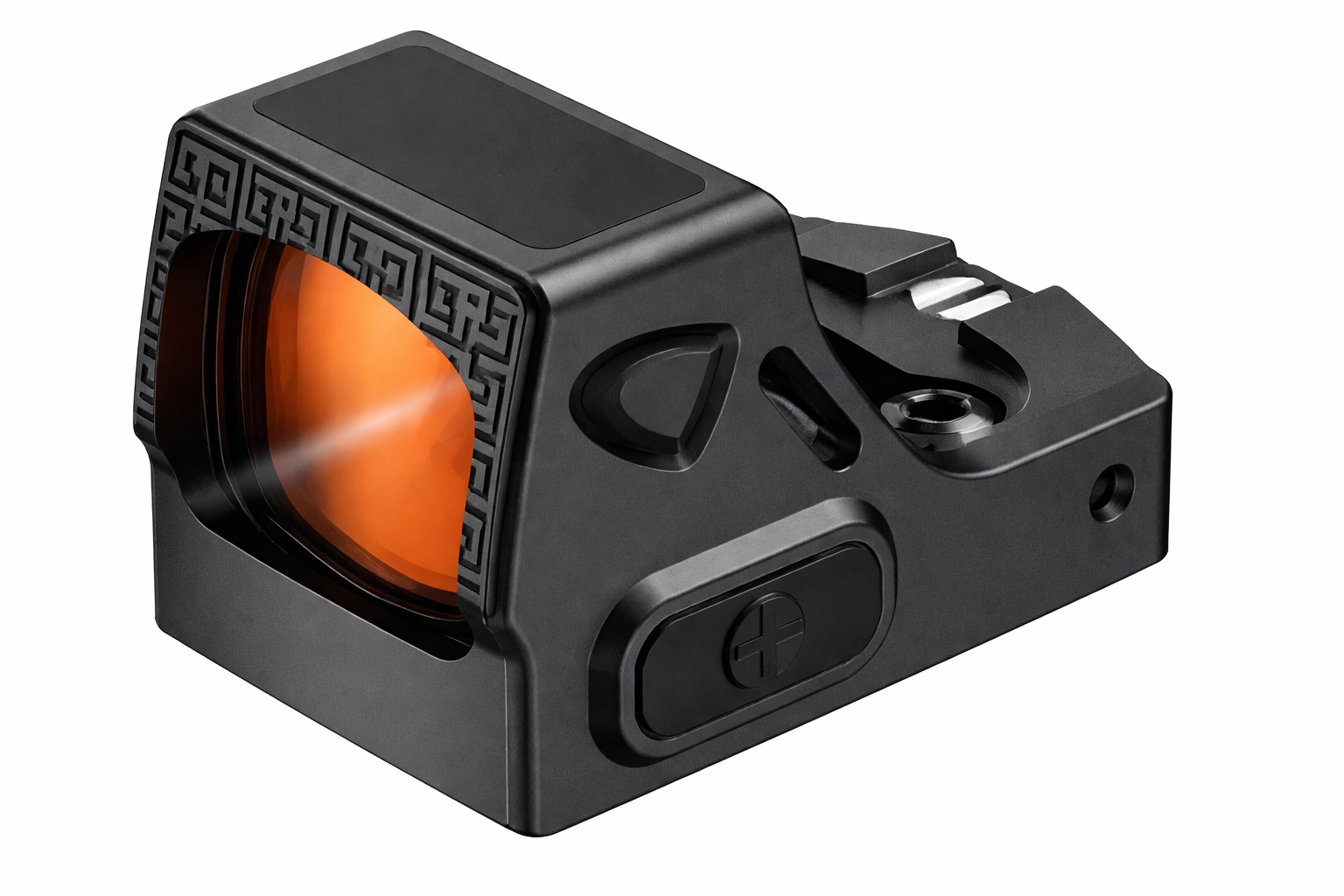
- Red Dots / Open Sights: Ideal for rapid target acquisition and casual plinking within 15 yards.
- 3-9x or 4-12x AO Scopes: Essential for precision paper targeting at 25–50 yards. Look for an Adjustable Objective (AO) or side focus knob that dials parallax down to 10 yards.

8. Pinty PCP Lineup: Finding Your Target Setup
Here is how Pinty’s PCP platforms map across target shooting priorities:
| Pinty Model | Platform | Air Capacity | Regulated Shots | Best Target Role |
|---|---|---|---|---|
| Pinty Buster Tactical | Compact PCP Pistol | 100 cc | ~25 shots | Backyard short-range plinking, ultra-light (2.8 lbs) |
| Pinty Vanguard | Lightweight Rifle | 200 cc | ~30–40 shots | Entry-level paper target practice (20–35 yds) |
| Pinty Striker / Falcon | Compact Bullpup | 310 cc | ~50+ shots | Balanced maneuverability, high shot count, benchrest accuracy |
| Pinty Nightfall / Falcon X | High-Capacity Rifle | 630 cc bottle | ~160+ shots | Serious long-range target shooting & extended bench sessions |
Summary Checklist: Build Your Ideal Target Rig
Final Thoughts
Setting up a PCP airgun for target shooting doesn't require breaking the bank or chasing extreme FPS stats. By focusing on regulated velocity, trigger crispness, and matching the platform size to your range, you will land tighter groupings and enjoy every trigger pull.
Ready to Upgrade Your Precision Setup?
Whether you need a compact backyard target pistol or a full-capacity benchrest rifle, explore Pinty’s complete lineup of precision platforms and optics.




Share:
Pinty Buster PCP Air Pistol: What Makes This Compact PCP Stand Out?
Best PCP Airgun Optics: How to Match Your Scope & Rifle