

Do You Need a Scope or a Red Dot Sight for Your PCP Airgun?
Not every PCP airgun demands a traditional magnified rifle scope. The optimal glass depends on your target size, engagement distance, and intended shooting style:
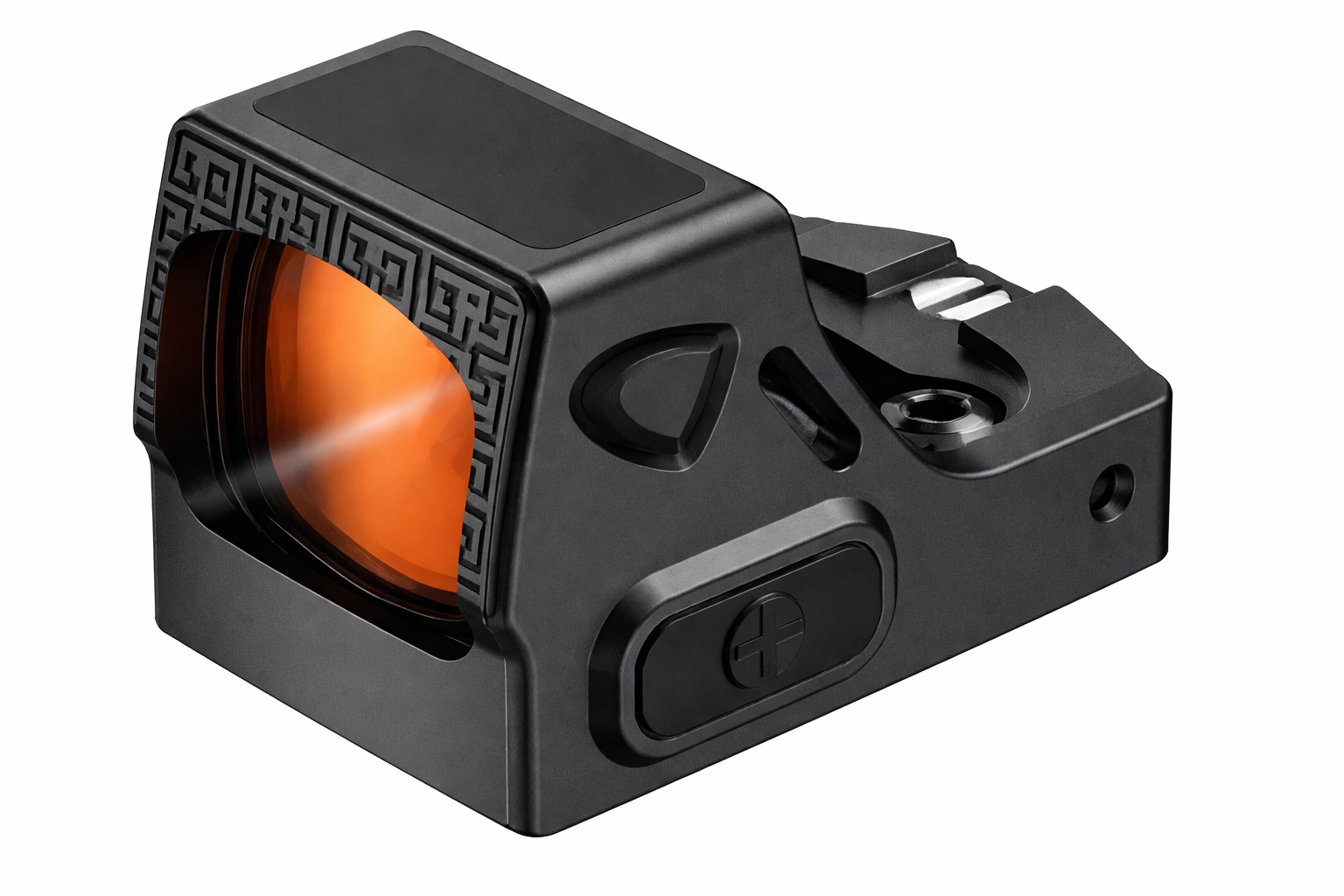
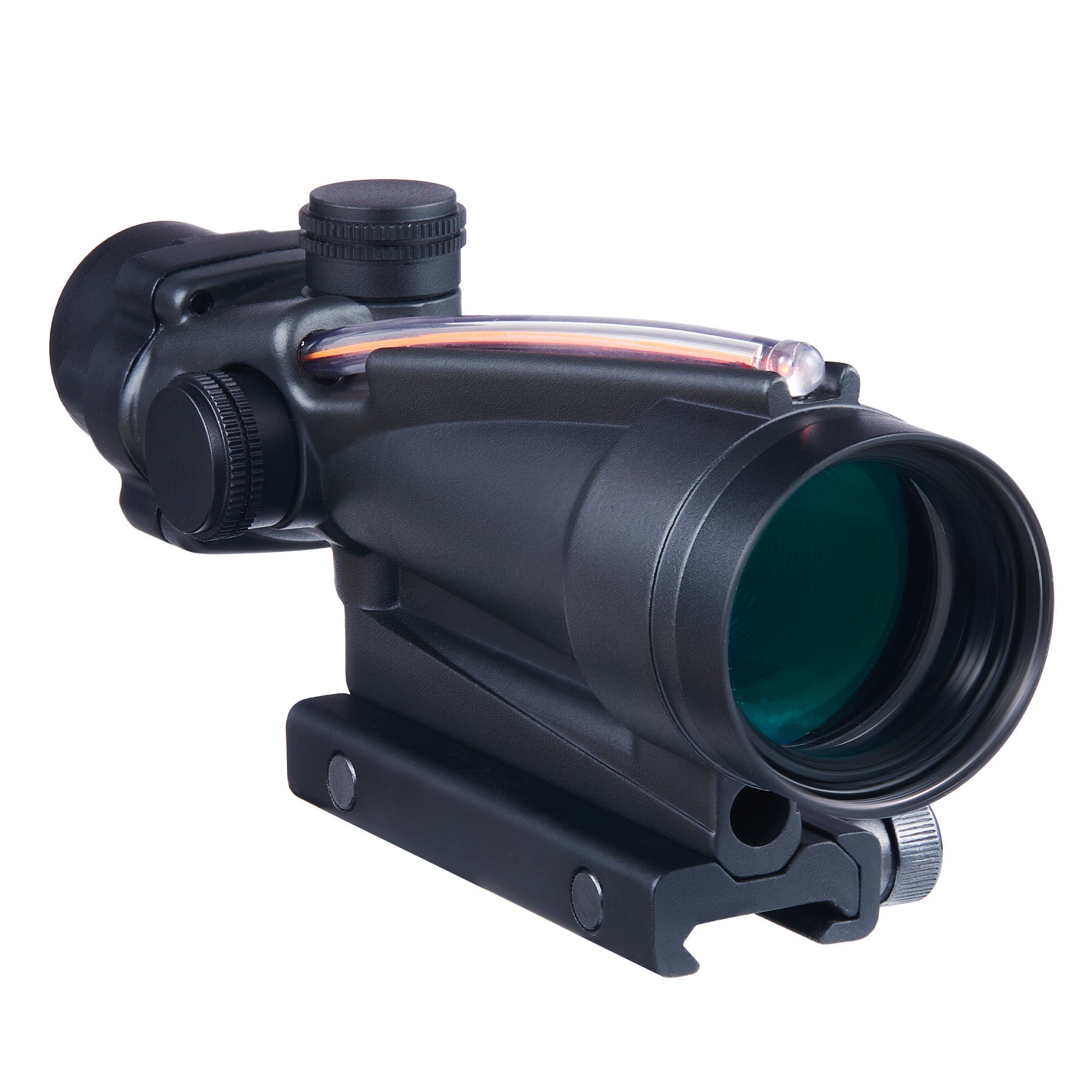
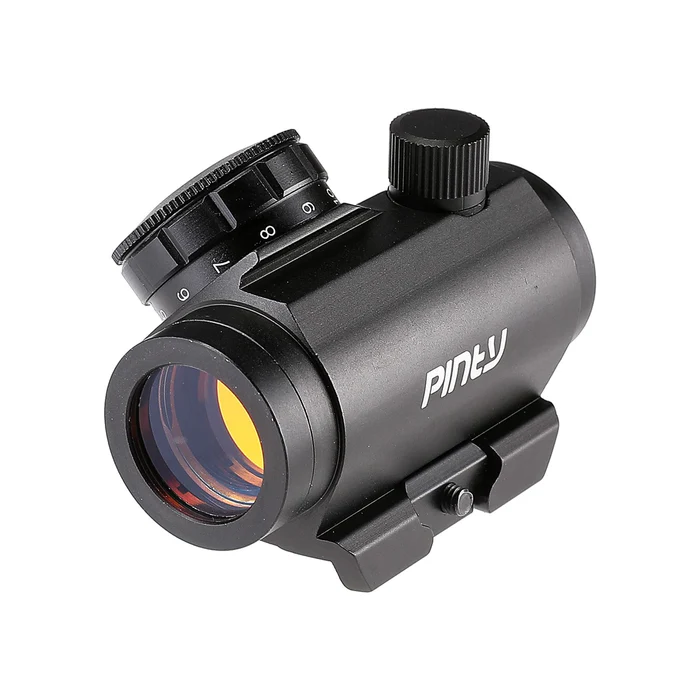
- Red Dot Sights / Non-Magnified Optics: The top choice for fast target acquisition, backyard plinking, and rapid follow-up shots within 30 yards.
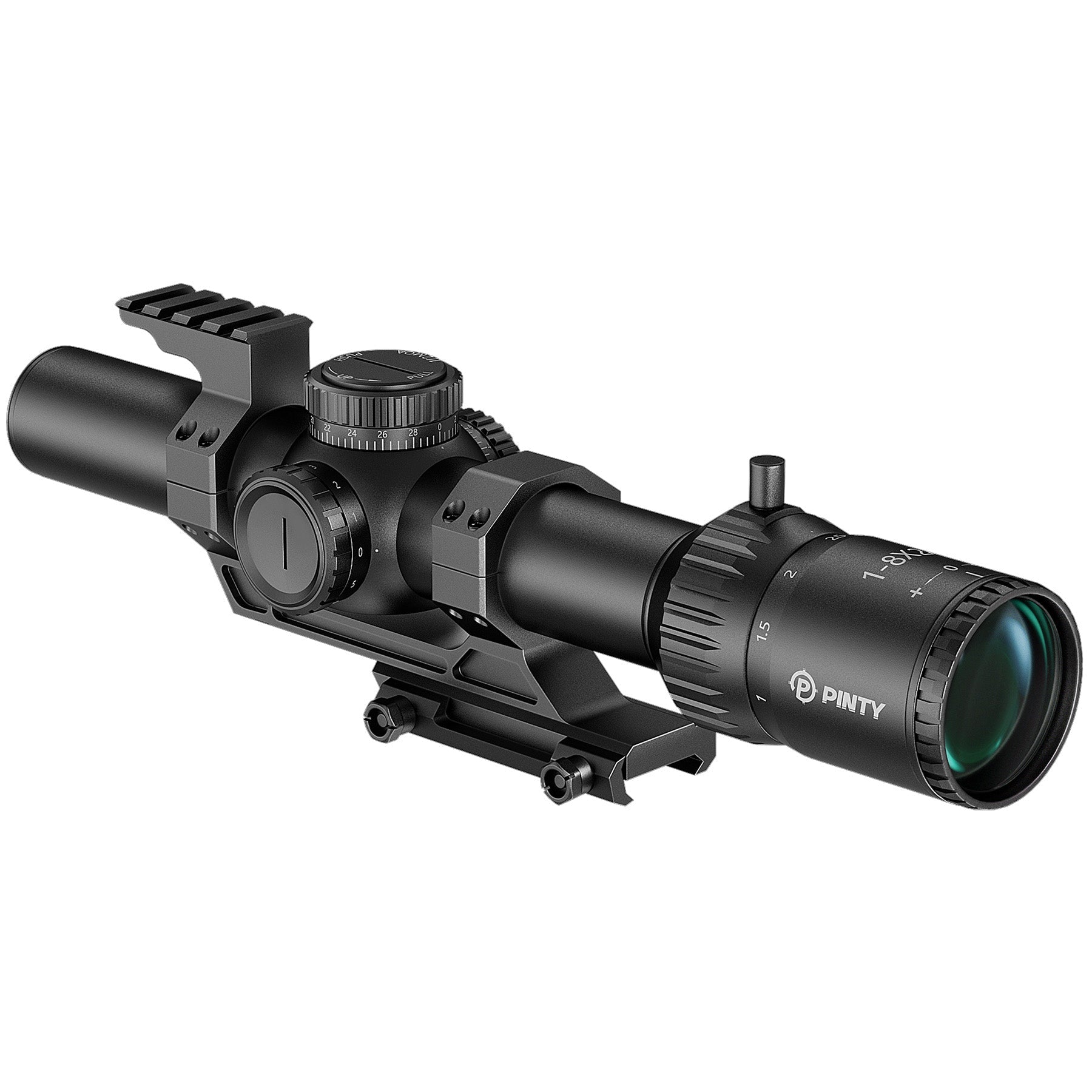
- Low-Power Variable Optics (LPVO) & Compact Scopes: Ideal for short-to-medium range target practice while maintaining a lightweight footprint on a bullpup setup.
- Variable-Power Scopes (e.g., 3-9x40, 4-12x44): The most versatile choice for precision target shooting, giving you the zoom necessary to group shots neatly at extended ranges.
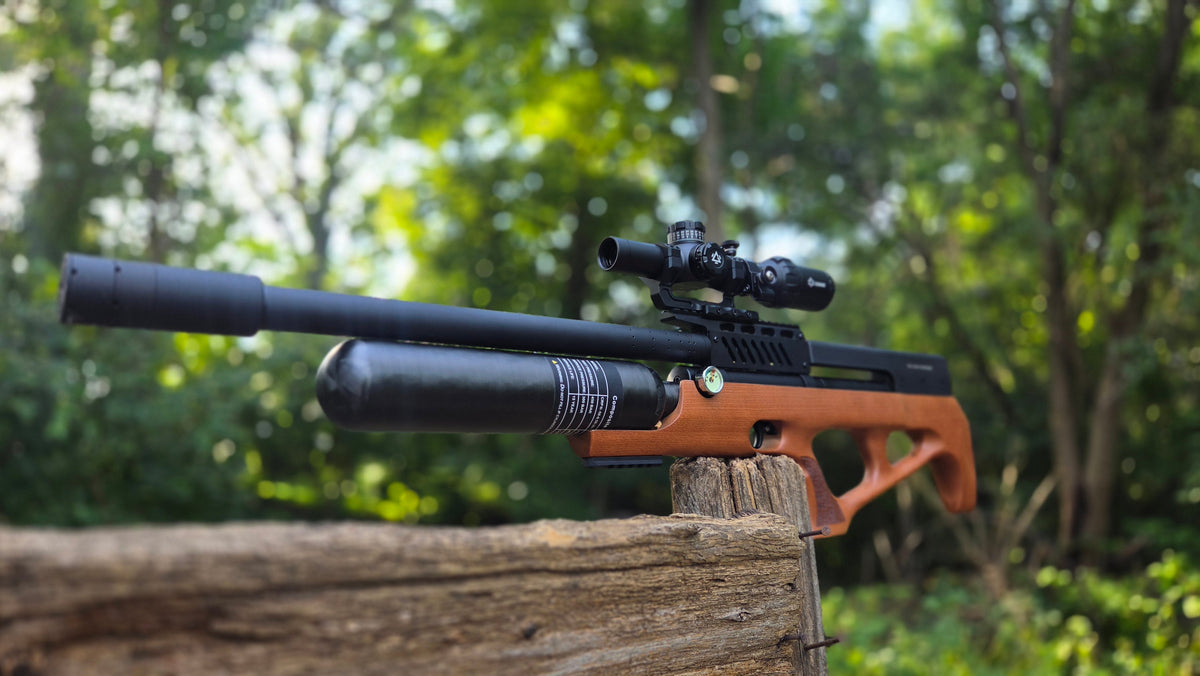
Always match the optic to the airgun's footprint. A lightweight bullpup stays balanced with a compact sight, while a long-range setup accommodates feature-rich, high-power optics.

What Scope Magnification Is Best for PCP Airguns?
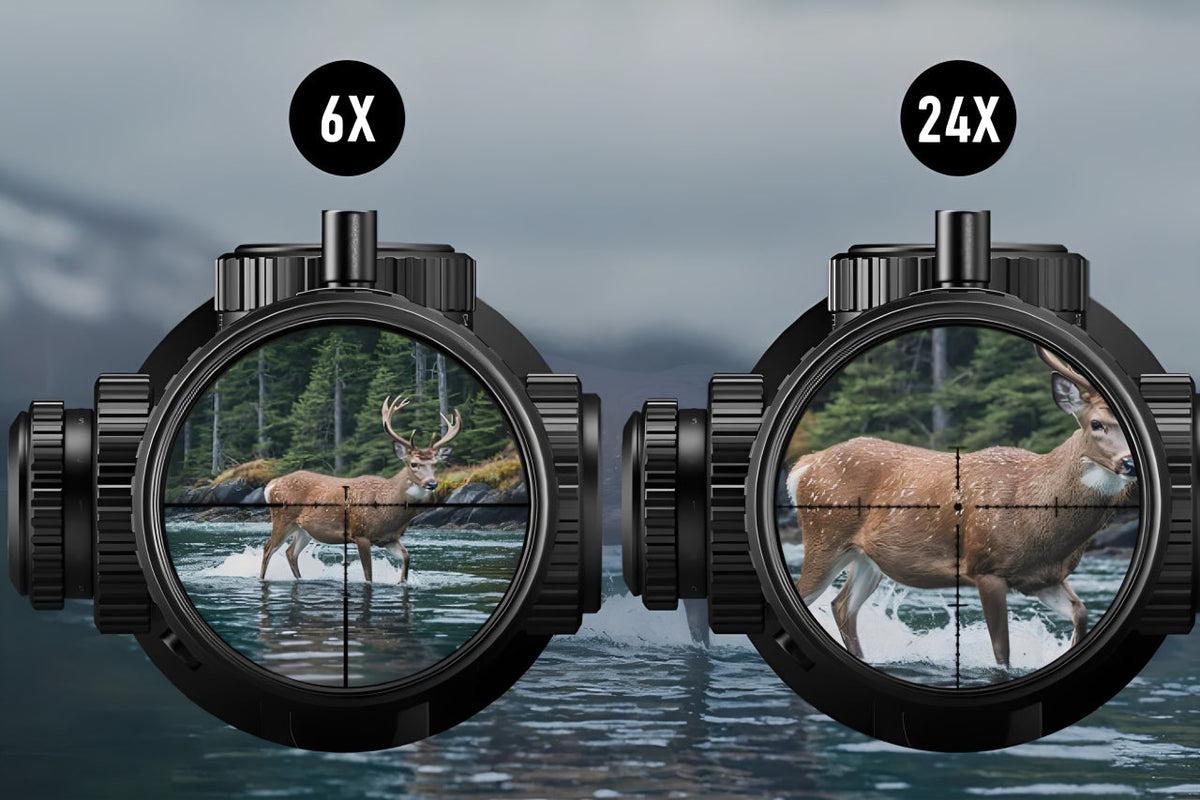
More magnification doesn't automatically mean better shooting. As zoom increases, your field of view shrinks, target tracking slows, and minor hand tremors are greatly amplified. Heavy high-power scopes can also throw off your airgun's natural balance.
Keep these general guidelines in mind:
- Low Magnification (1x - 4x): Delivers a wide field of view for quick, close-range target transition.
- Medium Magnification (3x - 9x): The sweet spot for general target shooting and recreational plinking.
- High Magnification (10x - 24x+): Best for static benchrest shooting where analyzing tiny bullseyes at 50+ yards is required.
A quality variable-power scope offers the best of both worlds: dial down to scan the target area quickly, then zoom in to lock down your aim.
FFP vs SFP: Which Scope Focal Plane Should You Choose?
When shopping for a PCP scope, you'll run into First Focal Plane (FFP) and Second Focal Plane (SFP) options. Here is how they stack up:
| Feature | First Focal Plane (FFP) | Second Focal Plane (SFP) |
|---|---|---|
| Reticle Behavior | Reticle grows/shrinks with zoom | Reticle size stays visually constant |
| Holdover Accuracy | Subtensions remain accurate at ALL zoom levels | Subtensions are accurate at ONE specific zoom (usually max) |
| Best Application | Precision long-range shooting & frequent power changes | Recreational plinking, close-to-mid range target shooting |
| Cost & Complexity | Higher cost, premium optics | Highly affordable, ultra-clean sight picture |
An FFP scope shines if you constantly change zoom levels while relying on holdover marks. An SFP scope delivers an uncluttered, easy-to-read sight picture at a lower price point, making it a favorite for everyday shooters.

Airgun Reticle Guide & Parallax Adjustment
Choosing the Right Reticle
- Duplex Reticle: Clean, uncluttered, and fast. Perfect for simple, straightforward target shooting.
- Mil-Dot Reticle: Adds precise holdover and windage dots, making it easier to adjust for pellet drop without twisting your turrets.
- BDC & Grid Reticles: Feature detailed elevation and windage grids below the center dot for long-range airgun ballistics.
Why Parallax Adjustment (AO) Is Essential
Because PCP airguns frequently shoot at varying short-to-medium distances (15 to 75 yards), parallax error can distort your reticle's focus relative to the target.
An adjustable objective scope (AO) or side-focus turret lets you tune out parallax blur, ensuring pinpoint accuracy at any yardage.
Scope Mounting Compatibility: Don't Overlook the Rail
Even high-end glass will underperform if mounted improperly. Before buying scope mounts, always inspect your airgun's rail configuration.
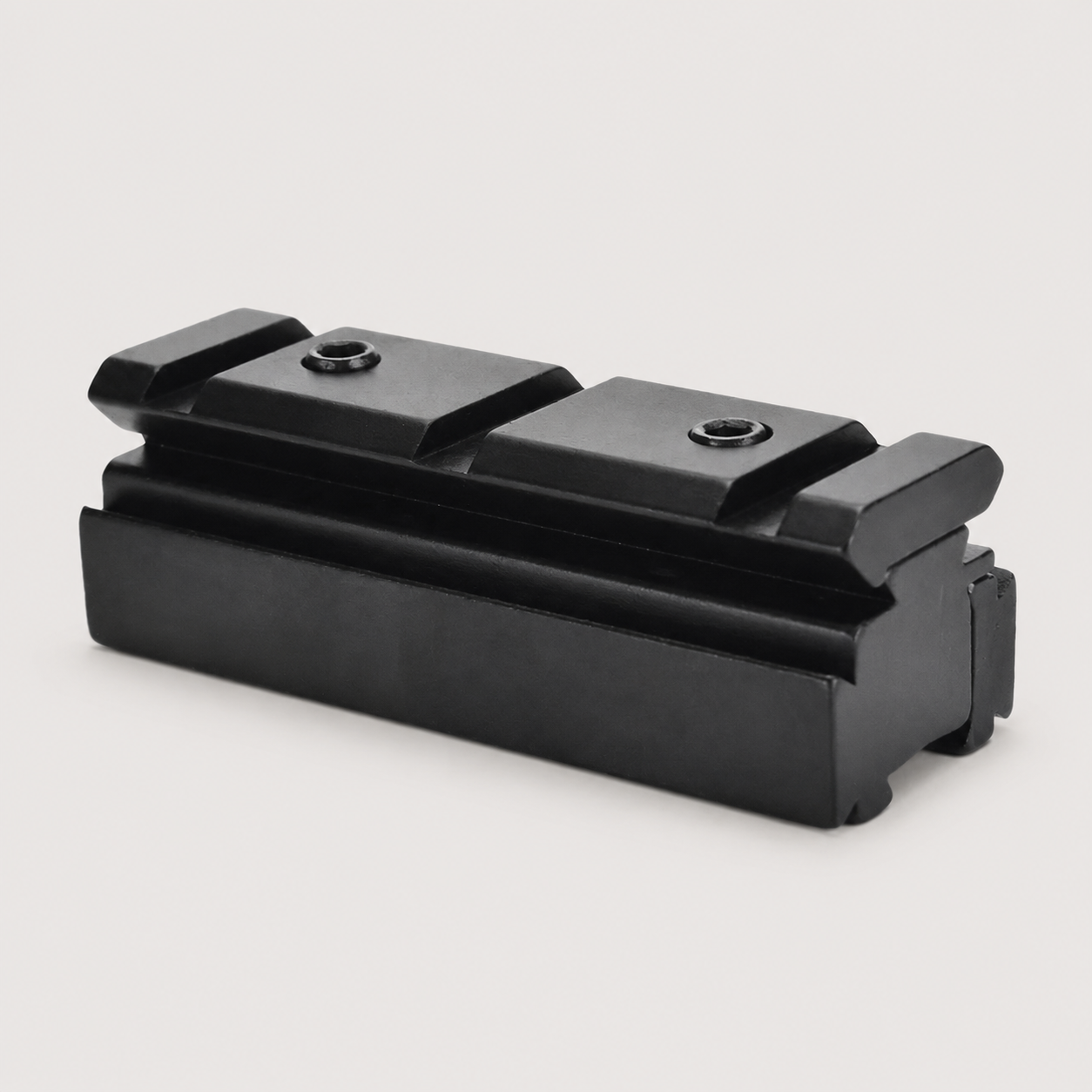
- Rail Compatibility: Verify whether your airgun uses a standard 21mm Picatinny/Weaver rail or an 11mm dovetail rail.
- Tube Diameter: Match your scope rings to the scope tube (most budget optics use 1-inch / 25.4mm or 30mm tubes).
- Mount Height: Ensure adequate ring height so the objective bell clears the barrel and air cylinder.
- Eye Relief: Mount the optic to match your natural cheek weld for instant, strain-free sight pictures.

PCP Airgun Optics Pairing Reference
Match your specific platform style with its ideal optic pairing:
| Platform Style | Target Distance | Recommended Application | Suggested Optic Setup |
|---|---|---|---|
| Compact / Bullpup | 15–35 yds | Short-Range Precision / Plinking | Compact red dot or 1-4x LPVO scope |
| Lightweight Utility | 20–50 yds | All-Around Range Practice | Medium-power 3-9x40 adjustable objective scope |
| Mid-Size Precision | 30–60 yds | Target & Bench Shooting | 3-9x or 4-12x variable Mil-Dot optic |
| Full-Size Precision | 50–100+ yds | Long-Range Paper Targets | High-magnification or FFP precision glass |
Final Checklist Before Choosing Your Scope
- Does the magnification range fit your realistic shooting distances?
- Do you prefer FFP holdovers or an affordable, clear SFP reticle?
- Is the reticle pattern fast and intuitive for your eyes?
- Does the optic include an adjustable objective (AO) feature for parallax?
- Are the mounting rings fully compatible with your airgun rail system?
- Does the eye relief feel natural without forcing your neck forward?
Ready to Upgrade Your PCP Shooting Setup?
Finding the right optic comes down to balancing weight, magnification, and reticle style with your actual shooting environment. Prioritizing mechanical compatibility and optical clarity will ensure long-term accuracy on the range.




Share:
How to Choose the Best PCP Airgun for Target Shooting | Pinty Buying Guide
Best Optics for a PCP Air Pistol: How to Choose the Right Scope or Red Dot