

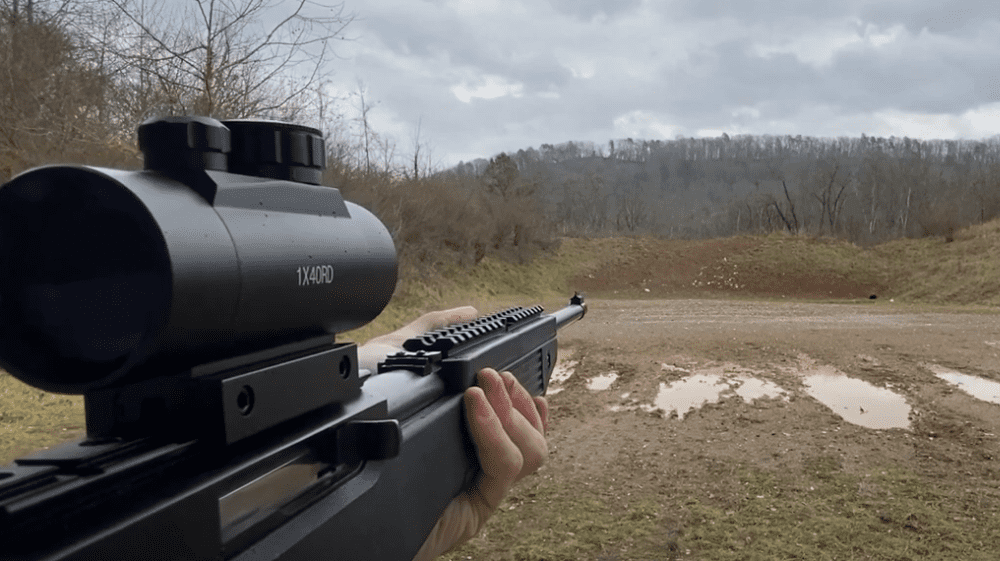
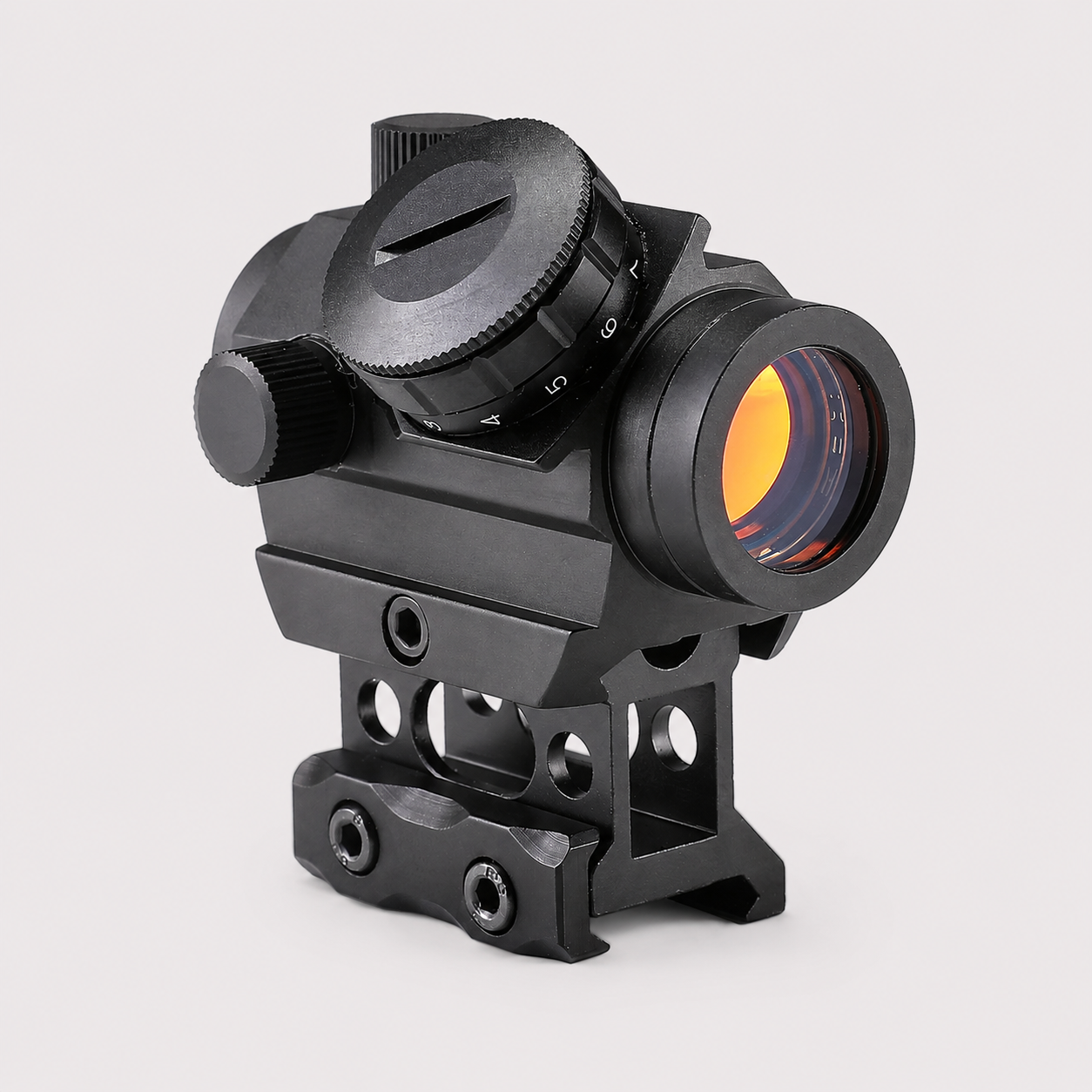
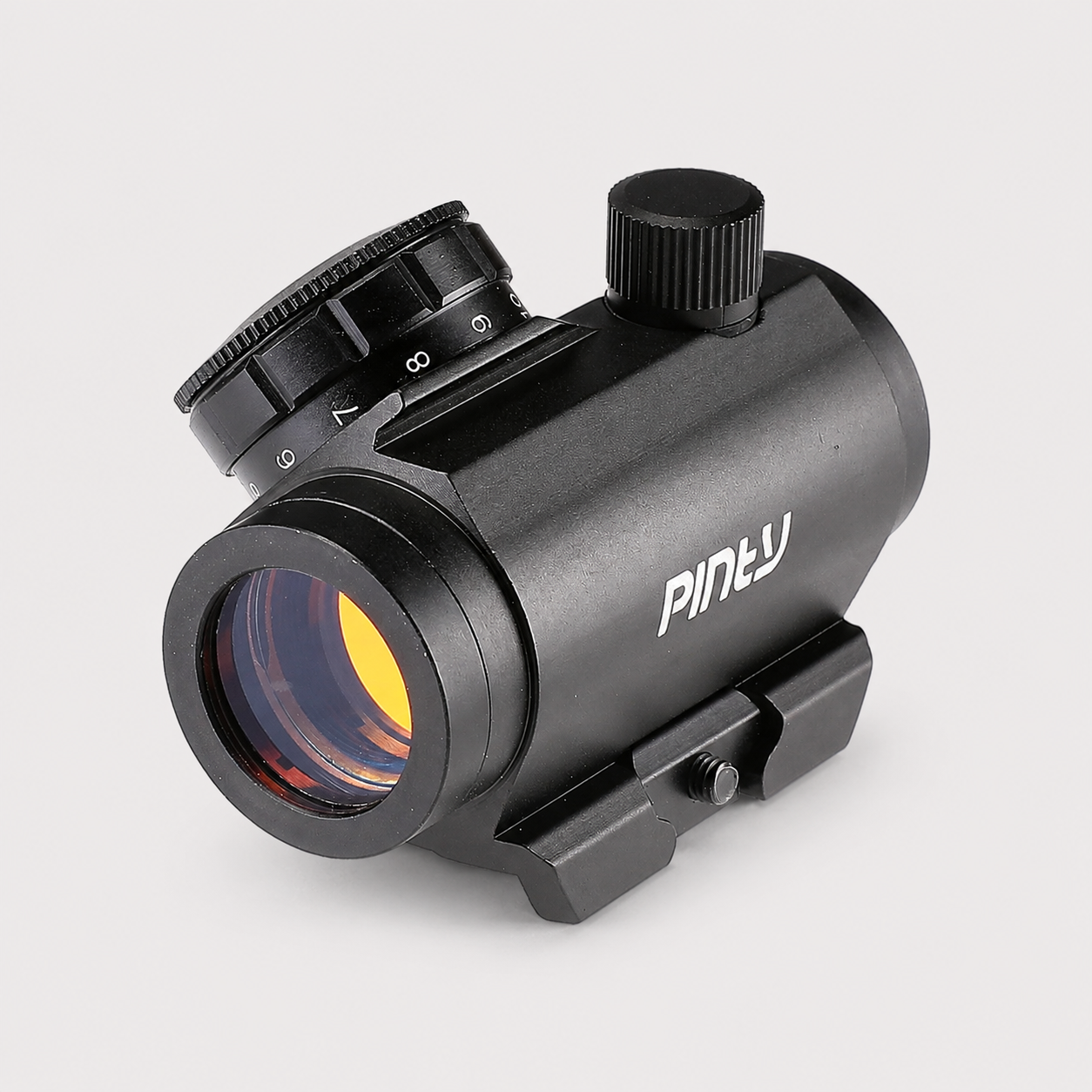
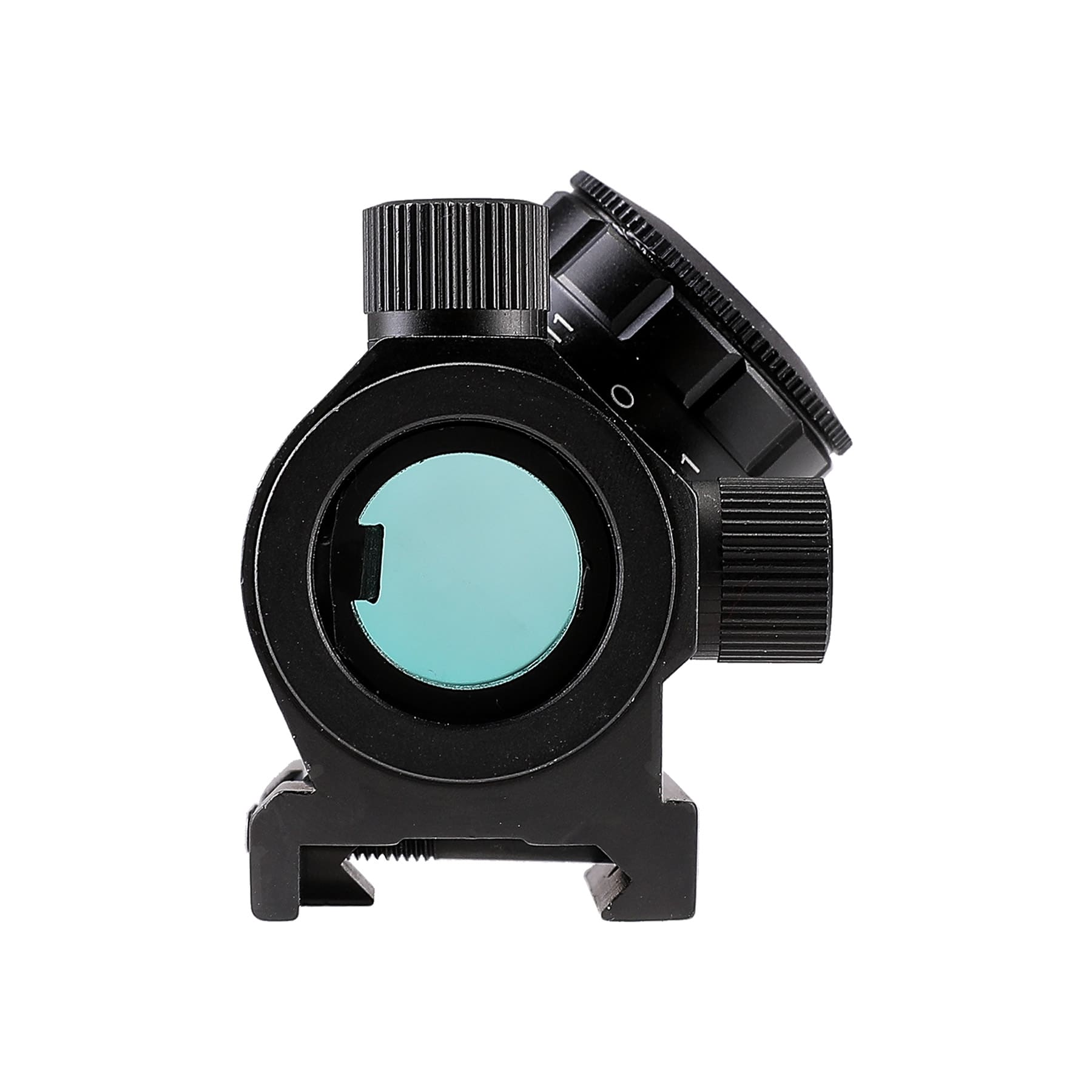
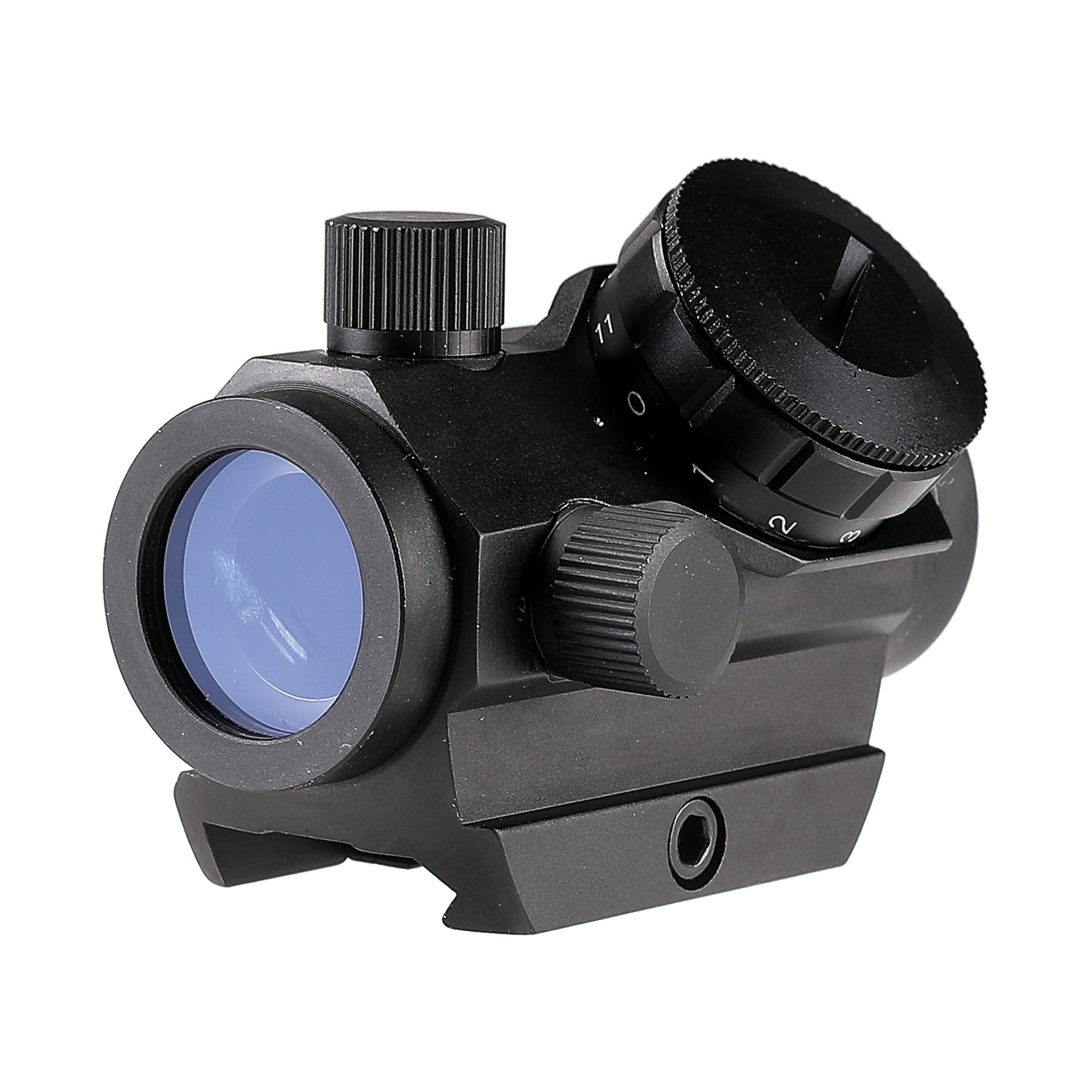
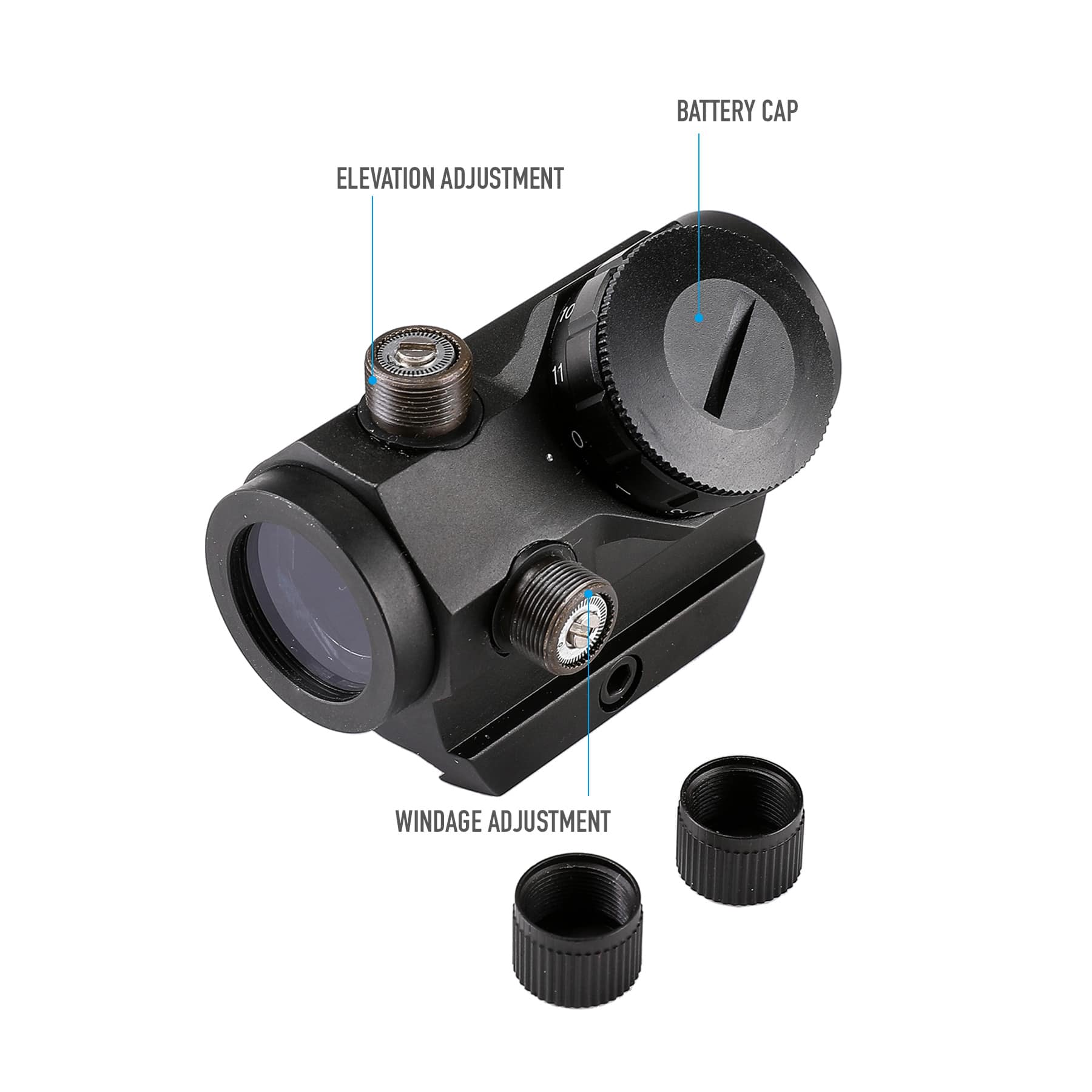
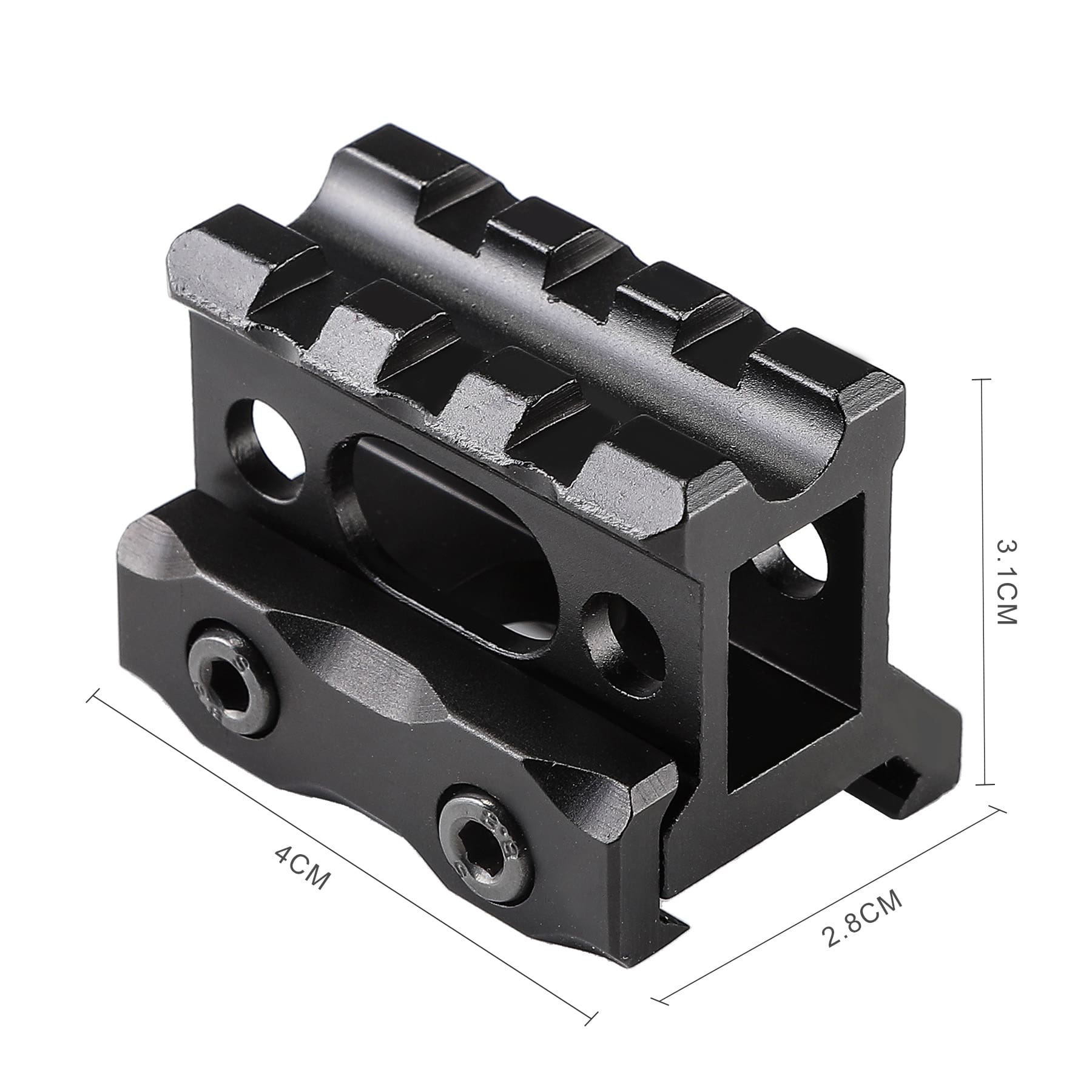
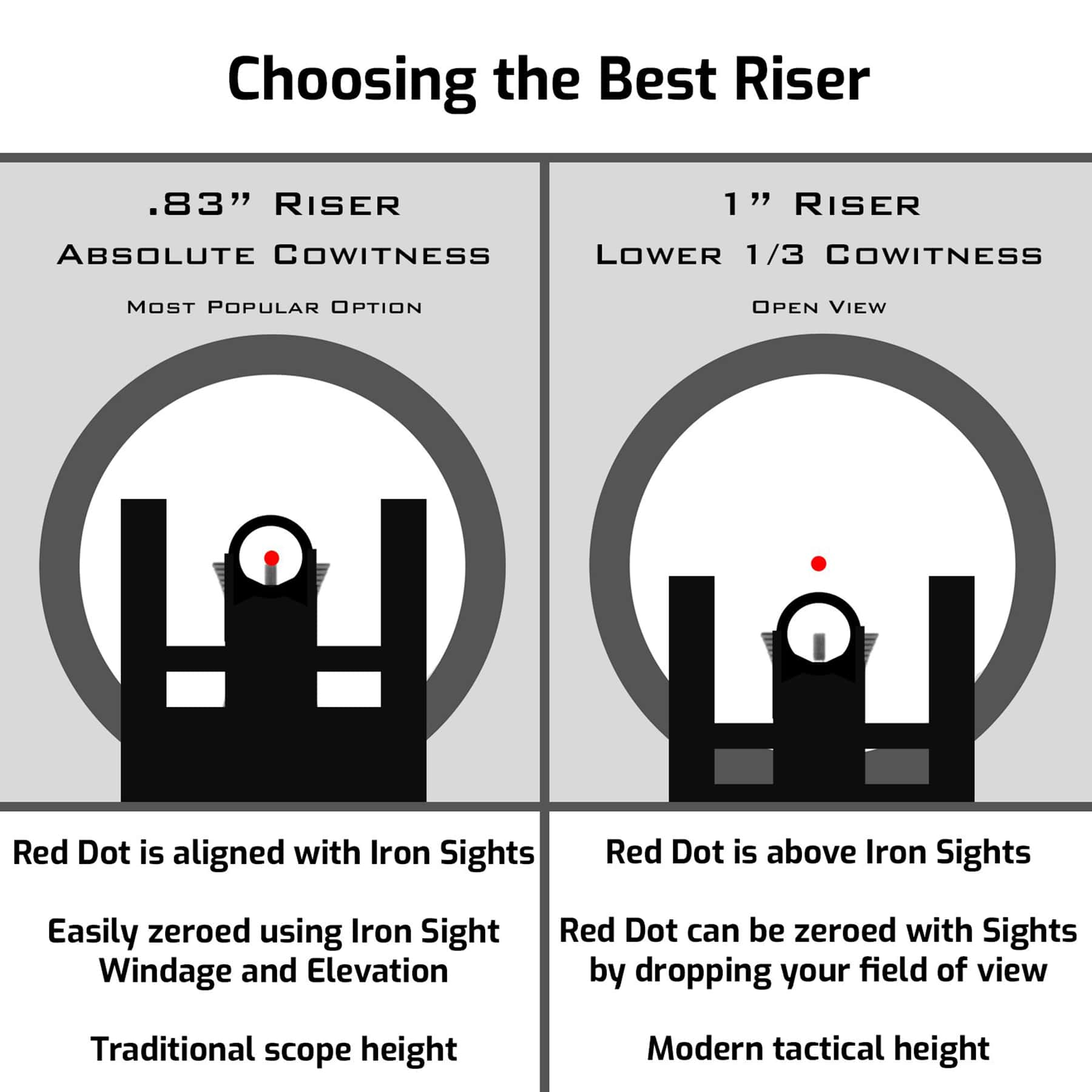
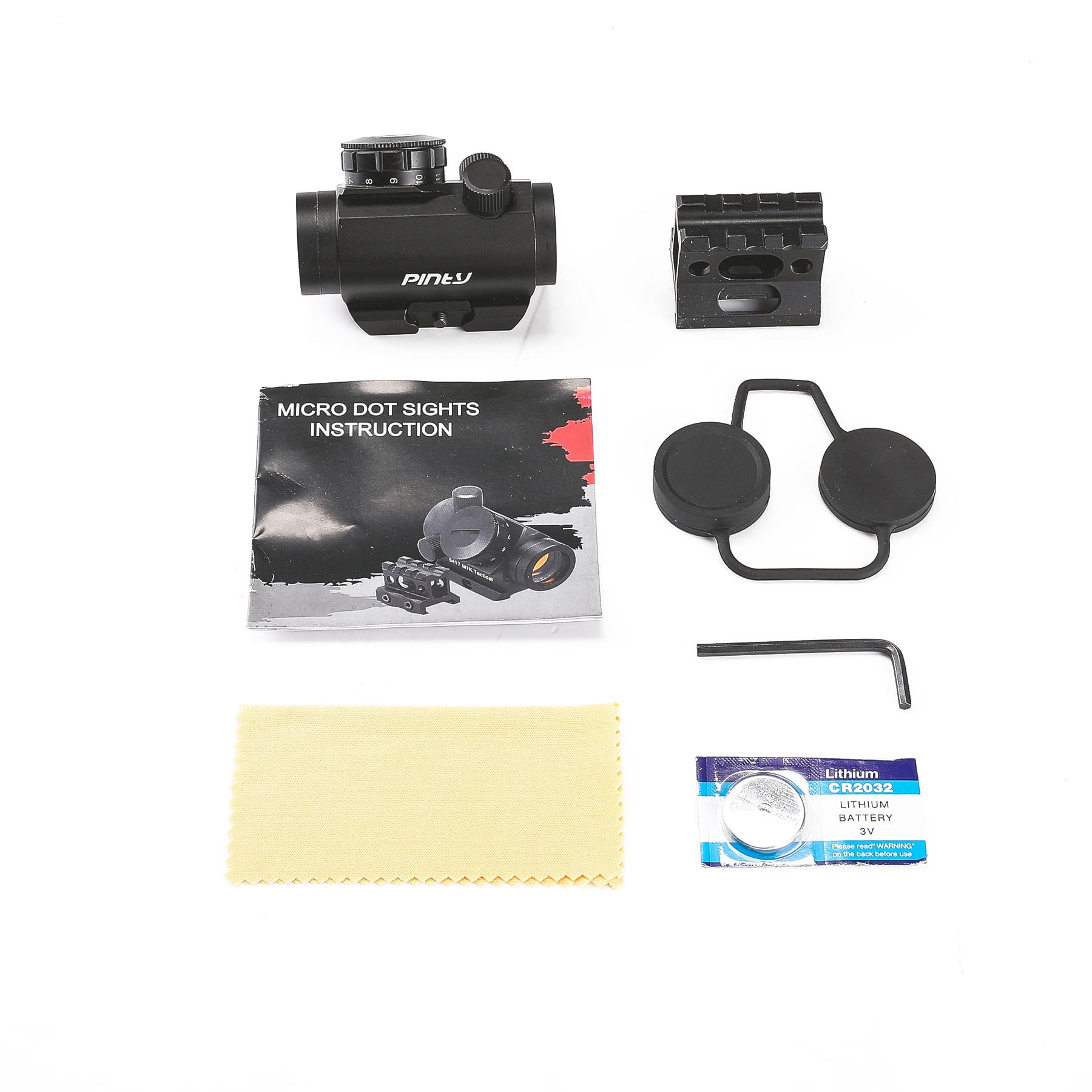
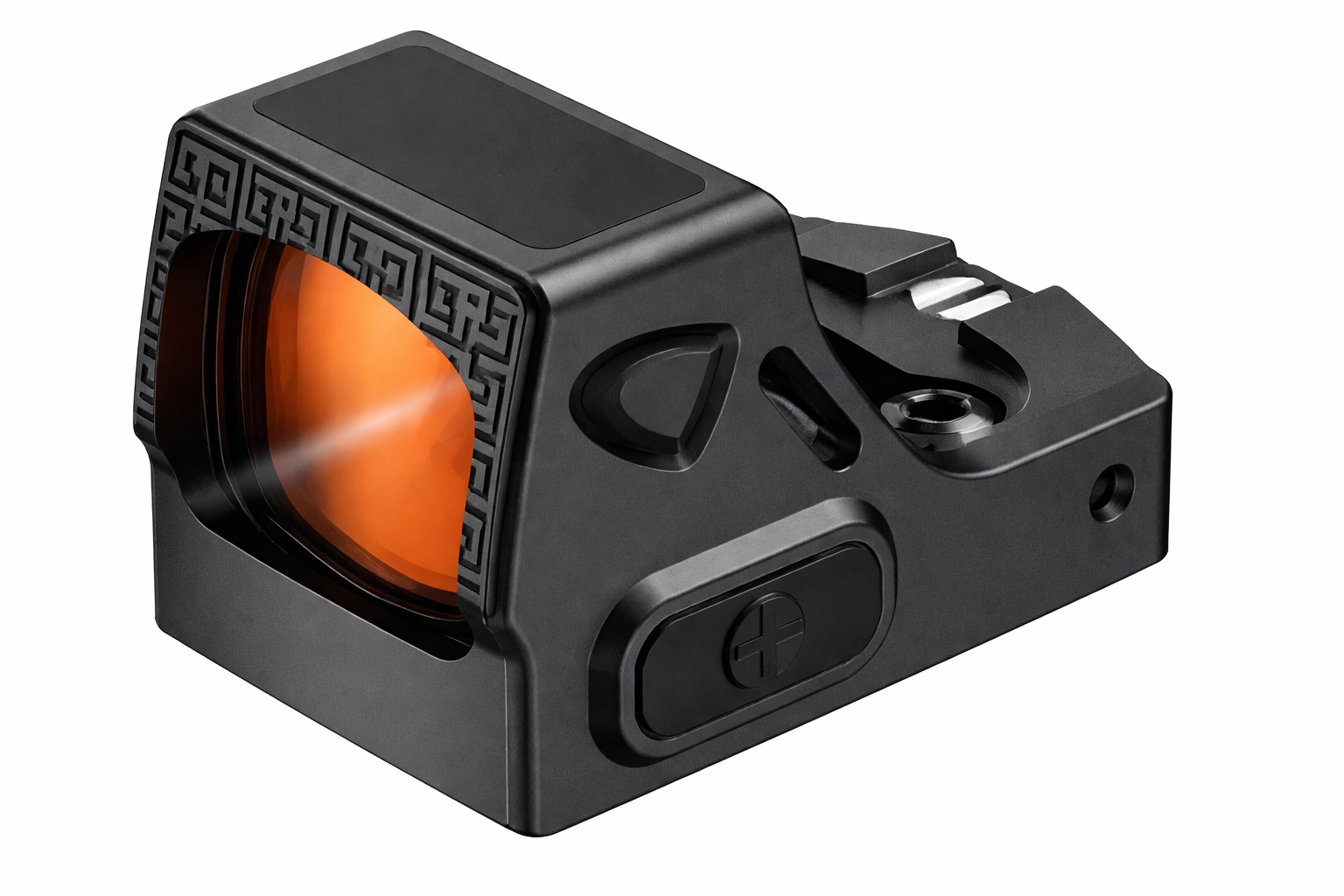
Equipping a handgun with a reflex sight is no longer a futuristic trend; it is the modern standard. Whether you are building a duty setup, a concealed carry rig, or a competition powerhouse, finding the best red dot for a pistol drastically improves target acquisition, split times, and long-range accuracy.
Key Features to Look for in a Pistol Red Dot Sight
Equipping your handgun with a reflex sight is one of the most effective ways to improve your accuracy, speed, and target acquisition. However, stepping into the world of pistol optics can be incredibly overwhelming.
When evaluating a pistol red dot, you aren't just buying a piece of glass—you are buying a tool that must withstand violent slide recoil and environmental abuse. To make an informed choice, here are the core features you must look for.
1. MOA Size
MOA (Minute of Angle) measures the angular size of the aiming dot. On a handgun, choosing the right dot size dictates how fast your eye tracks the reticle versus how precisely you can aim.
-
2 MOA to 3 MOA: These dots are smaller and more precise. They are excellent for target shooting, hunting, or mounting on an AR pistol where you want to make accurate shots at longer distances. However, they can be harder to find quickly under stress.
-
6 MOA to 8 MOA: These dots are much larger and highly visible. A 6 MOA dot is often preferred for defensive concealed carry or duty use because your eye catches it instantly upon drawing the firearm.
-
Multi-Reticle Systems (MRS): Some modern optics offer a blend of both, featuring a precise 2 MOA center dot surrounded by a larger 32 MOA circle for rapid close-quarters tracking.
2. Battery Life & Loading Methods
A red dot is useless if the battery dies when you need it most. Thankfully, modern electronics allow high-quality optics to run continuously for 20,000 to 50,000 hours on a single CR1632 or CR2032 coin battery.
Beyond longevity, pay close attention to how the battery changes:
-
Bottom-Loading: Older or legacy optics require you to completely remove the red dot from the pistol slide to swap the battery underneath. This means you must re-apply thread locker and completely re-zero your optic at the range.
-
Top or Side-Loading: Modern pistol red dots feature a side-loading tray or a top-loading cap. This design allows you to swap a dead battery in seconds without ever losing your zero.
3. Motion Activation / "Shake Awake"
To preserve that battery life, you want an optic that knows when to work and when to sleep.
Optics equipped with motion sensors feature Shake Awake technology. When the firearm sits motionless on your nightstand or in a safe for a designated period, the dot automatically powers off. The absolute instant the optic detects even the slightest vibration—such as drawing from a holster or picking up the gun—the reticle snaps back to life at your last brightness setting. This ensures your optic is always ready during a self-defense encounter without draining power 24/7.
4. Enclosed vs. Open Emitter
This is one of the biggest debates in modern handgun optics, and your choice should depend heavily on your environment.
|
Feature |
Open Emitter |
Enclosed Emitter |
|
Design |
The laser diode is exposed, projecting the dot onto a single pane of glass. |
The laser diode is sealed inside a housing between two panes of glass. |
|
Pros |
Lighter weight, lower profile, generally less expensive, larger window options. |
Completely immune to environmental debris blocking the reticle. |
|
Cons |
Rain, mud, snow, or pocket lint can block the laser emitter, washing out the dot. |
Bulkier appearance, slightly heavier, higher cost. |
The Takeaway: For a pure range or competition gun, an open emitter is fantastic. For a rugged duty gun or an everyday carry (EDC) pistol exposed to the elements, an enclosed emitter offers unmatched peace of mind.
5. Mounting Footprints
Pistol red dots do not use a universal mounting system. Instead, the bottom of the optic features a specific pattern of screw holes and indexing pins called a footprint. Your pistol slide must be cut for this exact footprint, or you must use an adapter plate.
The most common standards include:
-
Trijicon RMR Footprint: The undisputed standard for full-size and compact duty pistols. Used by Trijicon, Holosun (C-series), and many others.
-
Shield RMSc Footprint: The go-to standard for slimline, micro-compact concealed carry pistols like the SIG P365, Glock 43X MOS, or Springfield Hellcat.
-
Acro / 509T Footprints: Unique, clamp-style cross-bolt designs explicitly built to handle heavy duty use on enclosed emitters.
Always verify your pistol's optic cut matches the footprint of the red dot you intend to buy before making a purchase.
6. Durability & Recoil Resistance
Every time a semi-automatic handgun fires, the slide violently slams backward and forward, subjecting the mounted red dot to thousands of Gs of force. Cheap airsoft or rifle optics will literally shatter internally under this specific stress.
Look for optics constructed from rugged aircraft-grade aluminum (like 7075-T6) or titanium. Premium options feature recessed glass to protect against drop impacts and robust electronics that guarantee recoil resistance over tens of thousands of rounds. When it comes to defensive tools, investing in a proven, durable brand is an investment in your safety.
How to Choose the Best Red Dot Sight for Your Needs
Selecting the right pistol optic isn’t a one-size-fits-all decision. The ideal red dot for someone defending themselves in close quarters looks drastically different from the one needed by a competitor aiming at a 25-yard bullseye. To find the perfect match, you need to align the technical specs of the optic with your specific shooting goals.
For Concealed Carry Users: 6 MOA
When your life is on the line, speed and simplicity matter far more than surgical precision. Under the extreme stress of a defensive encounter, your fine motor skills deteriorate, and your eyes naturally lock onto the threat.
-
Immediate Tracking: A larger 6 MOA (Minute of Angle) or 8 MOA dot is highly visible and incredibly easy for your brain to track as the firearm comes up to eye level.
-
Faster Recovery: During rapid fire, a 6 MOA dot is easier to track through the cycle of the slide's recoil, allowing you to get your second and third shots on target much faster.
-
The Sweet Spot: At typical self-defense distances (3 to 7 yards), a 6 MOA dot perfectly covers the vital zone of a target without completely obscuring it, making it the definitive choice for everyday carry (EDC).
For Precision Shooters: 2 MOA
If your goal is stretching your handgun's limits at the range, competing in action shooting sports, or configuring a hunting setup on an AR pistol, a smaller reticle is paramount.
-
Crisp Target Clarity: A 2 MOA or 3 MOA dot is incredibly small. At 25 yards, a 2 MOA dot only covers 2 inches of your target, whereas a 6 MOA dot covers 6 inches.
-
Long-Range Accuracy: The smaller footprint gives you a clean, unobstructed view of small steel plates or bullseyes at extended distances.
-
Astigmatism Workaround: If you have an eye astigmatism, a 2 MOA dot is often easier to manage; even if the dot "blooms" or distorts slightly, it remains small enough to act as an effective aiming point.
For Beginners: Mid-Range Optics
If you are new to the world of slide-mounted optics, diving straight into a $600 premium duty sight can be a tough pill to swallow. Conversely, buying a cheap $50 no-name optic will only lead to frustration when it loses its zero after a single magazine.
Beginners should look for mid-range, durable optics that strike a perfect balance between price and life-saving reliability.
-
Multi-Reticle Flexibility: Look for optics that offer a Multi-Reticle System (MRS). These allow you to toggle between a 2 MOA dot and a large 32 MOA circle, letting you test both precision and high-visibility options to see what your eyes prefer.
-
Quality-of-Life Features: Prioritize beginner-friendly features like Shake Awake (so you never have to remember to turn the optic on in an emergency) and side-loading battery trays so you don't have to remove the optic to change the power source.
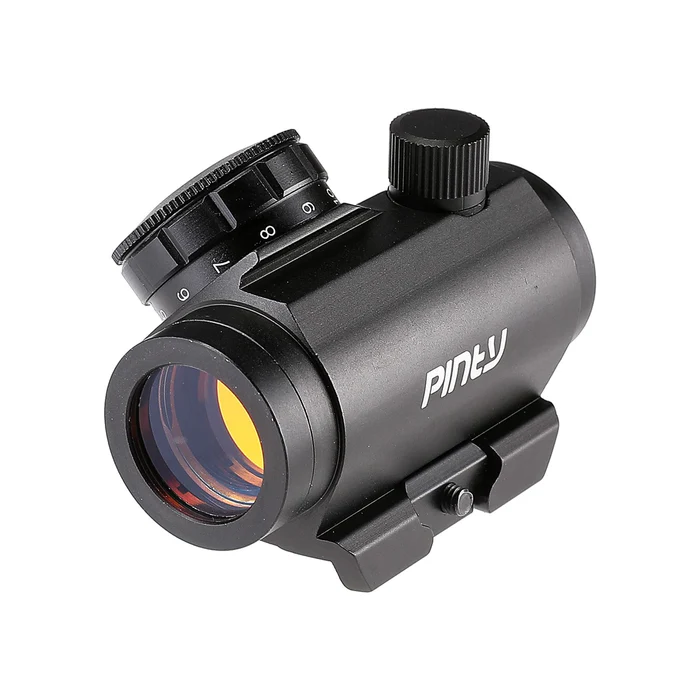
Best Budget Pistol Red Dot Under $100

FAQ
Can I use a red dot with astigmatism?
Yes, but the dot may not appear perfectly round. To get the best red dot sight for a pistol with astigmatism, try turning down the brightness to reduce blooming, or switch to a green dot system, which many shooters find crisper than red.
Which red dot do Navy SEALs and the military use on pistols?
The US Military and elite units like the Navy SEALs primarily utilize the Trijicon RMR and the Leupold DeltaPoint Pro (DPP), the latter being selected as part of the modular handgun system for the US Army's M17/M18 service pistols.
How far should I sight my red dot on my pistol?
The best zero distance for a pistol red dot is generally 15 yards or 25 yards. A 15-yard zero offers a very flat trajectory for most 9mm defensive loads from point-blank range out to 25 yards, minimizing mechanical offset.
Is it worth putting a red dot on a pistol?
Absolutely. A red dot allows for single-plane focal awareness, meaning you focus strictly on the target rather than aligning front and rear iron sights. This leads to faster target transition, better accuracy at distance, and improved low-light shooting capability.
Is a red dot or laser better for a pistol?
A red dot is superior to a laser for a pistol in almost all defensive and tactical scenarios. A red dot is projected directly into your line of sight on the glass, allowing you to maintain a proper shooting stance and focus on the target. Lasers can be incredibly difficult to track on a moving target or in bright sunlight.
Which Loctite should I use for a pistol red dot?
Always use Loctite 242 or 243 (Blue Loctite). Blue Loctite provides a secure hold that withstands the violent, repeated recoil of a pistol slide while still allowing you to remove the optic with hand tools when it is time to change the battery. Never use Red Loctite, as it requires extreme heat to remove and can ruin your slide or optic screws.

Share:
2 MOA vs 6 MOA Red Dot: Comparison Guide for Pistols & EDC Optics
5 Best PCP Air Rifle Under $500: Top Budget Picks for 2026