



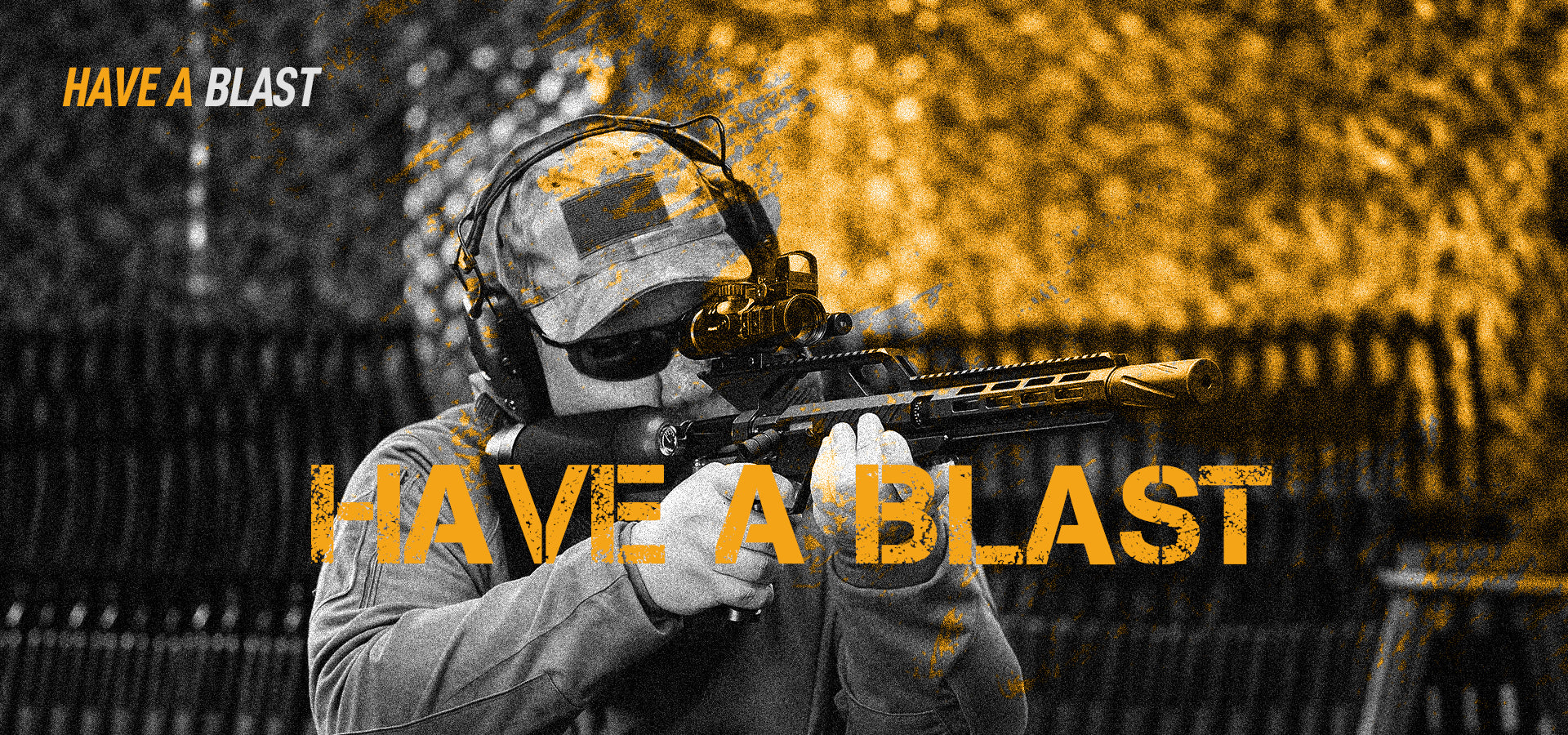
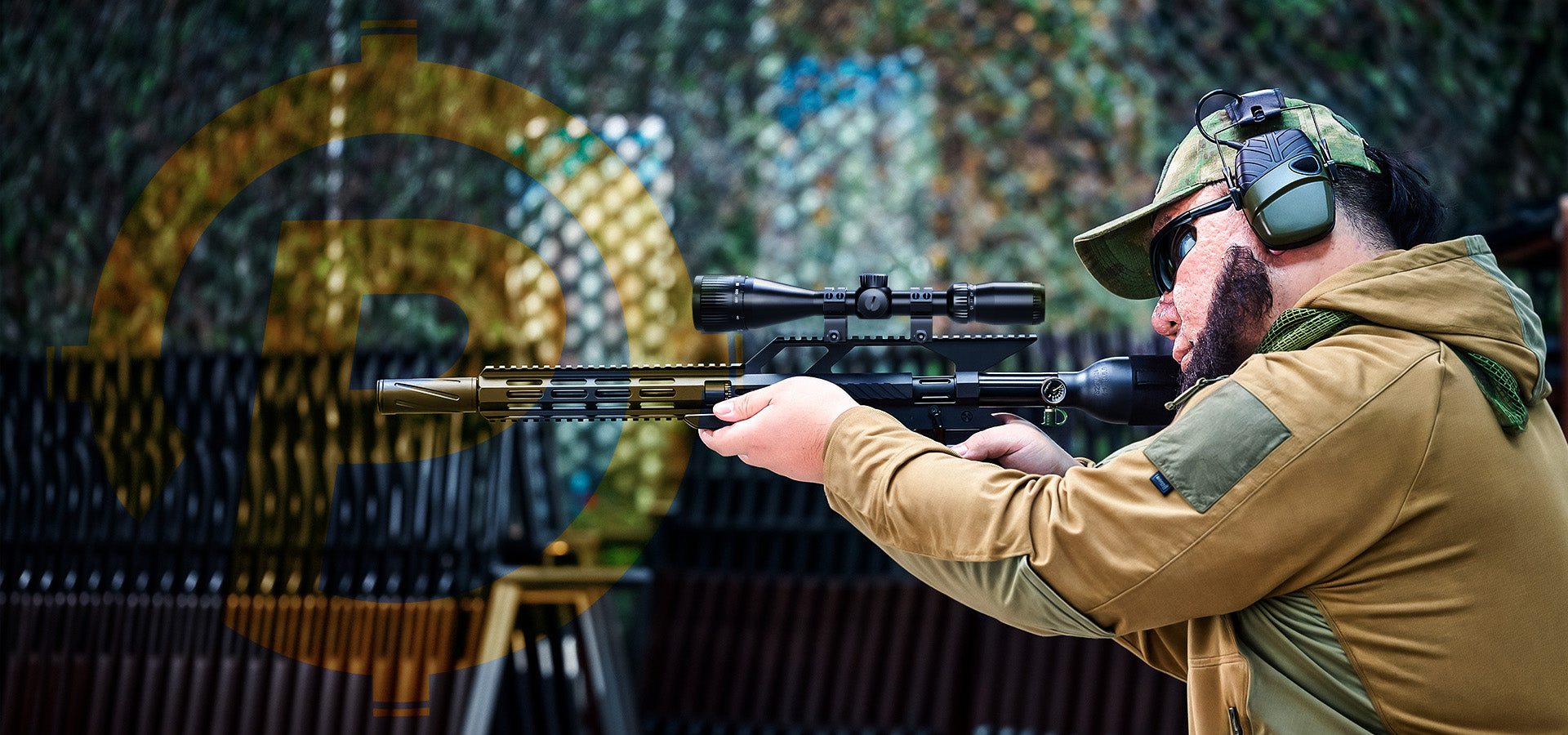
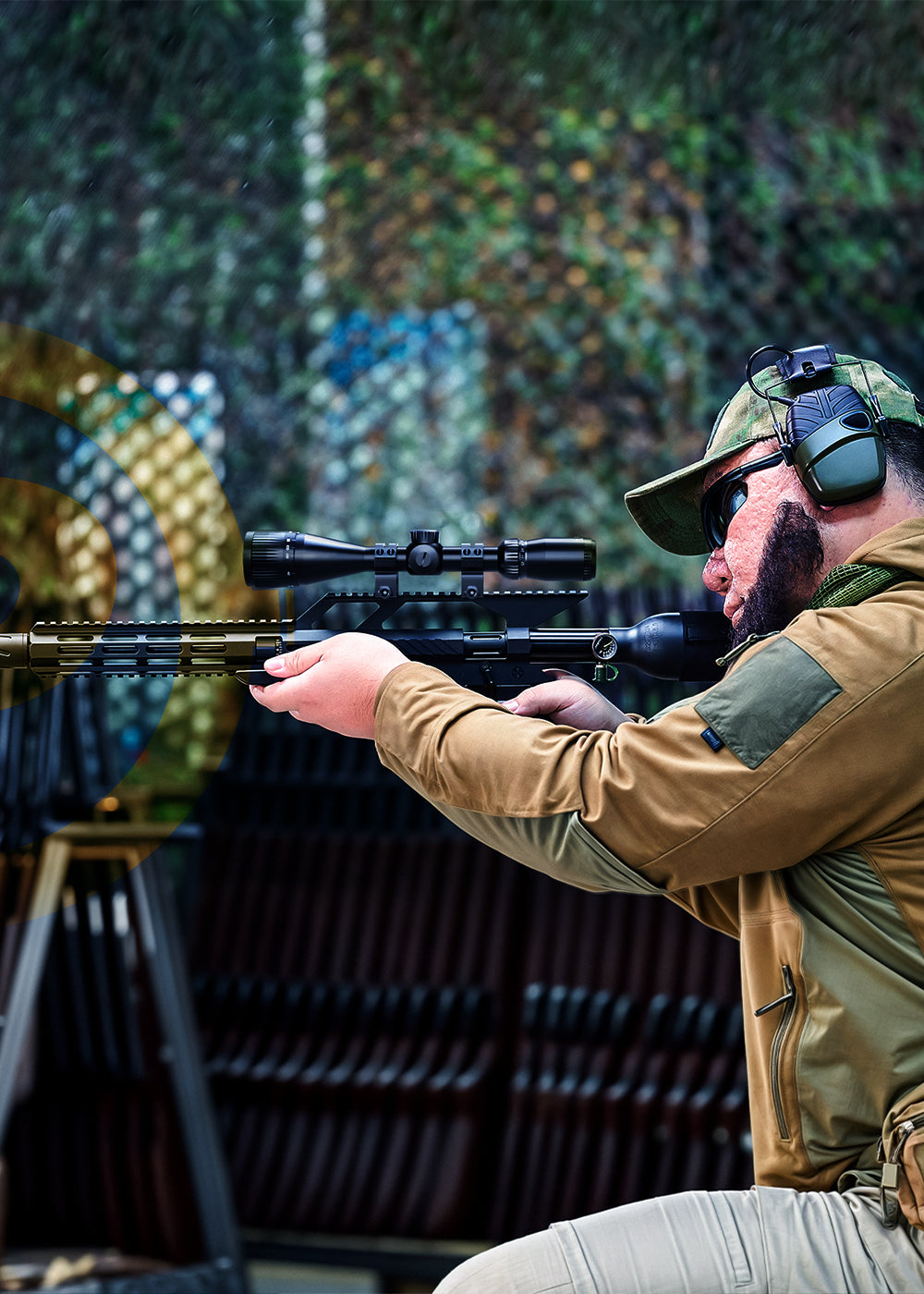
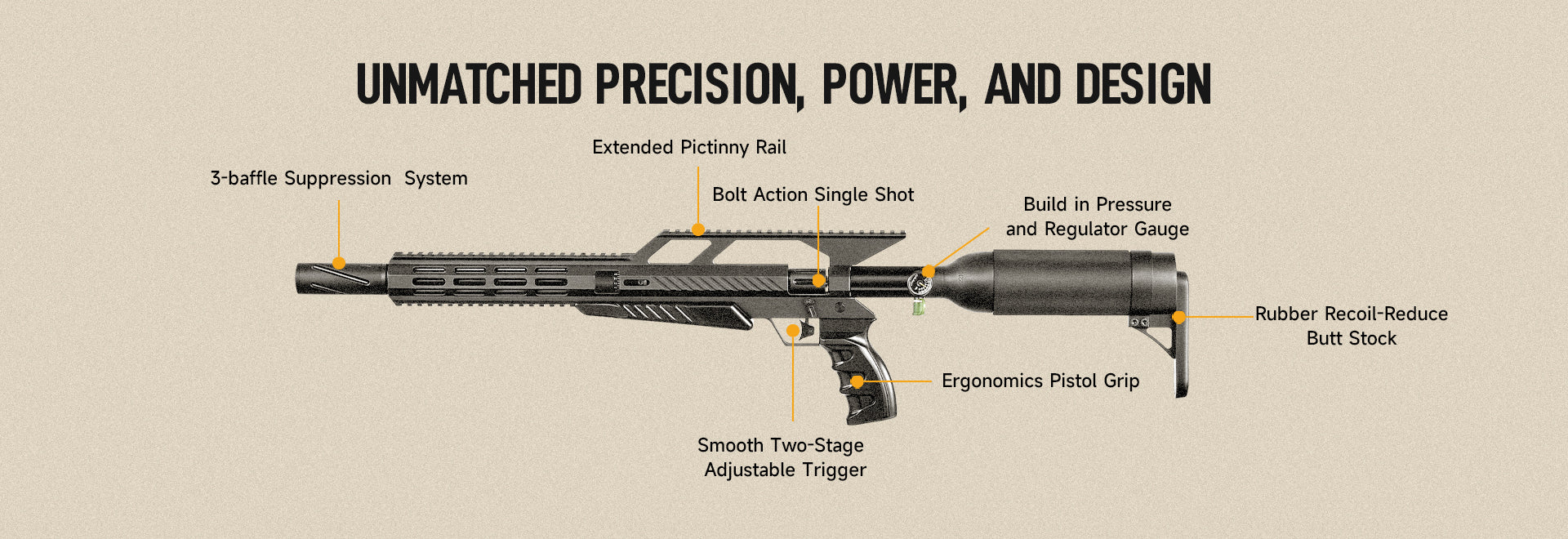
For years, Pinty has been the name shooters trust for precision, reliability, and performance. Now, we're taking that legacy to the next level with our first-ever PCP Air Rifle series. Engineered for unmatched accuracy and consistency, these rifles are powered by pre-charged pneumatic (PCP) technology, delivering smooth, steady shots with every pull. Low-maintenance and virtually silent, they give you the freedom to perform without limits. Tough. Reliable. Built to last.
Pinty New P-Force
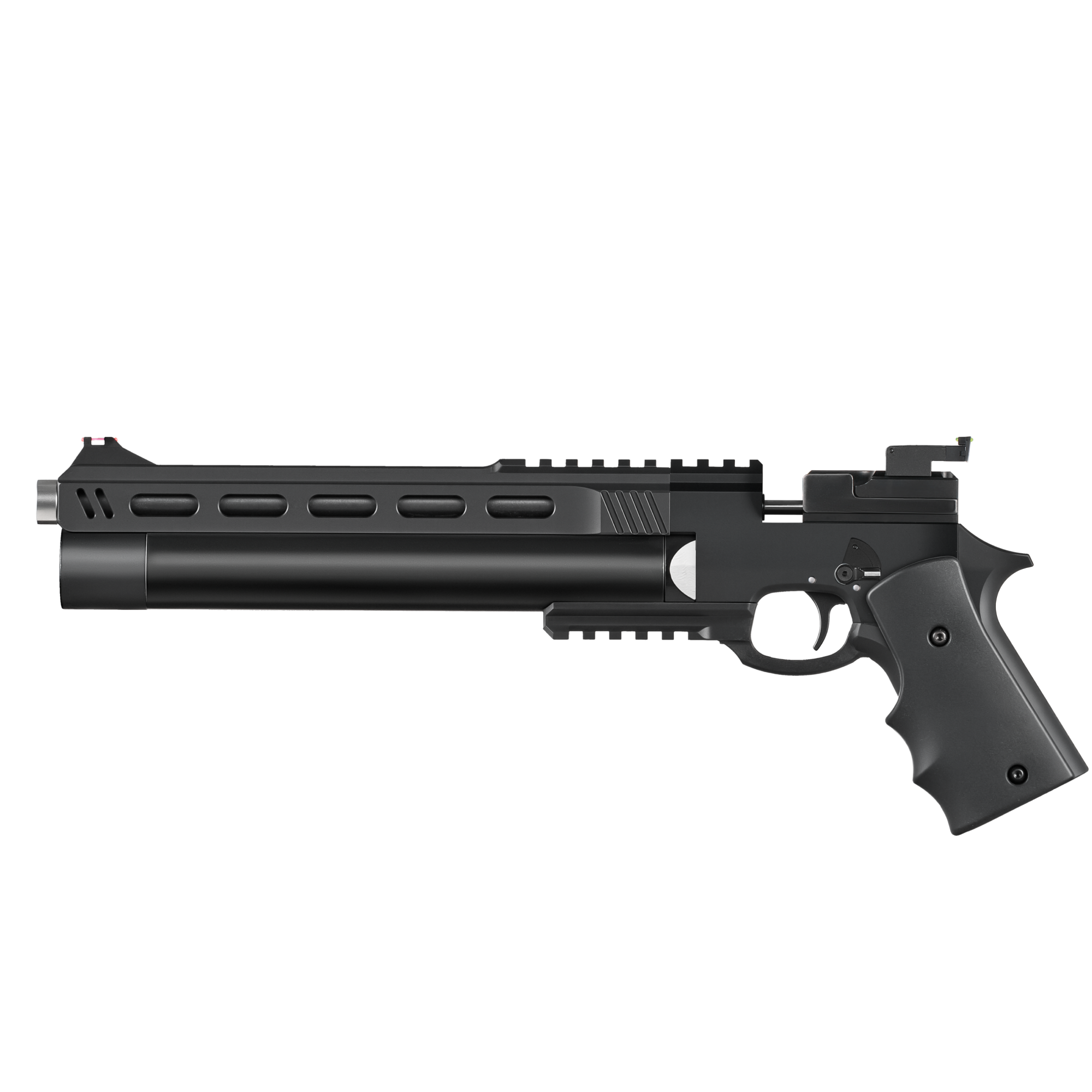


P-Force Airgun Series
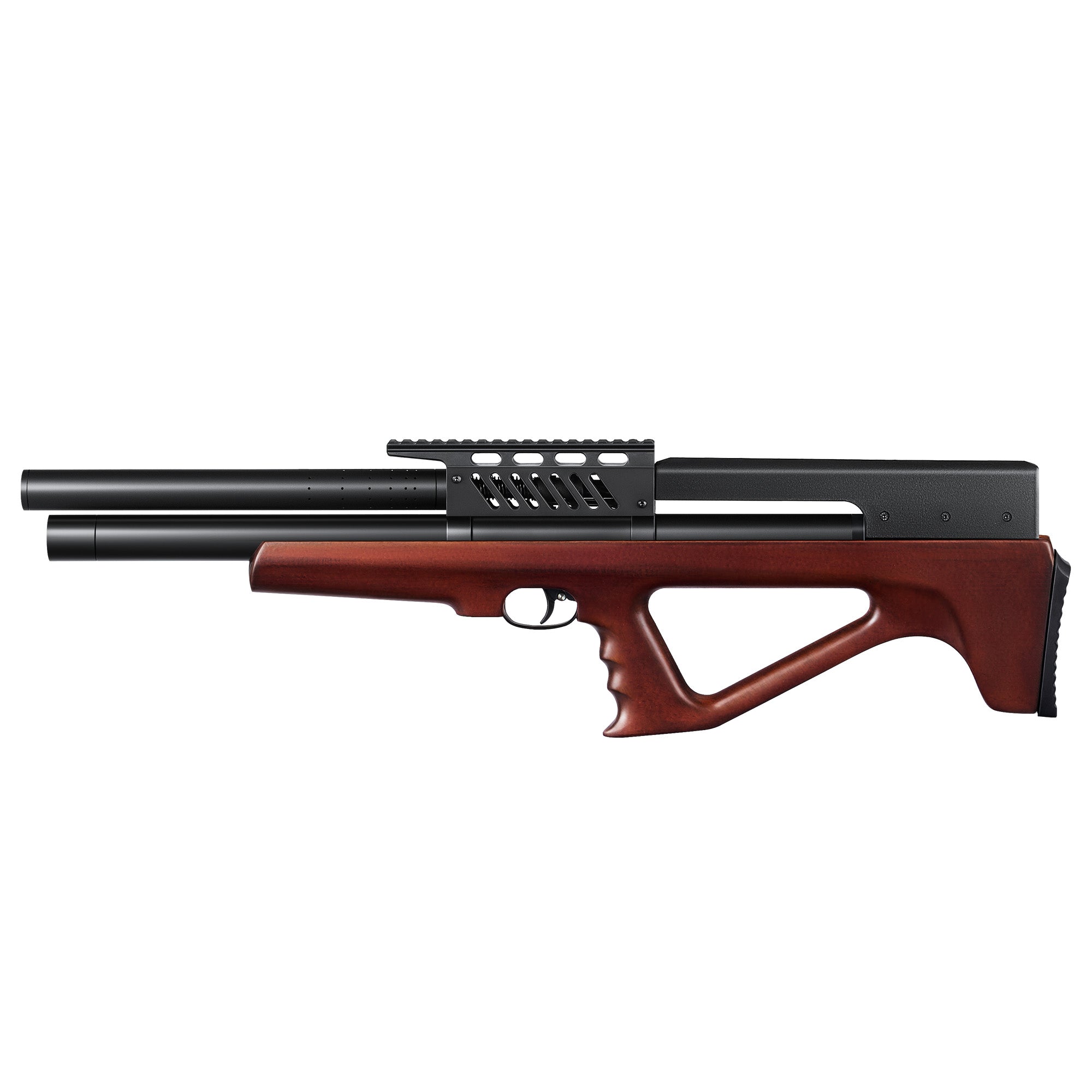
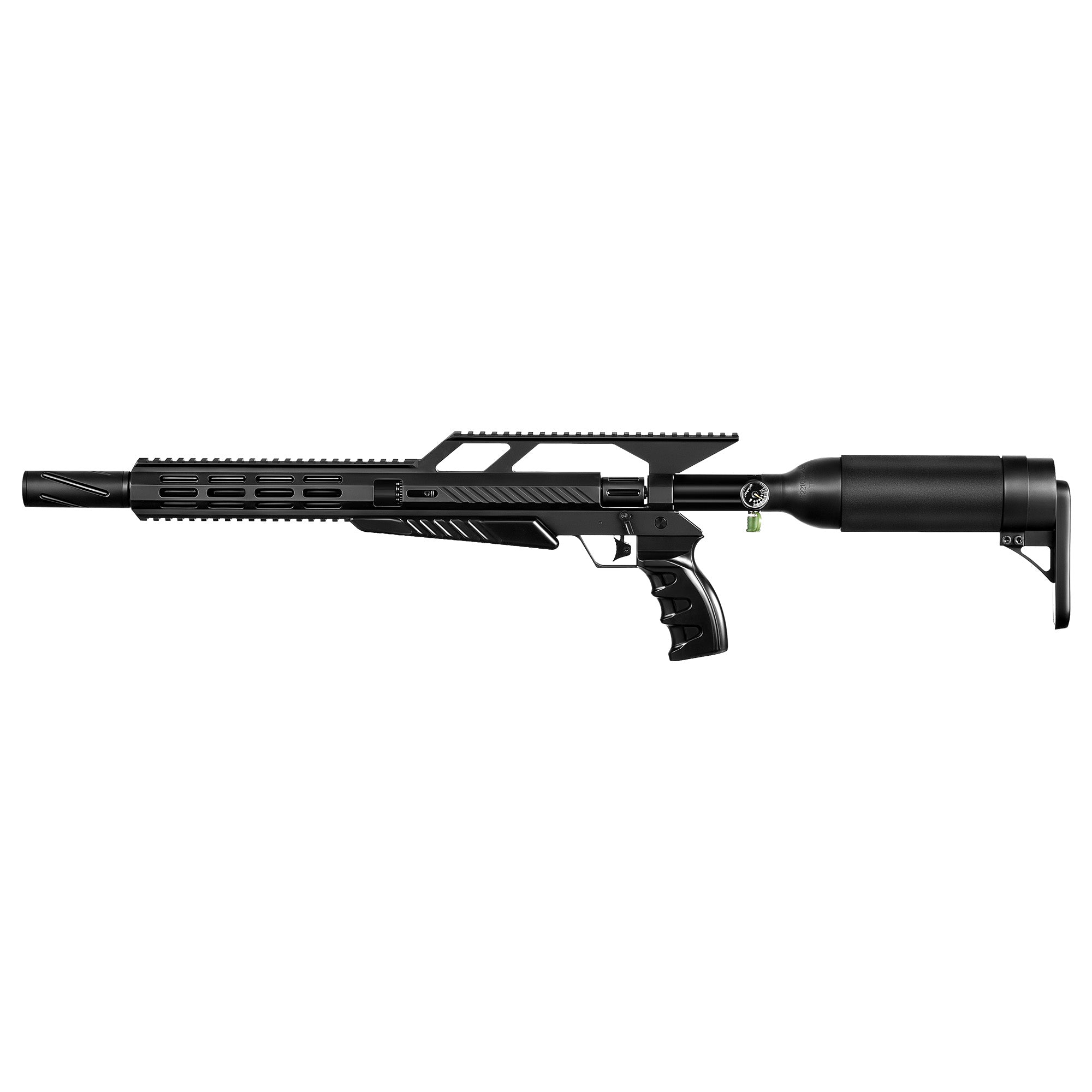
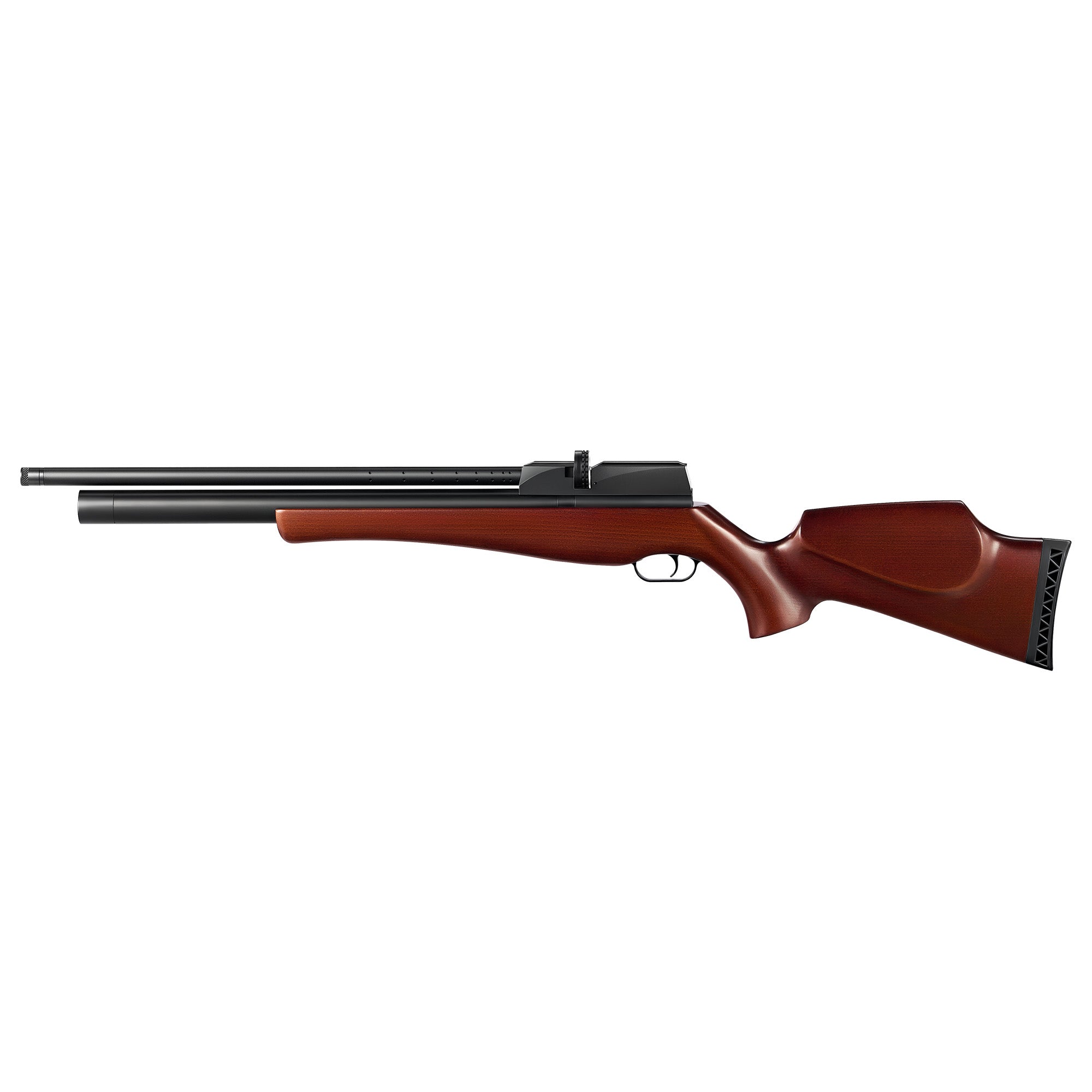
Regulated PCP Air Rifle
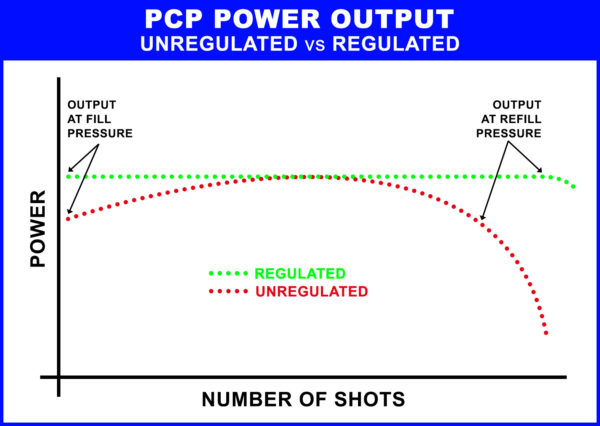
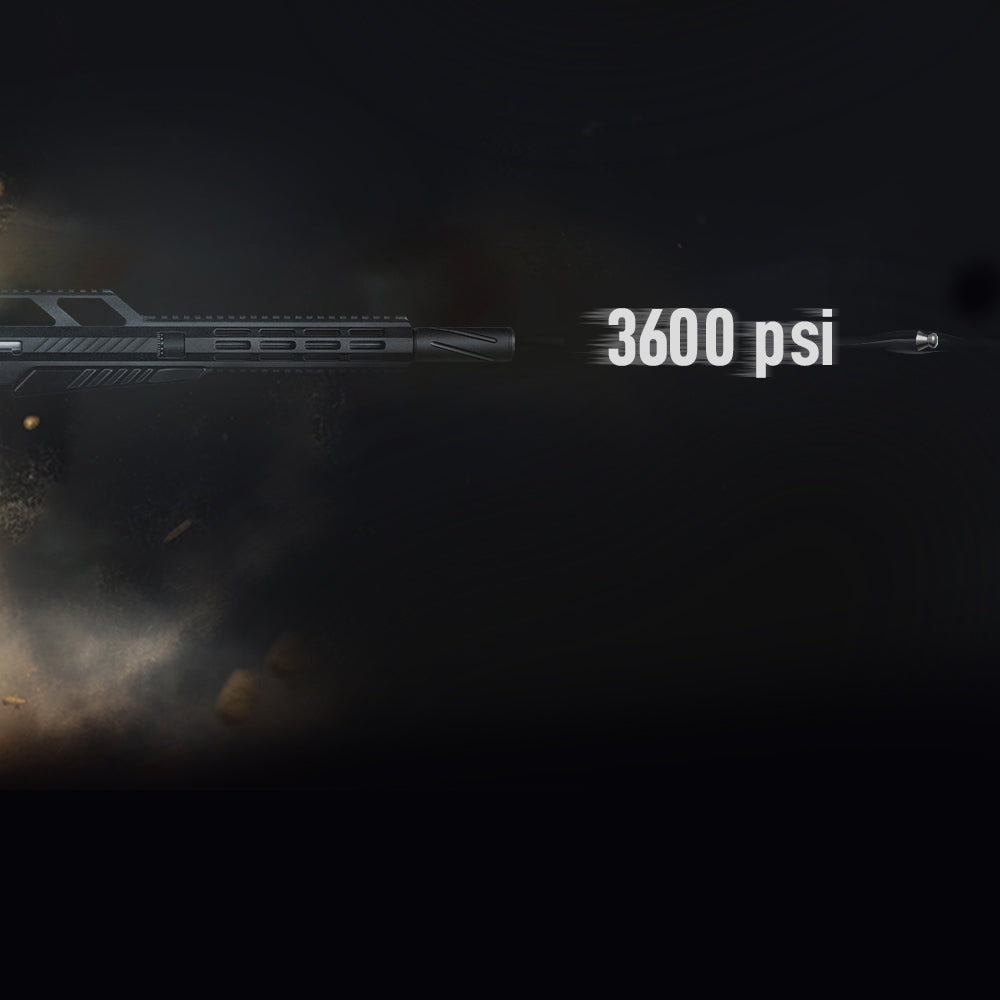
Regulated pressure in air guns means using a valve to maintain consistent air release per shot. Benefits include:
- Stable Velocity
- Higher Shot Count
- Improved Accuracy
- Reduced Recoil for better follow-up shots.
Tactical Versatility
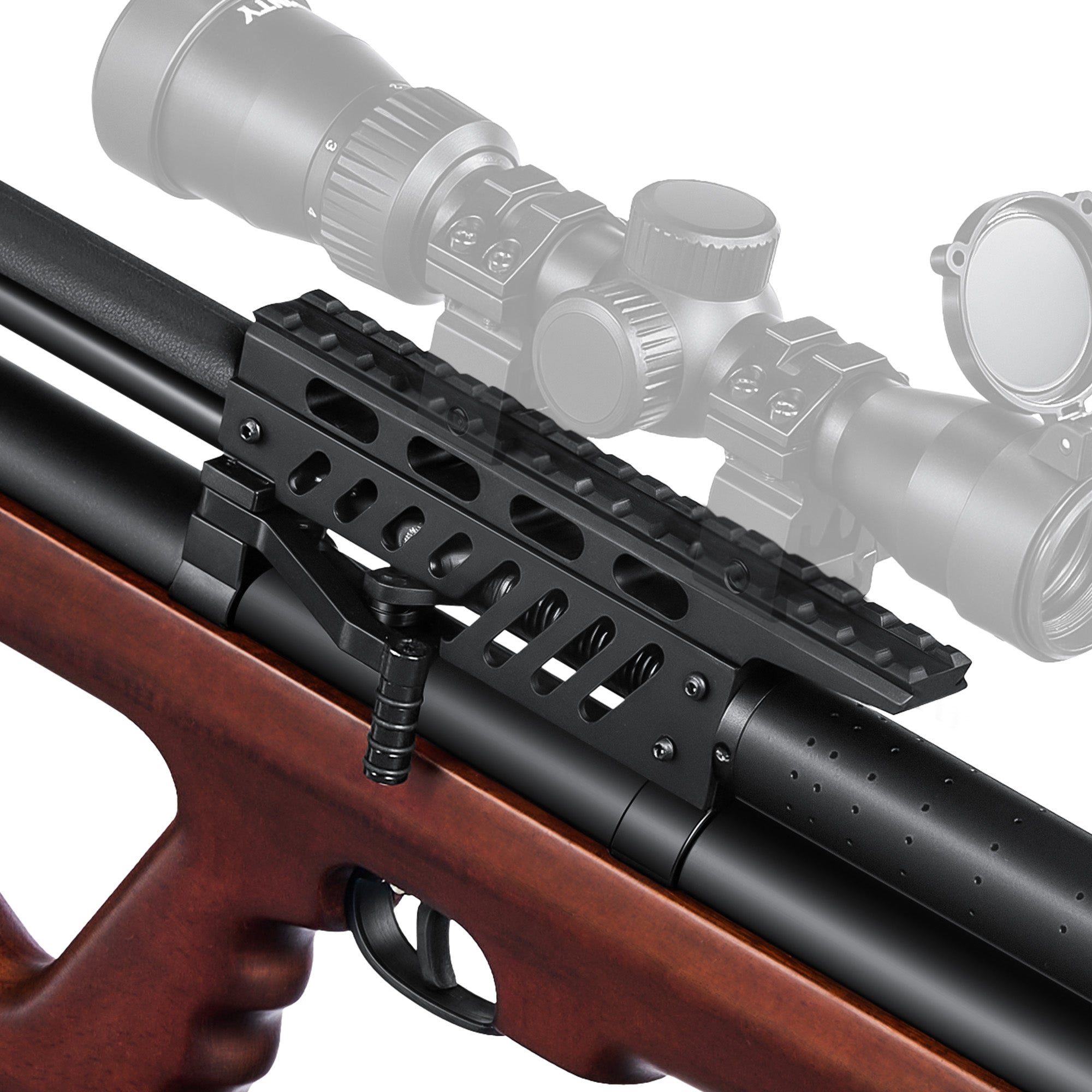
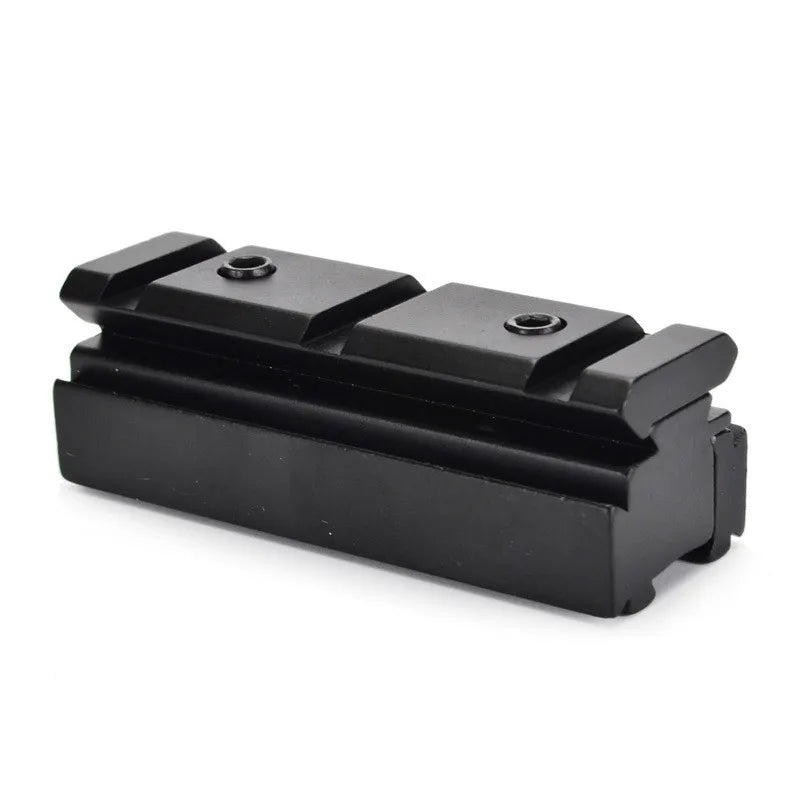
Equipped with a Picatinny rail allows for seamless integration of additional accessories, such as flashlights, lasers, or backup sights, giving you the flexibility to customize your setup for any mission or activity. Whether you're hunting in dense forests, engaging in precision target shooting, or embarking on rugged outdoor adventures, this feature ensures your gear adapts to your needs, enhancing both performance and convenience in the field.



Buyer's Guide
How to Choose the Right PCP Air Rifle
Choosing the right PCP (Pre-Charged Pneumatic) air rifle can feel overwhelming, especially with so many calibers, power levels, and features available. The key is to match the PCP air rifle to your specific needs—such as target shooting, pest control, or hunting.
From understanding different power systems to choosing the right caliber and managing air supply, you’ll learn how to balance performance, cost, and specific needs—so you can get the most out of your PCP air rifle.
PCP Airgun Caliber & Purpose
Selecting the right PCP air rifle isn’t just about power—it’s about matching the caliber to your specific shooting goals. Whether you’re focused on precision target practice, pest control, or hunting, each caliber offers a distinct balance of velocity, impact energy, and shooting range.
.177 Caliber – Precision & Target Shooting
The .177 PCP Air Rifle is the most popular caliber for beginners and target shooters. Its lightweight pellets travel at high velocities, producing a flatter trajectory that makes it easier to hit targets at varying distances. This caliber is ideal for paper targets, backyard plinking, and controlling very small pests. While highly accurate, it has limited stopping power compared to larger calibers.
Max Effective Range: 50–75 yards
.22 Caliber – Versatile All-Rounder
Stepping up in size, the .22 caliber PCP Air Rifle offers a strong balance between speed and impact. It’s one of the most versatile options, suitable for both recreational shooting and small game hunting such as rabbits or squirrels. The heavier pellet delivers more knockdown power, making it more effective in the field while still maintaining good accuracy.
Max Effective Range: 75–100 yards
.25 Caliber – Increased Power for Hunting & Competition
The .25 caliber PCP Air Rifle is where power becomes a major advantage. With heavier pellets and greater energy transfer, it’s well-suited for small to medium game hunting. It’s also favored in some competitive shooting scenarios where impact and precision matter. However, it requires more air per shot, meaning fewer shots per fill compared to smaller calibers.
Max Effective Range: Up to 100 yards
.30 Caliber – High Impact Performance
Designed for shooters who prioritize stopping power, the .30 caliber PCP Air Rifle delivers significantly more energy on target. It’s effective for medium-sized games and is increasingly used in competitive shooting where power categories apply. The trade-off includes higher air consumption, more recoil, and typically a higher PCP air rifle cost.
Max Effective Range: Around 100 yards
.35 Caliber and Above – Maximum Power Applications
For serious hunting and high-impact shooting, .35 caliber and above PCP air rifles represent the top tier of PCP airguns. These PCP air rifles are capable of taking down larger game when used responsibly and legally. They produce substantial energy but require advanced handling, larger air reservoirs, and careful shot placement.
Max Effective Range: Around 100 yards
PCP Airgun Air Supply
PCP air rifles rely on high-pressure compressed air, which means your setup isn’t complete without a reliable filling solution. The most affordable option is a hand pump, but it requires significant physical effort, especially for higher-pressure fills. Electric air compressors offer far more convenience and efficiency, making them ideal for frequent shooters, though they come with a higher upfront cost. Alternatively, scuba or carbon fiber tanks provide the fastest and easiest refills, but they are the most expensive and may require access to external refill stations.
PCP Air Rifle Noise
One of the biggest advantages of PCP air rifles is their relatively low noise level compared to traditional firearms. Many modern PCP air rifles are designed with shrouded barrels or built-in moderators, which help reduce the sound signature even further. This makes them ideal for backyard shooting, target practice, or discreet pest control where keeping noise to a minimum is important.
If you live in a residential area or near neighbors, livestock, or sensitive environments, noise becomes a key factor in your decision. A quieter PCP air rifle not only avoids disturbance but also enhances your overall shooting experience, allowing for more frequent and stress-free use.
PCP Air Rifle Power Source
PCP air rifles are powered by different systems, and understanding these can help you choose the right PCP air rifle for your needs. Spring-piston and gas-piston airguns are self-contained, meaning they don’t require external air sources. They’re known for their simplicity, reliability, and lower overall cost, making them a solid choice for beginners or casual shooters who want minimal setup.
In contrast, PCP (Pre-Charged Pneumatic) air rifles stand out for their consistent power, higher accuracy, and quieter operation. Many modern PCP models also feature built-in noise-reduction designs, making them ideal for controlled environments. While they require additional equipment like air pumps or tanks, the performance benefits make them a top choice for serious shooters and hunters seeking precision and ease of use.
FAQ
Yes, it’s generally not recommended to dry fire a PCP air rifle, although it’s not as damaging as with spring-piston airguns. When you dry fire a PCP (shooting without a pellet), the PCP air rifle still releases a burst of high-pressure air, but without a pellet to create back pressure, the airflow can be harsher on internal components like the valve and seals over time.
You can leave air in a PCP air rifle for months, or even longer, as long as the PCP air rifle is in good condition. In fact, it’s recommended to store a PCP with some pressure in the tank (rather than empty), because this helps keep the internal seals properly seated and prevents moisture or contaminants from entering the system.
That said, the PCP air rifle should hold air without noticeable loss—if it slowly leaks down over a few days, that may indicate worn seals or a valve issue. For best practice, store your PCP air rifle with partial pressure (not fully maxed out), keep it in a cool, dry place, and periodically check the gauge.
Yes, you can leave a PCP air rifle “loaded” with air, but there are some important distinctions and safety considerations.
PCP air rifles are designed to store compressed air in the reservoir, so it’s completely normal—and even recommended—to keep some pressure in the tank during storage (rather than emptying it). This helps maintain seal integrity and ensures the PCP air rifle is ready for use.
PCP (Pre-Charged Pneumatic) air rifles operate using a simple yet highly efficient system built around compressed air. First, air is stored in a high-pressure cylinder—either built into the PCP air rifle or as a detachable tank—typically filled using a hand pump, compressor, or external air tank. This stored air acts as the power source for each shot.
When you pull the trigger, a valve system releases a precise, measured burst of air behind the pellet. In many PCP models, a regulator helps maintain consistent pressure, ensuring each shot delivers nearly identical power. This regulated airflow results in excellent accuracy, minimal recoil, and the ability to fire multiple consistent shots before needing a refill.
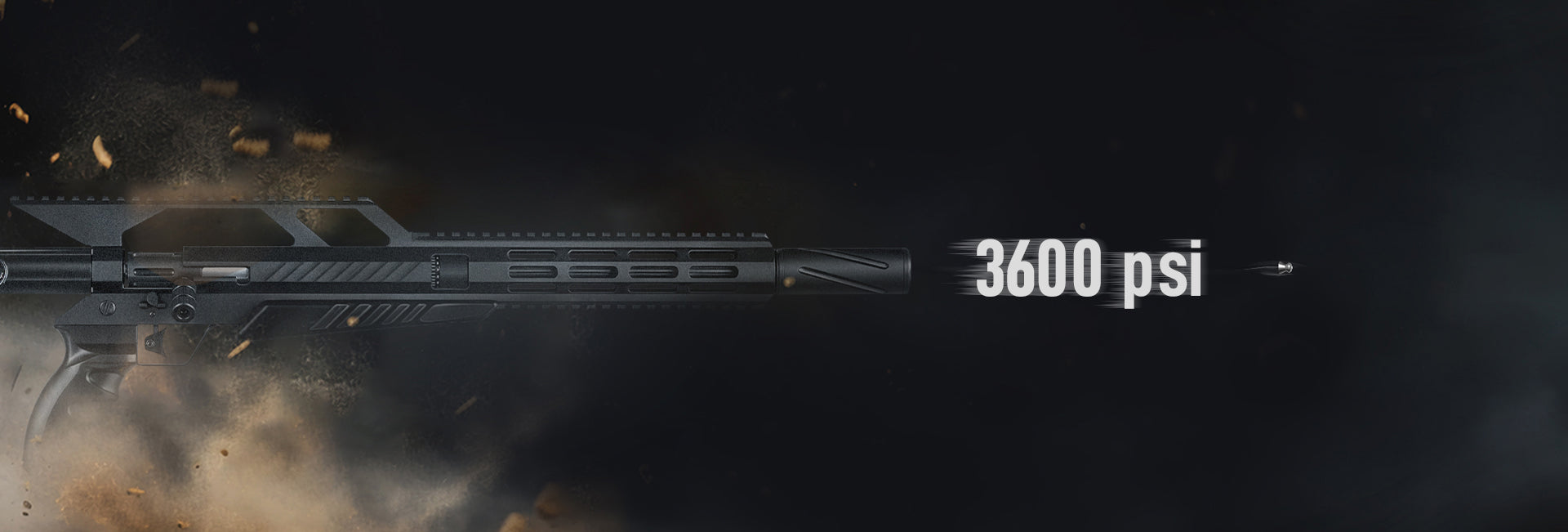
A PCP (Pre-Charged Pneumatic) air rifle is a type of air rifle that uses compressed air stored in a high-pressure reservoir—typically filled to 2,000–4,500 PSI—to propel pellets with precision and force. Instead of relying on springs or disposable CO₂ cartridges, PCP air rifles release a controlled burst of stored air with each shot, resulting in smooth firing, minimal recoil, and excellent shot-to-shot consistency. This makes them especially popular among shooters who value accuracy and performance.
For hunting deer, you generally need a big bore PCP air rifle with a larger caliber and high energy—smaller calibers like .177, .22, or .25 simply don’t provide enough stopping power or penetration. Most expert guides recommend at least .40 caliber or larger for deer, with common choices being .357, .45, or .50 caliber PCP air rifles because they deliver the heavier slug weight and energy needed for a humane kill at typical hunting ranges.
PCP and CO2 air rifles serve different needs, but overall PCP air rifles are considered better for performance, while CO2 air rifles are better for convenience.
Compared to CO₂-powered airguns, PCP air rifles are far less affected by temperature changes, meaning they maintain stable velocity and reliability in different weather conditions. Their consistent power output, quieter operation, and ability to handle larger calibers make them ideal for a wide range of uses—from target shooting and pest control to hunting and competitive shooting. While they do require additional equipment to refill the air reservoir, many enthusiasts find the performance benefits well worth the extra setup.
In contrast, CO2 air rifles are easier to use and more beginner-friendly since they rely on simple cartridges and require less setup, but they offer lower power and can be affected by temperature changes.
PCP in air rifles stands for Pre-Charged Pneumatic. It refers to a type of airgun that is powered by compressed air stored in a high-pressure reservoir. This air is “pre-charged” before shooting using a hand pump, air compressor, or external tank. When the trigger is pulled, a controlled burst of this stored air is released to propel the pellet.
Whether you need a license for a PCP (Pre-Charged Pneumatic) airgun depends entirely on where you live and the power of the PCP air rifle.
In most parts of the United States, PCP air rifles are not classified as firearms, so no federal license is required. However, laws vary by state and city. Some areas (like certain cities or states such as New Jersey or Illinois) have stricter regulations, and you may need a permit or face restrictions on ownership, transport, or use.
The Pinty Striker PCP Air Rifle (.22/.25) stands out as one of the best value-for-money options in the budget PCP category, offering features typically found in more expensive PCP air rifles.
With a large 310cc air tank delivering up to 90 shots (about 50–60 optimal), a built-in regulator for consistent accuracy, and velocities up to 800 fps, it strikes a strong balance between power, efficiency, and usability. Its side lever action, dual magazines, and Picatinny rail further enhance the overall shooting experience, making it versatile for target shooting and small-to-medium game hunting.