Filters

Filters

$
to
$
9 products
Sort by
Sort by
Rifle scopes for ar15
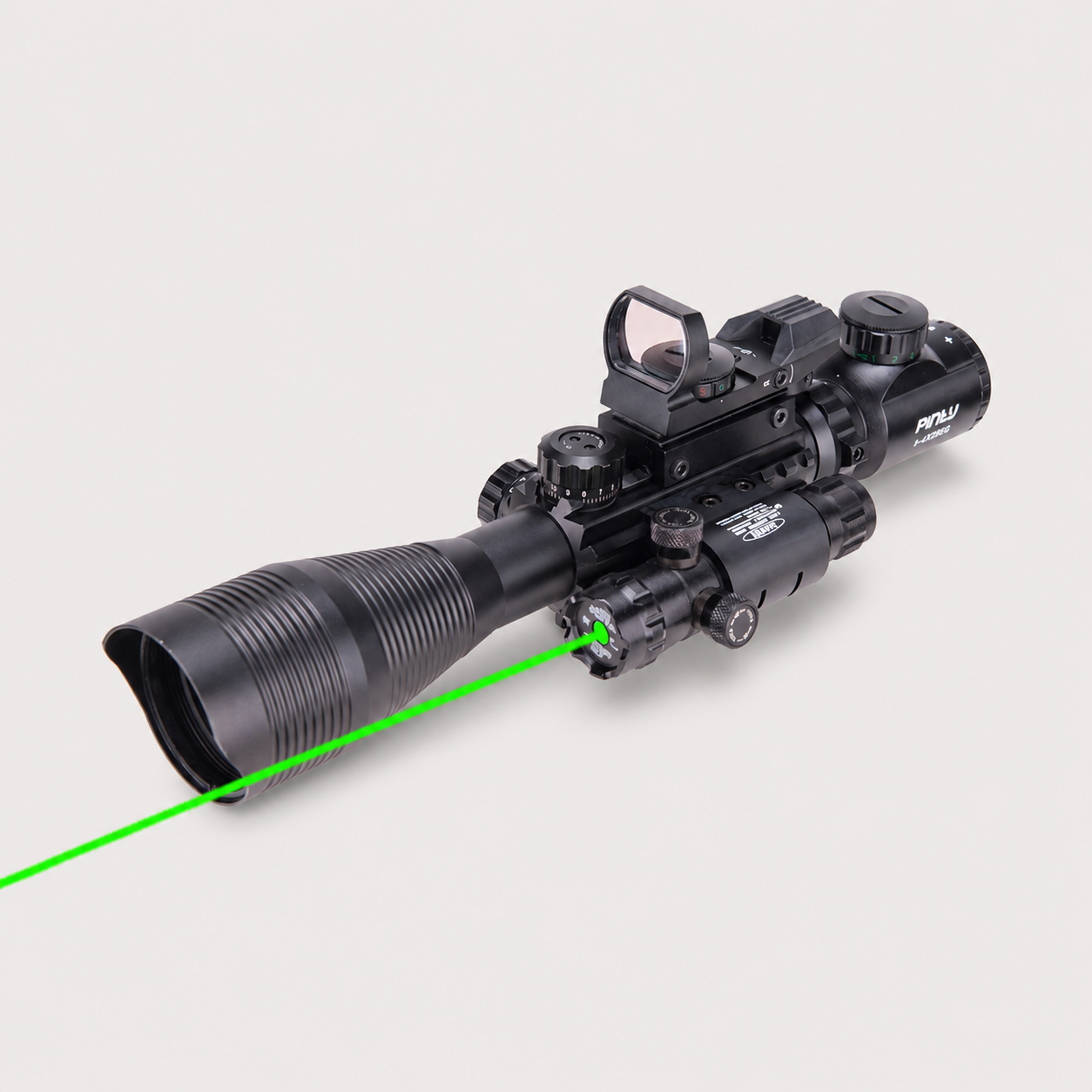
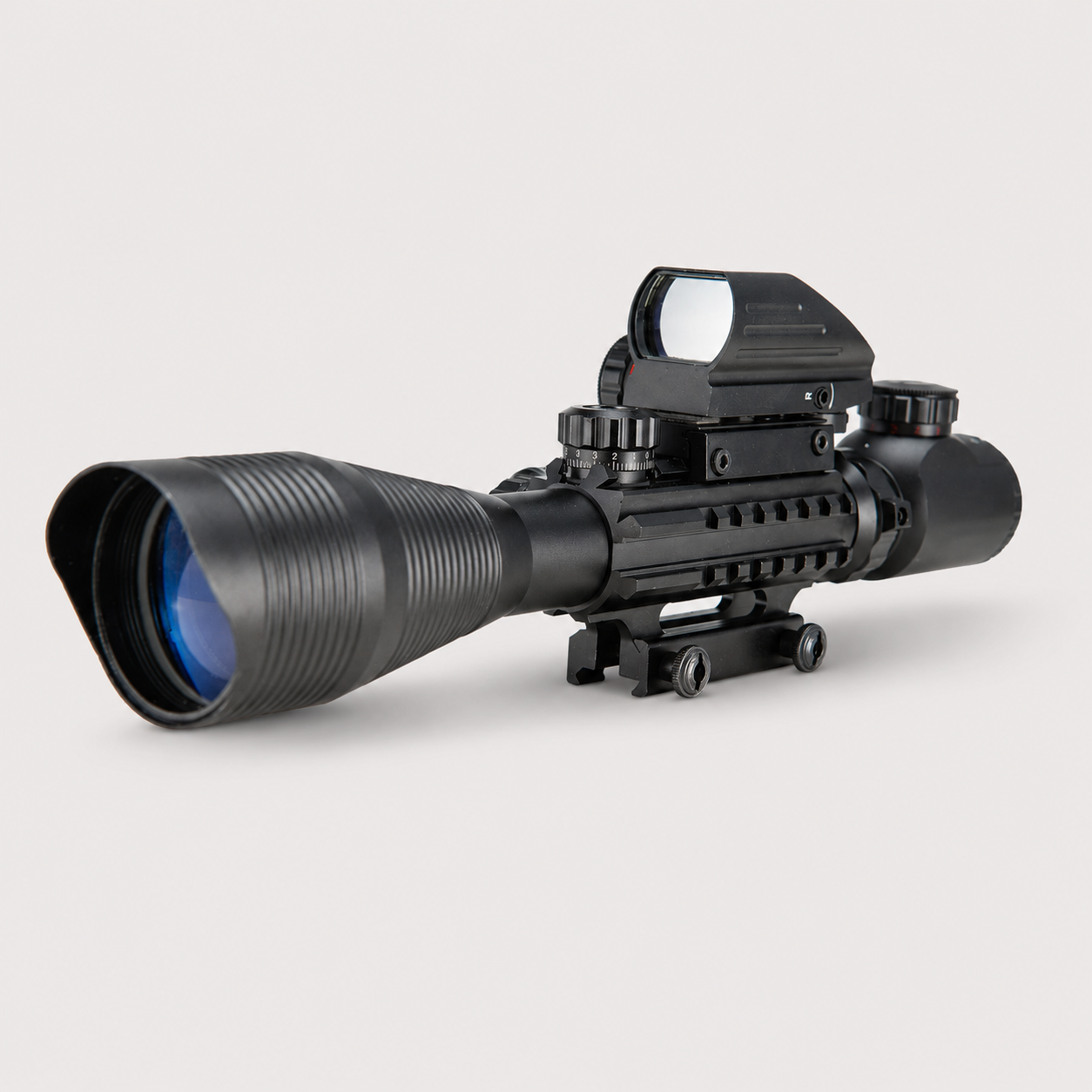
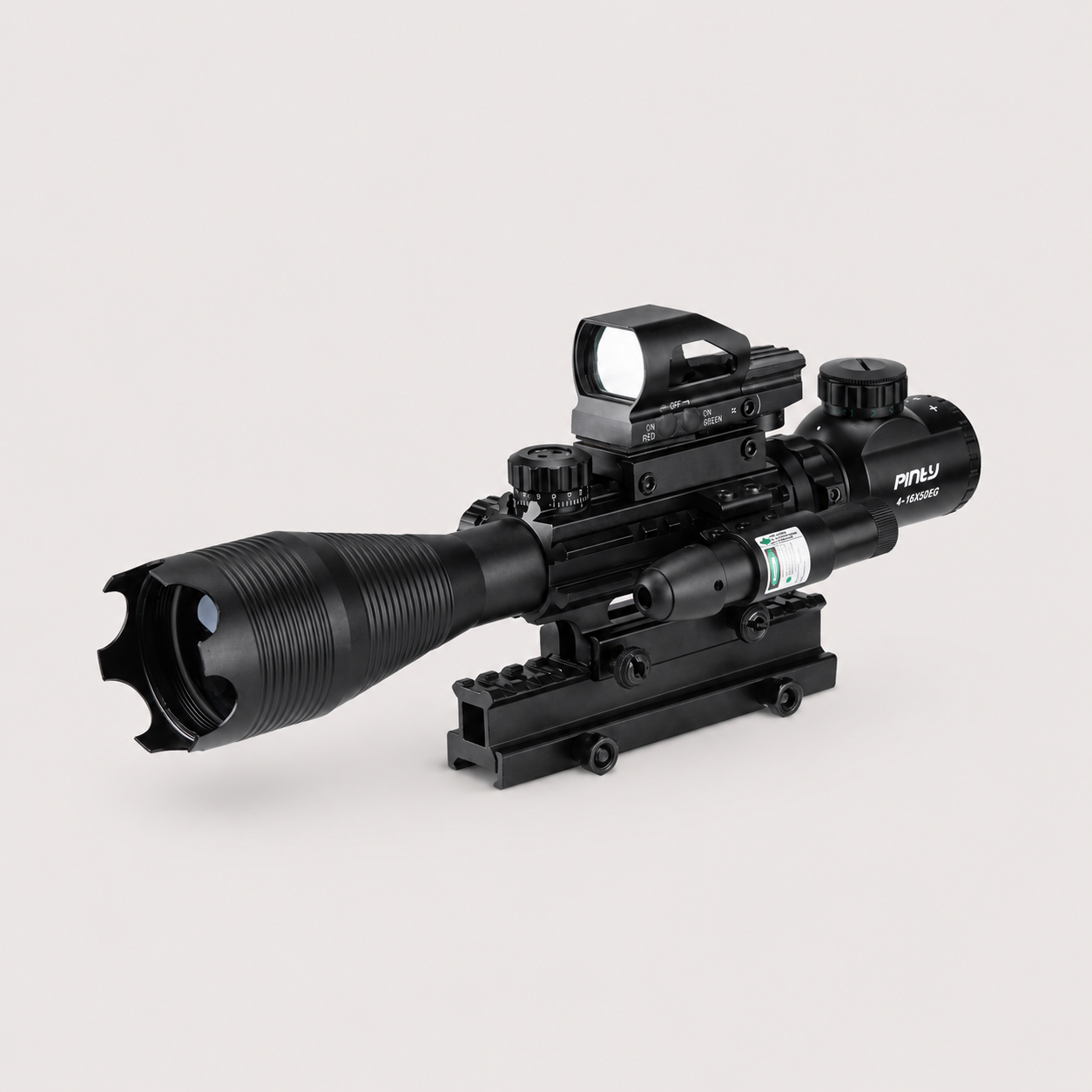
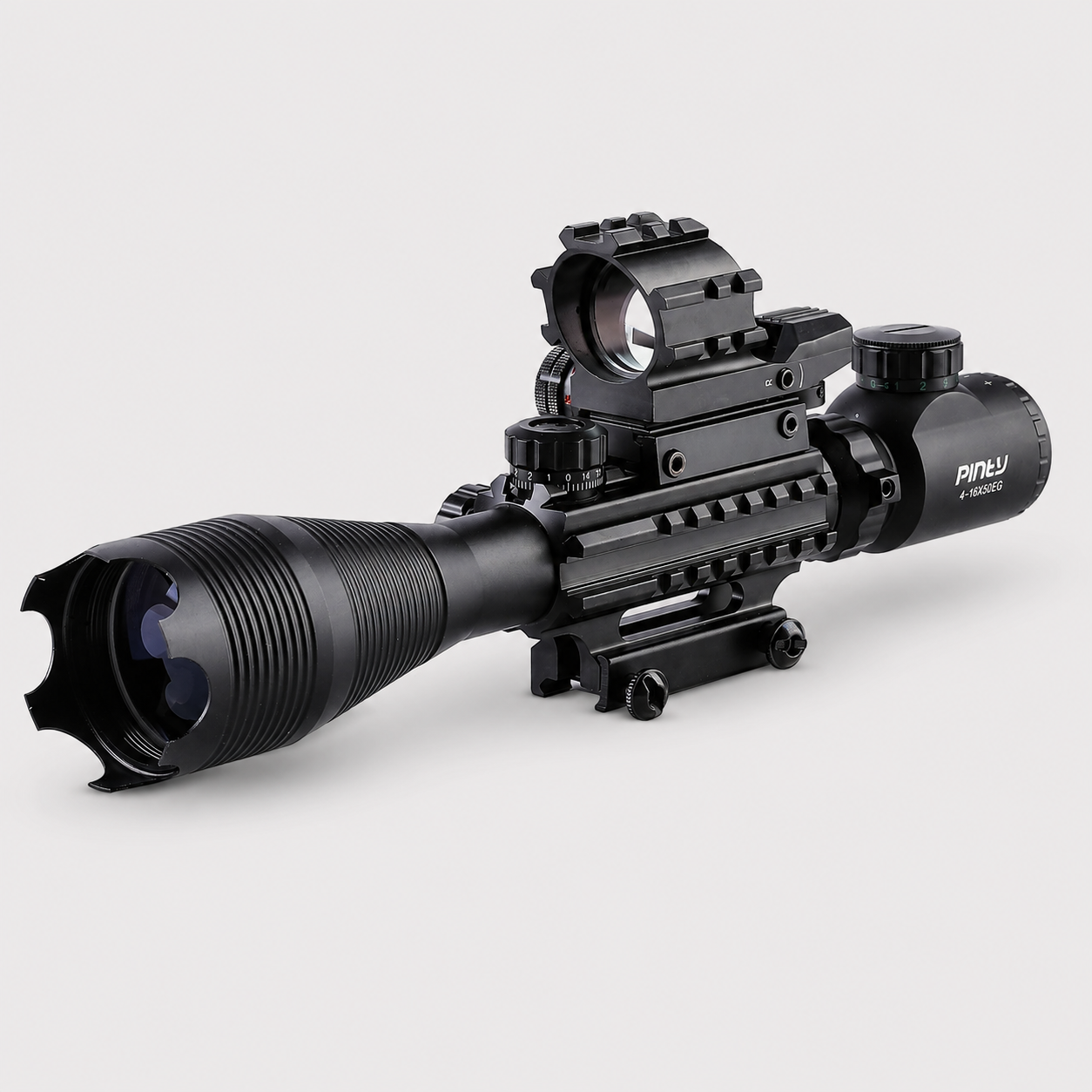
Pinty Rifle Scope Combo, 4-16*50mm Rangefinder Scope, Green Laser, Red Dot Sight, Boresighter
4-16x50 EG Riflescope Kit, Dot Laser, Reflex Sight, Green Laser, Offset Rail Mount
Pinty 3-in-1 Rifle Scope 4-12x50mmEG Rangefinder/Tactical Reticle Scope/Laser Sight & Red Dot Sight
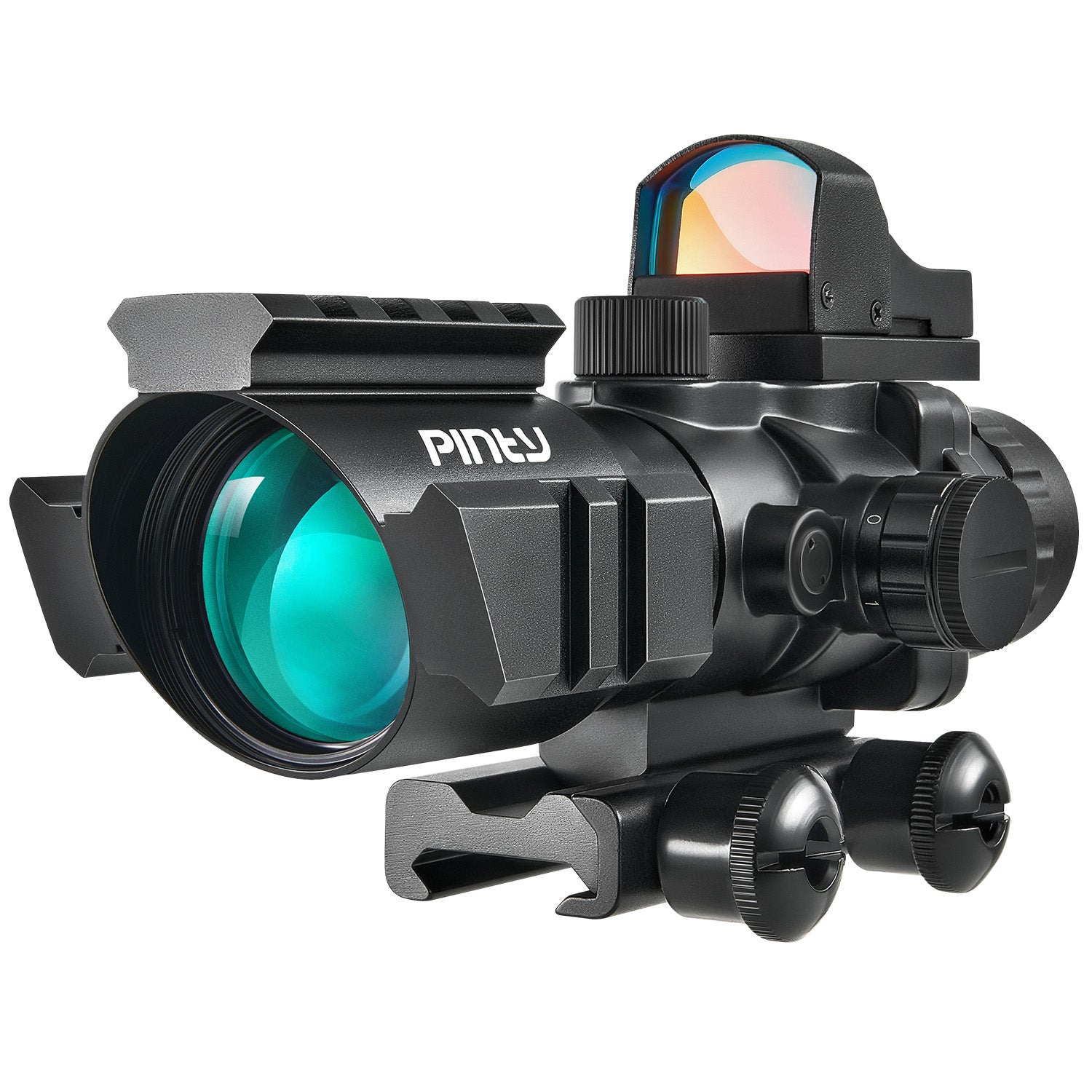
Pinty Scopes 4x32 Tactical Rifle Scope with 3MOA Red Dot Sight
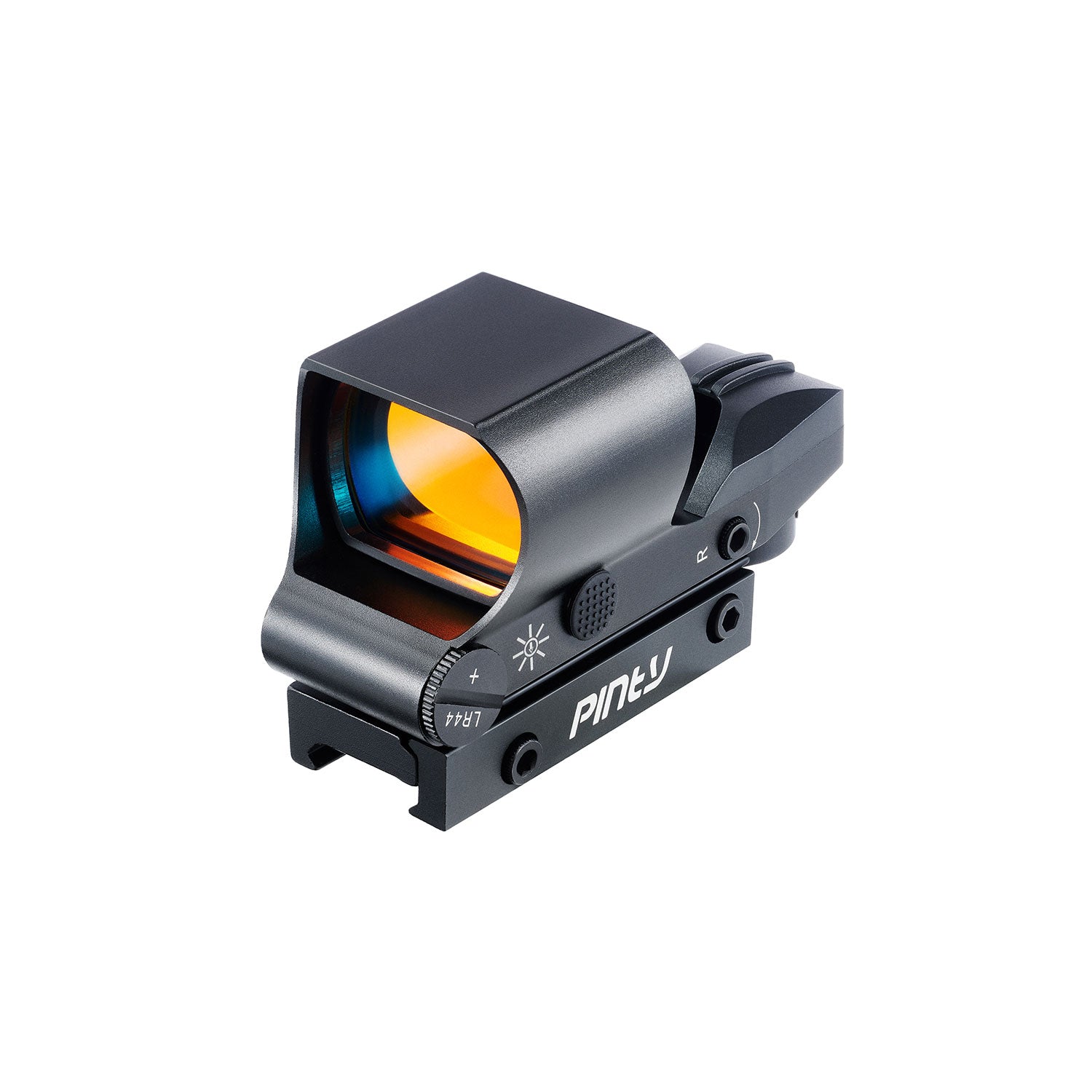
Pinty 3-in-1 Rifle Scope Combo, 4-12x50mm Rangefinder Scope, Red&Green Reflex Sight, Green Laser
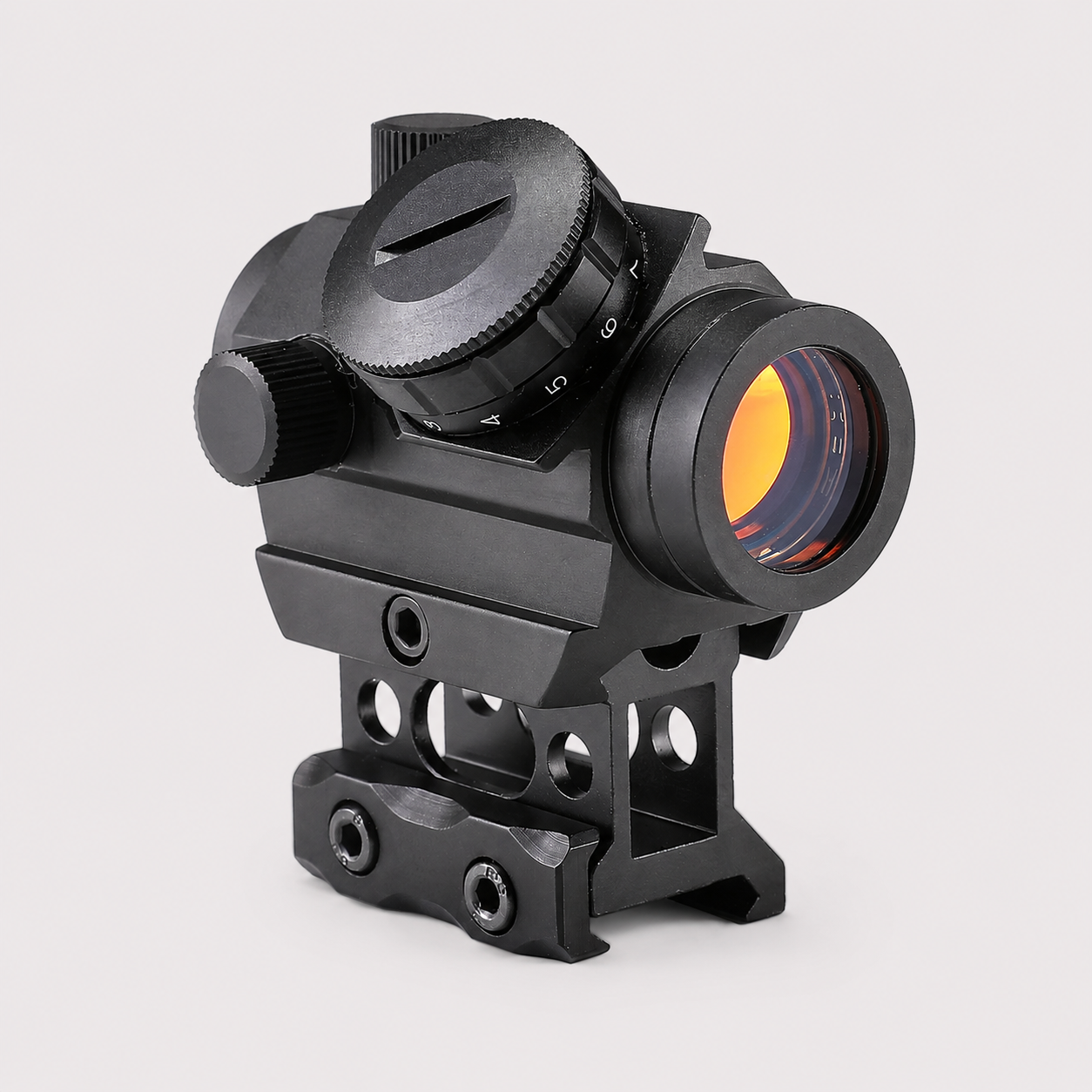
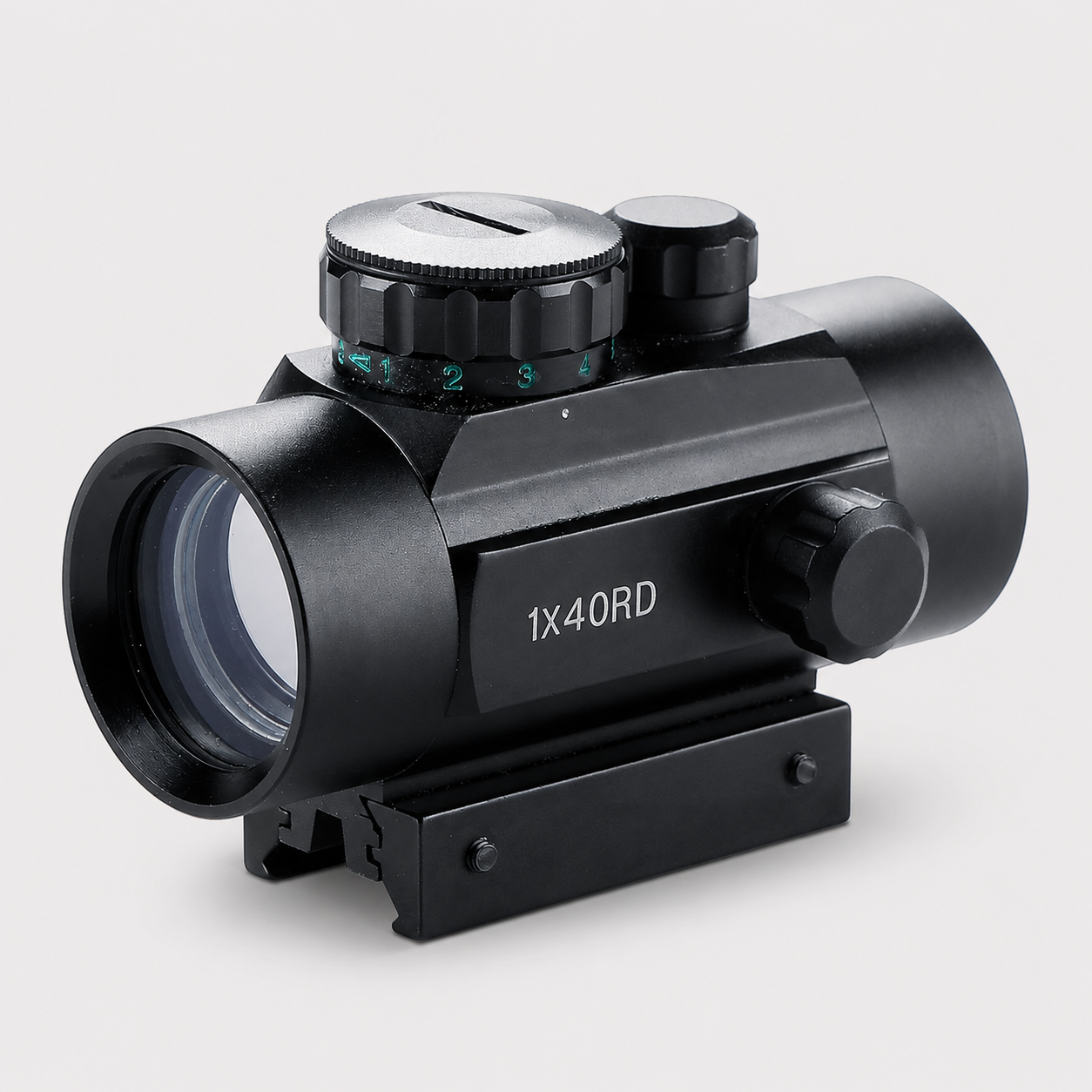
red-dot-scope-combo-scope-red-dot-combo-ar-15-scope-red-dot-combo-red-dot-scopes-airsoft-red-dot-sight-rifle-airsoft
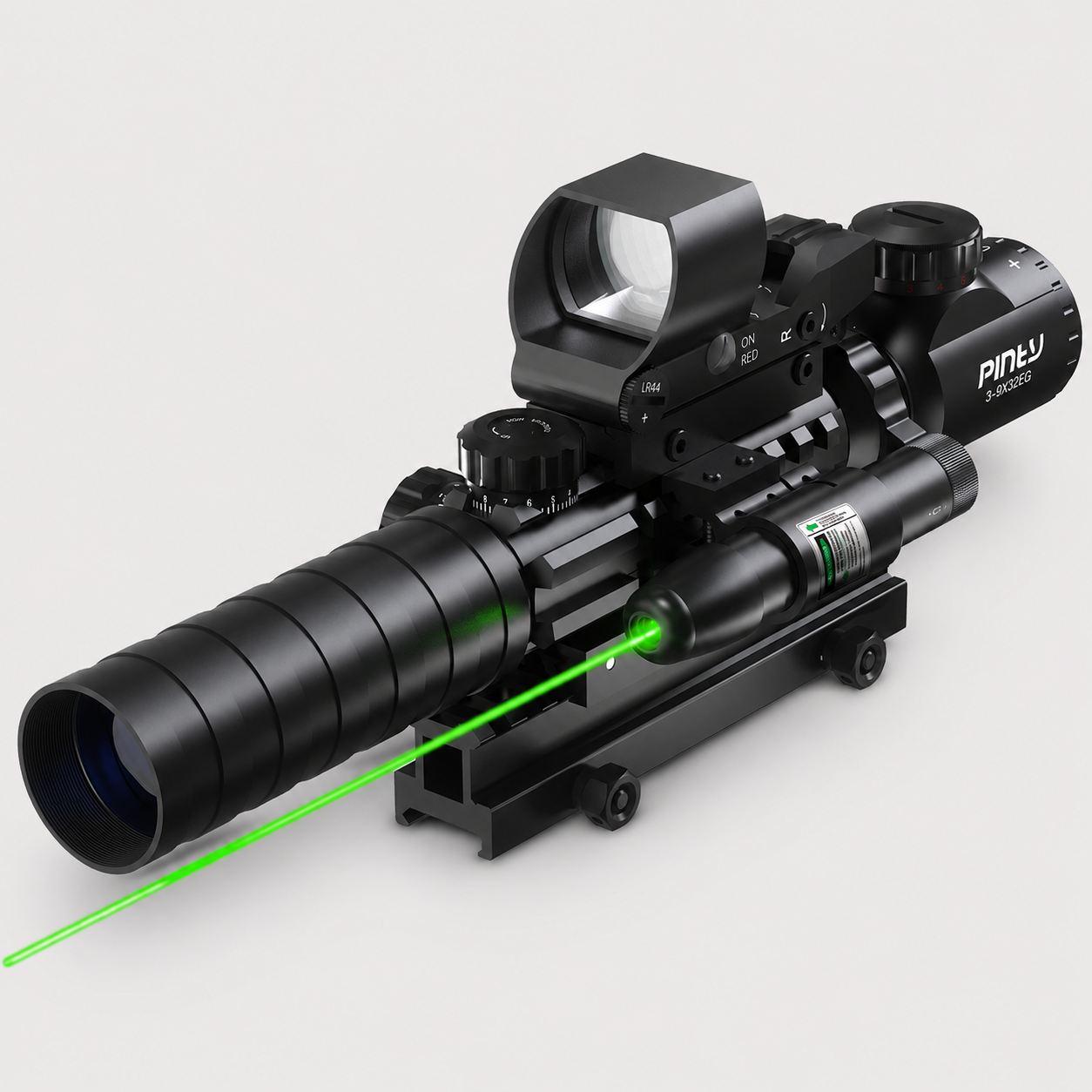
PINTY 4-in-1 3-9x32 Rifle Scope Combo
Sale price$119.99 Regular price$139.99
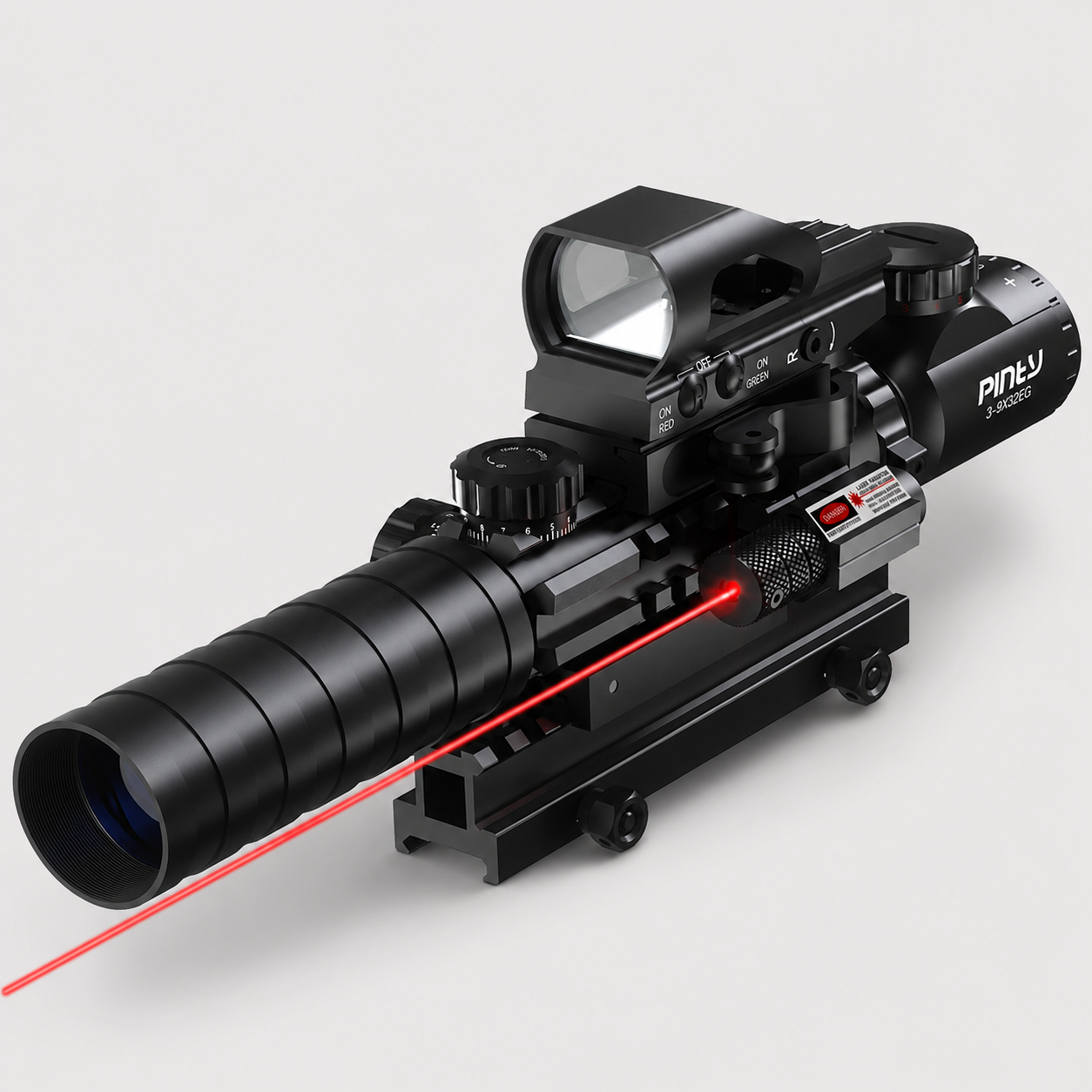
Pinty Scopes Rifle Scope Combo, 3-9*32mm Rangefinder Scope, Red&Green Dot Sight, Red Laser

Key Benefits of Rifle Scope Combo Sets

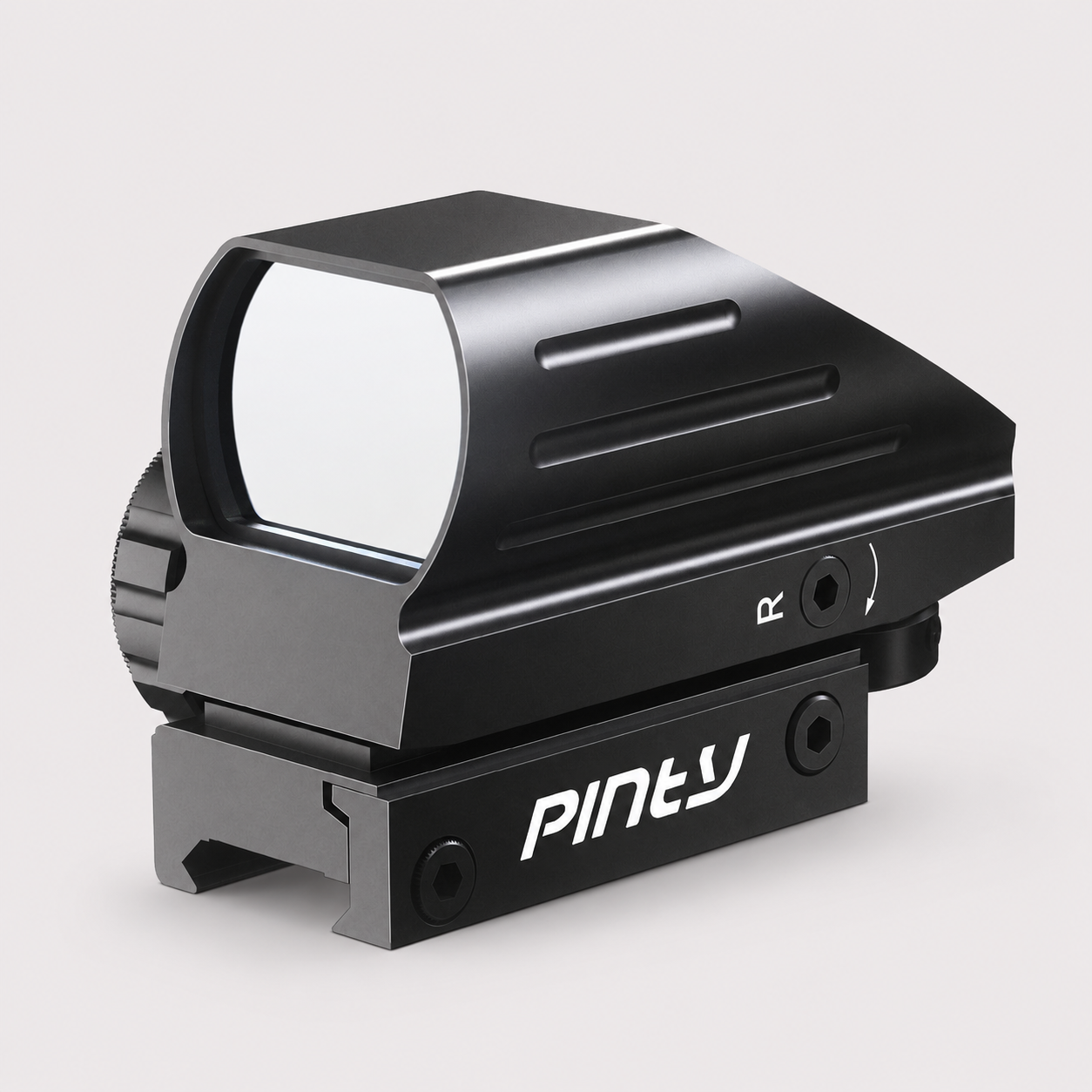
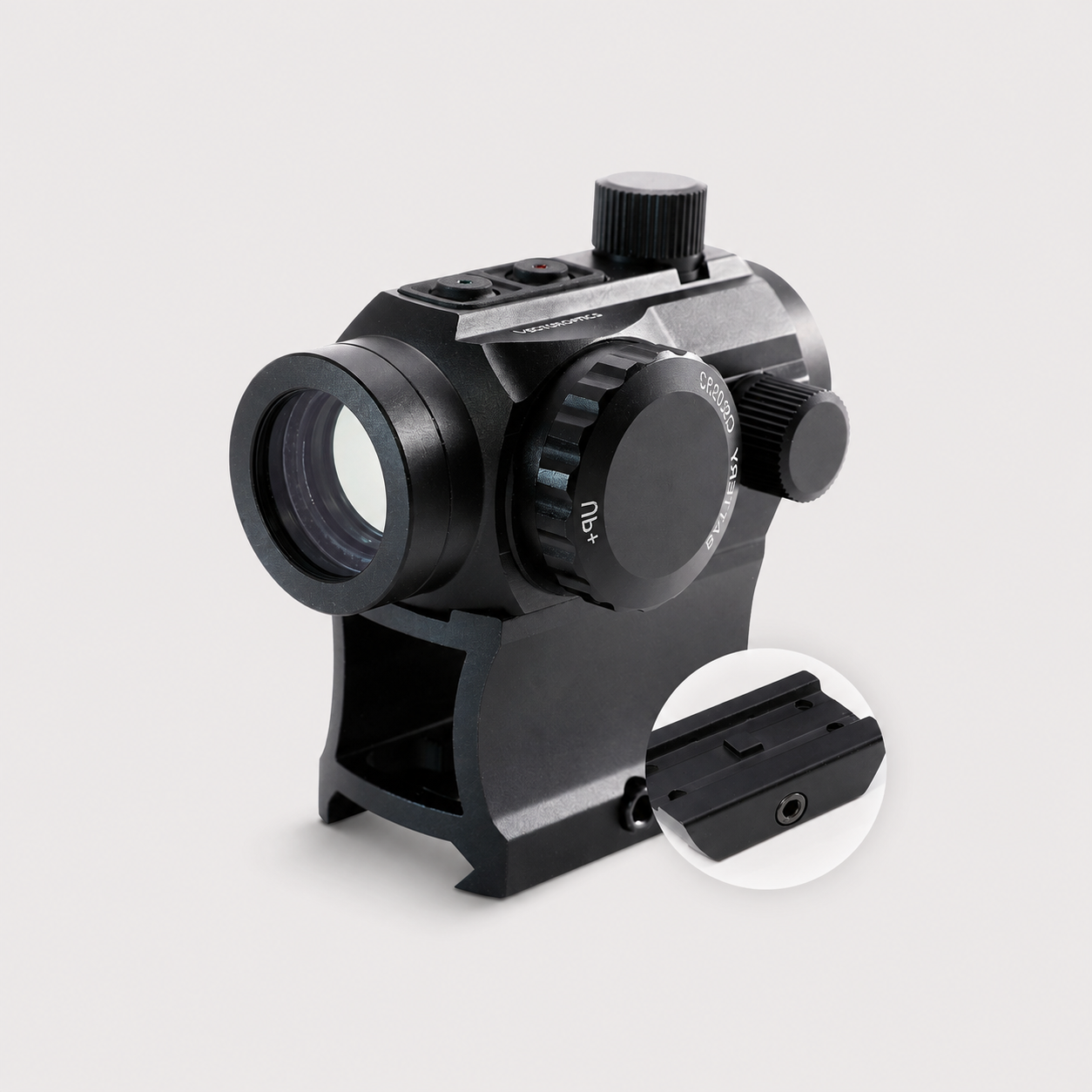
Pinty rifle scope combo sets are designed to give shooters more control with fewer upgrades. Each scope with red dot combines a magnified hunting scope with a red dot or reflex sight, and selected models add laser modules or riser mounts for flexible setups.

With options ranging from 3–9x32mm to 4–16x50mm, these rifle scope combos support both close-range and mid-range shooting. The red dot scope combo allows fast target acquisition, while the rangefinder scope improves precision. Durable aluminum construction keeps the setup lightweight but stable for repeated use.

Instead of buying s·eparate optics, one scope and red dot combo covers multiple shooting needs at a lower cost.

Who This Scope Combo Set Is For

This rifle scope combo is a good fit if you want to try new optics without over-investing in individual parts. It’s ideal for shooters who want to experiment with a tactical rifle scope and red dot setup in one purchase.

If you enjoy getting more functions for the price, these Pinty rifle scope combos offer strong value. Multi-in-one designs make it easy to switch between magnified shooting and quick aiming, especially when shopping during ongoing discounts.

Who It May Not Be For

This scope red dot combo may not be suitable if your rifle does not have a 20mm Picatinny or compatible mounting rail. Some firearms may also require additional adapters for proper installation.

Shooters looking for a single-purpose, competition-grade optic may prefer a dedicated setup rather than a multi-function rifle scope combo.

Typical Red Dot and Scope Combo Use Cases

For tactical shooting, a 3-in-1 or 4-in-1 red dot and scope combo allows fast transitions between targets. The red dot or reflex sight is useful at close range, while the magnified scope supports controlled shots.

For hunting, these hunting scope combos work well for small to medium game. Variable magnification and clear optics help adapt to changing distances, while laser modules can assist with quick alignment during setup or training.

Red Dot and Scope Combo Buying Considerations

Before choosing a scope and red dot combo, confirm that the mounting system matches your rifle with scope rails. Check whether you need a riser or offset mount for proper eye relief.

Think about how you shoot most often. A 3–9x rifle scope combo suits closer ranges, while 4–12x or 4–16x works better for longer distances. Consider whether you prefer a red dot only or a red and green dot option for different lighting conditions.

Price also matters. Combo kits are designed to reduce cost compared to buying each optic separately, making them a practical choice when balancing performance and budget.

FAQ

Yes. A scope with red dot allows you to switch between magnified aiming and fast target acquisition without changing equipment.

For short to mid-range use, 3–9x is usually enough. For longer distances, a 4–12x or 4–16x hunting scope provides more flexibility.

Most models are designed for standard 20mm Picatinny rails and include mounting accessories for straightforward setup.

If you want versatility at a lower price, a rifle scope combo offers better value. It’s a practical option for shooters upgrading or experimenting with new setups.

Common Scope and Red Dot Combo Setup Configurations

Piggyback (Top-Mounted)

In a piggyback configuration, a micro red dot sight is mounted directly on top of a magnified riflescope, usually on a 12 o’clock rail position. 

This setup allows the shooter to quickly transition between long-range precision and close-quarters speed without adjusting magnification. 

When engaging distant targets, the user relies on the primary scope as normal. For closer or fast-moving targets, they simply raise their head slightly to align with the red dot above. 

While this method maintains a consistent shooting position and keeps the rifle upright, it can require some practice to achieve a natural and comfortable head alignment, especially under stress or rapid transitions.

Offset (Side-Mounted)

An offset configuration places the red dot sight at a 30 to 45-degree angle on the side of the rifle, often using specialized mounts such as those from Vortex or similar accessory systems. Instead of lifting the head, the shooter simply “cants” or tilts the rifle slightly to bring the red dot into view. 

This setup is highly popular in tactical and competitive shooting because it allows extremely fast transitions between magnified optics and a 1x aiming solution. It also keeps the shooter’s head position more consistent compared to top-mounted setups. 

However, it does require training to develop muscle memory for the angled shooting position and to avoid confusion during rapid target changes.

Red Dot + Magnifier

This configuration pairs a non-magnified (1x) red dot sight with a flip-to-side magnifier, typically offering 3x, 4x, or even 5x magnification. In its default state, the shooter benefits from the speed, unlimited eye relief, and wide field of view of the red dot, making it ideal for close to mid-range engagements. 

When more precision is needed, the magnifier can be quickly swung into place behind the red dot without re-zeroing or changing the optic system. This setup is widely valued for its balance between flexibility and simplicity, although it can add weight and slightly increase the overall bulk of the rifle compared to more streamlined optic setups.

Common Scope Combo Set

The scope and iron sights combo pairs a magnified optic with traditional iron sights as a backup or co-witness system. This is one of the most reliable and time-tested hybrid configurations, offering redundancy in case the primary optic fails.

How It Works

Iron sights are either mounted in a fixed position or designed to “co-witness” through the scope or alongside it, depending on the rifle setup. The shooter primarily uses the scope for precision aiming, but can instantly switch to iron sights if the optic becomes damaged, fogged, or obstructed.


Scope and Iron Sights Combo Advantages

  • Built-in backup aiming system for reliability
  • No reliance on batteries or electronics for iron sights
  • Useful redundancy in harsh or unpredictable environments
  • Cost-effective way to increase shooting confidence

Scope and Iron Sights Combo Common Use Cases

This configuration is commonly found on AR-style rifles, patrol rifles, and hunting setups where durability and fail-safe operation are important considerations.

The scope and holographic sight combo combines a magnified riflescope with a holographic sight system to give shooters both long-range precision and extremely fast close-range target acquisition. Unlike simple red dots, holographic sights project a reticle that appears to stay fixed on the target plane, which can improve speed and clarity in dynamic shooting situations.

How It Works

In this setup, the riflescope is used for mid-to-long-range engagement, while the holographic sight is typically mounted either on an offset position or as a secondary optic. The shooter transitions between the two depending on distance—using the scope for precision shots and the holographic sight for rapid, close-quarters targets.

Scope and Holographic Sight Combo Advantages

  • Fast target acquisition at close range with the holographic sight
  • High precision at longer distances with the magnified scope
  • Clear reticle visibility even under movement or stress
  • Flexible dual-optic system for changing engagement distances


Scope and Holographic Sight Combo Common Use Cases

This combo is often used in tactical shooting, 3-gun competitions, and field scenarios where shooters may need to switch quickly between short- and long-range targets without adjusting magnification settings.

The muzzleloader scope combo is designed specifically for muzzleloading rifles, which are loaded from the barrel and often used in hunting seasons dedicated to traditional firearms. These scopes are engineered to handle the unique recoil and ballistic characteristics of black powder or modern substitute propellants.

How It Works

Muzzleloaders typically fire at lower velocities than modern rifles, which requires scopes calibrated for shorter effective ranges and more pronounced bullet drop. Many muzzleloader scopes feature specialized reticles or holdover markings to compensate for this trajectory.


Muzzleloader Scope Combo Advantages

  • Optimized for the ballistic performance of muzzleloaders
  • Enhanced accuracy for 100–200 yard hunting ranges
  • Reticles designed for bullet drop compensation
  • Built to withstand heavy recoil and black powder residue conditions


Muzzleloader Scope Combo Common Use Cases

This combo is commonly used during dedicated muzzleloader hunting seasons, especially for deer and elk hunting, where traditional firearms are required or preferred.

The 870 rifled barrel scope combo is designed for the Remington 870 shotgun platform equipped with a rifled barrel, which is commonly used for firing slugs in hunting scenarios. Adding a scope to this setup transforms a traditional shotgun into a more precise short-to-mid-range hunting tool.

How It Works

A rifled barrel stabilizes slug projectiles through spin, improving accuracy compared to smoothbore barrels. When paired with a dedicated shotgun scope, the shooter gains a clearer sight picture and better target precision at extended slug distances.


870 Rifled Barrel Scope Combo Advantages

  • Improved accuracy when shooting slugs at medium ranges
  • Better target identification compared to bead sights
  • Optimized for deer hunting and similar game applications
  • Durable optics designed to handle shotgun recoil


870 Rifled Barrel Scope Combo Common Use Cases

This combo is widely used in deer hunting regions where rifles are restricted, making slug-shotgun setups a practical alternative for big game hunting.

A scope and rangefinder combo integrates a traditional riflescope with a built-in or paired laser rangefinding system, allowing shooters to measure distance and aim more accurately without switching devices. This setup is especially useful for hunting and long-range shooting, where estimating distance incorrectly can significantly affect shot placement.

How It Works

The rangefinder component uses laser technology to calculate the exact distance to a target. This data is then displayed inside the scope or on an external readout, depending on the model. Some advanced systems even allow ballistic calculations, helping the shooter adjust for bullet drop and windage automatically or semi-automatically.


Scope and Rangefinder Combo Advantages

  • Faster target engagement by eliminating manual range estimation
  • Improved long-range accuracy with real-time distance data
  • Reduced need for multiple devices in the field
  • Ideal for hunting in open terrain or mountainous environments


Scope and Rangefinder Combo Common Use Cases

This combo is widely used in hunting, precision shooting, and tactical applications where quick decision-making and distance accuracy are critical.

A scope and laser combo pairs a riflescope with a laser aiming or illumination system, typically mounted directly on the firearm or integrated into the optic housing. Unlike rangefinders, this laser is primarily used for fast target acquisition or low-light aiming assistance.

How It Works

The laser projects a visible dot (red or green) onto the target, allowing the shooter to aim without aligning the full scope picture in close-range situations. Some setups include adjustable windage and elevation for precise alignment with the point of impact.


Scope and Laser Combo Advantages

  • Extremely fast target acquisition at close to mid-range distances
  • Useful for shooting from unconventional positions where scope alignment is difficult
  • Enhances performance in low-light or dynamic environments
  • Can serve as a backup aiming system if the primary optic is obstructed


Scope and Laser Combo Common Use Cases

This configuration is popular in tactical shooting, home defense setups, and training scenarios where speed and responsiveness are more important than magnified precision.

A night vision and thermal combo scope combines two advanced imaging technologies into a single optic system, allowing users to detect and identify targets in complete darkness, low light, or through environmental obstructions like fog, smoke, or dense vegetation.

How It Works

Night vision technology amplifies available light (such as moonlight or infrared illumination), while thermal imaging detects heat signatures emitted by living beings or warm objects. In a combo scope, users can switch between modes or overlay both images depending on the system design.


Night Vision and Thermal Combo Scope Advantages

  • Full functionality in total darkness without external light sources
  • Thermal detection works through fog, brush, and light cover
  • Enhanced target identification and tracking capability
  • Multi-mode flexibility for different environmental conditions


Night Vision and Thermal Combo Scope Common Use Cases

This type of optic is commonly used in nighttime hunting, wildlife observation, search-and-rescue operations, and specialized tactical missions where visibility conditions are extremely limited.