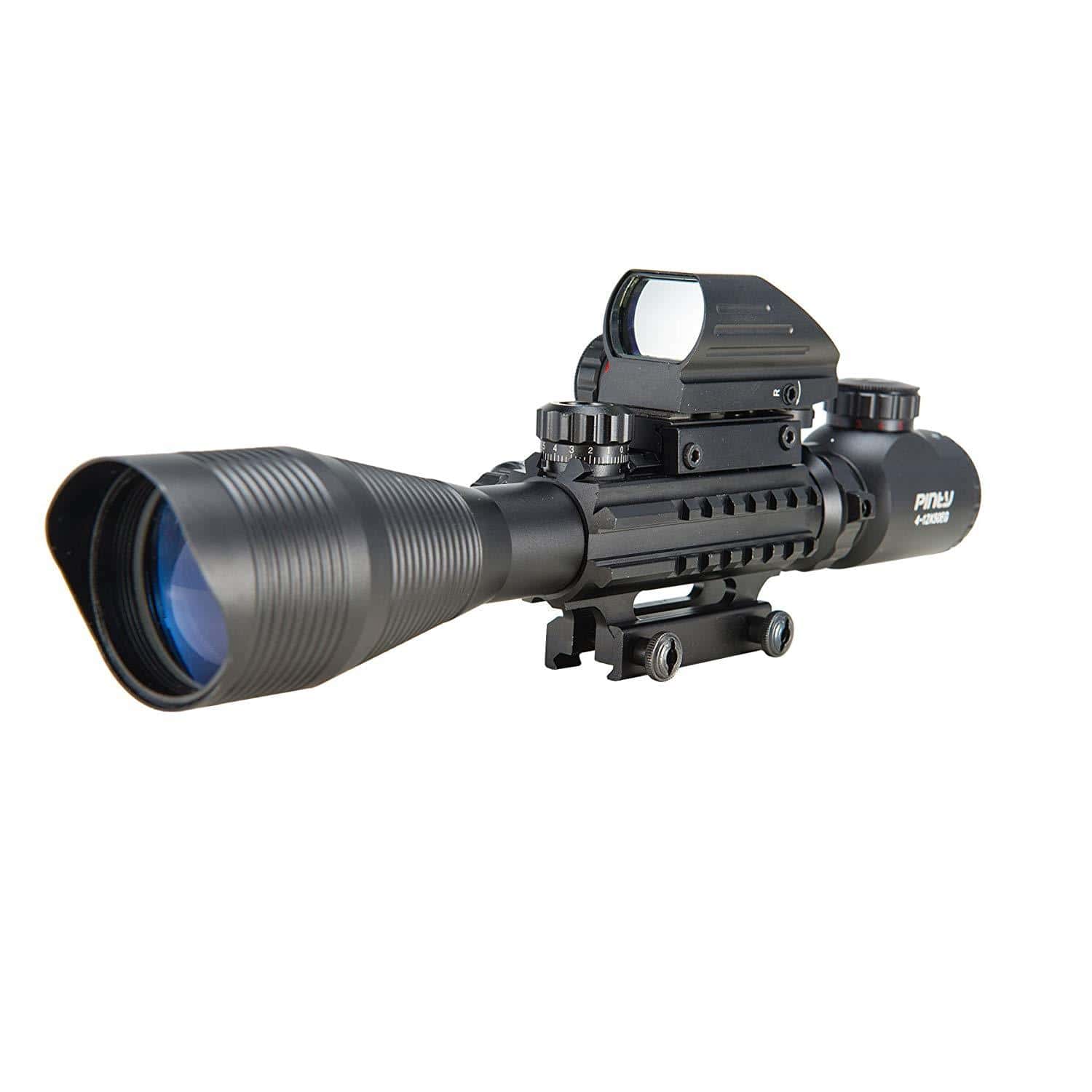
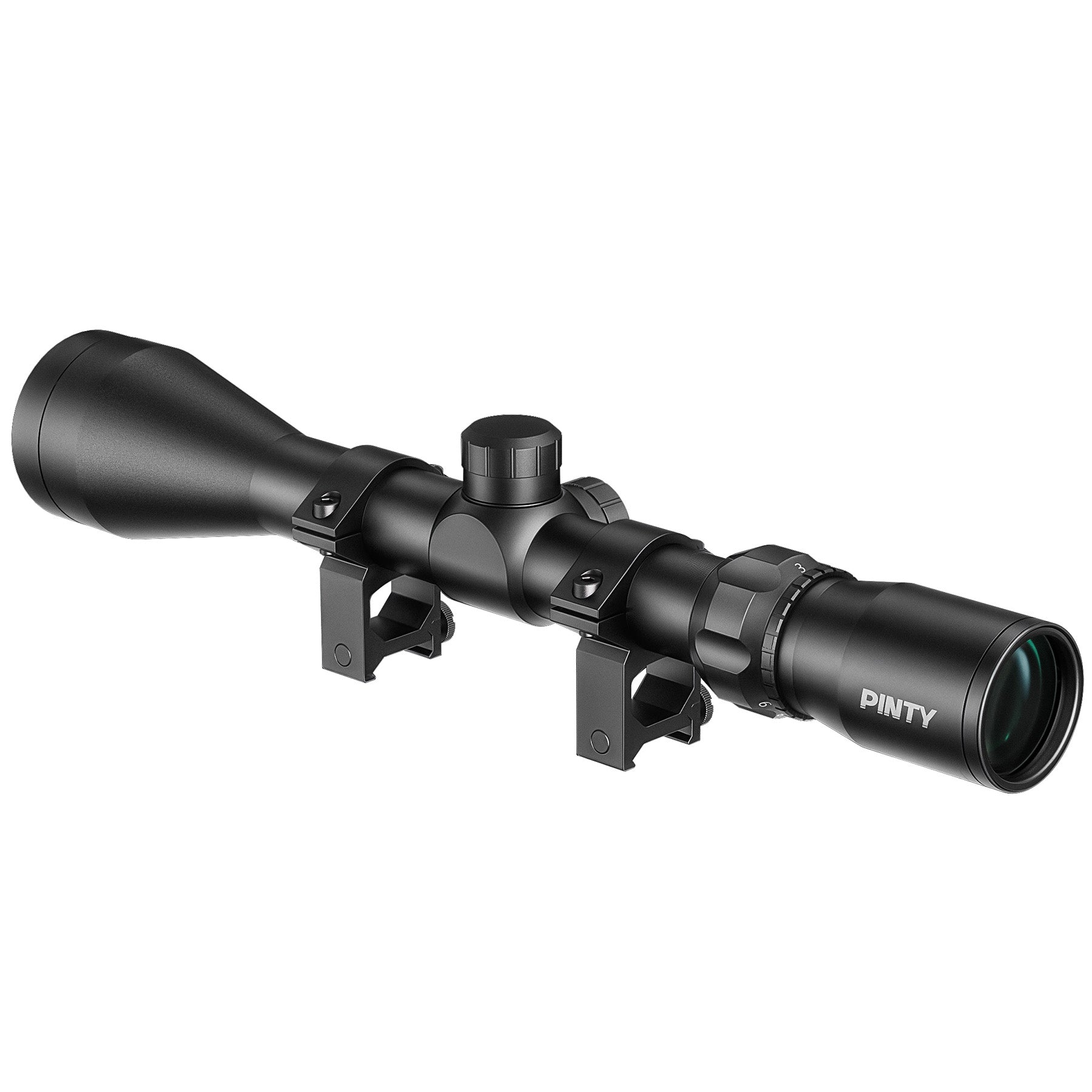
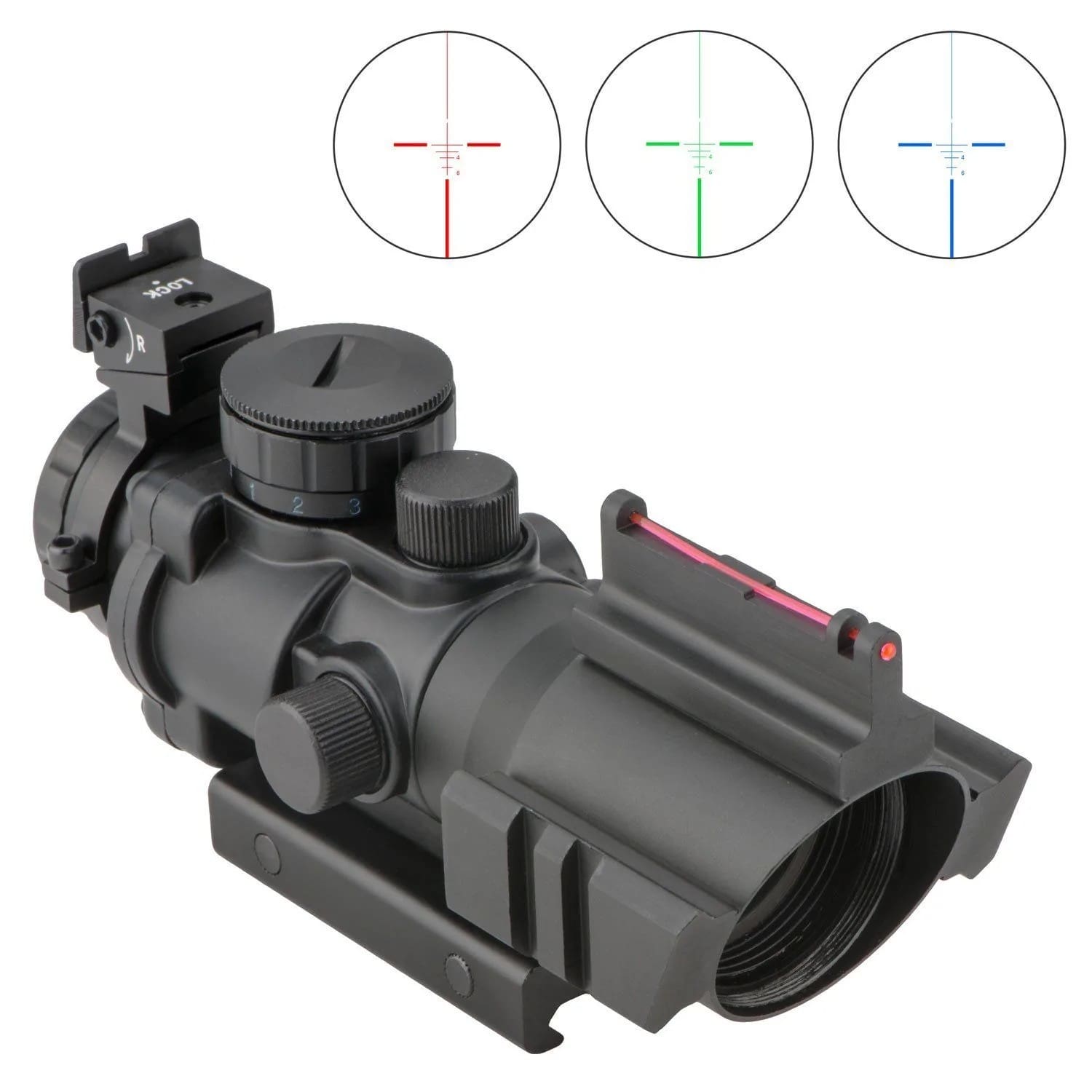
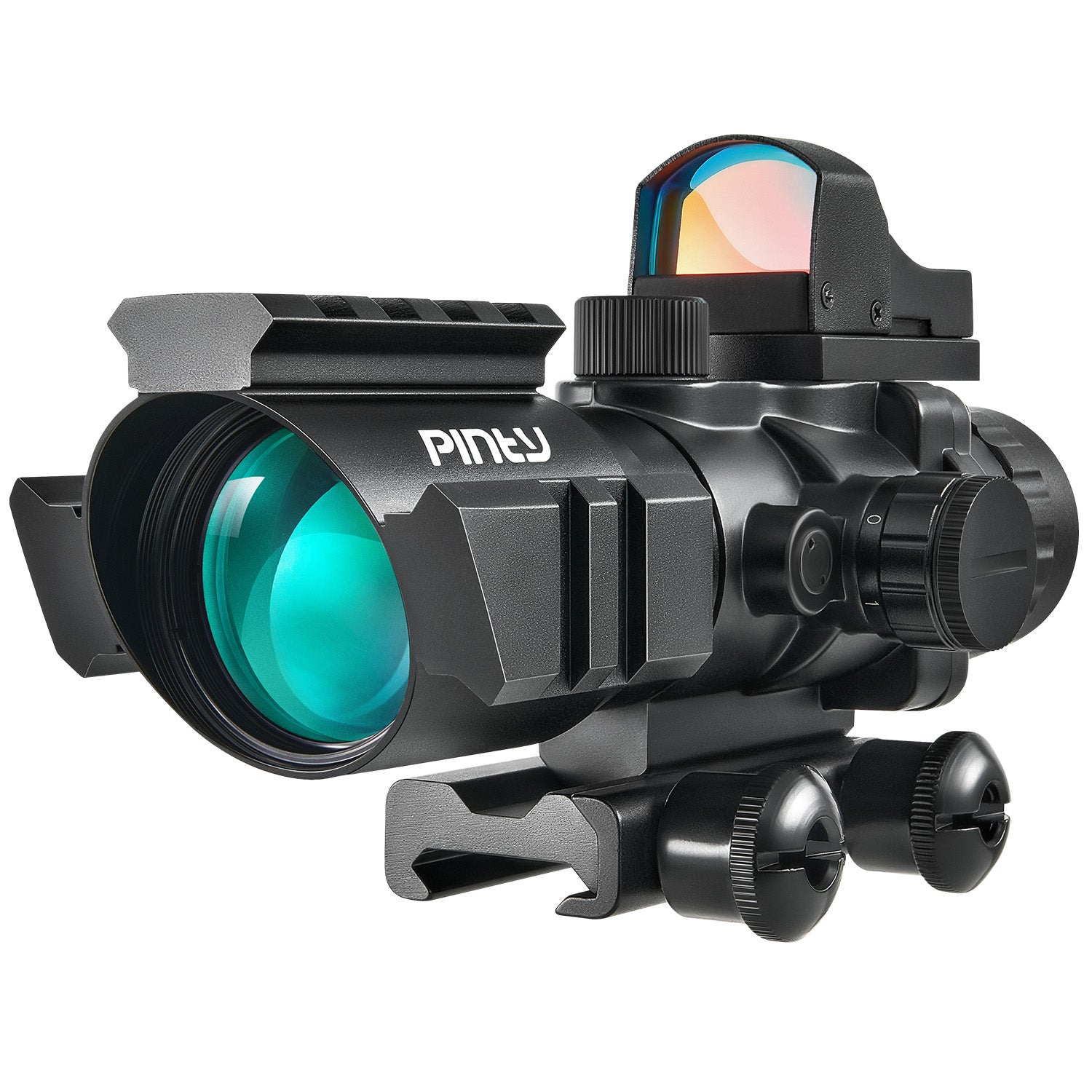
Different Types of Rifle Scopes
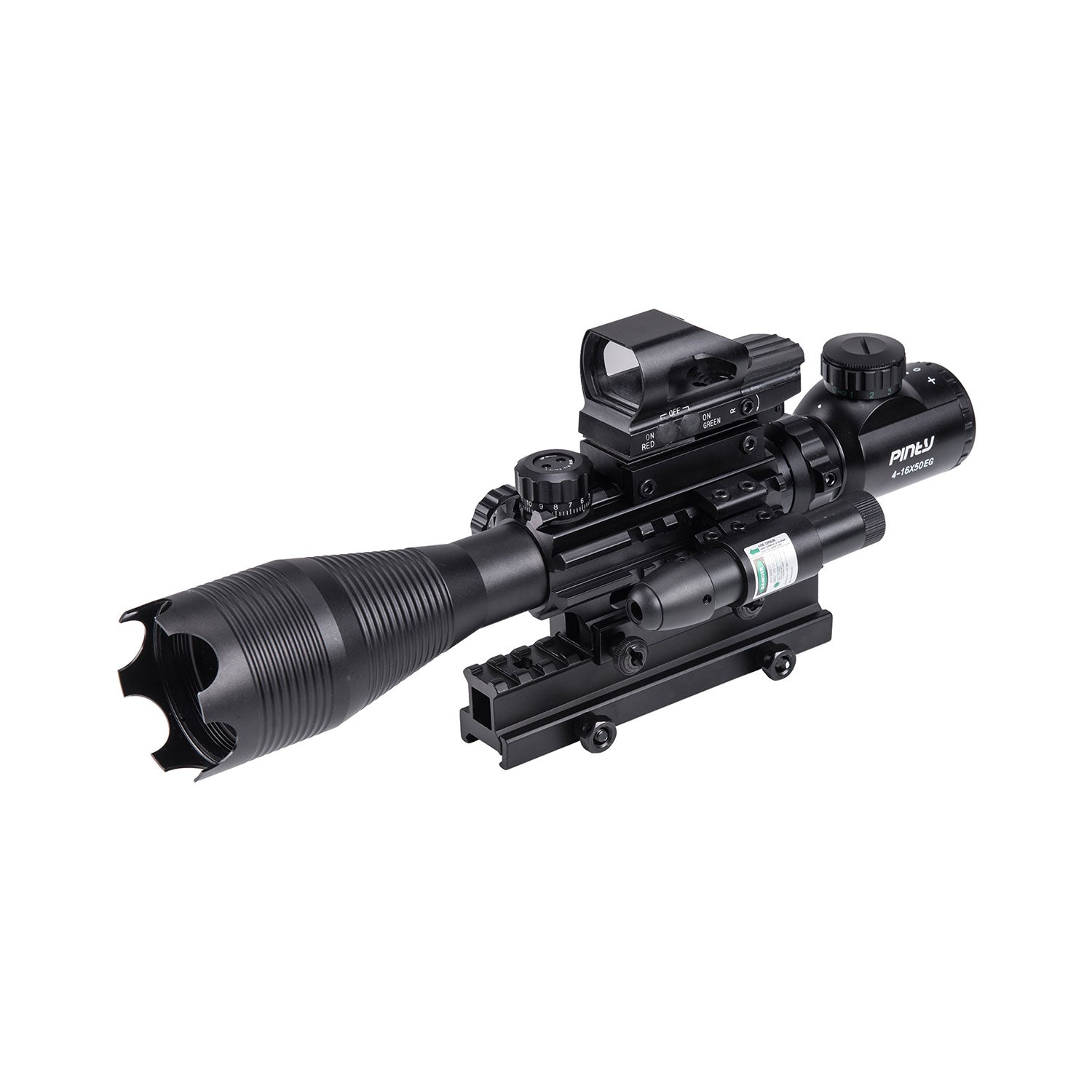
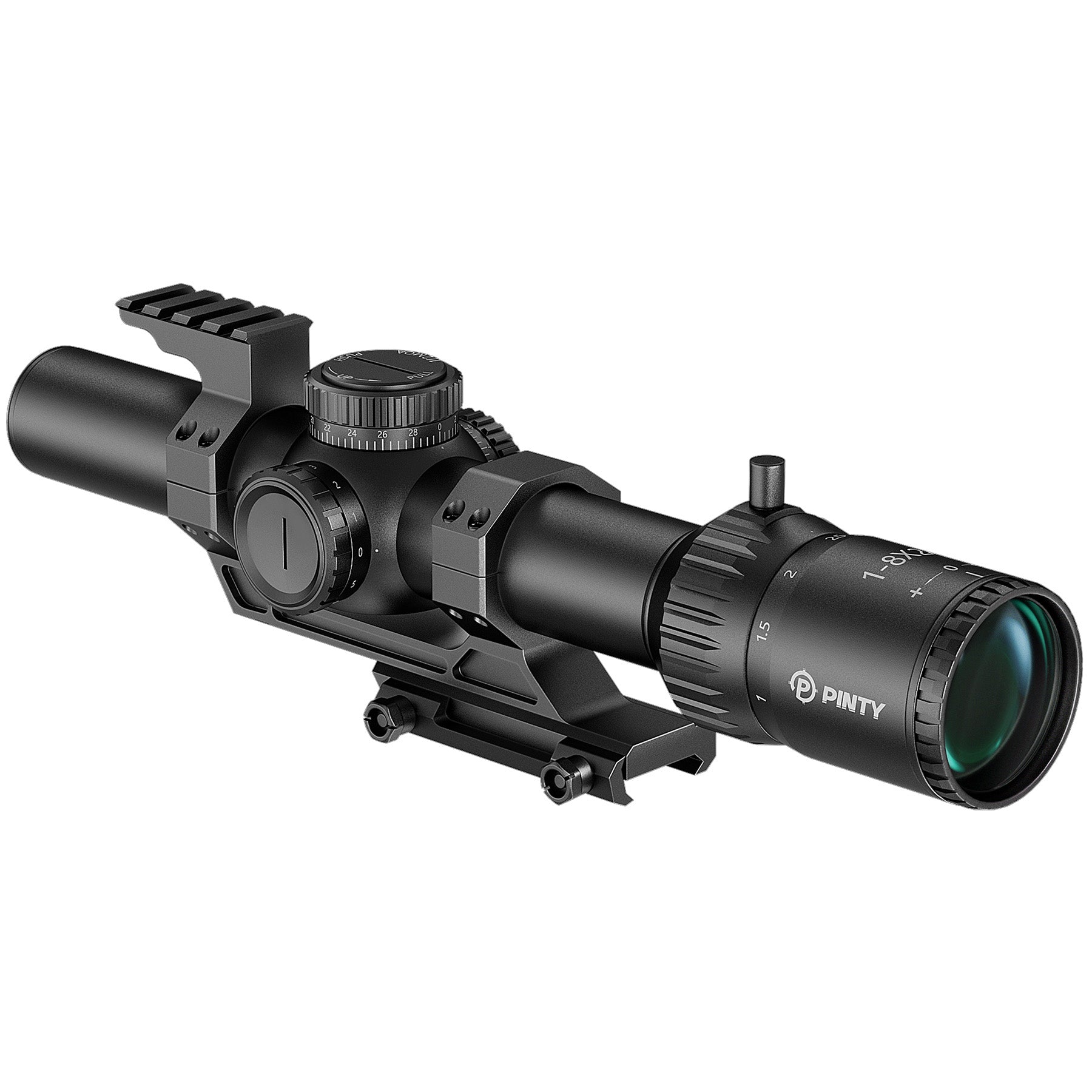
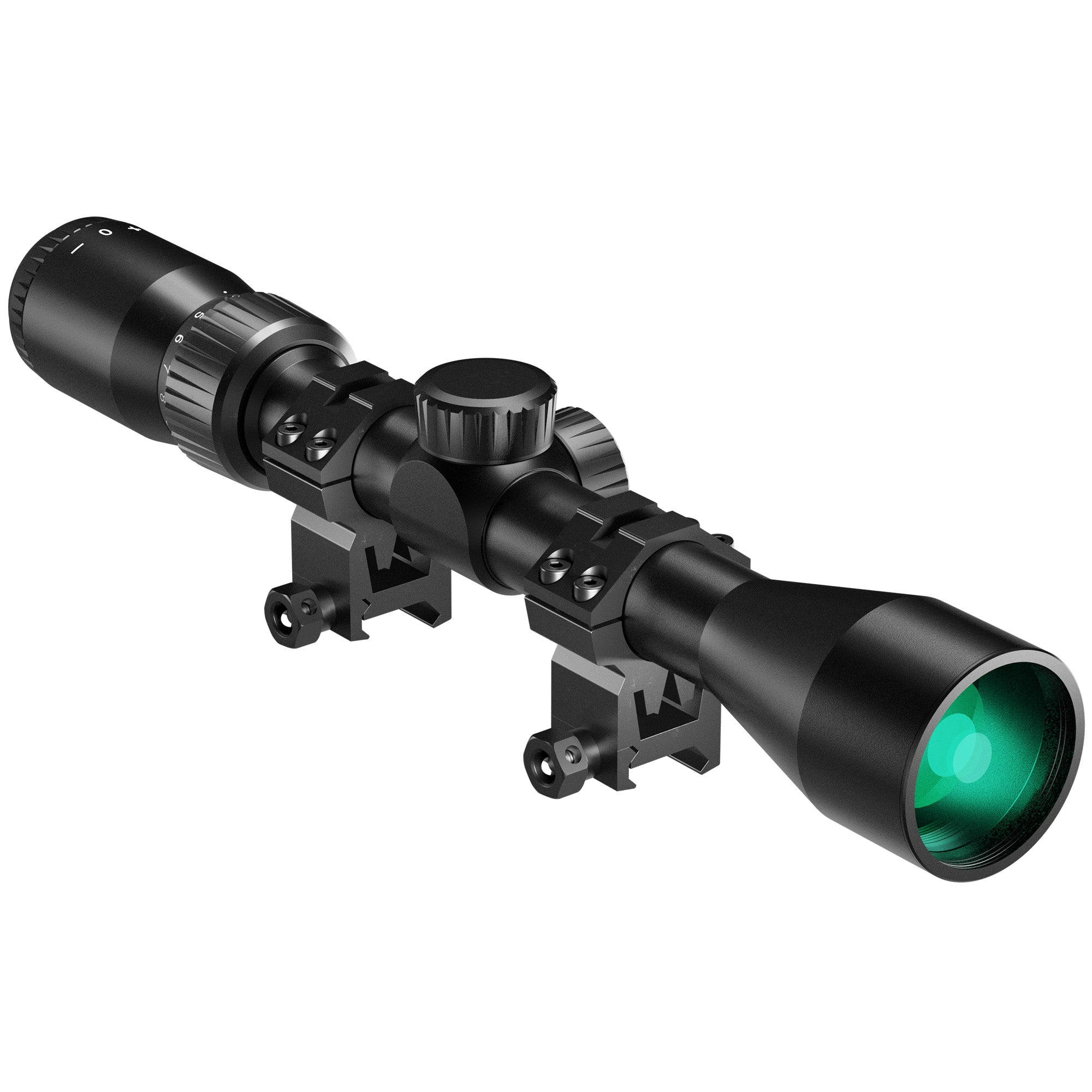
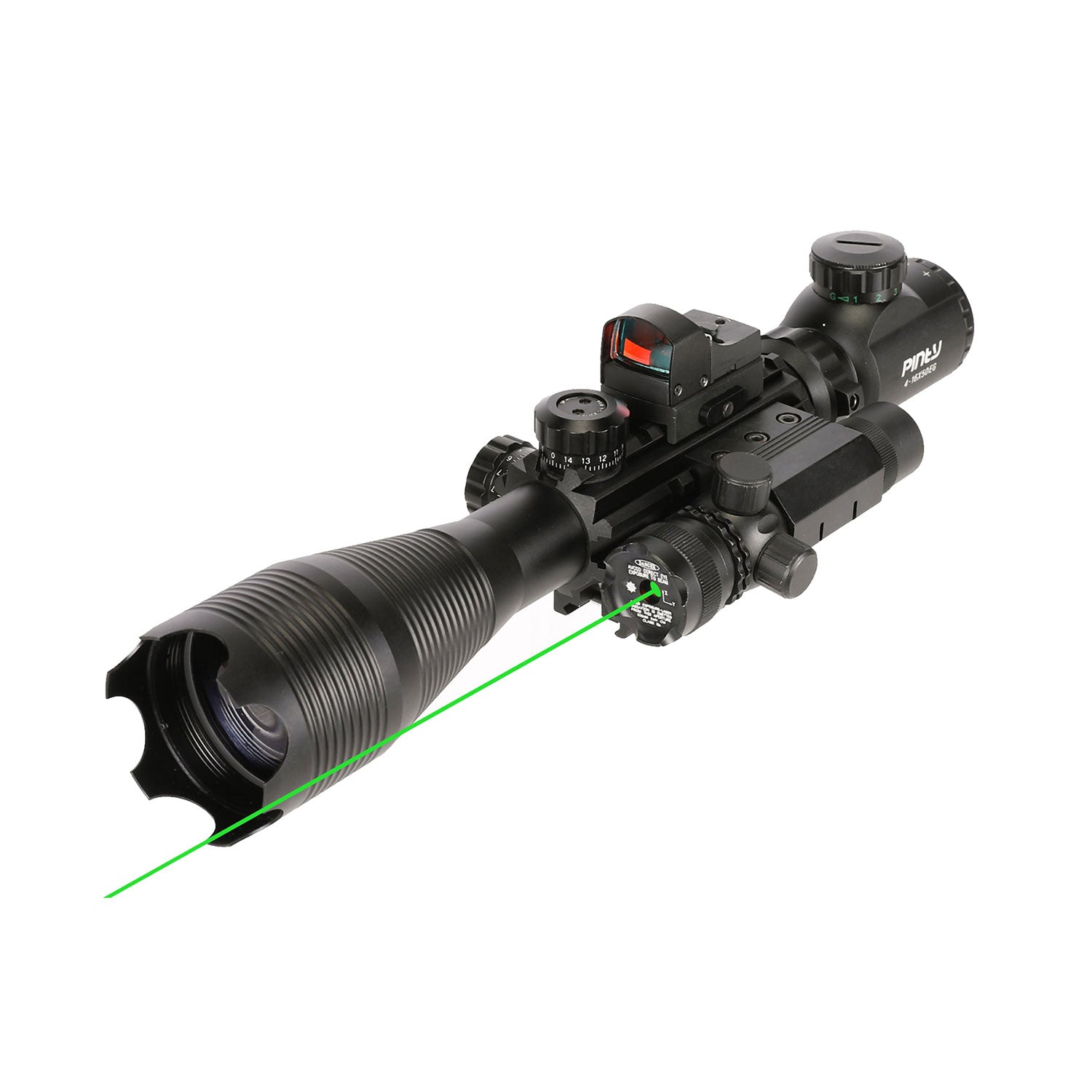
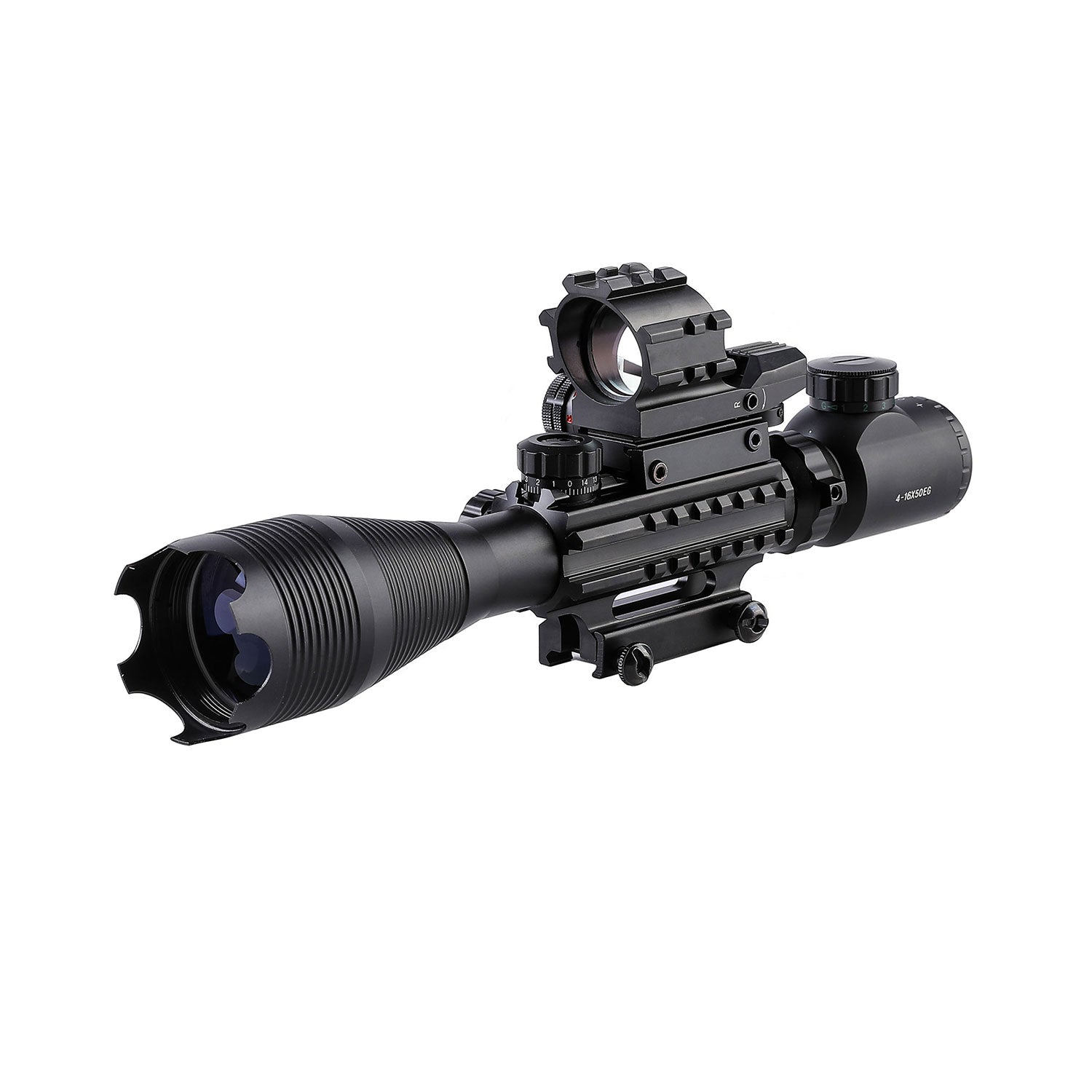
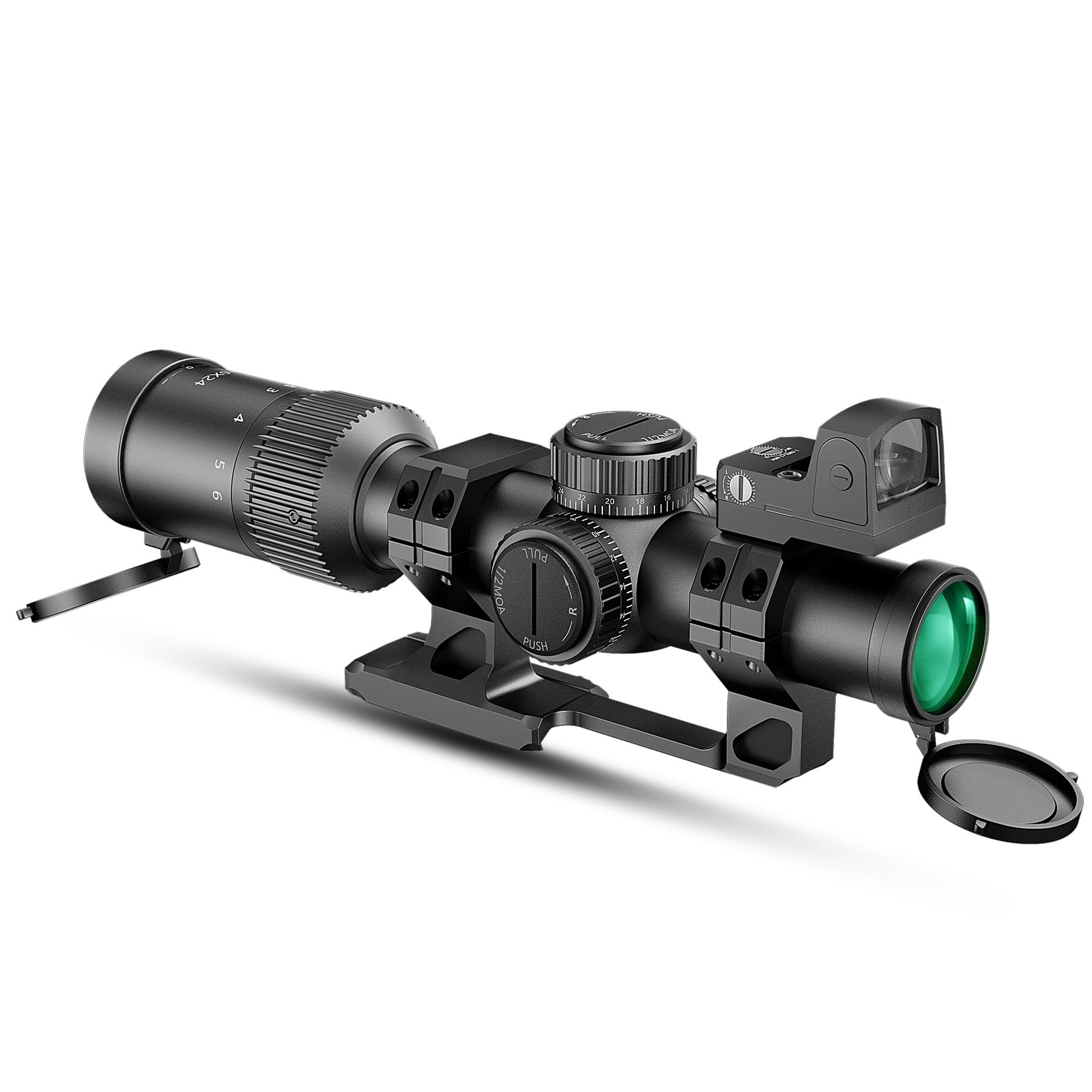
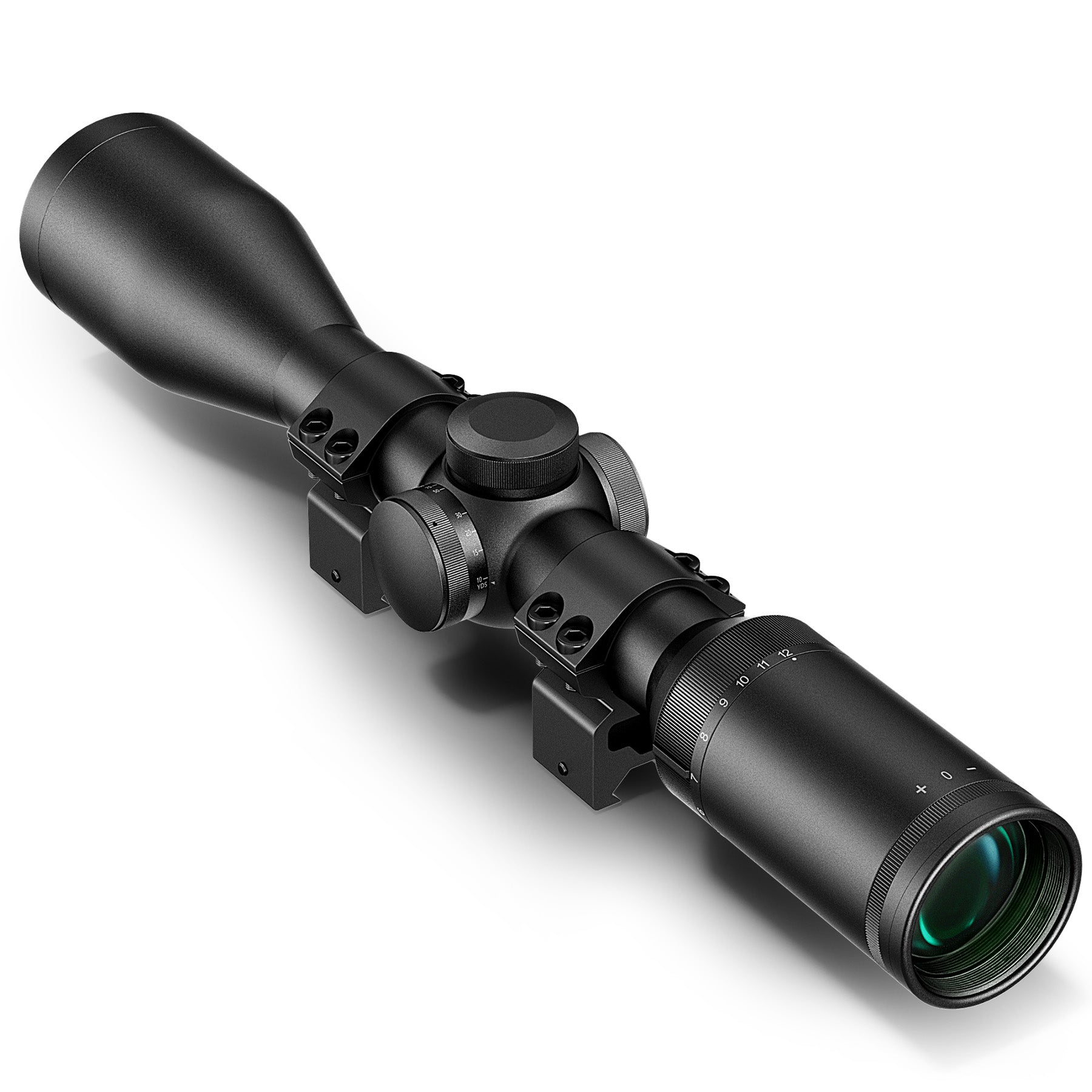
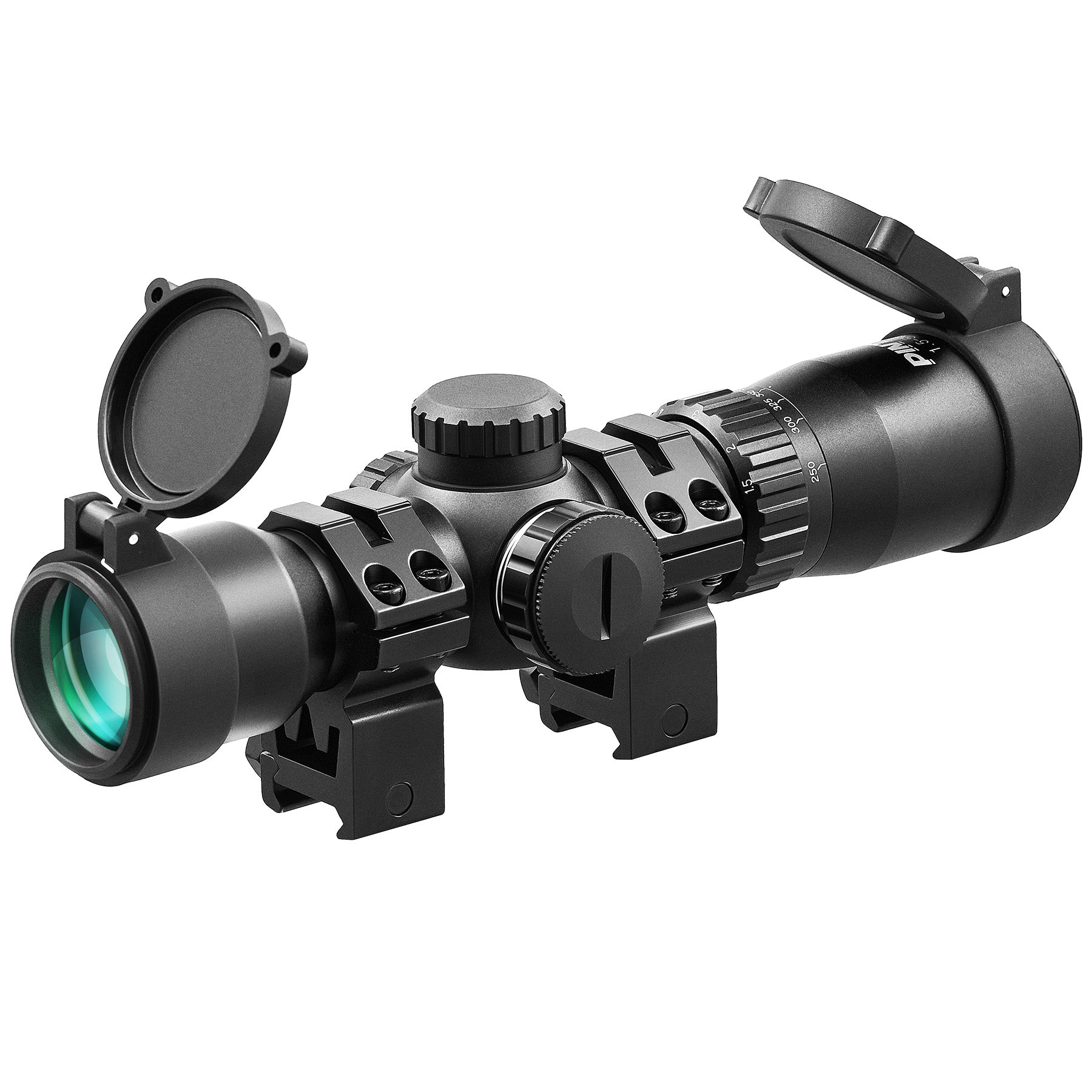
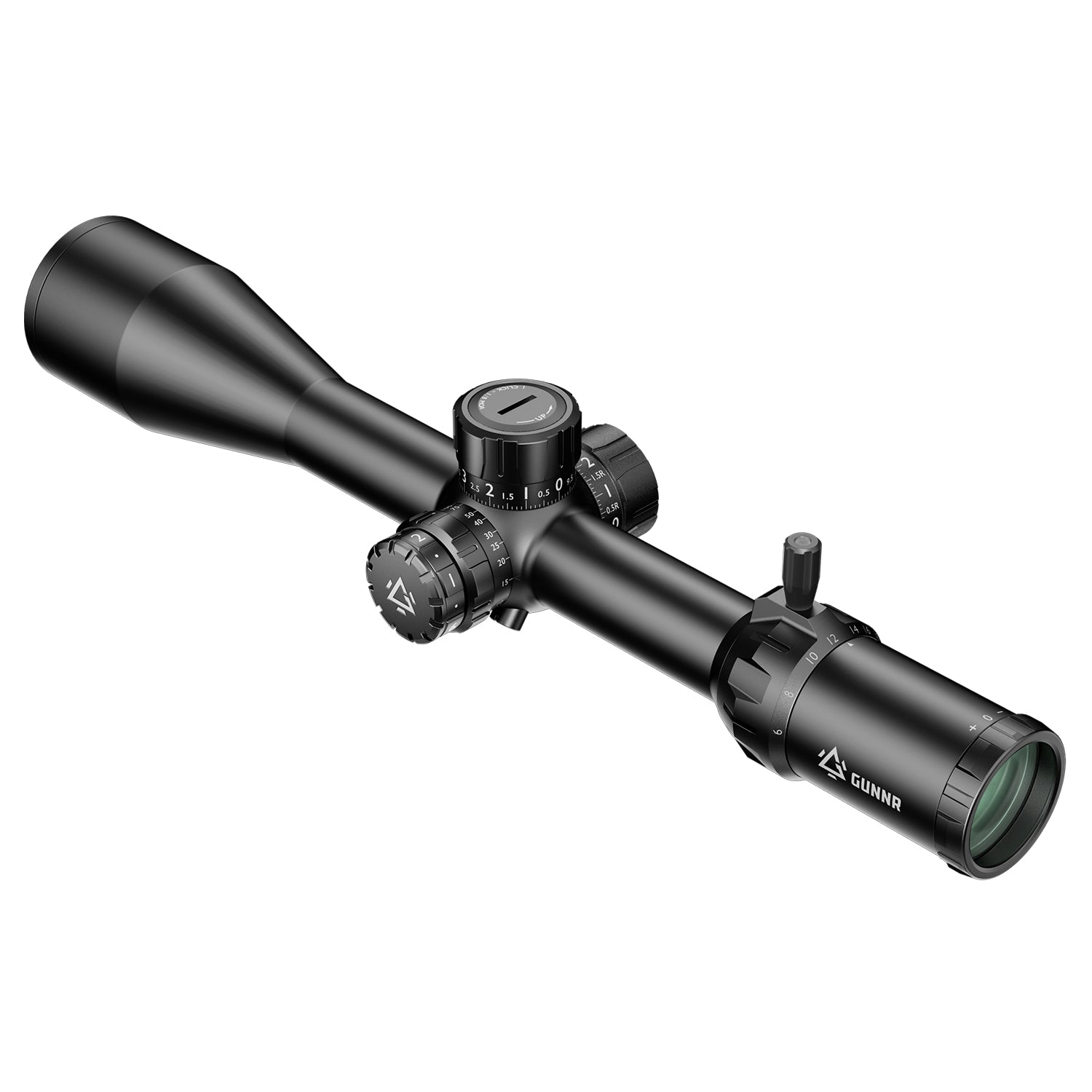
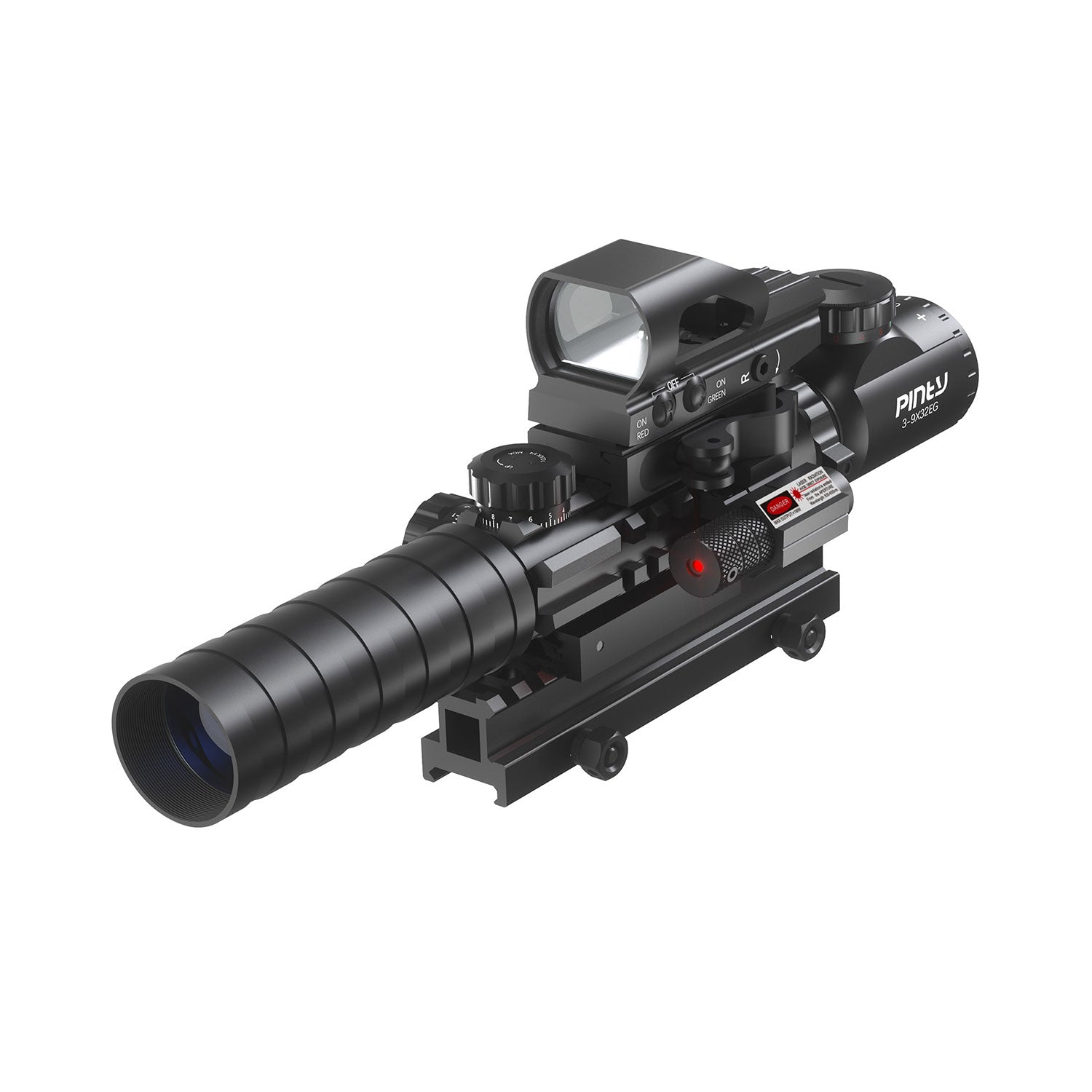
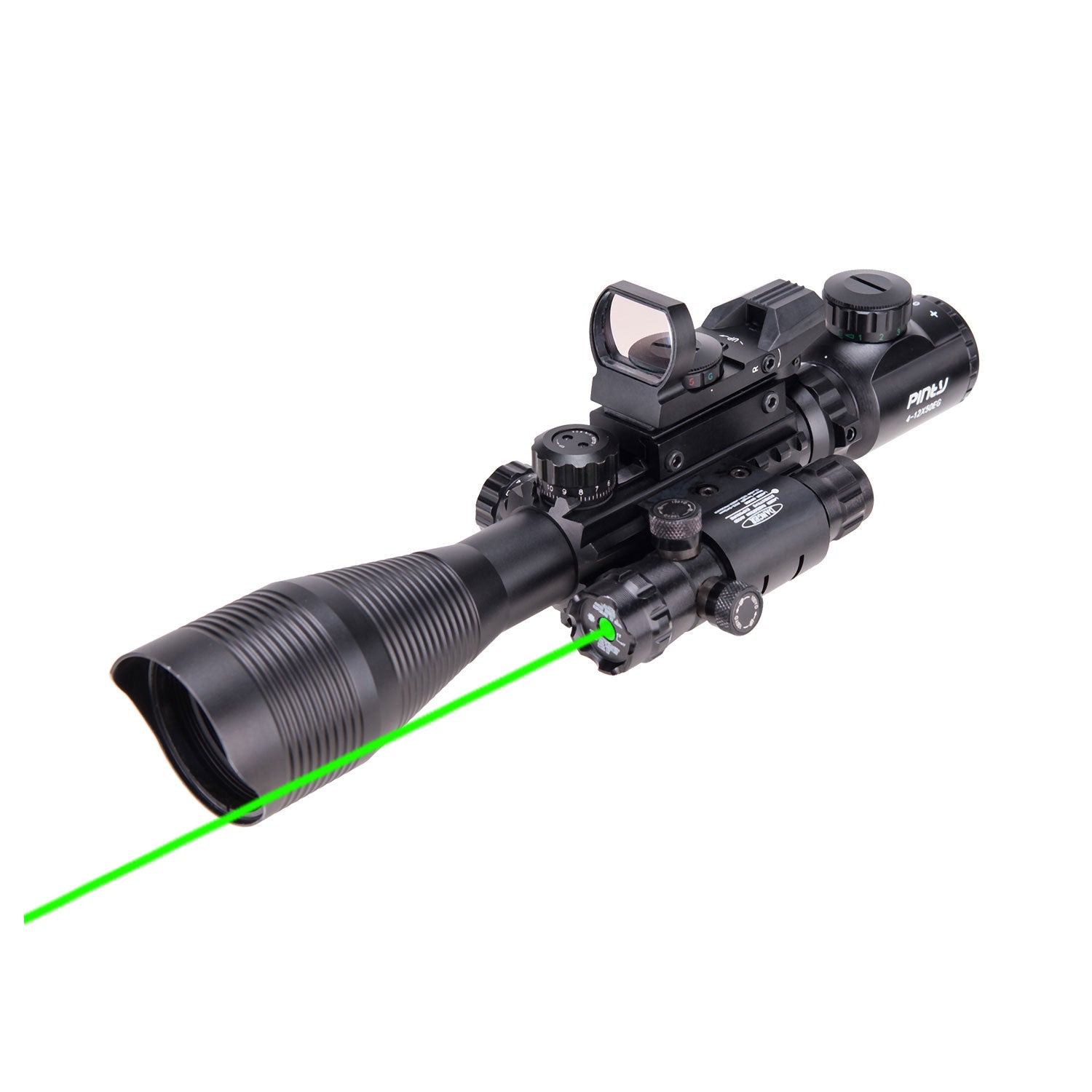
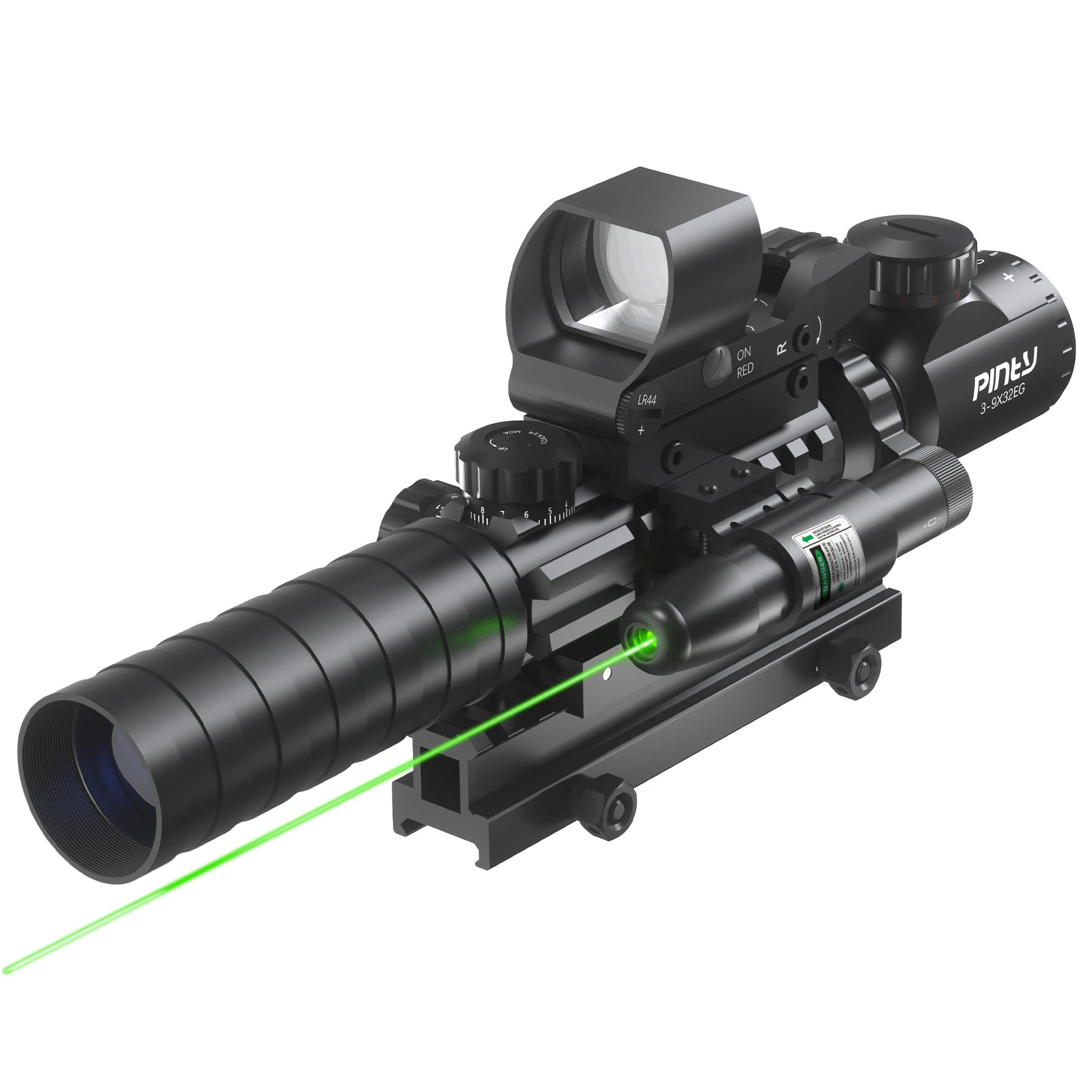
Rifle scopes can be broadly categorized based on technology, firearm type, and features, each serving different shooting needs.
By technology, options like night vision, thermal, digital, and illuminated reticle scopes enhance visibility and accuracy in low-light or specialized conditions.
By firearm type, scopes are designed for specific platforms such as air rifles, .22 rimfire rifles, pellet guns, and AR-style rifles, ensuring compatibility with recoil levels and shooting distances.
By features, scopes vary in design and functionality, including fixed vs. variable magnification, first focal plane (FFP), side focus, lightweight builds, and red dot systems, all of which influence performance and user experience.
Rifle Scopes by Technology
Modern rifle scopes come with a wide range of technologies designed to improve visibility, accuracy, and performance in different environments. Understanding these types can help you choose the right scope for your needs.
Night Vision Rifle Scopes
Night vision rifle scopes amplify available light (such as moonlight or starlight) to allow visibility in low-light or nighttime conditions. They are popular for hunting and tactical use, especially when natural light is limited. Many options are available, including entry-level models and night vision rifle scopes for sale at various price points.
Thermal Rifle Scopes
Thermal rifle scopes detect heat signatures rather than light, making them highly effective in complete darkness, fog, or dense vegetation. Options range from premium models to more affordable choices like thermal rifle scopes under $1000. These are widely used for night hunting, including thermal rifle scopes for night hunting, and are sometimes referred to as rifle thermal scopes.
Infrared (IR) Rifle Scopes
Infrared rifle scopes use IR illuminators to project light that is invisible to the human eye but detectable by the scope. They are often paired with night vision technology to enhance clarity in total darkness.
Digital Rifle Scopes
Digital scopes use electronic sensors and displays instead of traditional optics. They can offer features like video recording, zoom adjustment, and image enhancement, making them versatile for both day and night use.
Smart Rifle Scopes
Smart scopes integrate advanced technology such as ballistic calculators, Wi-Fi connectivity, GPS tracking, and real-time data overlays. These scopes are designed for precision shooting and tech-savvy users seeking enhanced performance.
Illuminated Reticle Scopes
These scopes feature a reticle (crosshair) that lights up, improving visibility in low-light conditions. Variants include rifle scopes with illuminated reticle and best illuminated rifle scopes, which are especially useful during dawn or dusk hunting.
Rangefinding Rifle Scopes
Rangefinding scopes include built-in laser rangefinders or ballistic systems that help measure the distance to a target. These are often listed as rangefinding rifle scopes or rifle scopes with range finder, and they are ideal for long-range shooting accuracy.
Red Dot / Dot Reticle Scopes
These scopes use a simple illuminated dot instead of traditional crosshairs, allowing for faster target acquisition. Commonly referred to as rifle scopes with dot reticle, they are widely used in close- to mid-range shooting scenarios.
Rifle Scopes by Type of Gun
Choosing the right rifle scope often depends on the type of firearm you’re using. Different calibers and rifle platforms require specific scope features, such as recoil resistance, magnification range, and reticle design.
Air Rifle Scopes
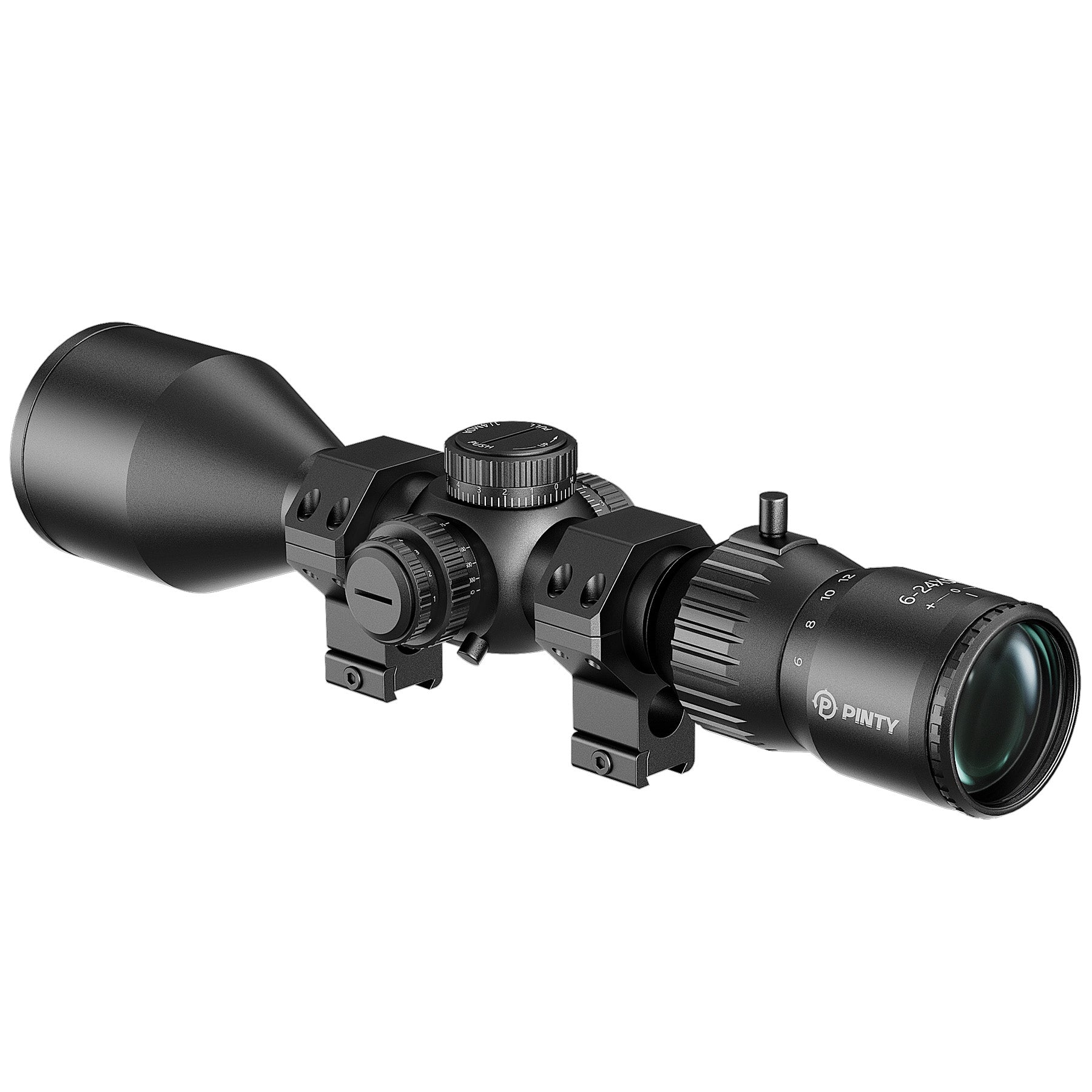
Designed specifically for airguns, these scopes are built to handle the unique forward and backward recoil of spring-powered rifles. Options include best air rifle scopes, air rifle scopes for sale, and complete setups like air rifle scopes and mounts. For spring-piston guns, specialized air rifle scopes for springers are essential to ensure durability and accuracy.
Pellet Rifle Scopes
Similar to air rifle scopes, pellet rifle scopes are designed for low recoil and shorter-range shooting. They often include adjustable parallax and clear optics for target practice or pest control.
AR Rifle Scopes
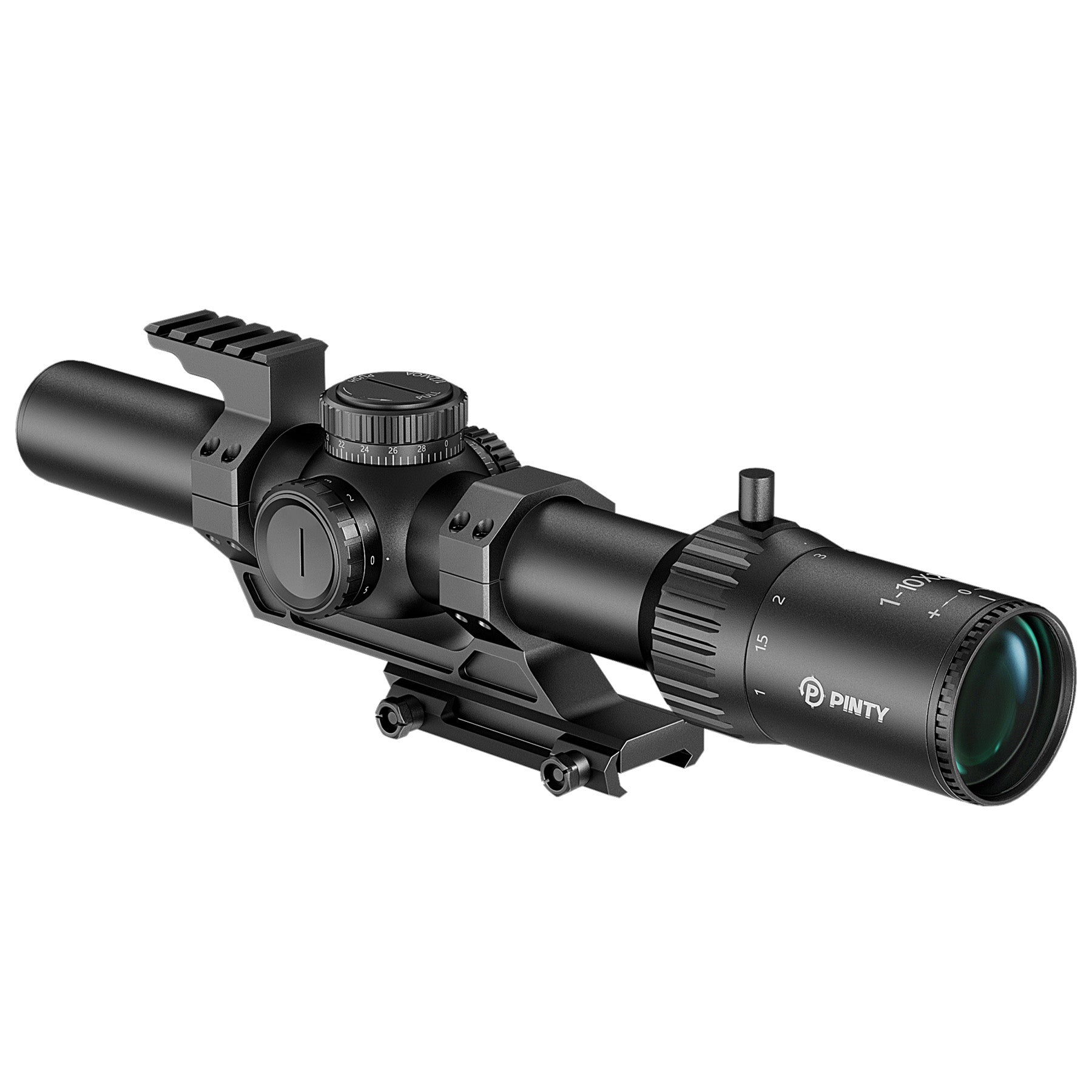
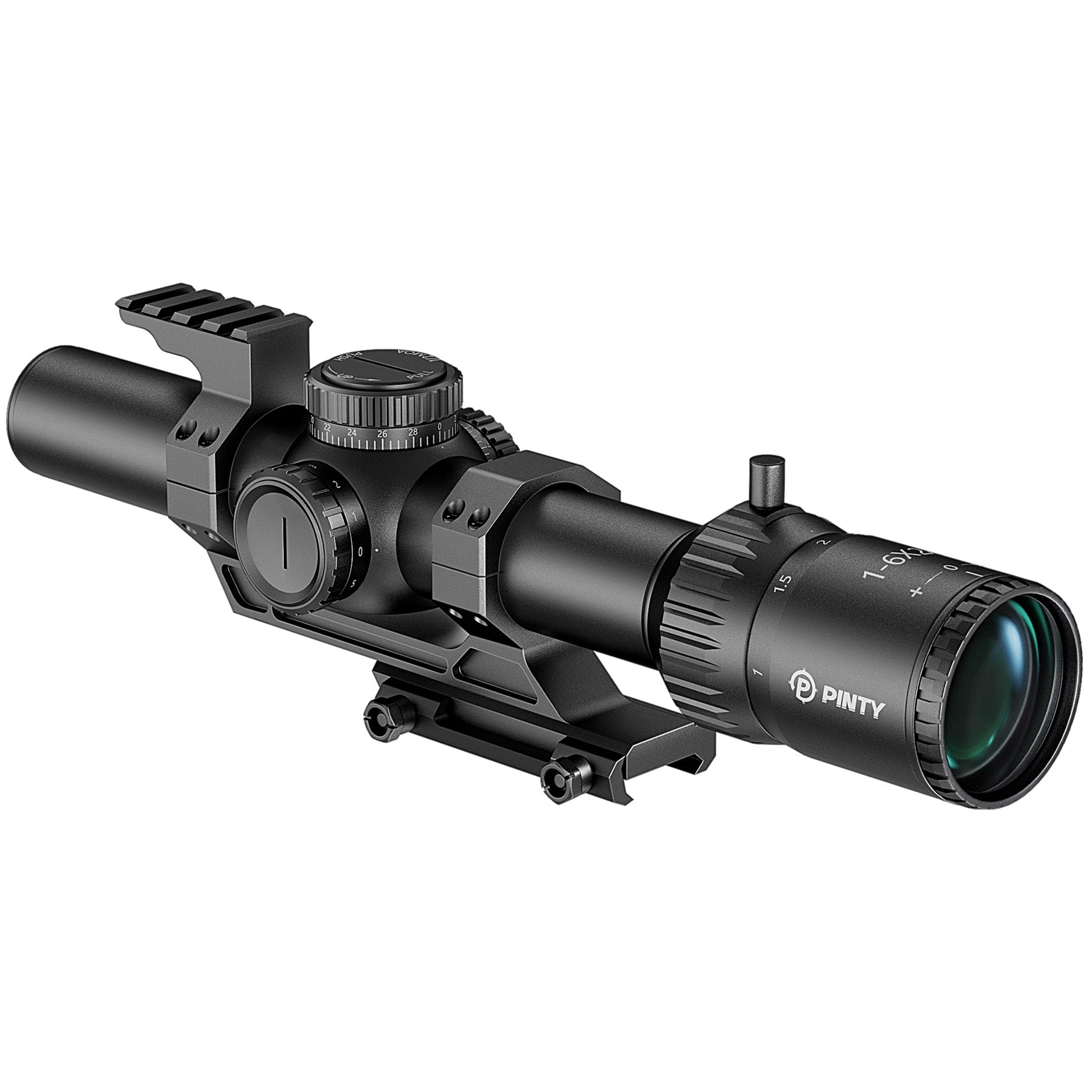
Built for modern sporting rifles like AR platforms, these scopes prioritize versatility, rapid target acquisition, and durability. Many AR rifle scopes feature low-power variable optics (LPVOs), illuminated reticles, and tactical designs suitable for both close-quarters and mid-range shooting.
Assault Rifle Scopes
Although the term varies in usage, these scopes are generally designed for tactical rifles, focusing on rugged construction, quick targeting, and compatibility with modern firearm systems. They often overlap with AR rifle scopes in features and design.
Rimfire Rifle Scopes
Rimfire scopes are specifically calibrated for lighter calibers like .22 LR, offering appropriate magnification and parallax adjustments for shorter distances. They are ideal for beginners, target shooters, and small game hunters who need accuracy without excessive magnification.
Rifle Scopes by Features
Rifle scopes come with a variety of features that affect performance, usability, and suitability for different shooting styles. Understanding these features can help you choose a scope that matches your specific needs.
Fixed vs. Variable Rifle Scope
A fixed rifle scope has a single, non-adjustable magnification (e.g., 4x or 6x), while a variable rifle scope allows you to adjust magnification across a range (e.g., 3–9x or 5–25x).
Fixed scopes are known for their simplicity, durability, and lighter weight, making them reliable and often more affordable, especially for hunting at consistent distances. However, they lack flexibility since you cannot zoom in or out as conditions change.
In contrast, variable scopes offer greater versatility, allowing shooters to adapt to different distances and scenarios, from close-range to long-range shooting. The trade-off is that they are typically more complex, slightly heavier, and more expensive.
First Focal Plane (FFP) Rifle Scopes
In FFP scopes, the reticle size changes with magnification, allowing for accurate range estimation and holdovers at any zoom level. These are popular for precision and long-range shooting.
Side Focus Rifle Scopes
Side focus scopes feature a knob on the side to adjust parallax, making it easier to achieve a clear, sharp image at different distances without shifting your shooting position.
Long Eye Relief Rifle Scopes
Designed to provide a greater distance between the eye and the scope, these are ideal for high-recoil rifles or situations where you need extra safety and comfort.
Lightweight Rifle Scopes
Built to reduce overall rifle weight, these scopes are ideal for long hunts or extended carrying, helping minimize fatigue without sacrificing performance.
Rifle Scopes by Finish (Color & Material)
Silver rifle scopes and stainless steel rifle scopes offer a sleek, corrosion-resistant finish.
Stainless rifle scopes provide durability in harsh conditions.
Tan rifle scopes and camo rifle scopes are designed for better concealment in tactical or hunting environments.
Buyer's Guide
How to Choose Rifle Scopes
Choosing the right rifle scope involves balancing several key factors—such as magnification, objective lens size, reticle type, and durability—based on how and where you plan to use it. Whether for hunting, target shooting, or tactical applications, the goal is to match the scope’s capabilities with your shooting style and environment.
Determine Your Primary Use
Your intended use should guide every decision when selecting a rifle scope, as different shooting activities require different features and performance levels.
For hunting (deer or big game), versatility is key. A scope in the 3–9x40mm or 2.5–10x range is ideal because it provides a good balance between magnification and field of view. This allows hunters to adapt to varying distances and changing light conditions, whether tracking game in dense woods or aiming across open terrain.
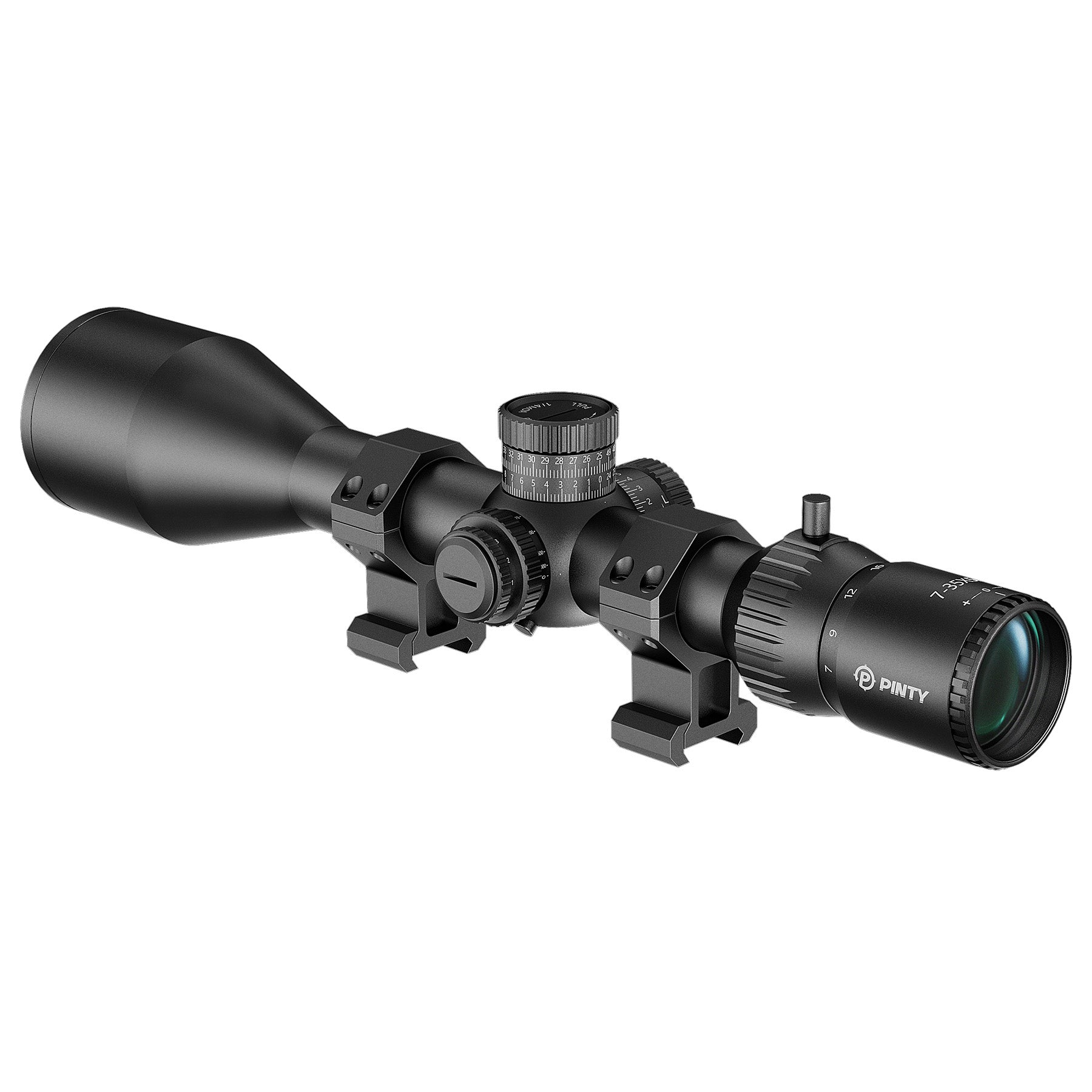
For long-range or target shooting, higher magnification becomes more important. Scopes in the 5–25x range or higher allow for precise aiming at extended distances. These scopes are often paired with accurate adjustment turrets and First Focal Plane (FFP) reticles, which help shooters make consistent holdover and windage corrections regardless of magnification level.
For close-range shooting or AR-style rifles, speed and flexibility matter most. Low-power variable optics (LPVOs), such as 1–4x, 1–6x, or 1–8x, are designed for quick target acquisition while still offering enough magnification for mid-range shots. This makes them ideal for dynamic shooting environments where targets may appear at varying distances.
Magnification
Higher magnification allows for better target detail at long distances but reduces field of view and can increase image shake. For most users, 3–9x is sufficient, while extremely high magnification (10–45x+) is best reserved for specialized applications like benchrest shooting.
Objective Lens Size
The objective lens (e.g., 40mm or 50mm) determines how much light enters the scope. Larger lenses improve low-light performance (dawn/dusk hunting) but add weight and bulk. A 40–44mm lens is often the best balance between brightness and portability.
Reticle (Crosshair) Type
The reticle, or crosshair, plays a crucial role in aiming and accuracy, and choosing the right type depends on your shooting needs.
A duplex or simple reticle is clean and easy to use, featuring basic crosshairs that allow for quick target acquisition, making it ideal for hunting scenarios where speed and clarity are essential.
In contrast, BDC (Bullet Drop Compensation) or Mil-Dot reticles include additional markings or hash points that help shooters estimate distance and adjust for bullet drop and windage. These more advanced reticles are especially useful for long-range shooting, where precise adjustments are needed to maintain accuracy over extended distances.
Match the Scope to Your Rifle
The scope should complement your rifle’s size, weight, and recoil level. A heavy scope can throw off the balance of a lightweight hunting rifle, while a scope that isn’t built for recoil may lose accuracy over time. Choosing the right combination ensures better handling, comfort, and long-term performance.
Other Key Considerations
Eye relief is essential for safety and usability, with at least 3.5–4 inches recommended to protect against recoil and ensure a comfortable viewing position.
The focal plane also matters: First Focal Plane (FFP) scopes allow the reticle to scale with magnification, making holdovers accurate at any zoom level, while Second Focal Plane (SFP) scopes keep the reticle size constant, which is simpler and commonly preferred for hunting.
Turrets play a role in adjustments—capped turrets are more durable and suited for hunting, whereas exposed or tactical turrets enable quick, precise changes for long-range shooting.
Finally, tube diameter, typically 1-inch or 30mm, affects adjustment range and light transmission, with 30mm tubes generally offering better performance in both areas.
Rifle Scopes FAQ
It depends on how you plan to use your rifle, but for most shooters a 100-yard zero is the better starting point because it’s simple, precise, and easy to confirm at typical ranges; it also makes calculating bullet drop more straightforward, which is helpful for beginners and target shooting.
A 200-yard zero, on the other hand, is often preferred for hunting or practical shooting because it allows a flatter trajectory over longer distances, meaning you can aim directly at the target out to around 200 yards with minimal holdover.
No—a 25-yard zero is not the same as a 300-yard zero, though it’s sometimes used as a rough shortcut for getting close. With certain calibers (like .223/5.56), a 25-yard zero can line up with a second intersection of the bullet’s trajectory somewhere near 300 yards, but it’s usually not exact and can vary significantly based on factors like velocity, barrel length, and optic height.
In many cases, the true second zero may be closer to 250–275 yards rather than a precise 300, so while a 25-yard zero can help you get on paper quickly, it’s not reliable for precise long-range zeroing and should always be confirmed at the actual distance.
A 50-yard zero is not exactly the same as a 200-yard zero, but with many common calibers—especially .223/5.56—it often results in a second point of impact close to 200 yards due to the bullet’s curved trajectory. After crossing your line of sight at 50 yards, the bullet continues to rise slightly before dropping back down and intersecting again around 200 yards.
However, this is only an approximation, as factors like bullet velocity, barrel length, optic height, and ammunition type can shift that second zero point slightly, so it’s always best to verify your actual zero at longer distances.
If you’re zeroing a rifle at 100 yards, a common guideline is to be about 0.5 to 1 inch low at 25 yards.
This works because the bullet travels in an arc—starting slightly below your line of sight, rising to meet it at your zero distance (100 yards), and then dropping again beyond that. By setting your impact slightly low at 25 yards, you’re aligning that trajectory so it intersects your point of aim at 100 yards.
The exact offset can vary depending on factors like caliber, bullet velocity, and sight height, but for most standard rifles, aiming for roughly ¾ inch low at 25 yards will get you very close to a proper 100-yard zero.
It’s suited to different uses. A 4–12x scope offers higher top-end magnification, making it better for longer-range shooting (300+ yards) and target precision, but it typically has a narrower field of view at the low end (4x vs. 3x), which can make quick target acquisition at close range a bit slower.
On the other hand, a 3–9x scope is more versatile and beginner-friendly, widely considered the go-to choice for general hunting because it performs well from short to medium distances with a wider field of view and easier handling.
Yes, 20x magnification can be enough for 1000 yards, but whether it’s ideal depends on your shooting goals and conditions. Many experienced long-range shooters can accurately engage targets at 1000 yards with 15x–20x magnification, especially when using high-quality optics and proper technique. However, higher magnification (such as 25x or more) can make it easier to see fine details and aim precisely at smaller targets.
That said, more magnification isn’t always better—higher zoom levels can reduce field of view, amplify image shake, and worsen mirage effects in hot conditions. For most shooters, 20x offers a solid balance between clarity and stability, making it sufficient for 1000-yard shooting, particularly for larger targets or steel plates, while competitive or precision shooters may prefer more magnification for tighter groupings.
Rifle scopes are not completely universal, but many are designed to be widely compatible across different rifles with the right mounting system.
Most scopes use standard tube sizes (typically 1-inch or 30mm) and can fit a variety of firearms, but proper compatibility depends on factors like mounting rings/bases, rifle type, and recoil level. For example, a scope that works well on a .22 rimfire may not be suitable for a high-recoil centerfire rifle, and air rifles often require specially rated scopes due to their unique recoil pattern.
Additionally, the scope’s magnification, reticle, and durability should match the intended use and firearm. So while many rifle scopes can be used across different rifles, they are not one-size-fits-all and should be carefully matched to ensure safety, performance, and accuracy.