

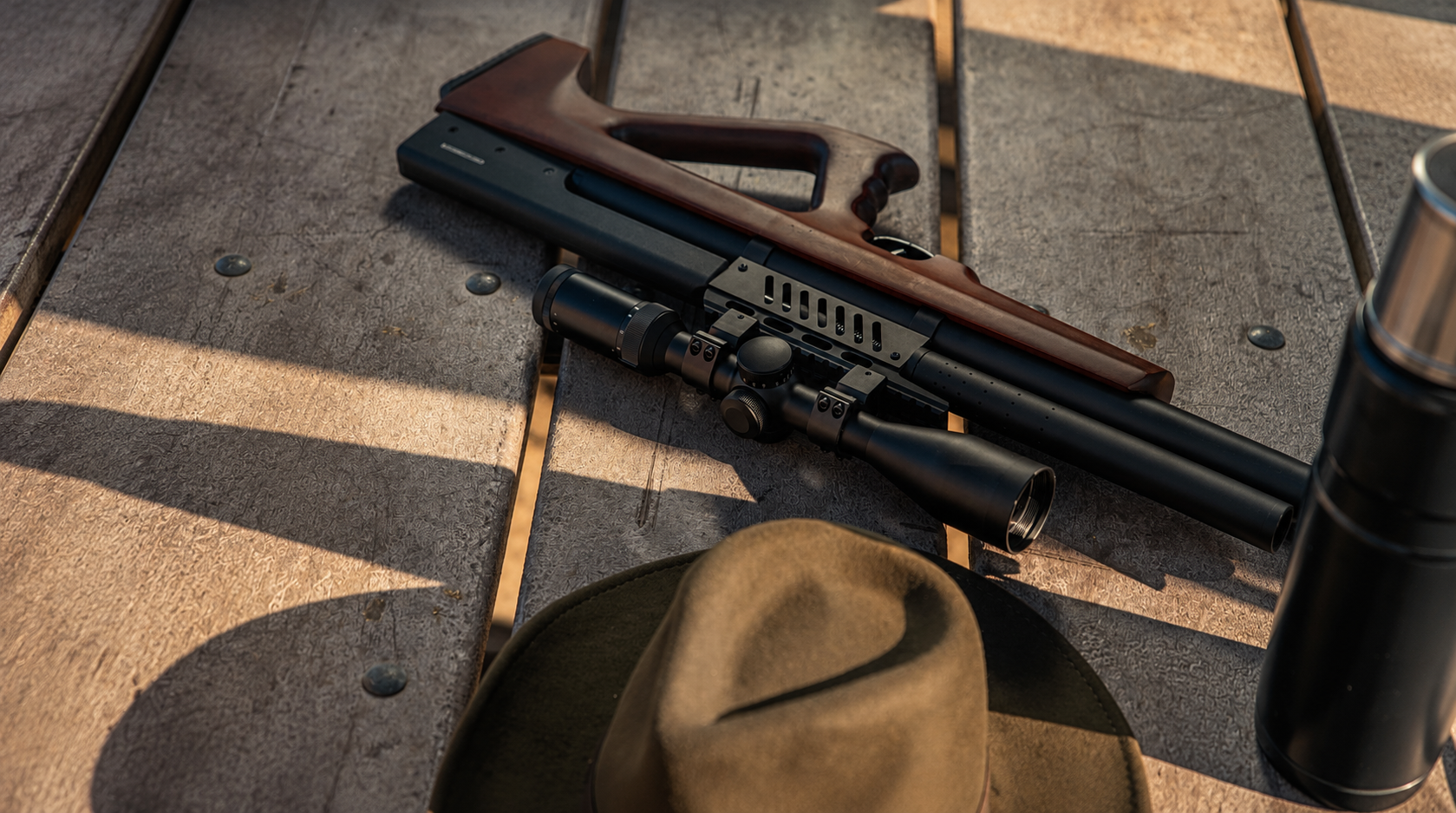
PCP air rifles dominate competitive shooting and hunting for one reason: absolute precision. But a PCP rifle is only as good as the sum of its parts. To get the most out of your airgun, you need to know how these interconnected components work together.
In this guide, we break down the major parts of a modern PCP air rifle, explain how they function, and highlight what to look for when maintaining, tuning, or upgrading your rifle for maximum performance.
How Does a PCP Air Rifle Work?

Before examining the individual components, it's helpful to understand the firing cycle.
A PCP (Pre-Charged Pneumatic) air rifle stores compressed air inside a high-pressure reservoir, usually filled to between 2,000 and 4,500 PSI. When the rifle is cocked, the hammer is held under spring tension. Pulling the trigger releases the hammer, which strikes the valve stem. The valve opens for a fraction of a second, allowing a measured amount of compressed air to travel behind the pellet. The expanding air pushes the pellet through the rifled barrel toward the target while the valve quickly closes to preserve the remaining air.
PCP Air Rifle Parts

Pre-Charged Pneumatic (PCP) air rifles are the pinnacle of modern airgun technology. Unlike traditional spring-piston rifles that rely on a heavy coiled spring, or multi-pump pneumatics that require physical labor before every single shot, a PCP rifle utilizes an onboard reservoir of intensely compressed air.
By storing air at pressures up to 4,500 PSI, these rifles provide match-grade accuracy, recoil-free shooting, and effortless multi-shot capabilities. But what exactly happens beneath the stock when you pull the trigger? Let's deconstruct a PCP air rifle to explore its core anatomy, major components, and the physics behind its internal firing sequence.
The Core System: Air Management & Power
The performance of any PCP air rifle boils down to how it manages extreme pressure. The components responsible for holding and regulating this air are engineered with strict safety tolerances.
-
Air Reservoir (Air Cylinder or Bottle): This is the heart of the rifle's power. It stores compressed air typically between 2,000 and 4,500 PSI (140–310 bar). Reservoirs generally come in two styles: streamlined aluminum cylinders mounted beneath the barrel or lightweight, high-capacity carbon-fiber bottles. The volume of the reservoir directly determines your "shot count"—how many consistent shots you get before needing a refill.
-
Regulator: While entry-level PCP rifles are often "unregulated" (meaning the velocity drops gradually as the reservoir empties), modern premium rifles include an internal air regulator. The regulator drops the massive, fluctuating pressure of the main reservoir down to a perfectly consistent working pressure for each shot. This results in incredibly uniform pellet velocities and tighter downrange groups. (Regulated vs Unregulated PCP Air Rifles)
-
Fill Port: The gateway to replenishing your air supply. Using a high-pressure hand pump, a dedicated aircompressor, or a scuba/carbon-fiber tank, air is forced through this port. Most rifles utilize a standardized, quick-connect Foster fitting, while some European or specialized models use proprietary fill probes. A protective cap is essential here; even a single grain of dust forced into a 3,000 PSI system can damage internal seals.
-
Pressure Gauge (Manometer): A built-in dial that acts as your fuel gauge. It monitors the remaining pressure inside the reservoir so you know when your velocity is about to drop. On regulated rifles, you will often find two gauges: one for overall reservoir pressure and one for the regulated plenum pressure.
The Firing Mechanism: The Kinetic Chain
Once air is stored and regulated, the rifle needs a highly precise mechanical sequence to release exactly the right amount of it.
-
The Valve: Arguably the most critical piece of the internal puzzle. The firing valve holds back the compressed air. When hit, it cracks open for a fraction of a millisecond to let a burst of air escape behind the pellet, then snaps shut instantly to seal the remaining pressure.
-
Hammer & Hammer Spring: When you cock the rifle, you pull the hammer back against the tension of the hammer spring. Pulling the trigger releases this heavy piece of metal, sending it flying forward to strike the valve stem. Tuning the weight of the hammer or the tension of this spring is how tuners adjust a rifle's raw power output.
-
Trigger Assembly: Because PCP rifles don't have to hold back a massive, jarring mainspring like spring-piston airguns do, their triggers can be remarkably light and crisp. High-quality PCP triggers are fully adjustable for first-stage travel, second-stage engagement, and pull weight, allowing for a true match-grade "glass break" feel.
The Feeding & Loading Architecture
Getting a projectile safely and straightly into the path of the high-pressure air requires an organized loading interface.
-
Bolt or Side Lever: This is the physical interface you cycle between shots. While traditional bolt actions are common, modern shooters heavily favor side-lever actions. Side levers optimize mechanical advantage, making the cocking of a heavy hammer spring smooth, fast, and effortless without forcing you to break your cheek weld.
-
Magazine & Breech: The breech is the precise chamber where the pellet or slug rests before firing. Most modern PCPs utilize a circular rotary magazine that automatically indexes (rotates to the next round) every time the side lever is cycled. For ultra-precise target work, shooters often swap the magazine for a single-shot tray to ensure zero skirt deformation when chambering a pellet.
The Guided Path: Accuracy & Ergonomics
The final stages of the rifle focus entirely on directing the energy toward the target and ensuring the shooter can hold the platform steady.
-
The Barrel & Muzzle: Most premium PCP rifles utilize precision-rifled steel barrels designed to stabilize pellets or slugs by spinning them. Many models feature a built-in outer shroud or integrated sound moderator to trap expanding air and dramatically reduce the muzzle report. At the very tip is the muzzle, which is frequently threaded to accept aftermarket muzzle accessories where legally permitted.
-
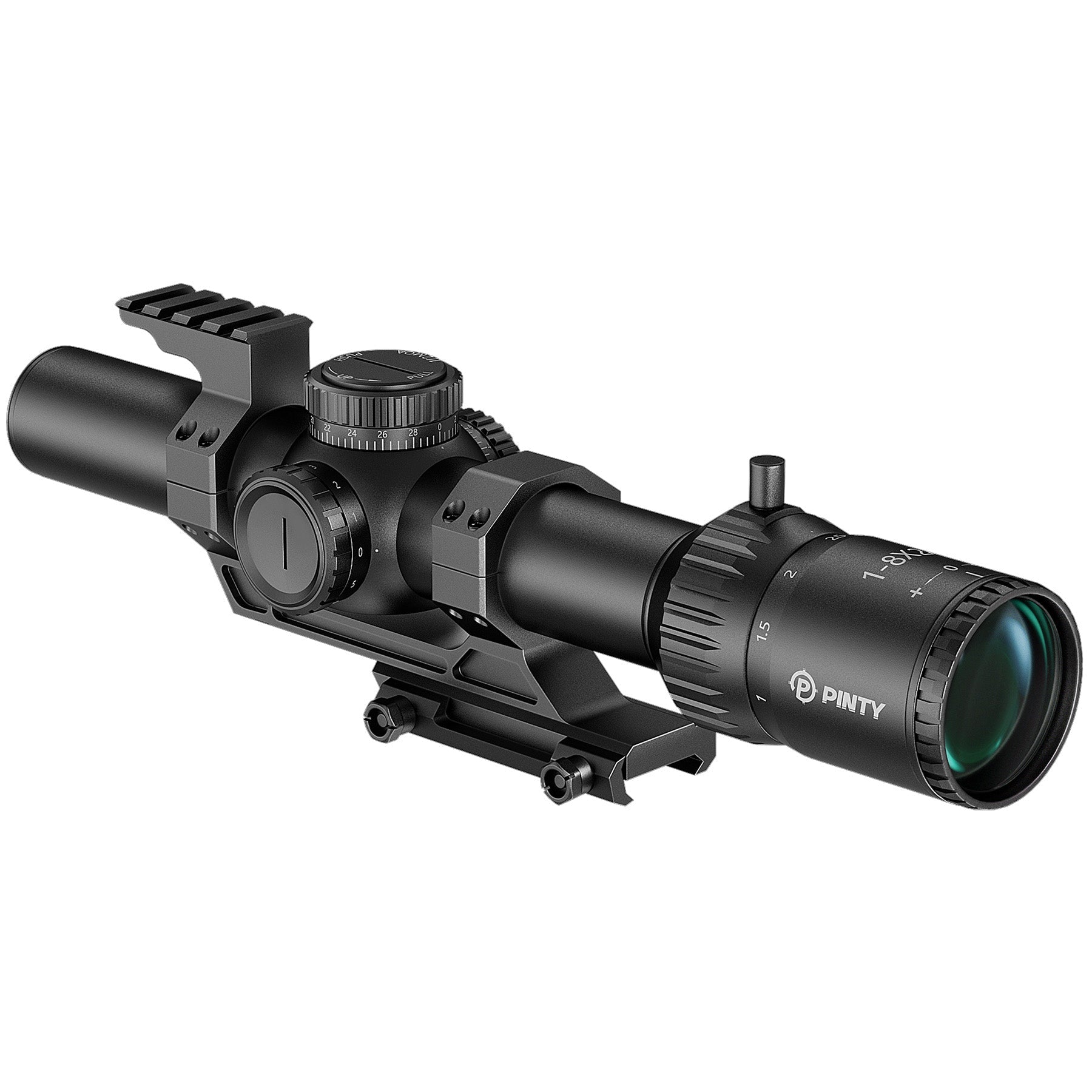
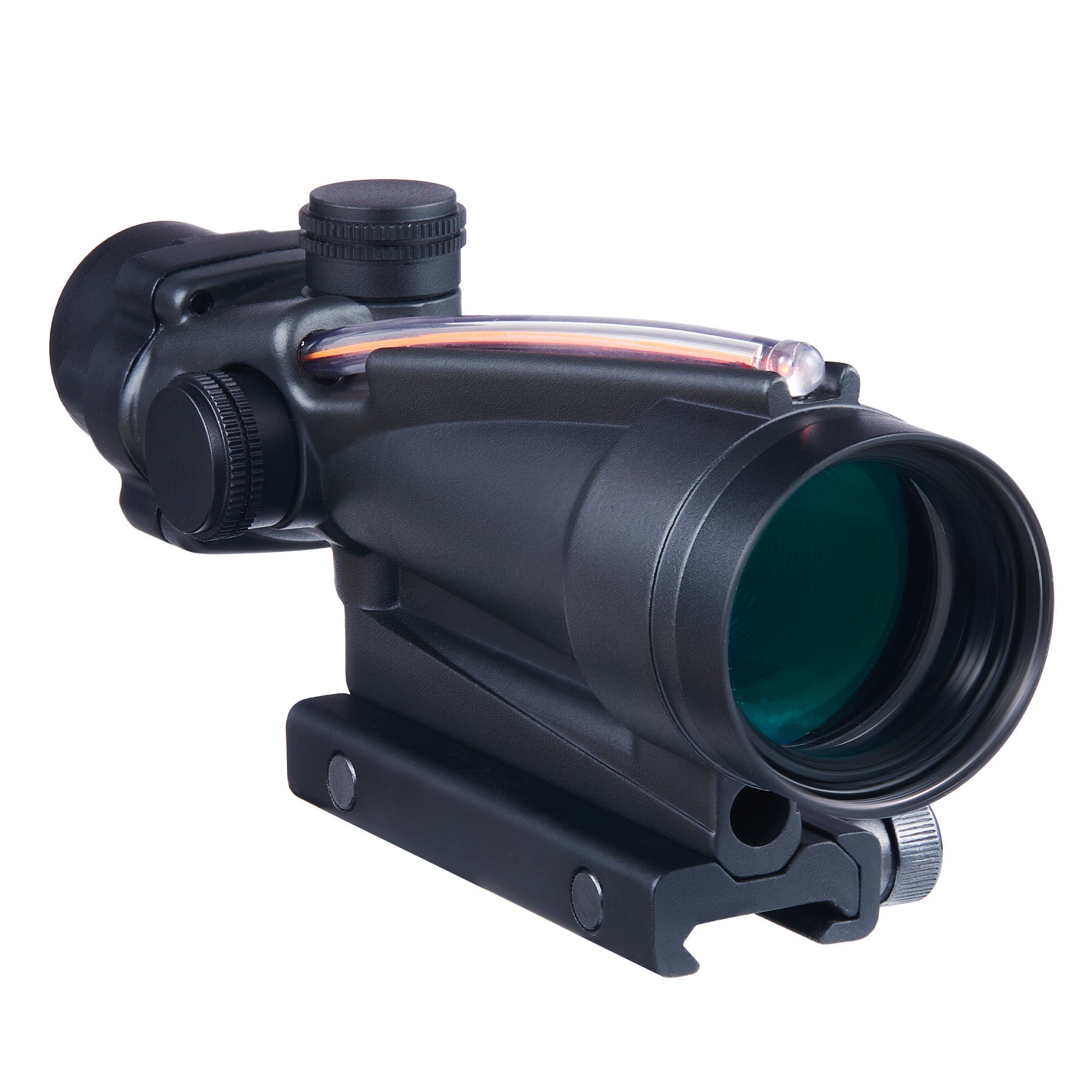
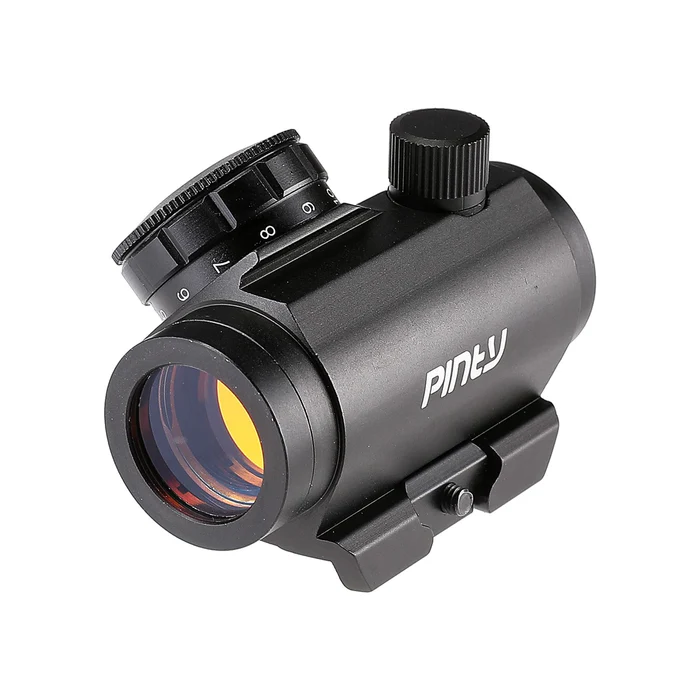
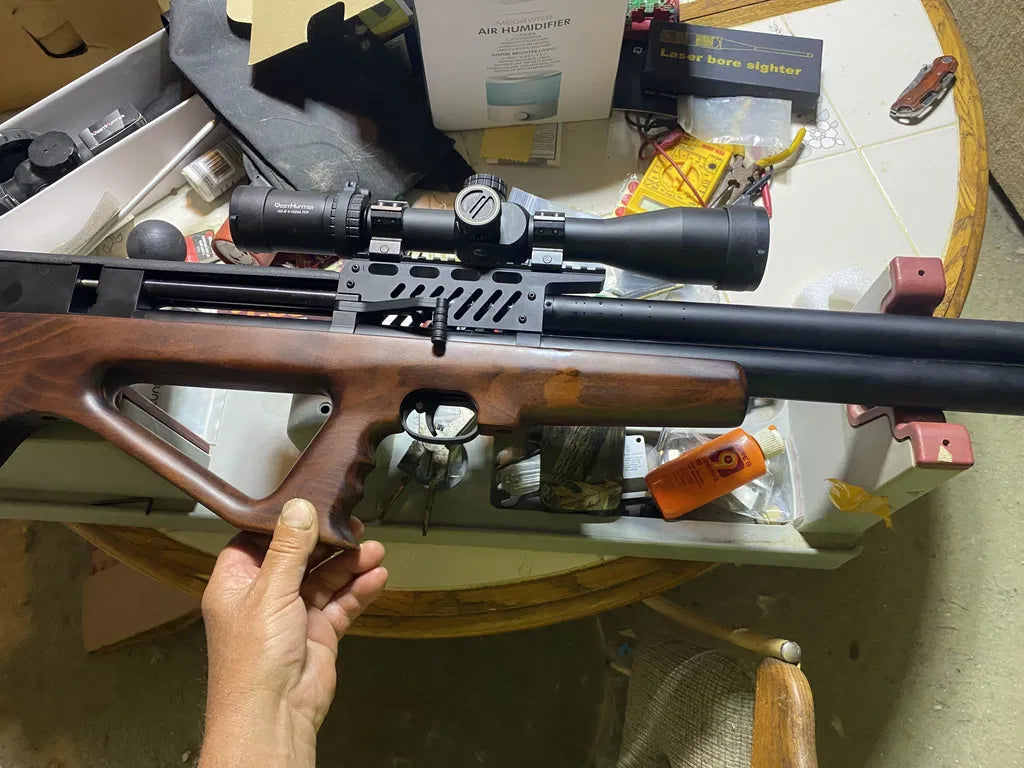
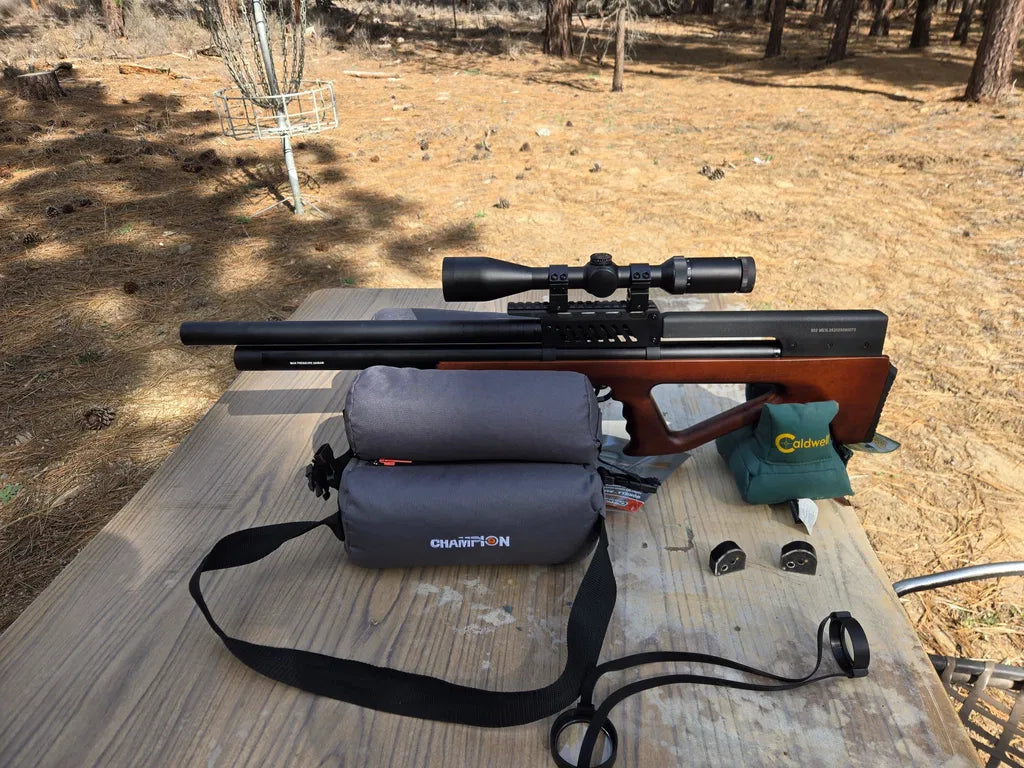
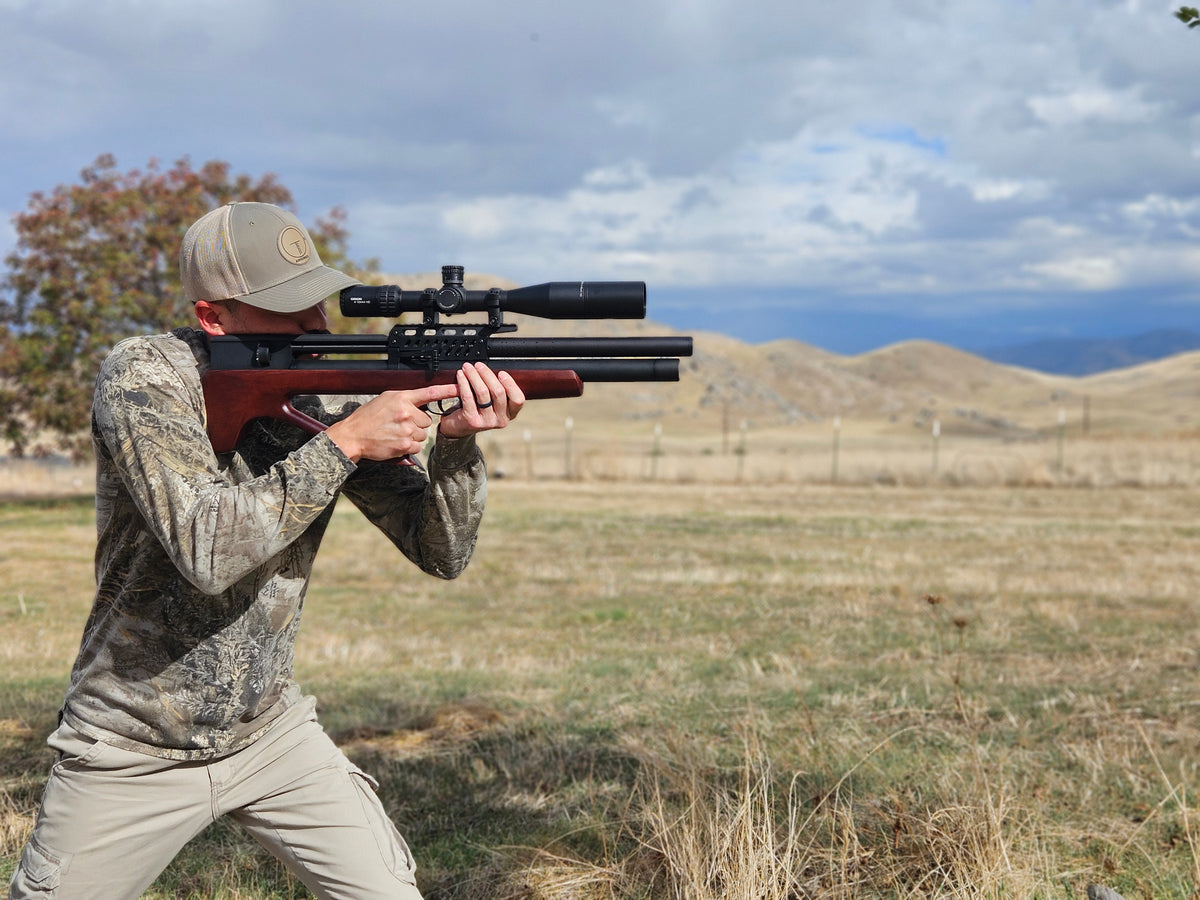
Scope Rail: Because PCP rifles lack the bi-directional recoil of spring-piston guns, they aren't "scope killers." You can safely mount high-magnification optics onto their built-in 11 mm dovetail or rugged Picatinny rails without fear of shifting zero.
-
The Stock: The chassis that binds the machine together. Available in traditional hardwoods, tactical polymers, or highly modular aluminum chassis systems, a good stock often features adjustable cheek pieces and adjustable butt pads to perfectly fit the rifle to your body geometry.
Pro-Level Maintenance Tips for PCP Air Rifle Parts

A PCP air rifle is a precision machine built to handle intense pressures. While they are incredibly reliable, neglecting basic upkeep is the fastest way to cause leaks, velocity drops, and accuracy issues.
Proper maintenance doesn't take much time, but it does require the right approach. Use these proven tips to keep your rifle’s internal parts operating flawlessly for years to come.
1. Keep the Critical Air System Clean
The fill port is the gatekeeper of your entire rifle. Because a PCP operates under extreme pressure, the absolute worst enemy of your internal seals is microscopic debris.
-
The Dust Cap Is Mandatory: Always replace the fill-port dust cover immediately after filling your rifle.
-
The Danger of Grit: If a tiny grain of sand or dirt gets on your fill probe, it acts like sandpaper when shoved into the port. Once inside, that grit will quickly score the internal check valve or shred delicate rubber seals, leading to a slow, frustrating leak.
-
Wipe Before You Plug: Get into the habit of wiping down your fill probe or Foster fitting with a clean microfiber cloth before inserting it into the rifle.
2. Inspect and Lubricate O-Rings Regularly
O-rings are what keep 3,000+ PSI of air trapped exactly where it belongs. Over time, rubber dries out, cracks, and degrades.
-
Spotting Wear: Periodically check the visible seals around your fill port, magazine indexer, and loading probe. Look for flattening, fraying, or tiny cracks.
-
The Golden Rule of Lubrication: Never use petroleum-based oils (like WD-40 or standard firearm oils) on PCP O-rings. Under high pressure, petroleum can combust (diesel effect) and destroy your rifle.
-
Use Pure Silicone: Only use 100% pure silicone oil or silicone grease (such as Diver's grease or handy applicator pens) to keep your seals supple and airtight.
3. Clean the Barrel Safely (Airguns Are Not Firearms)
Because airguns use compressed air rather than burning gunpowder, they don't experience carbon fouling. However, they do experience lead build-up from pellets, which will eventually degrade your accuracy.
-
Ditch the Firearm Solvents: Standard firearm solvents (like Hoppe’s No. 9) will instantly melt or swell the rubber O-rings inside your breech and valving. Only use dedicated airgun barrel cleaners or simple citrus-based degreasers.
-
Never Use Brass Brushes: Airgun barrels are made of much softer steel than firearms. A stiff brass brush can easily scratch or damage the delicate rifling and muzzle crown.
-
The Pull-Through Method: Use a flexible nylon pull-through kit or a coated cleaning rod with soft cotton patches. Pull the patches from the breech out through the muzzle to ensure you aren't pushing debris into your internal action.
4. Never Store the Reservoir Completely Empty
If you store a traditional spring-piston gun cocked, you ruin the spring. But with a PCP, storing it completely empty is what causes damage.
-
The Sweet Spot for Storage: Most manufacturers recommend storing your PCP rifle with a partial charge—typically between 1,000 and 2,000 PSI.
-
Why Pressure Matters: This constant pressure keeps a light, uniform force against the internal delrin and rubber seals, ensuring they stay perfectly seated and expanded. If you let the gun drop to 0 PSI for months, the seals can shrink, warp, or shift, causing a major leak the next time you attempt to fill it from empty.
5. Avoid the Temptation to Overfill
It might seem logical that adding an extra 200 PSI past the recommended limit will grant you more power or extra shots. In reality, the opposite happens.
-
Valve Freeze: Overfilling can cause a dangerous phenomenon called "valve freeze" or "valve lock." When the reservoir pressure is too high, the hammer spring might not have enough strength to fully push the valve open against that crushing internal force. Your velocities will plummet, or the gun may fail to fire entirely.
-
Component Fatigue: Consistently exceeding the manufacturer's maximum rated fill pressure stresses the metal reservoir, puts unnecessary strain on the regulator, and shortens the lifespan of your firing valve. Stick strictly to the laser-etched limits on your gun’s cylinder.
Pro-Tip on Moisture:
When filling your rifle with a portable compressor or a hand pump, always ensure your moisture traps/filters are fresh. Pumping humid air directly into a steel or aluminum air cylinder creates internal condensation, which can rust components from the inside out.
Troubleshooting Guide: Common Signs a PCP Air Rifle Part Needs Attention

PCP air rifles are incredibly consistent machines, which means that when something goes wrong, the warning signs are usually obvious. Catching a mechanical issue early can mean the difference between a simple, five-minute $0.50 O-ring swap and an expensive trip to a professional gunsmith.
If your rifle exhibits any of the following symptoms, it's time to stop shooting and inspect these specific components.
Pressure Drops While Stored (The Dreaded "Slow Leak")
You fill your rifle to 3,000 PSI, leave it in the safe for a week, and open it to find the gauge has mysteriously dropped to 2,200 PSI. This frustrating phenomenon is almost always caused by a failing static rubber O-ring. Over time, these seals compress, dry out, or develop microscopic tears that let air slowly bleed into the atmosphere. The most common culprit zones are the seals resting at the end-caps of the air cylinder, the threads surrounding the pressure gauge, or the fill-port check valve.
Air Leaking Audibly from the Fill Port or Barrel
If you can actively hear a faint, continuous hissing sound coming from your rifle, it demands immediate attention. If the hiss is coming directly out of the muzzle, your main firing valve or its Delrin seat has likely become pitted, dented, or trapped a piece of debris, preventing it from forming an airtight seal against the crushing reservoir pressure. If the hissing is localized at the fill port, the culprit is usually a tiny grain of sand or grit that has propped the internal check valve slightly open.
Erratic Pellet Velocity & Wide Extreme Spreads
When your shots begin hitting wildly high and low on a target, your rifle is suffering from inconsistent velocity. If you test the gun over a chronograph and see wide, unpredictable swings in feet-per-second (FPS), your air regulation system is losing its grip. On a regulated gun, this means the internal regulator is "creeping"—failing to shut off cleanly and allowing pressure to leak through. On an unregulated gun, this erratic behavior is frequently caused by old, gummed-up grease inside the hammer track, which creates uneven friction and causes the hammer to strike the valve with a different force on every single shot.
Sudden Drop in Total Shot Count
A sudden, noticeable plunge in your total shot count per fill is a major red flag that your rifle's air efficiency has cratered. If your gun typically delivers 60 full-power shots per fill but suddenly plummets to 30 before falling off the regulator, your internal air regulator's seals or Belleville washers are likely compromised, causing it to consume far too much volume per shot. Alternatively, a severely fatigued hammer spring can cause an inefficient, drawn-out valve opening that violently dumps excess air down the barrel rather than metering it cleanly.
Difficulty or Friction When Cocking the Rifle
Pulling back your side lever or bolt should always feel smooth and mechanical. If the cycle suddenly feels gritty, heavy, or requires excessive muscle power—often accompanied by a disturbing metallic scraping sound—your internal loading action is starved for lubrication. Over time, the linkage arms on side levers require a fresh dab of high-moly grease. If left dry, the heavy hammer can begin galling and scraping against the inside of the action tube, or the loading probe can become physically misaligned.
Pellets Failing to Feed or Clipping the Breech
When a side lever jams midway through its stroke, or you notice your downrange accuracy has suddenly vanished alongside shaved bits of lead falling out of the action, your feeding architecture is failing. Rotary magazines rely on internal spring tension to index and align the next pellet perfectly with the center of the barrel. As that spring weakens or the magazine body wears down, the pellet sits misaligned, causing the loading probe to violently force the soft lead projectile against the sharp edge of the breech block and deforming it before it ever enters the rifling.
A Heavy, Gritty, or Unpredictable Trigger Pull
The trigger is your final interface with the rifle, and it should always break like crisp glass. If it suddenly feels mushy, requires significantly more finger pressure to fire, or fails to reset properly when you cycle the action, the trigger sears are losing their precision geometry. Because these metal-on-metal components rely on exact angles and mirror-polished surfaces, microscopic burrs can develop over time. Additionally, the extreme vibrational harmonics generated by high-pressure air bursts can cause internal trigger adjustment screws to slowly back out of their factory positions.
FAQs
What are the names of the parts of a rifle?
The main parts of a rifle include the barrel, which guides the bullet or pellet toward the target; the receiver, which houses the firing mechanism; the stock, which provides support and stability for the shooter; the trigger, which releases the firing mechanism; the bolt or action, which loads, locks, and ejects ammunition or cocks the rifle depending on the design; the chamber, where the cartridge or pellet is positioned before firing; the muzzle, where the projectile exits the barrel; the safety, which helps prevent accidental firing; and the sights or scope rail, which allow the shooter to aim accurately.
On PCP (Pre-Charged Pneumatic) air rifles, additional components include the air reservoir, fill port, pressure gauge, air regulator (on regulated models), and valve, which work together to store and control the compressed air used to propel the pellet.
What is the most important part of a PCP air rifle?
Every component is important, but the air reservoir, valve, regulator, and barrel have the greatest influence on accuracy and performance. These parts work together to deliver consistent air pressure and precise pellet flight.
Do all PCP air rifles have regulators?
No. Many entry-level PCP rifles are unregulated. Higher-end hunting and competition rifles often include regulators because they provide more consistent velocity and improved shot-to-shot accuracy.
How often should I replace O-rings?
O-rings should be replaced whenever they become cracked, flattened, or begin leaking. With proper care, they can last for several years under normal use.
Can I upgrade PCP air rifle parts?
Yes. Many manufacturers and suppliers offer upgrades such as regulators, adjustable triggers, carbon fiber air bottles, barrels, stocks, and moderators. But make sure that replacement parts are compatible with your specific rifle model.
How long does a PCP air rifle last?
With proper maintenance, quality PCP air rifles can last for decades. Regular cleaning, replacing worn seals, proper air pressure management, and careful storage all help maximize the lifespan of the rifle.




Share:
Best Budget PCP Air Rifles Under $300: Pinty’s MKII and Classic Lineup
Safe Under Pressure: The Ultimate Guide to PCP Airgun Quick Disconnect Fittings