

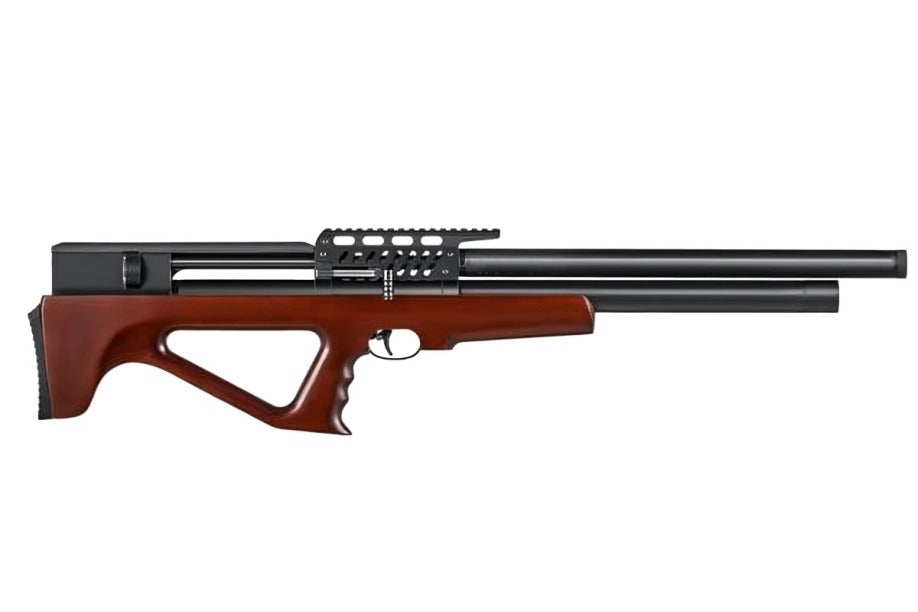
Modern PCP air rifles are designed specifically to hold high-pressure air for very long periods: not just days or weeks, but even months or even years. You can leave a PCP air rifle charged for months or even years without harming it, as long as the rifle is mechanically sound.
- The air cylinders are pressure-rated to safely contain compressed air indefinitely under normal conditions.
- Internal seals (O-rings) are made from high-quality synthetic materials that are formulated to withstand continuous pressure.
- Many manufacturers explicitly design their guns to remain charged throughout their entire service life.
Most shooters who store their PCP rifles long-term will report they may lose a small amount of pressure over several months, but not enough to be a concern.
As long as your PCP rifle is in good mechanical condition, meaning no leaks, no deteriorating seals, and no physical damage, it can hold air practically indefinitely.

Why It’s Better to Store a PCP Air Rifle Charged
This is the part that surprises newer PCP owners. Leaving the rifle pressurized isn’t just okay: it’s often the healthiest choice for the rifle, even for storage in the long run. Keeping the PCP air rifle charged is better for the internal seals and the tank itself, and is also more cost-effective.
1. The Internal seals perform better under pressure
O-rings inside a PCP aren’t delicate; they’re engineered to seal under compression.
When pressure is removed completely:
- Some seals can shift out of place.
- Dust or microscopic debris may sneak into areas meant to stay sealed.
- Dry seals may start to deform over time.
A partially charged cylinder keeps seals in their optimal shape.
2. It Protects the Tank From Contamination and Moisture
When a tank is completely empty, it can “breathe” humid air when the temperature changes, and moisture can enter and sit inside the cylinder, which can lead to corrosion in non-aluminum tanks.
Leaving 1000-2000 PSI of pressure inside acts as a barrier that prevents outside air and moisture from entering the cylinder.
3. It Reduces Wear and Tear
Constantly depressurizing and re-pressurizing a PCP rifle stresses the regulator, the valve springs, and certain sealing surfaces. Storing an air rifle charged avoids unnecessary pressurization cycles.
4. It Saves You Both Air and Money
Every full refill costs compressor cycles, wear on your pump, or paid fills from a dive shop. If you depressurize every time you store the rifle, you’re basically burning extra fill cycles for no reason.

When You Shouldn’t Store a PCP Rifle Fully Pressurized
While storing a PCP charge is generally best, there are a few specific cases where it might present challenges. This includes some regulated PCP rifles, rifles with known seal issues, and very high-pressure carbon fiber tanks.
1. Some regulated PCP rifles
Certain regulators may be more prone to creeping when kept fully pressurized for months at a time. This isn’t dangerous, but it can cause slow pressure migration into the regulated chamber, affect the first few shots, and increase the need for periodic reg adjustment.
In most cases, storing the rifle at a moderate charge (like 1500–2000 PSI) minimizes this issue.
2. Rifles with known seal issues
If your PCP already has a slow leak, old O-rings, or inconsistent pressure readings, then keeping it fully charged will just cause continual air loss. In this scenario, fixing the seals first is the best approach.
3. Very high-pressure carbon fiber tanks (separate tank, not onboard rifle)
If you’re storing a detached 4500 PSI CF tank for many months, some users prefer lowering the pressure to around 2500-3000 PSI to reduce long-term stress. This does not apply to typical rifle onboard cylinders, which are designed for constant pressure.
Tips for Long-Term PCP Storage
Following these tips ensures your rifle stays ready and in perfect condition, even after months of downtime.
- Store with moderate pressure: The ideal storage pressure is typically 1000–2000 PSI. Enough to seal everything, not so high that it stresses components.
- Keep the rifle in a cool, dry environment. Avoid direct sunlight, hot garages, and damp basements. Temperature swings can cause condensation and pressure fluctuations.
- Use a dust cover on the fill probe or the foster fitting. This prevents dirt from entering the fill port, which is one of the most common causes of leaks and regulator problems.
Consider a rifle case or safe with humidity control. A few helpful accessories include:
- Silica gel packs or a dehumidifier. Prevents moisture and rust.
- Soft rifle socks or padded cases. Protects from dust and scratches.
- A stand or rack. Keeps the rifle upright and reduces strain on optics.
- Barrel condoms or plug caps. Keeps insects and dust out of the barrel (yes, insects crawl in… frequently!).
Check pressure once every month or two. A small drop is normal. A big drop means a seal needs attention.
Lightly oil O-rings (if the manufacturer recommends it). Never over-oil, and avoid petroleum-based oils unless the manual allows them. Silicone-based oils are the standard.

Final Thoughts
PCP air rifles are engineered to hold pressure as part of their normal life, and storing them with air isn’t just safe: it’s beneficial. Keeping moderate pressure inside protects seals, reduces internal wear, keeps moisture out, saves on refills, and keeps your rifle ready for action when you pull it out months later.
The only exceptions are specific regulator designs, rifles with existing leaks, or separate carbon fiber tanks that you may want to store at a lower pressure.
If stored correctly, your PCP rifle can sit charged for a very long time without any harm, and will likely perform better than if you depressurize it.
You might also be interested in the best uses for an air rifle.
FAQs On Storing a PCP Air Rifle Charged
1. Is it safe to leave my PCP air rifle fully charged for months?
Yes. Most PCP rifles are designed to hold pressure for long periods without issues. As long as the seals are healthy and there are no leaks, storing it charged is safe.
2. What pressure should I store my PCP rifle at?
Most shooters store their rifles between 1000–2000 PSI. This keeps seals engaged and prevents moisture intrusion, without putting unnecessary stress on the cylinder.
3. Will leaving air in the rifle damage the O-rings?
No. In fact, O-rings are engineered to seal under pressure. Storing the rifle completely empty can allow seals to shift or dry out over time.
4. Can I store a regulated PCP rifle fully charged?
Usually yes, but some regulators may slowly creep when left at max fill pressure. Storing at a moderate level (1500–2000 PSI) helps minimize regulator issues.
5. Does depressurizing the air rifle before storage extend its life?
Not typically. Regularly depressurizing and refilling actually increases mechanical wear and moisture exposure. A charged rifle is generally healthier.
6. How often should I check stored PCP air rifles?
A quick pressure check every 1–2 months is enough. Minor pressure drops are normal; major drops mean a seal needs attention.
7. Should I store my external carbon fiber tank fully charged as well?
For long-term storage of a detached 4500 PSI tank, many shooters lower it to around 2500–3000 PSI. This does not apply to onboard rifle cylinders.
8. What accessories help with long-term PCP storage?
Useful items include silica gel packs, padded cases, dust caps, rifle socks, moisture-control safes, and barrel plugs.




Share:
40mm vs 50mm Objective Lenses
Air Rifles vs BB Guns vs Airsoft Guns: What’s the Difference?