

By Bill Ruehl
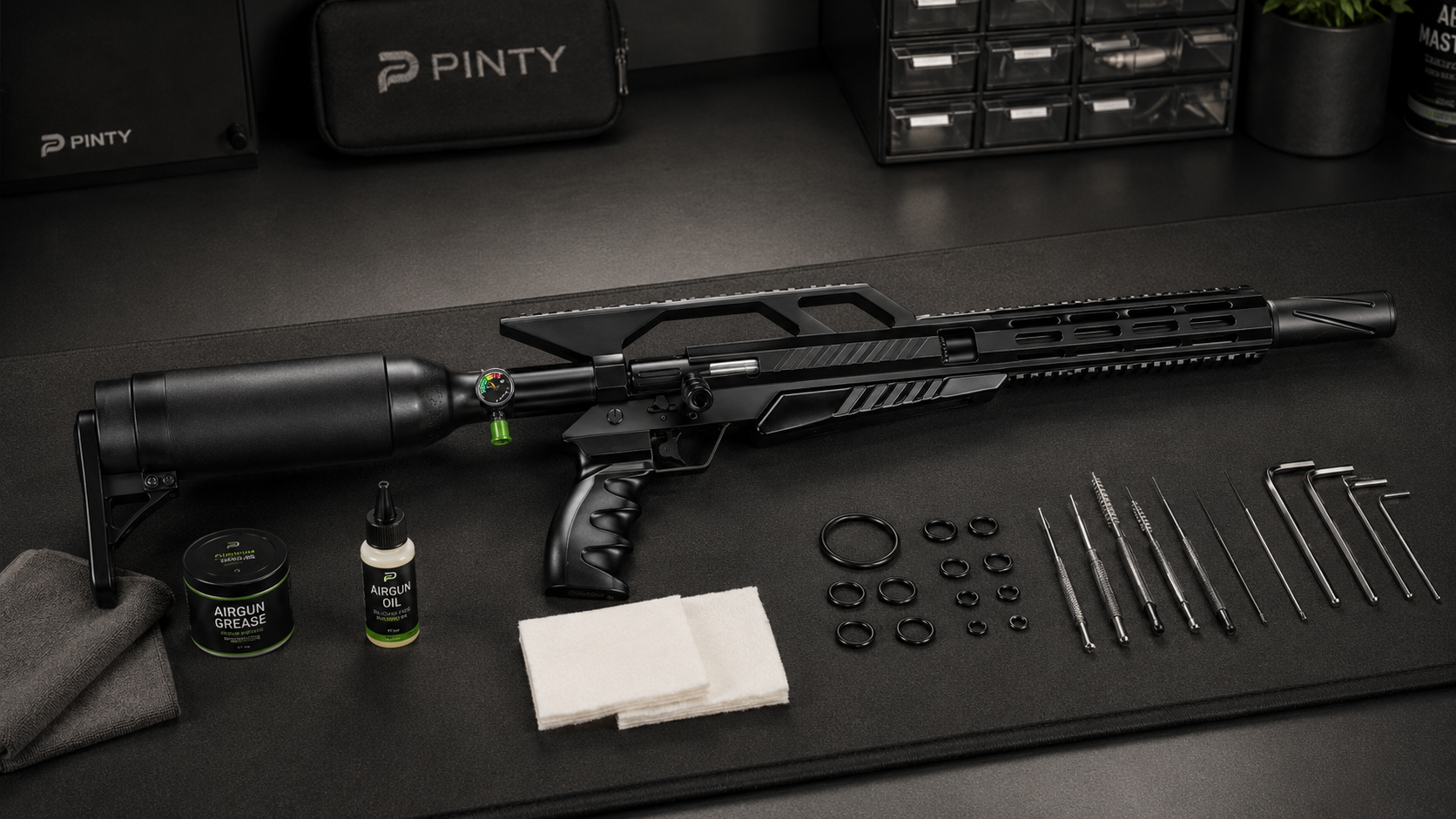
Airguns—whether spring-piston, break-barrel, or pre-charged pneumatic (PCP) models—can deliver years of reliable performance when properly maintained. Regular service helps maintain accuracy, ensure consistent power, and prevent air leaks. This guide covers the core principles of airgun maintenance, with a focus on cleaning, lubrication, and O-ring care.
Barrel Cleaning: Ballistol and Patch Worm for Peak Performance
A clean barrel is the foundation of consistent accuracy. Over time, lead deposits, plastic residue, and environmental debris can build up inside the bore, affecting velocity and shot grouping.
Two of the most effective tools for maintaining barrel cleanliness are Ballistol and the Patch Worm system.
Why Ballistol Is Widely Used
Ballistol is a multi-purpose cleaner, lubricant, and protectant that is especially well-suited for airguns. It is safe for seals, non-toxic, and effective at gently dissolving fouling without damaging the bore.
It also leaves behind a very light protective film that helps prevent corrosion, while not excessively attracting dust when used properly. This makes it ideal for both routine cleaning and long-term storage maintenance.
Patch Worm Cleaning System
The Patch Worm is a flexible nylon cleaning cord that allows safe and efficient barrel cleaning without rigid rods. It uses replaceable patches or felt buttons that can be pulled through the barrel.
Because it is soft and flexible, it reduces the risk of damaging rifling and makes it especially convenient for field use. In most cases, it achieves effective cleaning in just one or two passes.
Basic Barrel Cleaning Routine
Before cleaning, always ensure the airgun is fully depressurized and unloaded. Start by pulling a dry patch through the barrel to remove loose debris. Then apply a light coat of Ballistol to a fresh patch and slowly run it through the bore. Follow up with a dry patch to remove any remaining residue.
New airguns may require additional passes during the break-in period. For ongoing maintenance, cleaning every 200–500 shots or after exposure to humid conditions is typically sufficient. Avoid over-lubrication, as it can cause dieseling in spring-piston guns or velocity fluctuations in PCP systems.
Diagnosing and Fixing Air Leaks: The O-Ring Challenge

Air leaks in airguns are most commonly caused by worn or damaged O-rings. These seals are found in key areas such as valves, regulators, transfer ports, and fill probes.
Replacing O-rings is generally straightforward if the correct materials and lubricants are used.
Understanding O-Ring Materials and Lubrication
Different O-ring materials require different lubrication approaches. Using the wrong lubricant can quickly damage seals.
Buna-N O-rings (typically black) should be lubricated with silicone grease or oil. Viton O-rings (often green) are also compatible with silicone-based lubricants. However, silicone O-rings (commonly white) should never be treated with silicone grease, as this can cause swelling and failure.
Instead, petroleum-based lubricants are often more suitable for silicone O-rings, particularly in high-pressure applications such as carbon-fiber air cylinders. Always identify the material before applying any lubricant.
O-Ring Service Tools: Choosing the Right Pick

Proper O-ring removal tools are essential to avoid damaging sealing surfaces. Three main types are commonly used in airgun maintenance.
Stainless Steel Dental Picks
Stainless steel picks are very sharp and precise, making them effective for removing damaged or non-reusable O-rings. However, they can easily scratch aluminum, brass, or plastic surfaces and should be used with extreme caution.
Brass O-Ring Picks
Brass picks are widely used in professional sealing work, including diving applications. They provide a good balance of strength and softness, reducing the risk of damaging delicate surfaces while still allowing controlled removal of O-rings.
Nylon Picks
Nylon picks are the safest and most versatile option. They are soft enough to avoid damaging sealing surfaces while still being effective at lifting O-rings. For most airgun maintenance tasks, nylon picks are the preferred choice.
Workshop Setup and Smart Maintenance Practices
A clean, organized workspace significantly reduces the risk of lost parts and assembly errors. Covering your workbench with a cloth or old bedsheet is highly recommended, as it helps catch small springs, detents, and O-rings that may otherwise be lost.
Before beginning any disassembly, ensure the airgun is fully depressurized and that all necessary replacement parts and tools are prepared. Taking photos during disassembly can also be extremely helpful during reassembly.
Reassembly should always be done slowly and carefully. If a part does not fit easily, do not force it. Resistance usually indicates misalignment, incorrect orientation, or contamination. Pausing to reassess will almost always prevent damage.
24-Hour Leak-Down Test After Reassembly

After completing reassembly, a 24-hour leak-down test is essential to confirm sealing integrity before returning the airgun to service.
How to Perform the Test
Fill the airgun to its normal maximum operating pressure and allow it to stabilize for 15–30 minutes. This step is important because temperature changes during filling can temporarily affect pressure readings.
Once stabilized, mark the position of the pressure gauge needle using a small piece of masking tape. Store the airgun in a stable environment away from direct heat or sunlight, then check the gauge again after 24 hours.
Interpreting Results
A properly sealed airgun should show little to no visible pressure loss. A small drop of 1–2 bar (20–30 psi) may be acceptable in some PCP systems. However, a noticeable pressure decrease indicates a leak that requires further inspection and correction.
Final Check: Chronograph Testing
After major maintenance work, especially involving valves or regulators, it is important to verify performance using a chronograph. A short string of shots will confirm velocity consistency and help ensure that the airgun is operating correctly.
This step provides final confirmation that the servicing process was successful and that the system is functioning as intended.
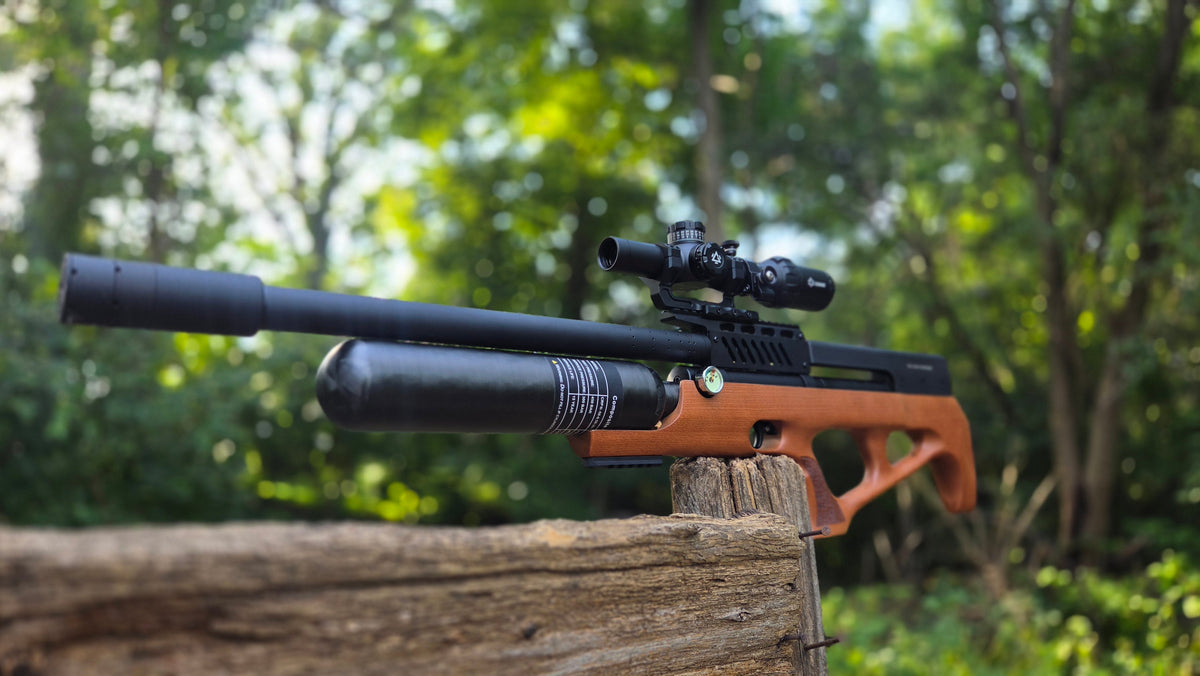
Check Pinty Nightfall MKII
Conclusion
Airgun maintenance is not complex, but it does require patience, attention to detail, and the correct tools. Products such as Ballistol for cleaning, Patch Worm for barrel maintenance, and properly selected O-ring tools make the process significantly easier and more reliable.
By following correct lubrication practices, maintaining a clean workspace, and working methodically, you can ensure long-term reliability and consistent performance from your airgun.





Share:
Pinty Buster PCP Pistol Tested – My First-Hand Shooting Impressions
Pinty Buster Regulated PCP Pistol Review: A Total Budget Beast!