

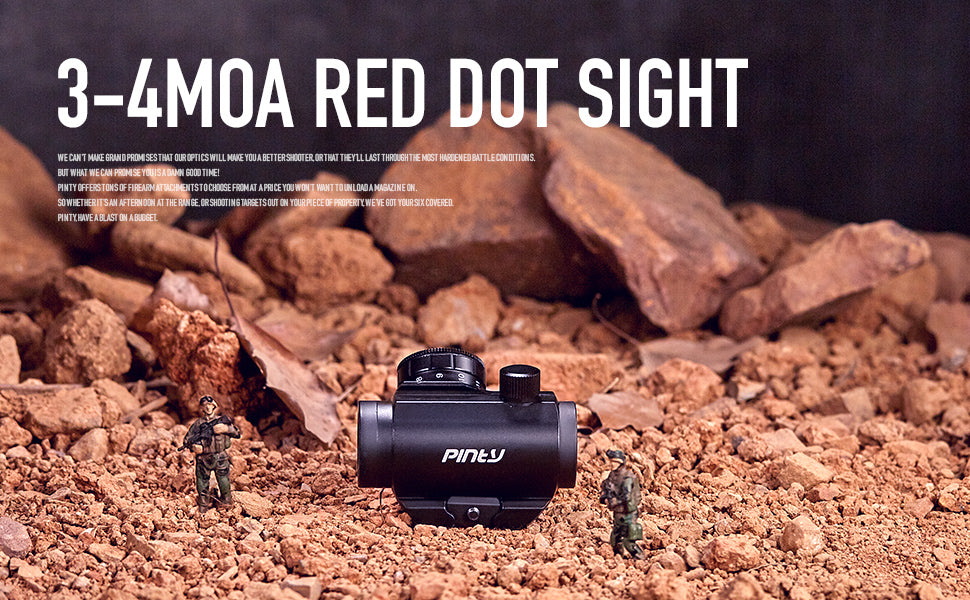
Picking the right sighting system can feel like a tough call with so many options hitting the market today.
When it comes to choosing between a red dot sight and a laser sight, it's not just about what looks cool on your rail, but how you actually interact with your target. The key is to understand the differences between the two, as that will help you spend your money wisely and shoot more accurately.

Red Dot Sights: Key Advantages and Best Uses
A red dot sight is arguably the most popular upgrade for a modern carbine because it's built for speed and target acquisition. It mainly offers both eyes open shooting, which is generally more durable and is much better in daylight.
1. Both Eyes Open Shooting
Unlike traditional iron sights, you don't have to worry about aligning a front and rear post while trying to focus on a threat. Instead, you keep both eyes open and place the glowing reticle right where you want the bullet to go.
2. They are More Durable
These optics are incredibly durable and can handle the recoil and abuse of a hard-use rifle without losing their zero. Most high-quality dots offer thousands of hours of battery life, so they're always ready when you pick up your rifle.
3. They Are Much Better in Daylight
They're also much easier to use in bright daylight compared to other electronic sights. If you're looking for a reliable primary aiming system for your AR-15, a red dot sight vs laser is usually the standard choice for most shooters.
Here are a couple of advantages and uses:
- Provides a clear point of aim without blocking your peripheral vision.
- Offers much better long-range accuracy than a projected beam.
- Works seamlessly with magnifiers for a more versatile rifle setup.
- Allows for a consistent cheek weld, which improves your overall stability.
Since the dot is contained within the optic housing, you're less likely to develop lazy habits with your head position. It's the go-to solution for anyone who wants a rugged, dependable system that excels in almost any lighting condition.

Laser Sights: Key Advantages and Best Uses
A laser sight offers a unique type of utility by projecting a visible beam directly onto your target. This is a massive benefit when you're forced into an awkward shooting position where you can't get your eye behind an optic.
Think about shooting from behind low cover or in a tight space where a traditional cheek weld is impossible. In these high-stress moments, a laser sight allows you to track your point of impact while maintaining full awareness.
Most modern rifle lasers are designed to mount on the top or side rails of your handguard. They're particularly effective when used in conjunction with night vision gear since infrared lasers are clear through a tube.
Even for daytime use, a bright green laser can give you a quick reference point for snapshot distances. It's a specialized tool that shines when the situation gets chaotic.
- Ideal for "point shooting" without needing to align your eye with a scope.
- Great for training new shooters to understand muzzle awareness.
- Enhances your ability to aim from unconventional positions.
- Works as a powerful deterrent by showing a clear point of aim.
While they're great for quick shots, they don't quite replace the precision you get from a glass optic. You'll find that the beam can become difficult to see at longer distances or in very bright environments.
However, having that extra reference point on your rail can be a literal lifesaver. It’s all about having options when things don't go according to plan.
 Red Dot Sights vs Laser Sights: Key Differences
1. Eye Focus
The most obvious difference between a red dot sight and a laser sight is where your eyes actually focus. When you're using a red dot, you're looking through a lens at a reticle that essentially floats in your field of view.
A laser sight setup is different because the laser projects a physical point of light onto the target itself. This means your focus remains entirely on the threat rather than looking through an optic.
2. Parallax and Offset
Parallax and offset are also huge factors to keep in mind for your carbine. Most modern red dots are nearly parallax-free, so the dot stays on target even if your head isn't perfectly lined up.
With a laser, the beam is usually mounted an inch or two away from the center of your bore. This creates a mechanical offset that you have to account for at different ranges. It's much more noticeable on a rifle than on a pistol.
- Red dots keep the aiming point private inside the optic housing.
- Lasers project a visible beam that can potentially give away your position.
- Optics stay crisp at a distance, while laser dots tend to bloom or grow larger.
- Batteries in red dots often last for years of continuous use.
3. Suitability to Different Shooting Environments
The environment plays a massive role in how well these tools actually work. A bright sunny day can make it almost impossible to see a projected beam at fifty yards.
In that same light, a red dot remains clear because the reticle is protected by the sunshade and lens coatings. This makes it a more consistent choice for a primary rifle.
Whether to choose a red dot vs. a laser sight often comes down to how much you value long-range precision. The optic will always win when you need to make a careful shot past 100 yards.
 Choosing Between a Red Dot Sight and a Laser Sight: Key Factors
Deciding on the right gear for your rifle depends on your mission and your environment. You need to weigh the trade-off between the rugged precision of glass and the instinctive speed of a projected beam.
When to choose a red dot sight over a laser sight
You should choose a red dot if you want the most versatile primary aiming system for your carbine. It's the superior choice for day or night use because the reticle is always visible inside the protected housing.
If you plan on shooting at distances beyond 25 yards, the red dot provides a much cleaner point of aim. It doesn't wash out in direct sunlight, which is a major weakness of many lasers. It's simply the most reliable way to maintain a consistent zero and a proper cheek weld during a course of fire.
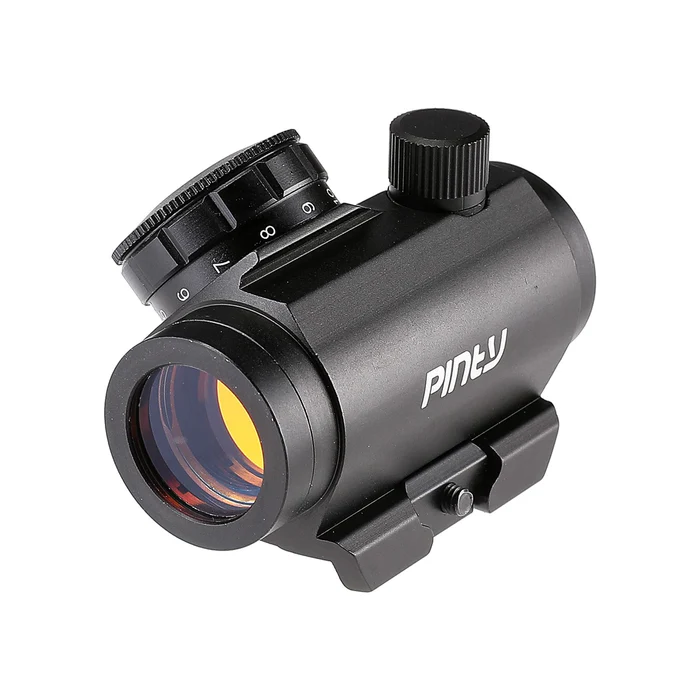
Affordable Red Dot From Pinty.
Pinty's 1x28x40 reflex sight has 4 reticle patterns and 8 brightness levels. It comes with precision optics with multiple coatings for optimal clarity and scratch resistance at all times. The durable aluminum is coated with a black oxide finish, so you get a lightweight scope with waterproofing and protection against fog, shock, and condensation.
When to Choose a Red Laser Sight over a Red Dot Sight
A laser sight is the way to go if you find yourself shooting from unconventional positions where you can't get your eye behind the gun. It’s a specialized tool that works wonders for close-quarters home defense or when navigating tight corners.
You should also prioritize a laser if you're running night vision gear and need a passive way to designate targets. It’s also an excellent training aid for learning muzzle control. While it’s not a replacement for a primary optic, it’s an incredible secondary tool for specific, high-stress environments.
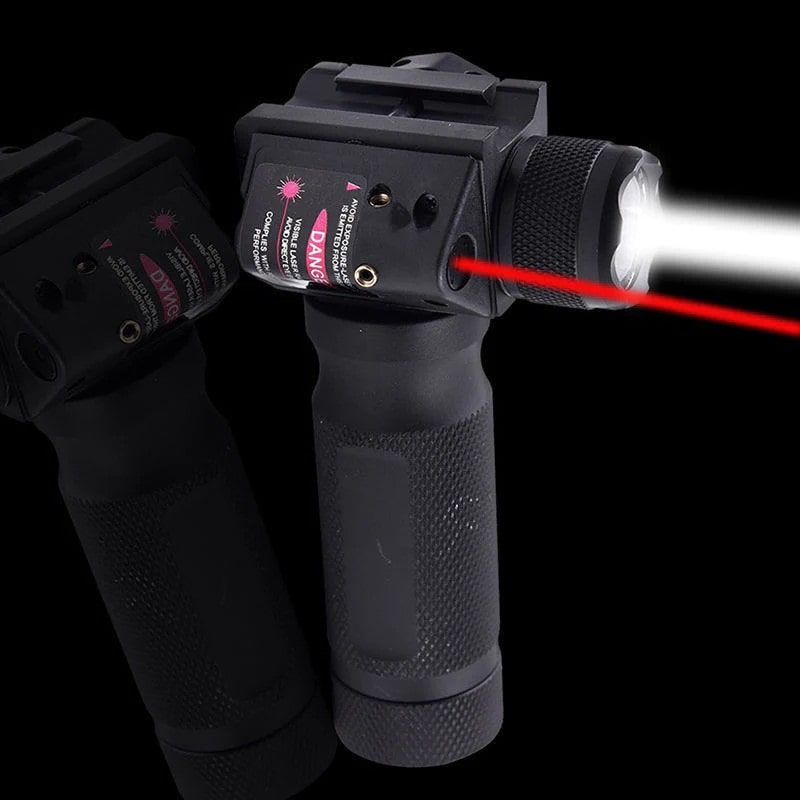
Affordable Red Laser Sight from Pinty
Get fast and accurate targeting with Pinty's compact 650nm red laser sight for rifles and handguns. The red dot laser reaches up to 100 yards away, even in poor lighting, and it comes with a 20mm QD mount that secures firmly to Picatinny and Weaver rails with included tools.
Final Word
Ultimately, the best choice depends on how you plan to use your carbine in the field. A red dot offers unmatched reliability and precision for most shooters. A laser provides a distinct advantage in unconventional positions or low-light scenarios.
Most professionals find that a combination of both tools creates the most versatile setup for home defense. It's about finding the balance that works for your specific needs.





Share:
How to Use a Bore Sighter (Pistol and Rifle)
What is a Cantilever Scope Mount?