

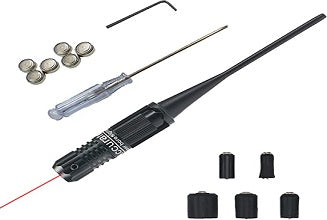
Mounting a new optic is only half the battle when you are setting up a fresh build. If you just head to the range and start shooting, you might waste an entire box of expensive ammo without even hitting the paper.
Learning the right way to use a bore sighter saves you money and a lot of frustration. This simple process ensures your first shot is close enough to the center that you can dial in your zero with ease.

How to Use a Bore Sighter on a Rifle
Getting a new optic aligned with your barrel is the quickest way to turn a project into a functional tool. You want to start by ensuring your firearm is completely unloaded and placed in a stable gun rest or vise.
This stability is key because any movement during the process will throw off your alignment and waste your effort.
Once the rifle is secure, you can slide your device into the chamber or the muzzle, and this is the most common way to use a bore sighter on a rifle to get that initial point of aim established.
Simply look through your scope and adjust your windage and elevation turrets until the reticle sits right on top of the reference point.
- Make sure the rifle is level in your vise to prevent reticle canting.
- Aim the rifle at a target approximately 25 yards away for the best initial results.
- Rotate the device slightly to verify the reference point stays centered on the target.
- Double-check that the device is removed from the barrel before you ever chamber a live round.
Using this method gets your shots close enough to the bullseye that your final zeroing session at the range will be a breeze. It is much easier to make small tweaks to your turrets when you already know you are hitting the paper.
This simple step turns a frustrating afternoon of "chasing holes" into a quick and professional setup.
How to Use a Bore Sighter on a Pistol
Setting up a red dot or laser on a handgun follows a similar logic to a long gun, but the compact size changes your workflow. Make sure your pistol is locked in a padded vise or held firmly on a bench bag to keep it from wobbling.
Most shooters find that the easiest method is to use a cartridge-style device that sits directly in the chamber. This is effectively how to use a bore sighter on a pistol without needing any special muzzle adapters or bulky gear.

Handguns have much shorter sight radii. Even a tiny movement can cause a huge shift in where your reticle lands. Once the device is active, simply bring your optic or iron sights into alignment with the dot projected on a wall across the room.
- Use a target distance of about 10 to 15 yards for the best handgun results.
- Ensure the slide is fully forward and in battery so the device sits perfectly flush.
- Verify that the dot remains stable even if you gently tap the side of the frame.
- Always clear the chamber and check the bore twice before and after using your tools.
By taking the time to do this at home, you avoid the embarrassment of missing the entire target carrier at the indoor range. It gives you the confidence that your sights are at least pointing in the same direction as your barrel.
General Guidelines for Using a Bore Sighter
Consistency is the secret to getting the most out of your sighting tools. Hopefully, this guideline will help you get the best out of the entire process of bore sighting.
As a rule of thumb, you should always perform this process in an area with dim lighting so you can clearly see the reference point on your target. Trying to see a faint dot under the high noon sun is a recipe for a headache and inaccurate results.
Additionally, it’s vital to understand that this process only gets you close to your zero and does not replace actual live fire testing. You are essentially aligning the mechanical axis of the bore with the optical axis of your sights.
-
Fresh Batteries: Always use a fresh set of batteries to ensure the light remains bright and crisp.
-
Torqued Rings: Check that your mounting rings and bases are torqued to the manufacturer's specifications before you start.
-
Distance: Keep your target at a consistent distance to help you understand the offset between your bore and your optic.
-
Misalignments: Remember that the further away the target is, the more any tiny misalignment will be magnified.

If you find that your adjustments are hitting a wall, stop and check that your device is seated perfectly in the chamber. A slightly tilted device is the most common reason why shooters struggle with how to use a bore laser sight during their first attempt.
Learning how to use a laser bore sighter properly will usually get you within a few inches of the bullseye at 25 yards.
Final Words on Bore Sighting
Mastering the use of these tools is a fundamental skill that separates the hobbyist from the professional marksman. By taking the time to align your bore and optic at home, you ensure your range time is spent on performance rather than basic troubleshooting.
This simple preparation translates directly to more confidence behind the trigger and significantly less money spent on wasted ammunition. It is the smartest way to start any new build correctly.
You may also be interested in how to buy a rifle combo and what components to expect.





Share:
The Complete Guide on How to Fill a PCP Air Rifle
Red Dot Sights vs Laser Sights Explained