

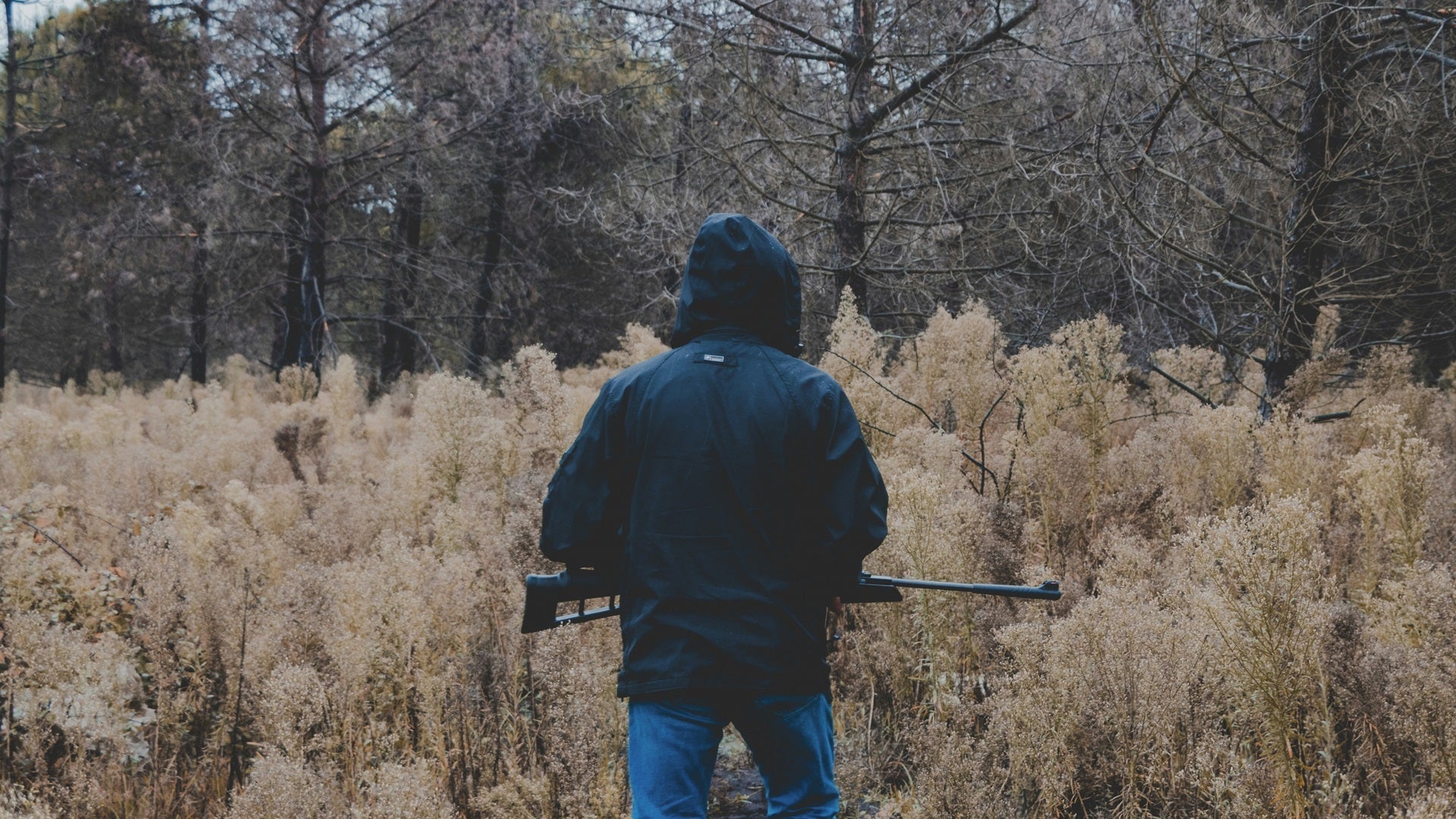
Montana is widely regarded as one of the premier destinations for big-game hunters in the western United States. The state offers a remarkable combination of diverse terrain, high wildlife densities, and well-managed seasons that attract hunters from across the country. From the rugged Rocky Mountains and forested slopes to open grasslands and river valleys, Montana provides habitats that support abundant populations of elk, deer, bear, mountain lion, and waterfowl.
Whether hunting for trophy elk in the high mountains, pursuing mule deer across sagebrush plains, or enjoying upland bird and waterfowl opportunities, Montana’s 2025–2026 seasons provide something for every hunter, from novices to experienced outdoorsmen.
Why Montana is a Big Game Hunter’s Paradise
Several factors make Montana a top hunting destination:
-
Varied Terrain: The state features mountainous regions, dense forests, wide plains, and river valleys, creating unique hunting challenges and opportunities. Hunters can experience high-country hunts for elk or mountain lion as well as plains hunts for mule deer and pronghorn.
-
High Wildlife Densities: Many Hunting Districts (HDs) maintain healthy populations of elk, deer, bear, and other species, which ensures consistent hunting success when combined with proper preparation.
-
Big Game Focus: Montana is renowned for trophy-quality animals, especially elk and deer, attracting hunters seeking record-class specimens.
-
Balanced Management: The Montana Fish, Wildlife & Parks (FWP) department provides a carefully managed system of general seasons, limited-entry permits, and harvest quotas to balance hunter opportunity with wildlife conservation.
-
Accessible Public and Private Lands: While private lands require permission or lease agreements, Montana also offers extensive public hunting areas, including Wildlife Management Areas and national forests, ensuring access to hunters of all levels.
Hunters planning their trips should consult the Montana Fish, Wildlife & Parks Seasons and Regulations portal for official guidance on permits, harvest rules, and unit-specific regulations.
Featured Species & Seasons
Montana’s 2025–2026 hunting calendar includes multiple species, with seasons designed to optimize both wildlife conservation and hunter opportunity. Below are the primary species:
1. Elk (Cervus canadensis)
Elk are the crown jewel of Montana hunting. The state supports both general season and limited-entry units, offering hunters a variety of experiences.
|
Season Type |
Dates (2025–2026) |
Notes |
|
Archery |
Sept. 6 – Oct. 19, 2025 |
Open in most general units. Bow, crossbow, or longbow only. |
|
Rifle / Firearm |
Oct. 25 – Nov. 30, 2025 |
General elk season; tag required. |
|
Special Shoulder Seasons |
Aug. 15 – Feb. 15, 2026 |
Some units have early or extended seasons for youth or management hunts. |
|
Youth Elk Hunt |
Oct. 16–17, 2025 |
Special youth-only opportunity for residents under 18. |
Permit Notes: Limited-entry units require an application or draw, and tags are limited by quota. Hunters are encouraged to familiarize themselves with unit-specific harvest quotas, antler restrictions, and reporting requirements before applying.
2. Deer (Mule Deer & White-Tailed Deer)
Montana offers robust opportunities for both mule and white-tailed deer, with archery, general rifle, and muzzleloader seasons.
|
Season Type |
Dates |
Notes |
|
Archery |
Sept. 6 – Oct. 19, 2025 |
Includes most general units. Bow or crossbow only. |
|
Rifle / Firearm |
Oct. 25 – Nov. 30, 2025 |
Standard firearm season; hunters may harvest antlered or antlerless deer depending on unit regulations. |
|
Muzzleloader |
Dec. 13–21, 2025 |
Limited units; check unit-specific rules. |
|
Youth Deer Hunt |
Varies by unit; mid-October |
Provides young hunters supervised opportunities to harvest deer. |
Bag Limits & Restrictions: Deer bag limits vary by unit. Some HDs restrict harvest to a single spike or antlered deer, while others permit both antlered and antlerless harvest. Hunters must follow tag allocation and report harvests using the state’s mandatory reporting systems.
3. Black Bear
Black bear hunting is available in both spring and fall, with some units allowing archery-only seasons or hunting with dogs under specific conditions.
|
Season Type |
Dates |
Notes |
|
Spring Season |
April 15 – May 31, 2025 |
Varies by unit; some units extend to June 15. |
|
Archery Season |
Sept. 6 – Sept. 14, 2025 |
Limited to designated units; only bow hunting allowed. |
|
Fall Firearm Season |
Sept. 15 – Nov. 30, 2025 |
Standard firearm harvest; hound regulations vary by unit. |
Permit Requirements: Tags may be general over-the-counter or draw-only depending on the Hunting District. Methods of take, including baiting and hounds, are strictly regulated.
4. Mountain Lion (Puma concolor)
Montana offers mountain lion hunting in multiple seasons, with both archery and firearm options. Hound hunting is allowed in select units under specific regulations.
|
Season Type |
Dates |
Notes |
|
Archery / Without Dogs |
Sept. 3 – Oct. 16, 2025 |
Archery-only; no dogs allowed. |
|
Firearm / Without Dogs |
Oct. 25 – Nov. 30, 2025 |
Firearm only; dogs not permitted. |
|
Winter Season |
Dec. 1, 2025 – Apr. 14, 2026 |
Extended season in certain units; check harvest quotas. |
All hunters must obtain the proper license and tags. Reporting is mandatory for harvested lions, and some units may close early once quotas are met.
5. Waterfowl and Migratory Birds
Montana’s abundant lakes, rivers, and wetlands provide excellent waterfowl hunting opportunities. Key seasons include:
-
Ducks and Geese: October 4, 2025 – January 16, 2026, depending on flyway zone. Hunters must possess both the Montana Migratory Bird Stamp and the Federal Duck Stamp.
-
Mourning Dove: September 1 – October 30, 2025.
-
Ring-necked Pheasant and Other Upland Birds: October 11, 2025 – January 1, 2026.
Bag limits and zone-specific restrictions apply. Hunters are encouraged to review the FWP Waterfowl & Upland Game Guide for detailed information.
6. Licensing, Permits, and Regulations
-
All hunters must have a valid Montana hunting license and the appropriate species tags.
-
Limited-entry and bonus-point units require application before deadlines.
-
Hunter Education Certification is mandatory for those born after January 1, 1985.
-
Methods of take (archery, firearm, muzzleloader, hounds) vary by species and unit.
-
Some units have mandatory harvest reporting, and early closure rules may apply when quotas are met.
For a comprehensive understanding of hunting rules, bag limits, and HD-specific regulations, consult the Montana Fish, Wildlife & Parks Outdoor Annual.
7. Planning Your Hunt
Montana’s hunting landscape offers opportunities for both novice and experienced hunters:
-
Elk Hunting: High-elevation elk units provide challenging, trophy-oriented hunts.
-
Deer Hunting: Large mule deer populations in western Montana and river breaks in the eastern plains provide diverse hunting experiences.
-
Bear and Mountain Lion: Opportunities for experienced hunters seeking predators.
-
Waterfowl and Upland Game: Supplementary hunting options throughout fall and winter.
Hunters should plan carefully, including licensing, lodging, guiding services, and transportation, especially for remote or high-country hunts.
Conclusion
Montana’s 2025–2026 hunting seasons provide some of the most diverse and rewarding big-game opportunities in the United States. With strong wildlife populations, carefully managed seasons, and expansive public and private lands, the state continues to be a premier destination for hunters of elk, deer, bear, mountain lion, and migratory birds. Proper planning, knowledge of regulations, and adherence to safety and reporting requirements are essential for a successful and responsible hunt.







Share:
Red Dot Reticle Types Explained
Wyoming 2025–2026 Game Hunting Overview