

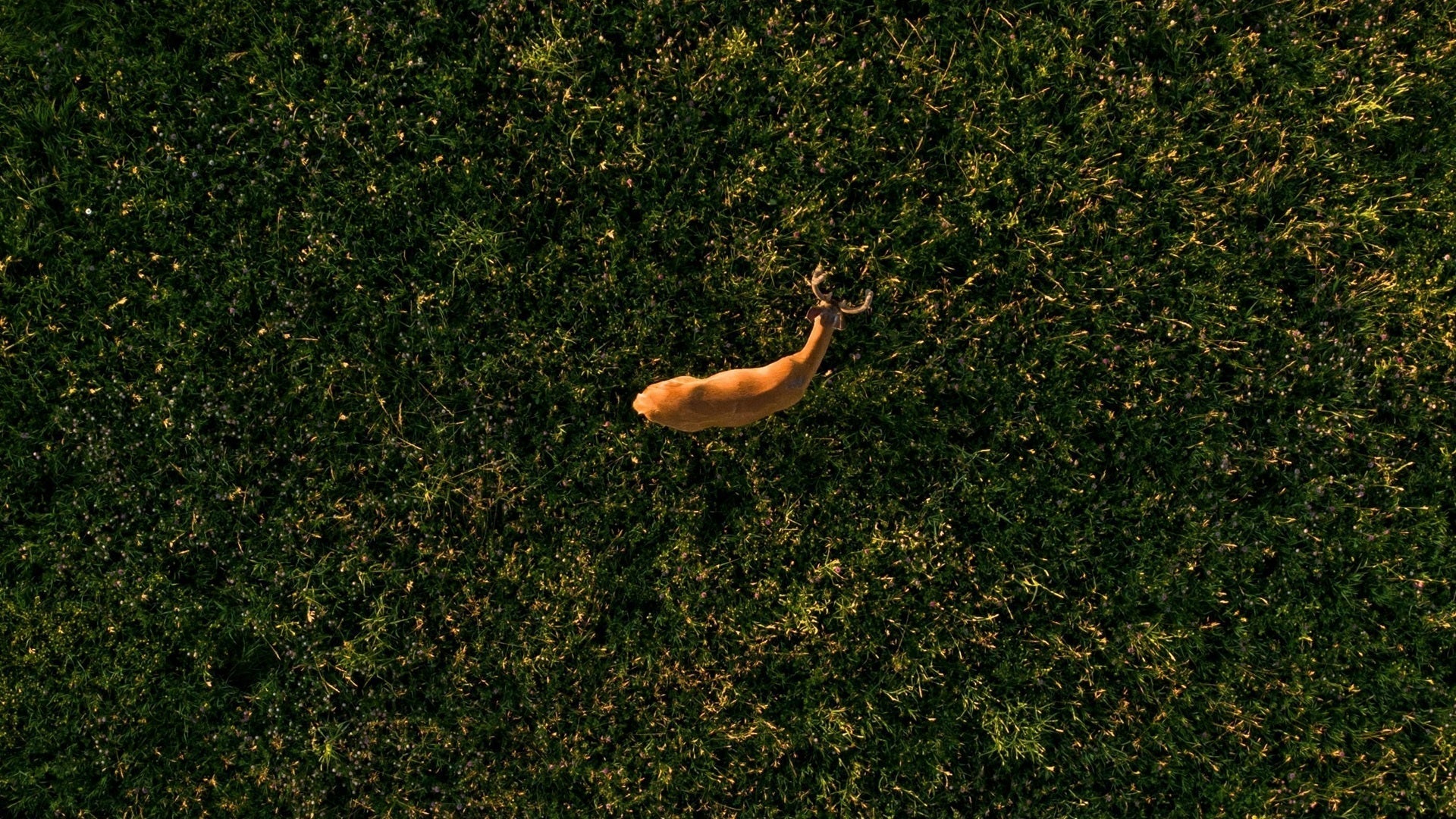
Why Wyoming?
Wyoming offers hunters the chance to pursue large‐scale big game across vast, sparsely populated lands. With broad high plains, rugged mountains, deep forests and wide valleys, the state supports abundant herds of elk, deer, bison and bear, and offers some of the most classic Western big‐game hunts in the U.S.
Key advantages include:
-
Vast, open terrain with low human density, increasing the chances of true wilderness experiences.
-
High big‐game densities, with species such as elk, mule deer, bison and bear well represented through many Game Management Units (GMUs).
-
Big game focus: The state is a favorite for trophy hunters, photo‐documentaries and wilderness hunts.
-
Regulated yet rewarding seasons: WGFD provides structured seasons, drawing systems and quotas to maintain herds yet provide opportunity.
Hunters planning trips should consult the WGFD “Big Game Regulations” section on the website for tag draws, unit boundaries, bag limits and special conditions.
Featured Species & Season Highlights
Below are the flagship species for Wyoming’s 2025‐26 hunting calendar: elk, deer, bison and bear—along with some season windows and key notes. Note: precise dates and harvest quotas differ by GMU/hunt area—always verify with the official WGFD regulation booklet.
1. Elk
Elk connect strongly to the image of Western freedom and rugged terrain—and Wyoming delivers that in full.
General season dates (varies by area) include archery in early September and rifle seasons stretching into early 2026. According to regulation summaries, typical windows might include: archery season around September 1–30, 2025; rifle/gun season from October 1, 2025 to January 31, 2026.
Hunters must obtain the appropriate tag or preference points in the WGFD draw system. Many of the quality elk units are limited‐entry.
Because elk prefer mountain or timber country, many hunts combine elevation, snow, rut timing and access challenges—ideal for those seeking true wilderness hunts.
2. Deer (Mule & White‑Tailed)
Wyoming supports both mule deer and white‐tailed deer, each across diverse habitats—from timbered ridges to sagebrush plains.
General season frames indicated: archery from September 1–30, 2025; general rifle seasons from September 1 through December 31, 2025 in many units.
Tag allocation and bag limits vary by hunt area, species and antler designations. The WGFD Regulation booklet lists “Deer Seasons” for each area.
Deer hunts are accessible and often serve as a gateway into Wyoming’s bigger game opportunities.
3. Bison (Wild Buffalo)
Hunting wild bison is one of Wyoming’s most unique big‐game opportunities. Specific hunt areas are defined by WGFD; for example, Hunt Area 2 opens August 15, 2025 and runs to January 31, 2026 (as per external summary) though hunters must verify from the official website.
Because of the massive size, geographic distribution and management of bison herds, these hunts are limited‐entry and carry special regulations, offering rare experiences not available in many other states.
4. Bear (Black Bear)
Bear hunting in Wyoming is available in both spring and fall in many units. For black bear, general season windows might include archery in April–May 2025, and firearm seasons or archery in late summer/autumn (e.g., August 1 – November 15, 2025).
Hunters must pay careful attention to methods of take, baiting and hound regulations which vary by hunt area. These hunts appeal to both trophy seekers and method‐hunters alike.
Licensing, Permits & Regulation Notes
-
All hunters must hold a valid Wyoming hunting license, plus the appropriate big‐game tag or permit. Many big‐game hunts are limited‐entry, requiring application by set deadlines.
-
The WGFD uses a preference point system for many draw hunts; importantly, hunters with points often have better odds.
-
Bag limits and methods of take vary by species and management unit. For example: many big game species carry a limit of one animal per license in a given season.
-
Season summary tables indicate that archery hunts may begin earlier (often September), rifle/general hunts later in fall, and some hunts extend into winter or early next year—depending on unit.
-
Hunters must adhere to WGFD regulations on tagging, reporting harvests, and respecting land‑use rules (public vs private). Drawing hunts may also require additional fees or conditions.
Planning Your Hunt
Terrain & Access
Wyoming’s terrain diversity—from high mountain ranges and forested slopes to sagebrush basins and river breaks—makes each hunt unique. For example:
-
Elk hunts often take place in rugged mountain or timber zones, requiring physical fitness and high‐altitude preparation.
-
Deer and bison might be found across more open country or tundra/plateau zones, offering different hunting styles.
-
Bear hunts may involve timbered canyons or remote backcountry access.
Timing & Wildlife Behavior
-
Rutting season: Many large game species are more active in early fall (September–October), meaning early seasons can offer more movement and sighting opportunities.
-
Weather & conditions: Wyoming weather can change rapidly; snow, cold nights, and wind can impact hunts in late season.
-
Guided vs DIY: While DIY hunts are possible, many hunters choose guided hunts for big game to maximize success rates, especially in unfamiliar terrain or limited‑entry units.
Why It Matters
Wyoming offers some of the most profound big‑game hunting experiences in North America:
-
Harvesting an elk, bison or large mule deer in Wyoming can be the apex moment of a hunter’s career.
-
The low hunter density in many units, combined with wild landscapes and trophy potential, allows for hunts that feel remote and rugged.
-
For documentary or wildlife photography as well, Wyoming’s landscapes and animals provide iconic imagery.
Summary & Key Highlights
-
Wyoming is a top-tier destination for big‐game hunters thanks to its vast, wild landscapes, diverse species, and structured hunting systems.
-
Key species featured for 2025–26 include elk, deer, bison and bear, all with significant opportunity and challenge.
-
Licensing, tag draws and unit regulations are critical—planning ahead is essential.
-
Hunters should always verify unit‐specific dates, bag limits and methods of take through the official WGFD resources.
-
Whether hunting rugged mountains for elk or open plains for bison or deer, Wyoming delivers unmatched wilderness experience and trophy potential.



Share:
Montana 2025–2026 Game and Furbearer Hunting Seasons
Not Sure What to Get This Christmas?