

Effective urban pest control requires a specific balance of stealth and accuracy. When you are working in such an environment, your gear choice is the difference between success and a headache. You need a platform that offers enough power for a clean harvest without causing excessive noise or property damage.
We are going to look at why choosing the right caliber and optic is so important in a PCP air rifle setup. Having a quiet rifle that you can trust makes the job much easier. A well-planned setup ensures you stay discreet while maintaining total control over your shots.

Building a PCP Setup for Urban Pest Control: The Basics
Creating a functional kit for managing pests in residential or industrial areas requires careful planning. You cannot simply grab any rifle and expect professional results without considering the specific environment. A successful build focuses on silence, size, and surgical accuracy to get the job done right.
You need to prioritize components that offer high reliability under pressure, and this usually means selecting PCP air rifles for pest control that can withstand repeated use in many weather conditions.
That’s why we’ll talk about the many points that you should consider. Every piece of gear, from the trigger to the muzzle device, and every factor in your build must work in perfect harmony to ensure a successful outcome.
Choosing the Right Caliber for Urban Pest Control
Selecting the proper caliber is your first major decision when building your kit, but it usually boils down to choosing a .22 caliber or a .177.
For most urban tasks, a .22 caliber air rifle is often considered the perfect middle ground, and it provides more knockdown power than a .177 while remaining easier to silence than a .25 or larger bore. A .22 pellet carries enough energy to handle larger pests effectively at typical backyard distances.
However, if you are working inside a warehouse or a very small garden, a .177 might be better to reduce the risk of over-penetration. It is all about matching the projectile's weight and size to your specific target and surroundings.
 Power and Velocity: Finding the Sweet Spot
High velocity is not always your friend when you are working in tight spaces. Pushing a pellet too fast can lead to decreased accuracy and excessive noise that alerts the neighborhood. For most urban pest control tasks, you want to keep your muzzle energy consistent and your speed subsonic.
Finding the sweet spot usually means staying between 800 and 950 feet per second. This range ensures that the pellet remains stable in flight and delivers a clean impact. It also keeps your air consumption efficient, so you get more shots out of every fill.
Optics: Precision Starts with What You Can See
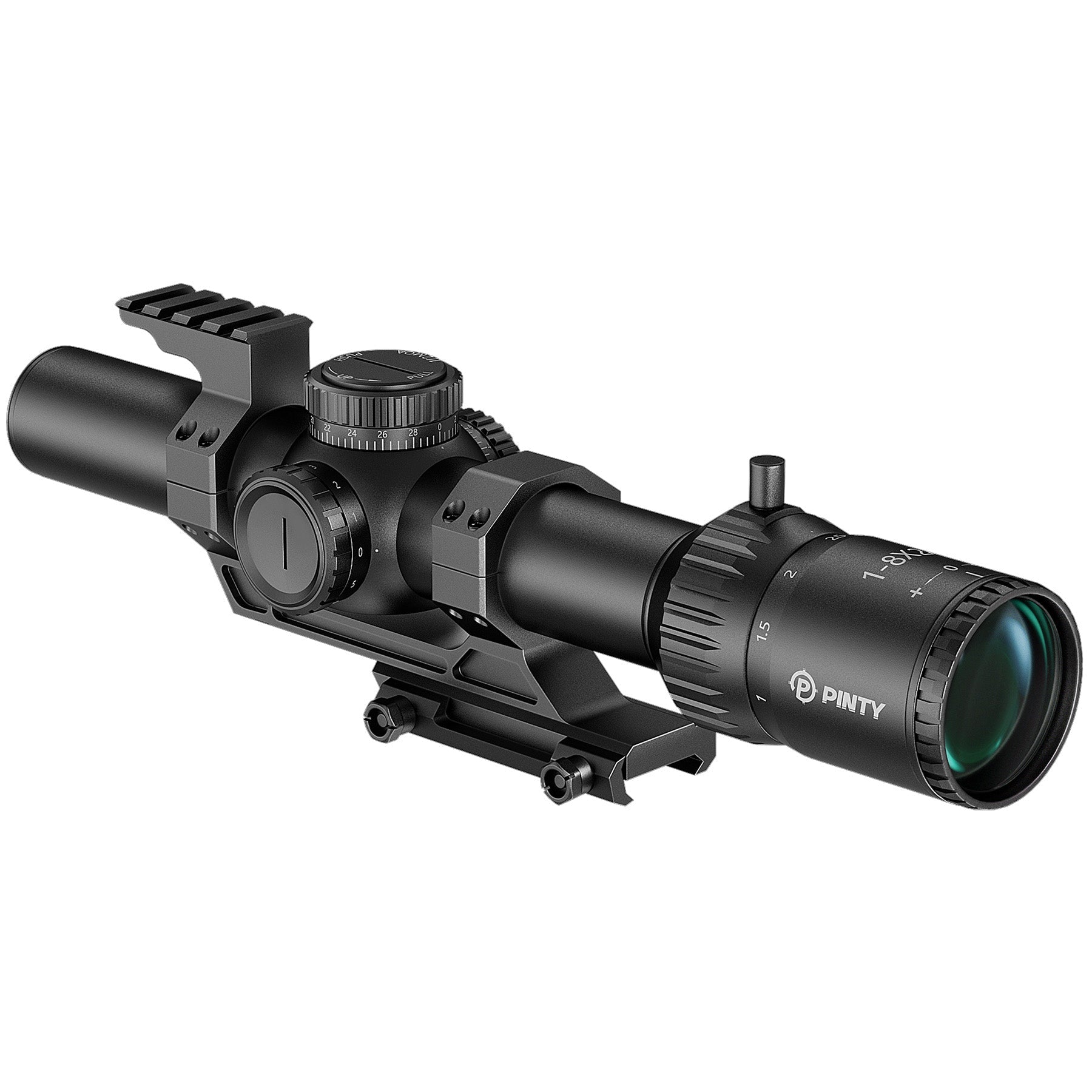
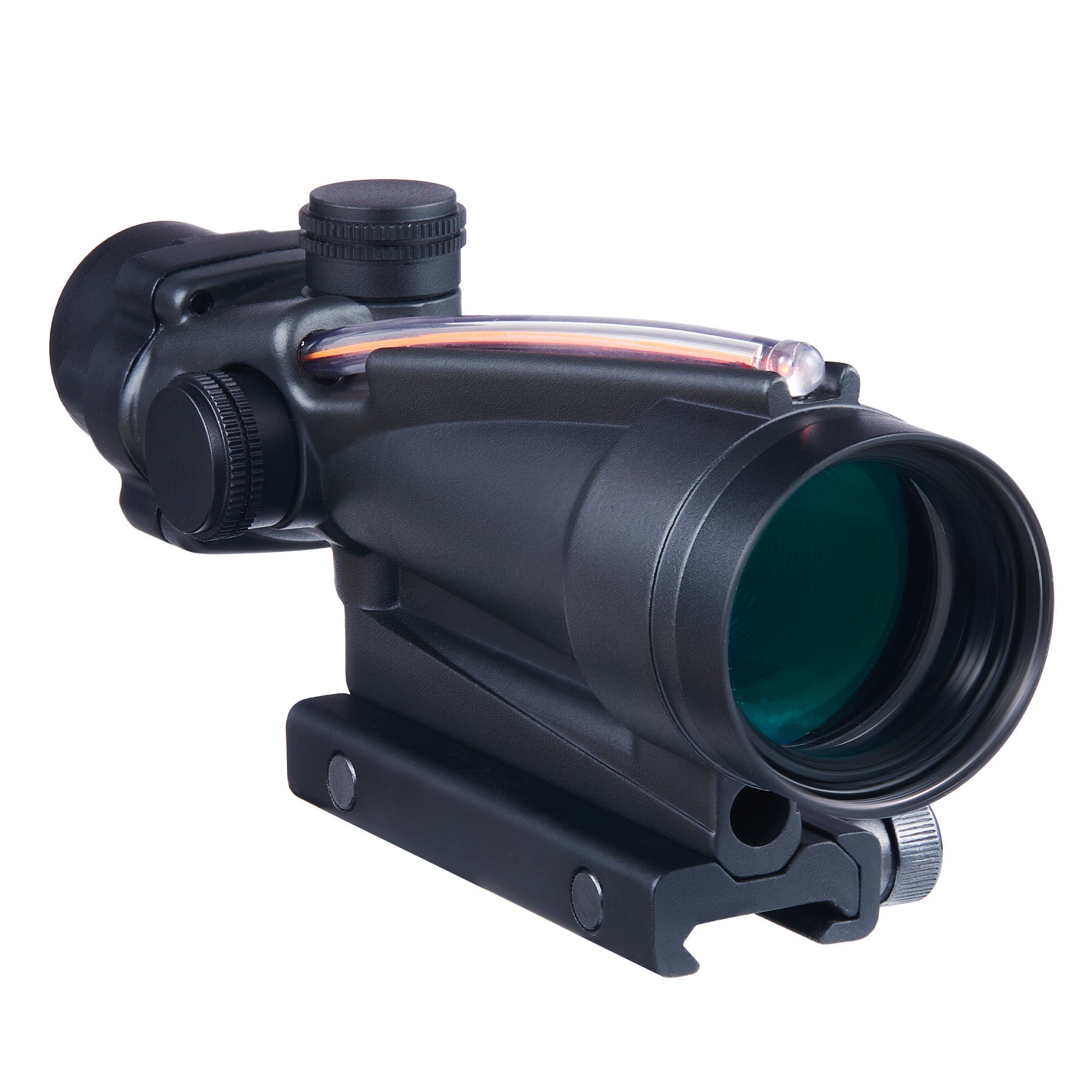
In an urban environment, your targets are often obscured by shadows or hidden within complex structures. You need an optic that offers a clear, bright picture and a reticle that is easy to pick up quickly.
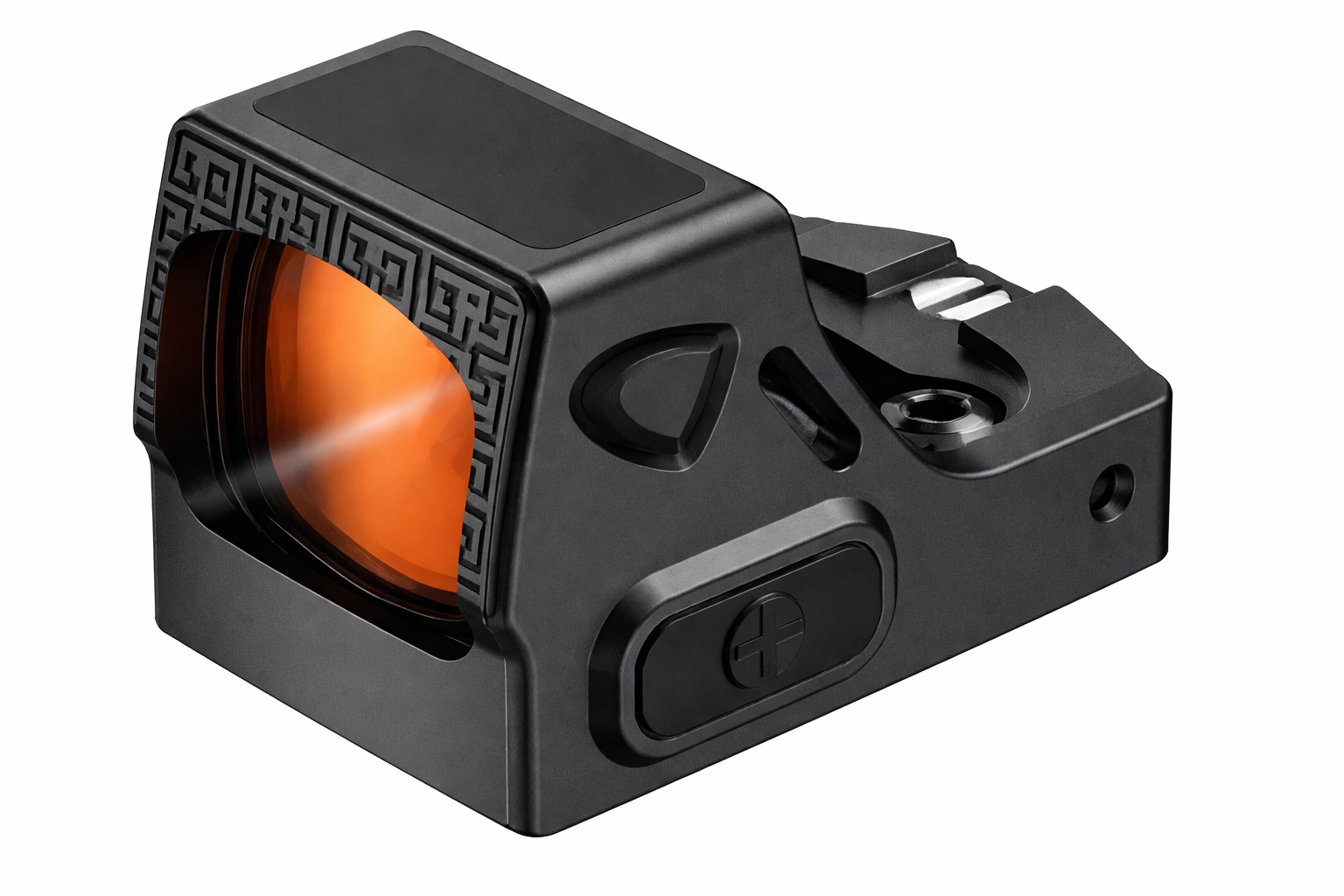
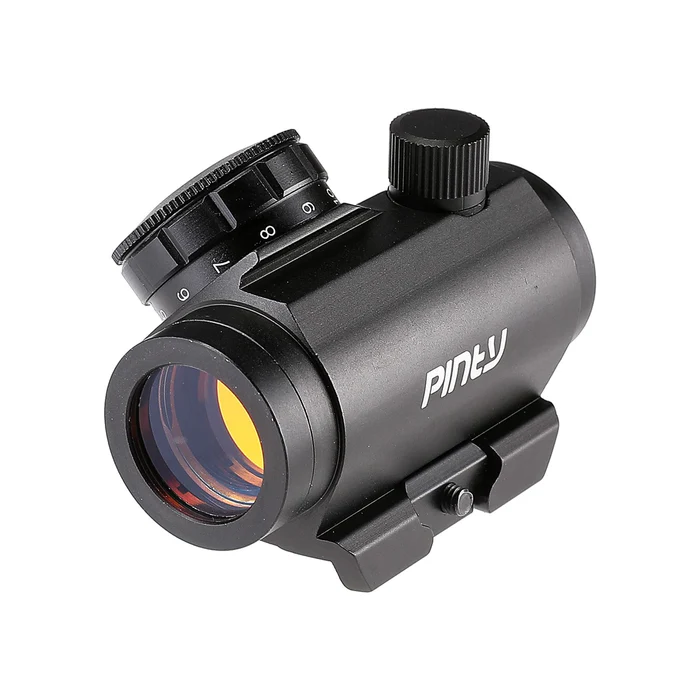
A reflex sight like the Pinty 1x40 is an excellent choice for close-range work because it offers an unlimited field of view. This allows you to keep both eyes open, which is a massive advantage for maintaining situational awareness. You can track moving pests easily without losing your sense of the surrounding environment. Choosing a PCP air rifle with a compact scope or a high-quality reflex sight allows you to stay agile while moving through tight corridors or alleys.

Ammunition Selection: Accuracy Over Everything
Even the most expensive rifle will perform poorly if you use low-quality ammunition. You should always test several different pellet weights and brands to see which one your barrel prefers. For urban environments, dome-headed pellets are a popular choice because they maintain their velocity and accuracy over typical distances.
Weight also plays a critical role in how the projectile behaves upon impact. A heavier pellet in .22 caliber will help retain energy and resist wind drift better than a lighter option. This ensures that your shot goes exactly where you intended, which is vital for safe and effective results in tight spaces.
Stability and Shooting Platform
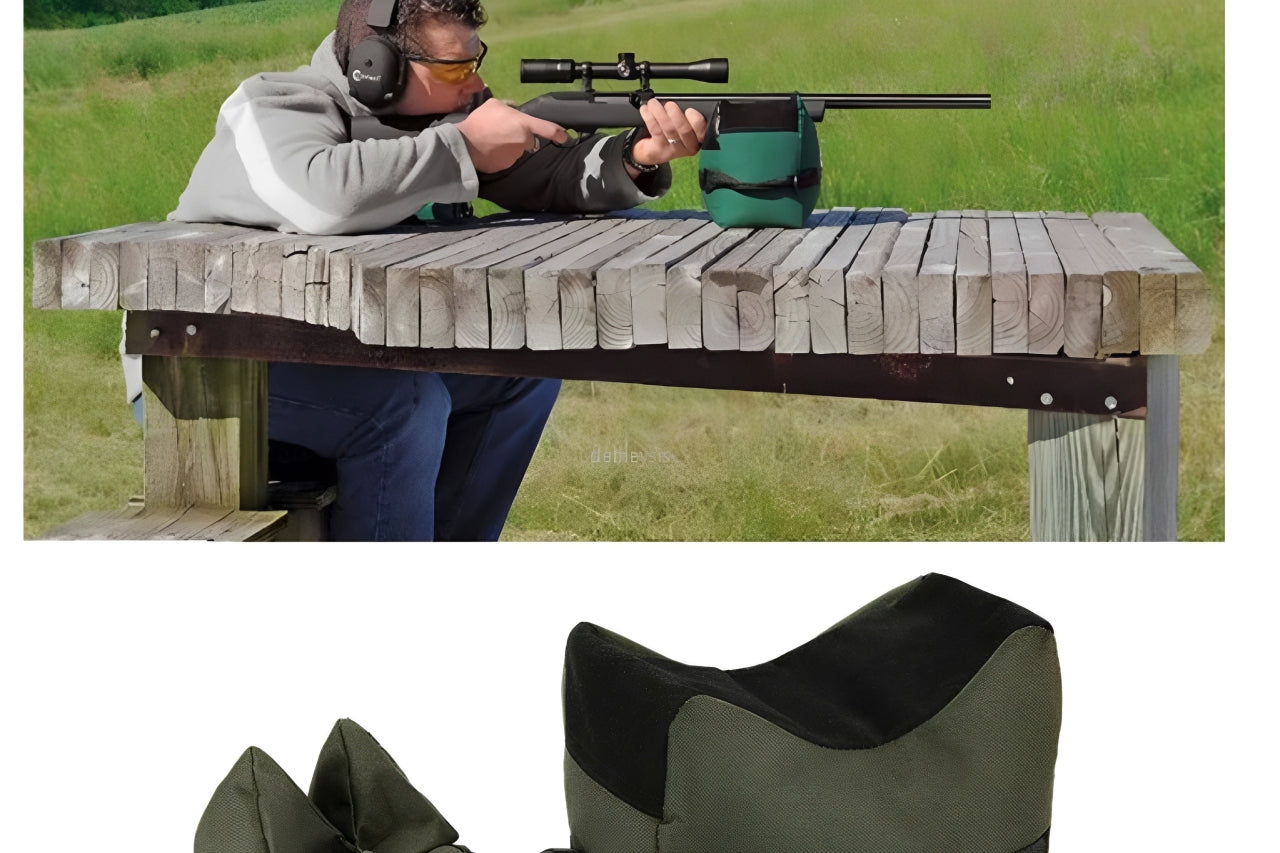
A stable shooting position is the only way to ensure your shots land. In the field, you rarely have the luxury of a benchrest, so you must rely on portable solutions. A steady rifle means a clean shot, which is the goal of every professional operator.
Using a bipod or a lightweight tripod can give you the steady base needed for long-range accuracy.
You should also practice shooting from different positions, like kneeling or leaning against a wall. This flexibility allows you to adapt to the unique layout of any urban environment.

Shot Placement and Ethical Considerations
Precision is more than just hitting a target - it is about ensuring a quick and humane result. When performing pest control in populated areas, you have a responsibility to be as efficient as possible. This means waiting for the perfect angle and only taking the shot when you are certain of the outcome.
Targeting the brain or the vital heart and lung area is the standard for ethical work. A well-placed pellet from one of your quiet pest control rifles ensures the animal does not suffer or run into an inaccessible area.
Additionally, you must always be aware of what is behind your target to prevent any accidents or property damage.
How to Build a Well-Balanced Setup
Achieving field precision requires a harmony between your rifle's output and the specific constraints of your environment. You cannot simply maximize power because high-pressure shots often lead to excessive noise and wasted air. Instead, you should focus on a balanced configuration where every component supports a stealthy and accurate shot.
-
Consistency is Key: A regulated system ensures that every shot leaves the barrel at the same velocity. This eliminates vertical stringing and helps you maintain a tight group even at the end of your air tank.
-
Size Matters: In tight urban spaces, a shorter rifle is much easier to maneuver around corners or inside buildings. Using a compact scope keeps the overall profile low and prevents the gear from snagging on obstacles.
-
Stealth and Safety: Always prioritize a setup that keeps the sound signature below the ambient noise of the area. This protects your hearing and ensures that your presence remains unnoticed by people nearby.
Balance also extends to how you manage your air supply and fill pressures. You should monitor your onboard gauge to ensure you stay within the optimal operating range, usually between 2000 and 3000 PSI. This prevents low-pressure shots that could drop unexpectedly and miss the target.
The Ideal Configuration: An Example
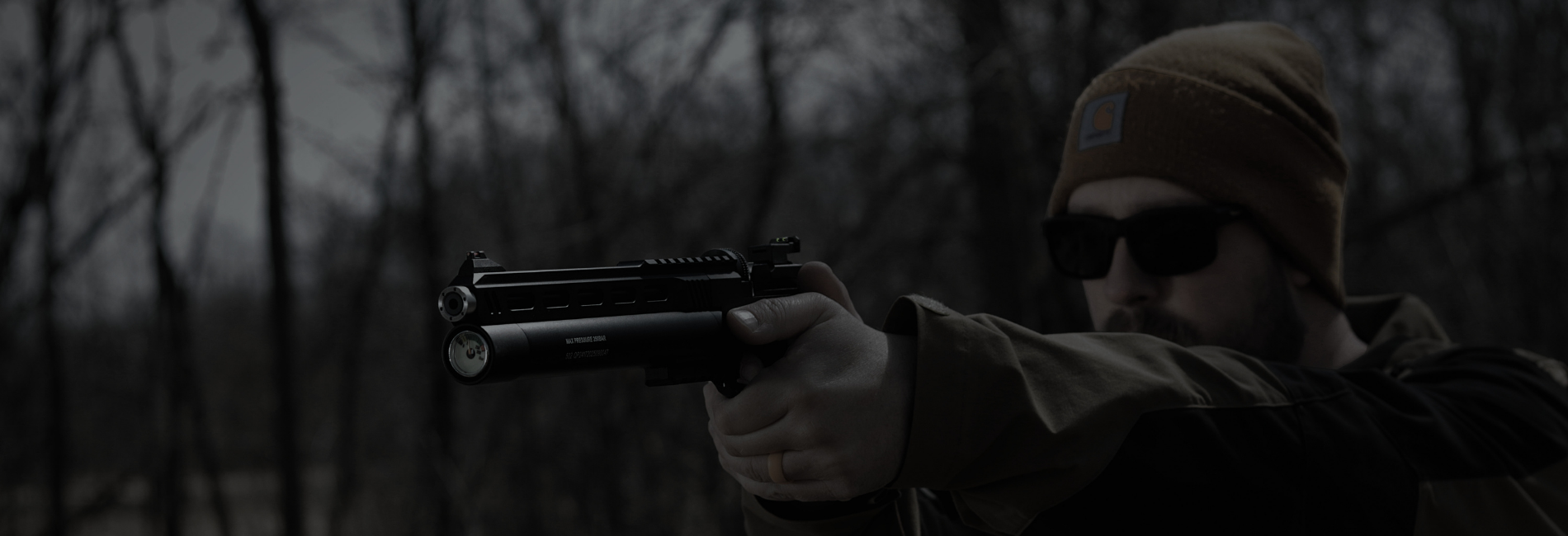
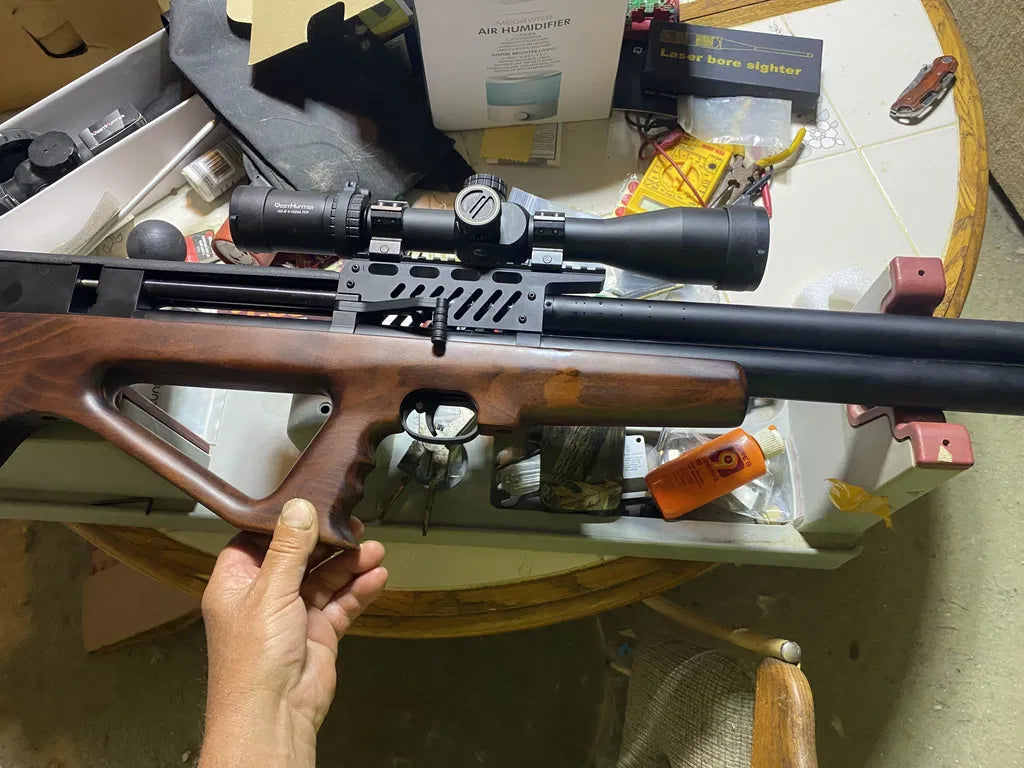
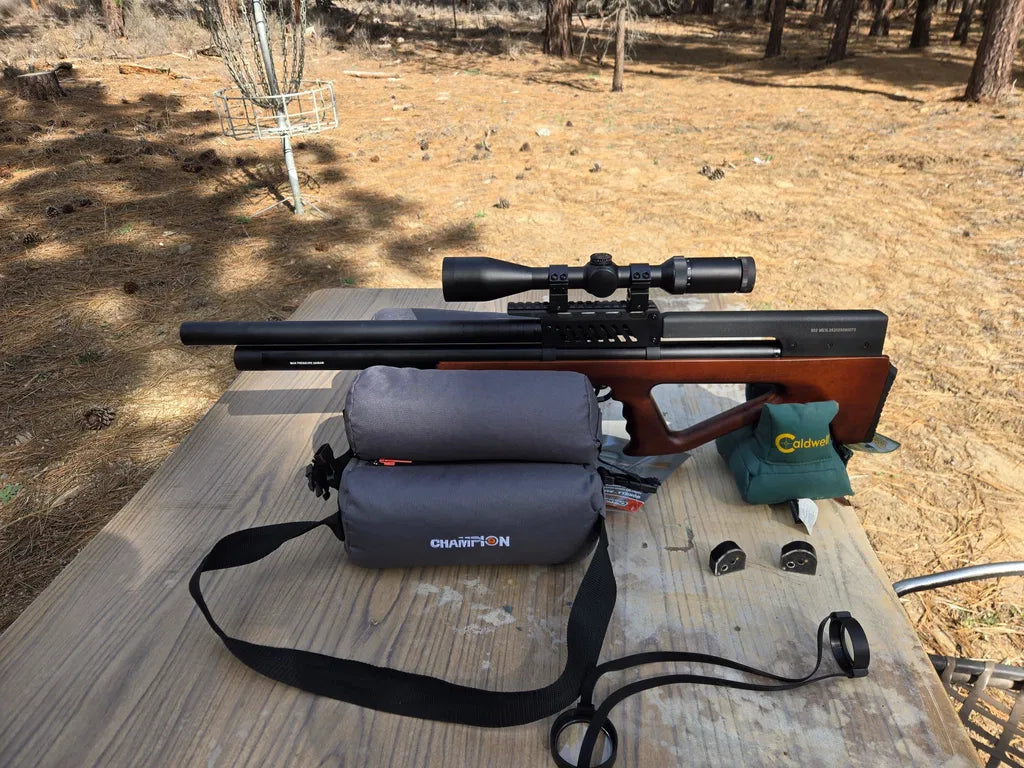
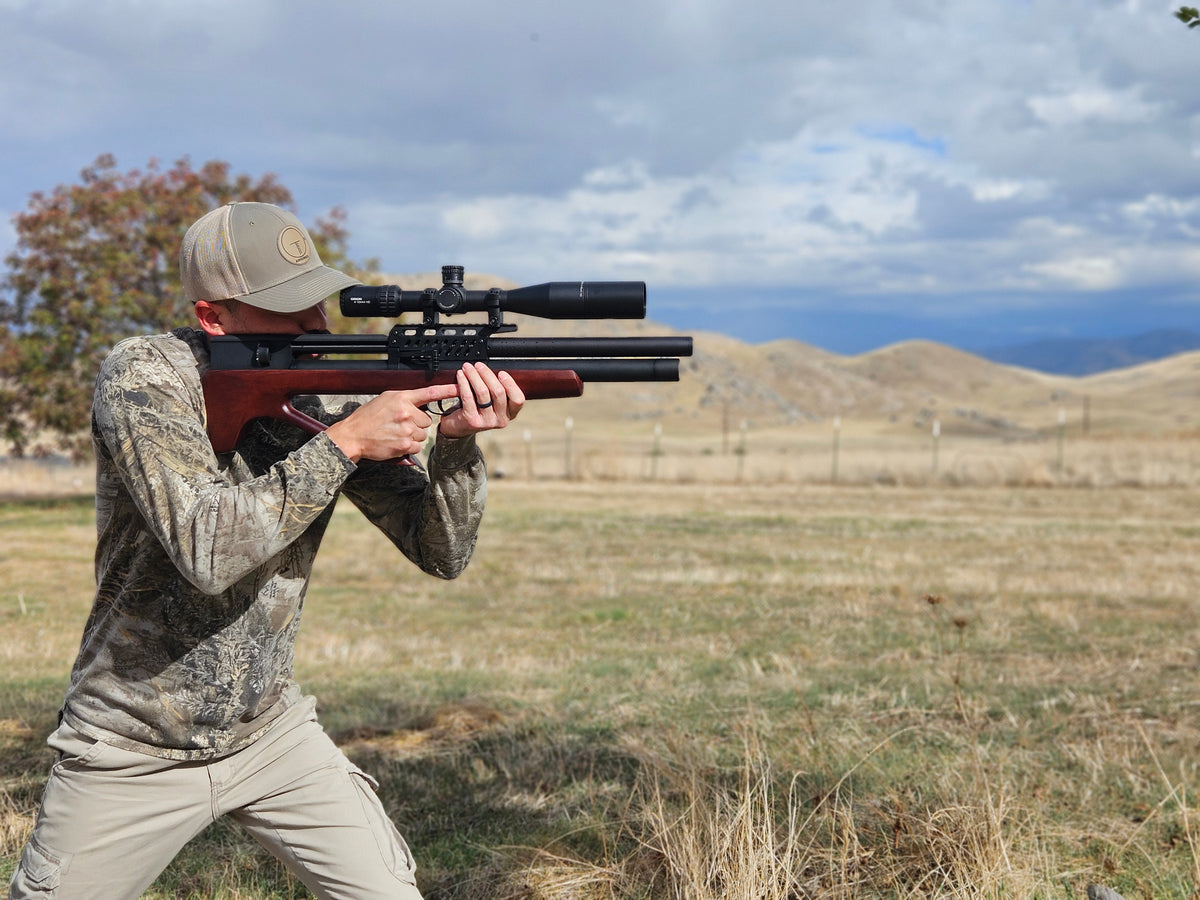
If you want a setup that embodies these principles, the Pinty Striker - 9 Pellet .22/.25 Cal PCP Air Gun is an excellent foundation for any professional kit. This .22 caliber platform features an internal regulator that keeps your shots consistent by managing the air flow from the tank.

The Striker also comes equipped with a shrouded barrel and a muzzle moderator to keep your operation silent. When you pair this rifle with a 1x40 reflex sight, you get a fast and agile system for managing pests at close ranges. This specific combination of PCP air rifles for pest control allows you to maintain total control over your environment while staying completely discreet.
-
Regulated Power: It includes a built-in pressure regulator that maintains consistent velocity between 1450 and 2175 PSI. This ensures that your shot placement remains identical from the start of the tank to the end.
-
Caliber Options: The rifle is available in both .22 and .25 calibers to suit different pest control needs. The .22 caliber version offers higher velocity, while the .25 provides more energy on impact.
- Compact Bullpup Design: With an overall length of just 32.8 inches, it is easy to transport and maneuver in tight spaces. Despite its small size, it still features a full 22-inch barrel for maximum accuracy.
-
High Air Capacity: The 310 cc air reservoir supports up to 30 regulated shots per fill at a maximum pressure of 3625 PSI. This gives you plenty of trigger time before needing to refill.
-
Quiet Operation: It features a shrouded barrel and a muzzle moderator to capture expanding air. This design makes it a truly quiet PCP rifle suitable for residential use.
The side-lever action is smooth for fast follow-up shots, and the 9-pellet magazine allows for rapid reloading. It also includes a manual safety lock to prevent accidental discharge during handling.
 Final Thoughts
Mastering proper pest control requires a commitment to both technical precision and operational discretion. By selecting the right combination of regulated power and suppressed barrels, you can manage environments with total confidence.
Building a balanced setup is an investment in your long-term success in the field. When you prioritize accuracy over raw power, you achieve cleaner results and maintain a professional reputation. Use these guidelines to create a platform that can serve you reliably for years to come. Explore PCP chosing a PCP air rifle for a homestead.



Share:
Will a 9mm Stop a Bear? Facts, Risks & Effectiveness Explained
Top 10 Air Rifle Accessories You Need