

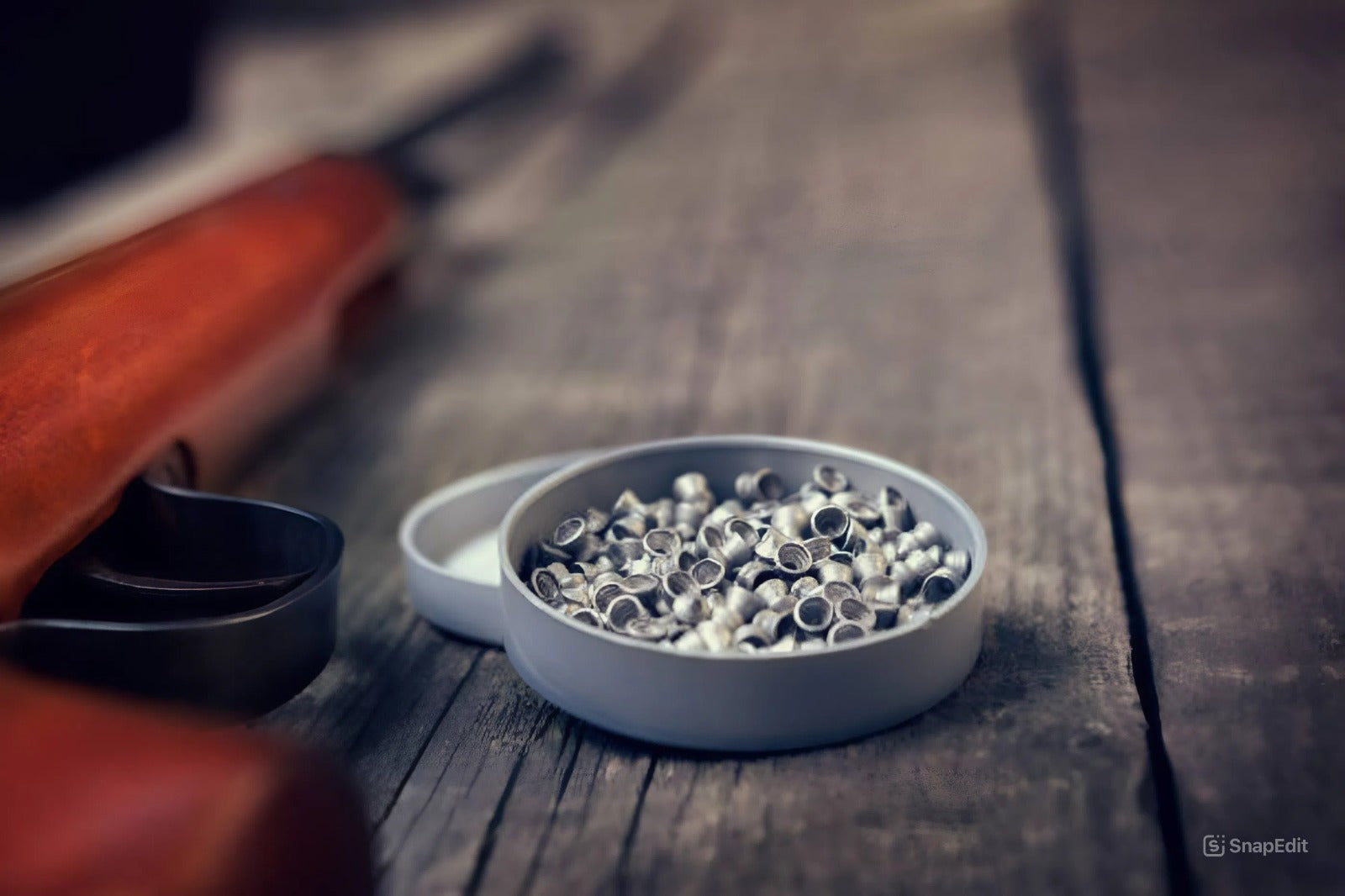
Every shooter needs to ask how many shots they get from their pcp air rifle before they start their journey. If you are miles away from your fill station, running out of air can end your session early.
Understanding these limits allows you to plan your shots and manage your air supply effectively. It ensures you never get caught with an empty tank when the perfect shot presents itself, because consistent performance depends on knowing exactly when your pressure starts to dip.

What Is Shot Count in a PCP Air Rifle?
The shot count in a PCP air rifle is the number of times you can pull the trigger before refilling, and it varies by model. Your expected volume depends entirely on the size of the air reservoir and the power level of the rifle. A small carbine designed for portability will naturally have a shorter string than a heavy benchrest rifle.
If you are using a high-caliber model for big game, your shot count will be significantly lower than that of a small-bore plinker. It is all about how much air is released with every single hammer strike.
Average PCP Shot Count: What Can You Expect?
- Small cylinders: These compact tubes usually provide between 20 and 40 consistent shots.
- Standard reservoirs: A mid-sized rifle often delivers 50 to 80 shots per charge on a pcp air rifle.
- Large bottles: High-capacity carbon fiber tanks can easily push past 150 shots.
- Big-bore rifles: Large caliber hunters might only get 5 to 10 full-power shots per fill.
You must balance your need for a high shot count with the weight of the rifle. A massive air bottle makes the gun front-heavy and harder to carry through the woods. Most manufacturers provide an estimated count based on a specific muzzle energy. If you tune your rifle for more power, expect those numbers to drop quickly.

Key Factors That Affect Shot PCP Air Rifle Shot Count
The capacity of your air system is dictated by more than just the size of the tank. While a larger volume of air naturally leads to more shots, how that air is managed makes all the difference. When you ask how many shots you get from a pcp air rifle, you are really asking about the efficiency of the internal valve.
The power level you choose will directly dictate how much air is used per shot. High-velocity settings require a massive blast of air to push a heavy pellet down the barrel. This will drain your pressure much faster than a lower-power target setting.
- Tank Volume: A larger cubic centimeter capacity means more raw air is available for each string.
- Fill Pressure: Higher PSI ratings, such as 3,600 or 4,350, allow for a longer starting point for your shots.
- Pellet Weight: Heavier projectiles require more energy to move, which often leads to higher air consumption.
- Valve Spring: The tension on the hammer and valve determines how long the air port stays open.
Temperature also plays a surprising role in how many shots pcp air rifles can produce. In cold weather, the air inside your cylinder contracts, leading to a lower effective pressure. This physical change can reduce your total shot count by ten or fifteen percent on a winter day.
 Pinty's Striker: High Shot Count, Easy to Use
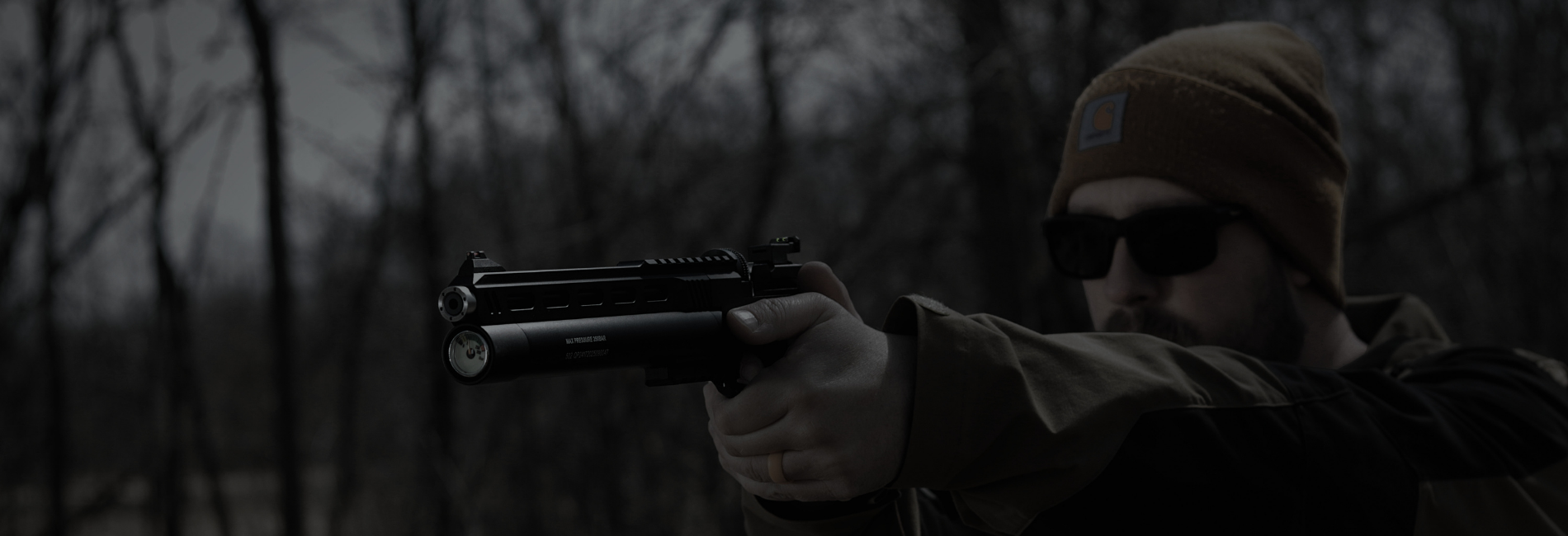
Consider stepping up your shooting game with Pinty's .22/.25 PCP pellet air rifle. Its 310 cc tank delivers roughly 90 shots per fill, and it has dual large magazines with a smooth sidelever that make follow-up shots effortless.
You can add scopes, lights, or a bipod on the 21 mm Picatinny rail to customize your setup for every session. It fires .25/.22 caliber pellets at speeds up to 800 fps with a built-in regulator for consistent precision.
How to Increase Your PCP Air Rifle Shot Count
If you want to increase the number of shots you get from a pcp air rifle, you must look at the harmony between the hammer and valve. Tuning these internal components can often squeeze an extra twenty shots out of a standard cylinder.
One easy way to improve your count is to find the optimal fill pressure for your specific rifle. Many shooters overfill their tanks, thinking more air equals more shots, but this can actually lock the valve and waste air. Finding the sweet spot where velocity stays consistent is the first step toward a longer string.
Other Ways to Increase PCP Air Rifle Shot Count
- Hammer tension: Adjusting the spring tension can reduce the amount of air released per shot.
- Pellet selection: Using a lighter, more efficient pellet can sometimes allow for a lower power setting.
- Regulator tuning: Lowering the set pressure can significantly increase your air rifle shots per charge.
- Leak detection: Regularly checking your seals prevents slow air loss over time.
You might also consider adding an aftermarket plenum or a larger air bottle to your setup. A larger PCP air rifle cartridge increases the total volume of air available without changing the rifle's power.

Regulated vs Unregulated: Which Gives More Shots?
Choosing between a regulated and an unregulated air rifle is a major decision. The internal regulator acts as a gatekeeper that ensures every shot uses the same amount of air pressure. When you ask how many shots you get from a pcp air rifle, the answer changes based on this internal valve.
An unregulated rifle starts with high pressure that slowly drops as you fire each shot. This creates a bell curve where the velocity starts low, peaks, and then falls off again. You might get more total shots, but only a fraction will be truly consistent for target work.
- Regulated Models: These provide a flat velocity string until the tank pressure drops below the set point.
- Unregulated Models: These often have a higher peak power but require learning a specific power curve.
- Consistency: Regulators eliminate vertical stringing that happens as air pressure naturally declines over time.
- Complexity: Regulated systems have more internal parts that may eventually require additional maintenance.
Many hunters prefer unregulated rifles for the raw power offered in those first few critical shots. However, for a competition shooter, regulated pcp air rifle shots are much more valuable. Having fifty identical shots is always better than eighty shots that land in different spots.
Shot Count vs Accuracy: What Really Matters?
When you look at the raw data for your rifle, it’s easy to get caught up in high-volume numbers. However, the true test is how many shots do you get from a pcp air rifle that land where you aim.
- If shots drift as pressure drops, your practice suffers. Accuracy must always remain your primary goal.
- Velocity consistency: Small deviations in feet per second lead to large vertical misses at long ranges.
- Harmonic balance: Every barrel has a "sweet spot" velocity where it shoots the tightest groups.
- Point of impact: Monitoring your pressure gauge tells you exactly when your zero will start to shift.
- Shooter fatigue: Firing hundreds of shots in a row can lead to poor form and missed targets.
A consistent 30-round string is often more valuable than a scattered 100-round string. For a hunter, the total capacity is secondary to the reliability of the regulator. Precision shooting requires removing variables like jumping air pressure that skill cannot overcome.
 Final Thoughts on PCP Air Rifle Shot Counts
Spending time with a chronograph helps you understand this relationship and your velocity changes. This data creates a kill zone for your pressure gauge. Ultimately, the balance between quantity and quality remains a personal choice for every marksman.
You may also be interested in how to load a pellet air gun and why the proper loading technique matters, especially if you are looking to make the most of your pellets and other resources.



Share:
How Does A PCP Air Rifle Work
How Far Does a Pellet Gun Shoot?