

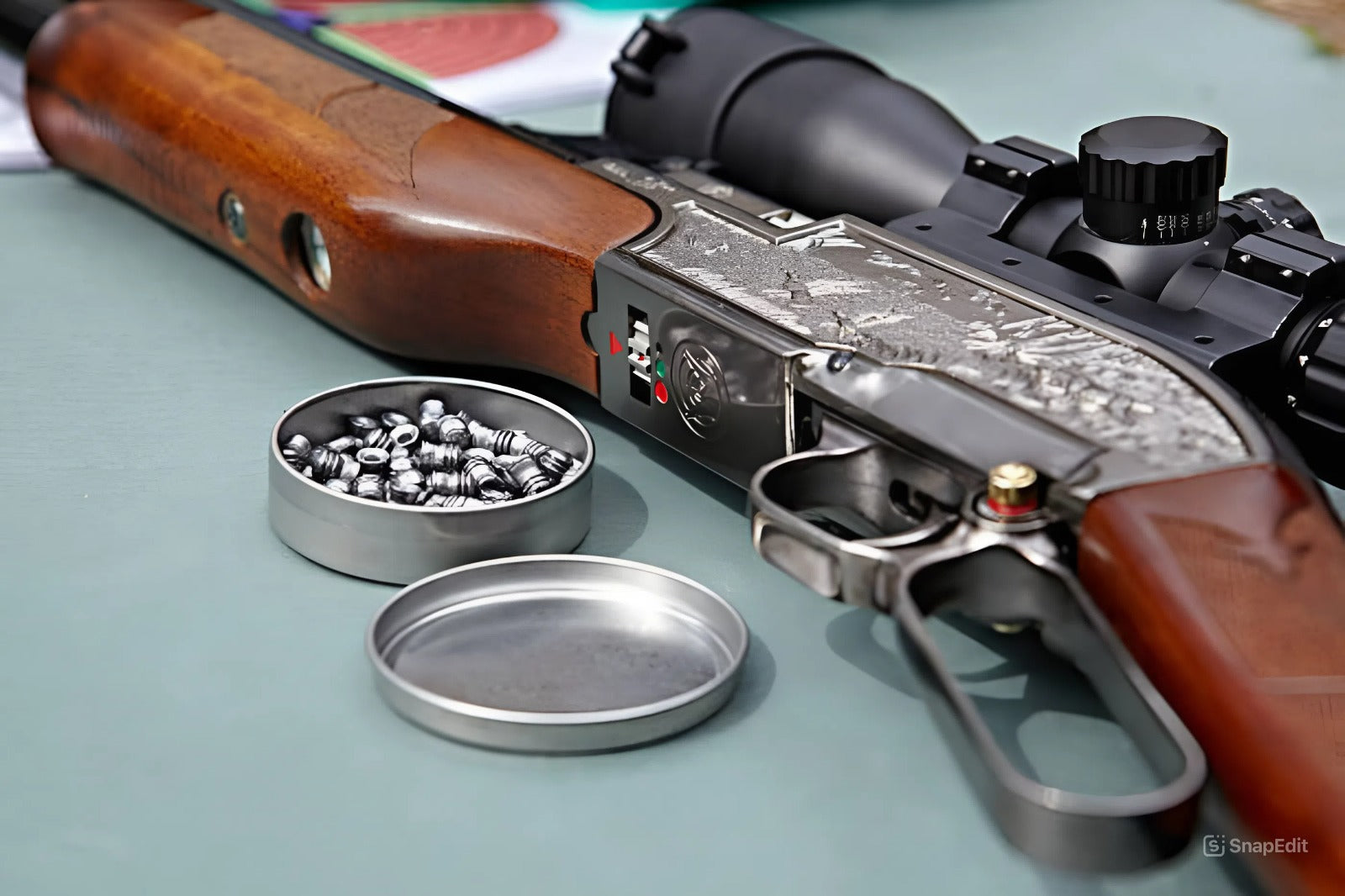
You have probably already heard the phrase “never dry fire an air gun.” But there is some nuance there, and it does not apply to all air guns.
To be clear, dry-firing an air gun can quietly cause damage, the worst kind of damage where you don’t notice until accuracy drops, seals fail, or repairs become unavoidable. But that only happens when you dry-fire the wrong type of air gun. Some air guns are perfectly fine to be dry-fired.
The key is to know the difference between air guns that can be dry-fired and those that can not: knowing this difference will save you money, frustration, and unnecessary wear.

Can You Dry Fire an Air Gun?
The correct answer to the question of whether you can dry fire an air gun or not is that it depends on the type of air gun. To “dry-fire” simply means pulling the trigger without a pellet loaded. So, whether that’s safe depends entirely on how the air gun generates and controls power.
Air guns that should NOT be dry-fired
Two main types of air guns should not be dry-fired: Spring-piston and gas-ram air rifles (often break-barrel or underlever designs). These air guns rely on air resistance from the pellet to cushion the piston’s forward motion.
When you dry fire them, here’s what happens:
- The piston slams forward violently.
- That sudden stop can damage the piston seals, springs, or gas rams and the internal components over time
Air Guns that Are Not Safe to Dry Fire
For some air guns, dry firing is possible, but not safe. In fact, if your air rifle has any of the following features or characteristics, it is best not to attempt to dry fire it:
- It cocks with a break-barrel or lever
- It makes a noticeable mechanical “thump.”
- It has strong recoil despite firing pellets
Air guns that can usually be dry-fired safely
PCP (Pre-Charged Pneumatic) and CO₂ air guns are generally safe to dry fire. This is because they use stored compressed air or gas, not a moving piston. As a result:
- No internal part relies on pellet resistance to prevent damage
- Dry firing simply releases air, similar to firing a very light shot
Most modern PCP rifles can be dry-fired for function checks, trigger testing, and safe de-pressurization (following manufacturer guidance)
Dry Firing an Air Gun: How to Check
If you are unsure as to whether your gun can be dry-fired or not, the best course of action is to check the owner’s manual. Usually, it is clearly specified in the manual whether the air rifle can be dry-fired or not.
- Another way of knowing is whether it has a built-in air reservoir (PCP) or not. PCP air rifles are usually safe to dry fire.
- Also, you can check whether cocking compresses a spring (springer/gas ram). In that case, dry-firing will leave it prone to damage in the long run.
With air rifles, it is usually wiser to assume that dry firing is unsafe unless the manufacturer says otherwise.

Dry Firing and Air Gun: Risks and Consequences
Dry-firing the wrong air gun doesn’t usually cause instant failure, but it does cause cumulative damage. Here are four common problems caused by dry-firing spring-powered air guns:
- The piston seals get damaged. These seals rely on controlled air compression. Dry firing causes them to slam forward, shortening their lifespan.
- Springs/gas rams get weakened or broken. The shock load is far greater without a pellet slowing things down.
- Your air rifle loses power and accuracy. Damage isn’t always obvious right away. You may just notice your rifle doesn’t shoot like it used to.
- Increased vibration and noise. These are early warning signs that something inside is wearing prematurely.
In short, dry firing is like revving a car engine at redline with no load: it might survive once or twice, but it’s not doing it any favors.
Dry Firing An Air Rifle: What to Do Instead (Alternatives)
If your goal is to test, unload, or safely release tension, there are better and safer options that would not threaten or diminish the long term functionality or durability of your air gun. Here are some methods you can use instead of dry-firing an air gun:
1. Fire a pellet safely into a trap
Load the air gun with a pellet and fire into a proper pellet trap or safe backstop. This method works because it provides the air resistance the rifle needs while letting you safely discharge it. It works best for spring-piston and gas-ram air rifles.
2. Use snap caps or felt cleaning pellets
Snap caps and felt cleaning pellets are special, lightweight projectiles designed to absorb energy without normal impact. These work for springers and gas rams because they are designed for maintenance or testing air guns.
Keep in mind that you cannot use these in the long-term. They are useful for maintenance or testing, but shouldn’t replace normal pellets long-term.
3. Dry-firing designed-for-it PCP rifles
If you are particularly plagued with concerns around dry-firing, it is best to factor this in when deciding on what kind of air gun to buy. In that case, it would be better to go for a PCP air gun that has dry firing as part of normal operation or maintenance.
Many PCPs even recommend dry firing when depressurizing or adjusting regulators, just follow the manual.
 Buying an Air Gun: How to Factor in Dry Firing.
If you want to avoid worrying about dry firing altogether, your buying choices matter. Here’s what to look for when air gun shopping:
- An air gun with clear manufacturer guidance on dry firing
- PCPs or CO₂ designs, if you want maximum flexibility
- Built-in safety mechanisms (anti-beartrap systems, de-cocking features)
- Quality manuals that explain safe operation clearly
The key here is to avoid vague descriptions or sellers who can’t explain the power system.
What about PCP air rifles?
If dry firing concerns you at all, a PCP is usually the safest and most forgiving option.
PCP rifles are the least problematic when it comes to dry firing: they don’t rely on pellet resistance, the internal stress is minimal, and many are explicitly designed to be dry-fired when needed.
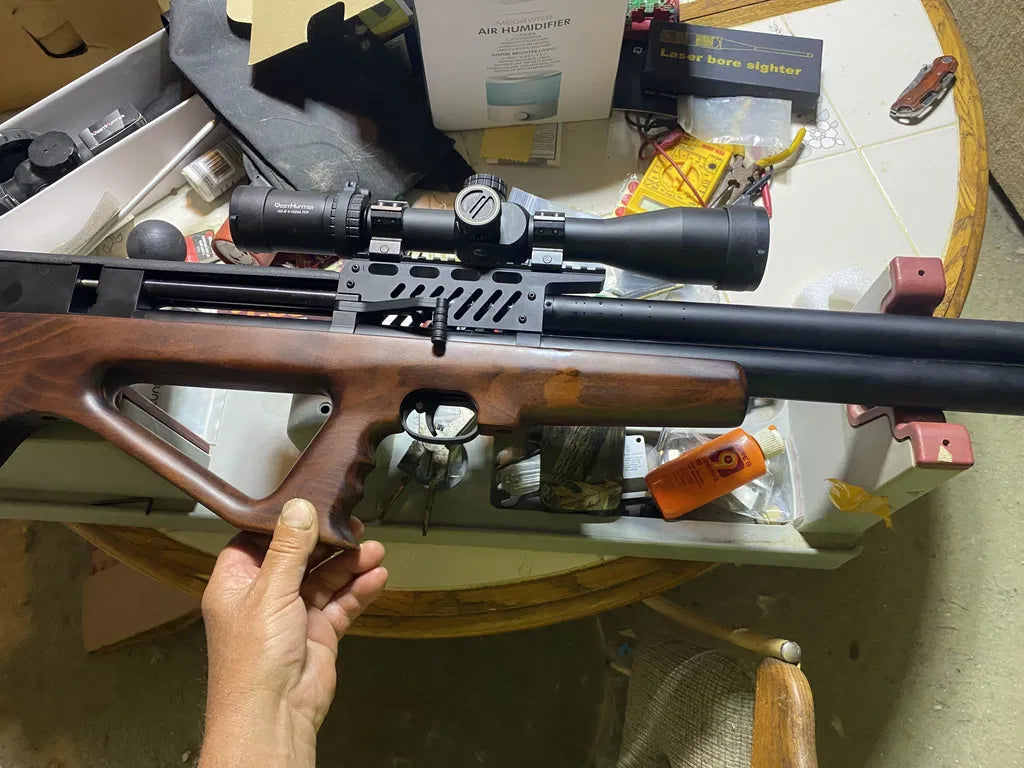
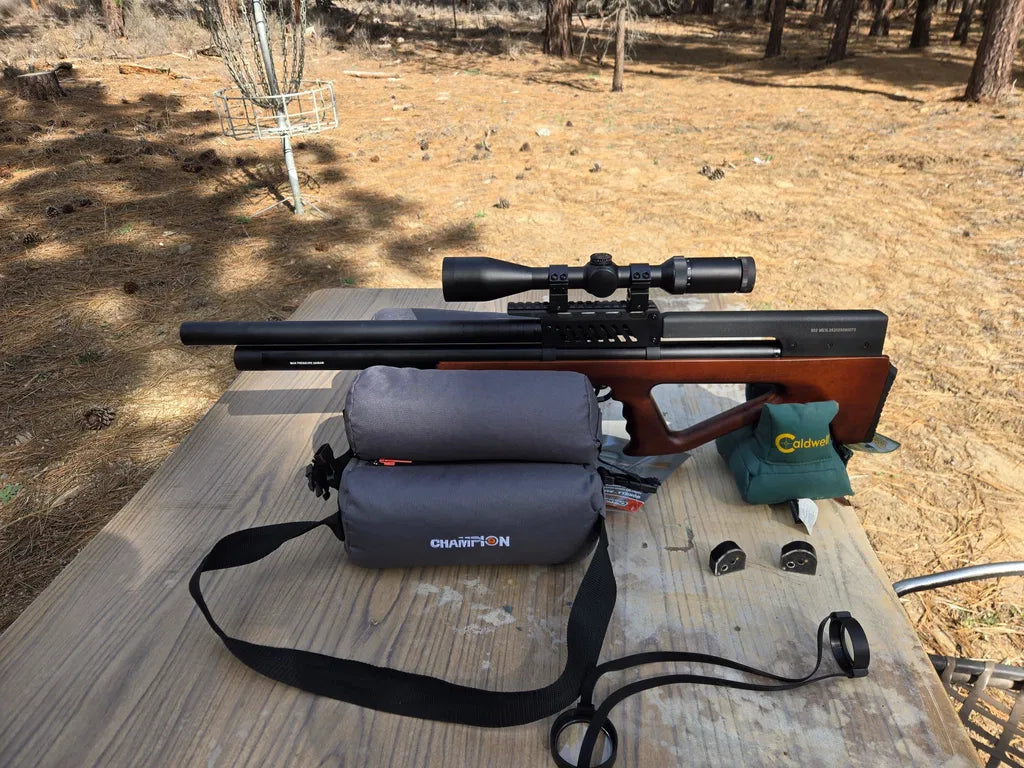
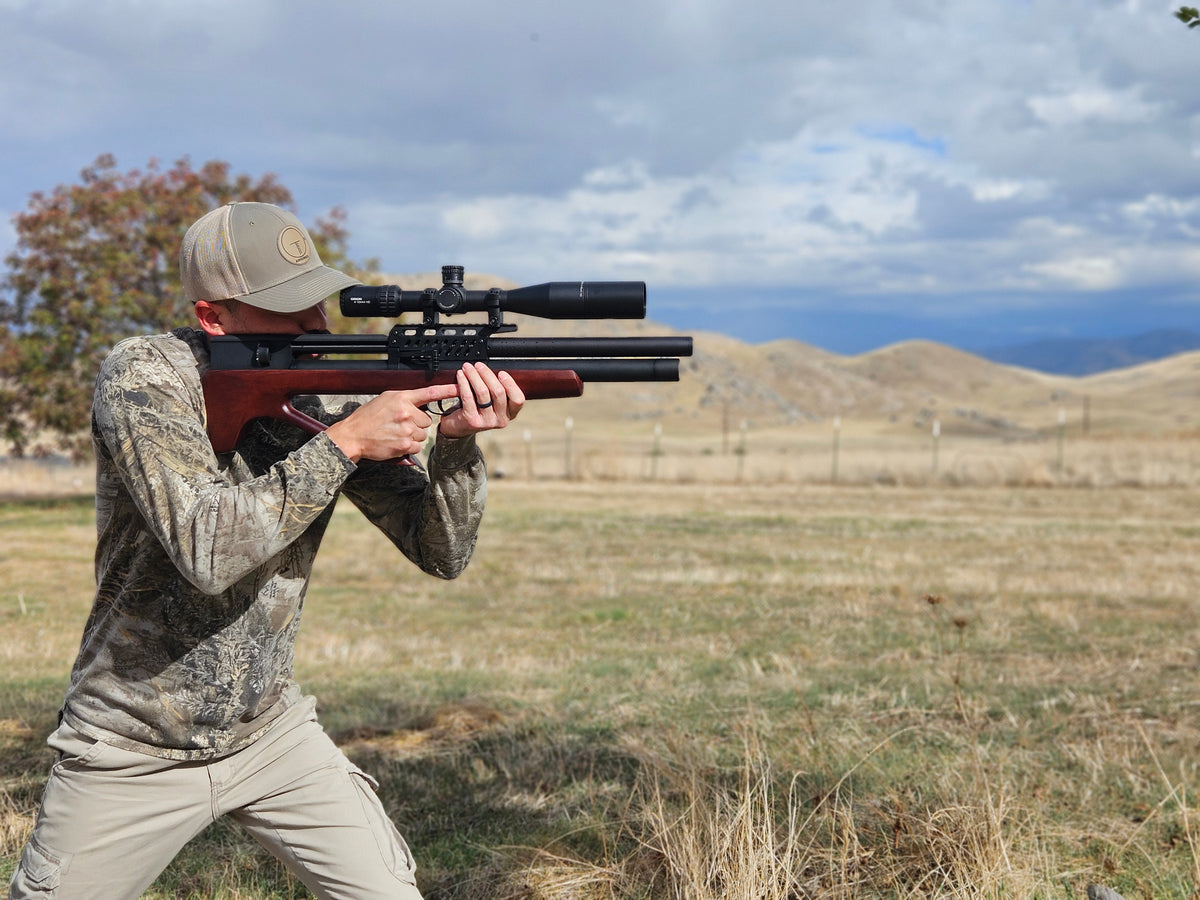
The Pinty Striker PCP Air Rifle offers higher flexibility with dual-caliber capability and strong follow-up shot performance.
- Fires .22 or .25 caliber pellets (5.5 / 6.4 mm)
- Pellet velocities up to 800 fps
- Built-in regulator for consistent precision
- 310 cc air tank providing approximately 90 shots per fill
- Dual large magazines with a smooth side-lever action
- 21 mm Picatinny rail for scopes, lights, and bipods
The Pinty Striker is a solid option for small to medium game hunting, depending on caliber choice and local regulations.
Final Thoughts
Dry-firing an air gun is not automatically bad, but doing it without knowing your air gun’s design absolutely is. If you remember just one rule, make it this: spring-powered air rifles need a pellet. PCPs usually don’t.
Understanding that difference protects your investment, keeps your air gun performing well, and helps you enjoy shooting without expensive surprises down the road.
Consider this complete guide on CO₂ vs PCP vs Spring Airguns, and explore more options.




Share:
What Do Air Rifles Shoot?
The Ultimate Guide to the Best Rifle Scopes in 2023: Boost Your Shooting Performance